 Fixated on Home
Integrating Aromatherapy into Contemporary Bedroom Renovations
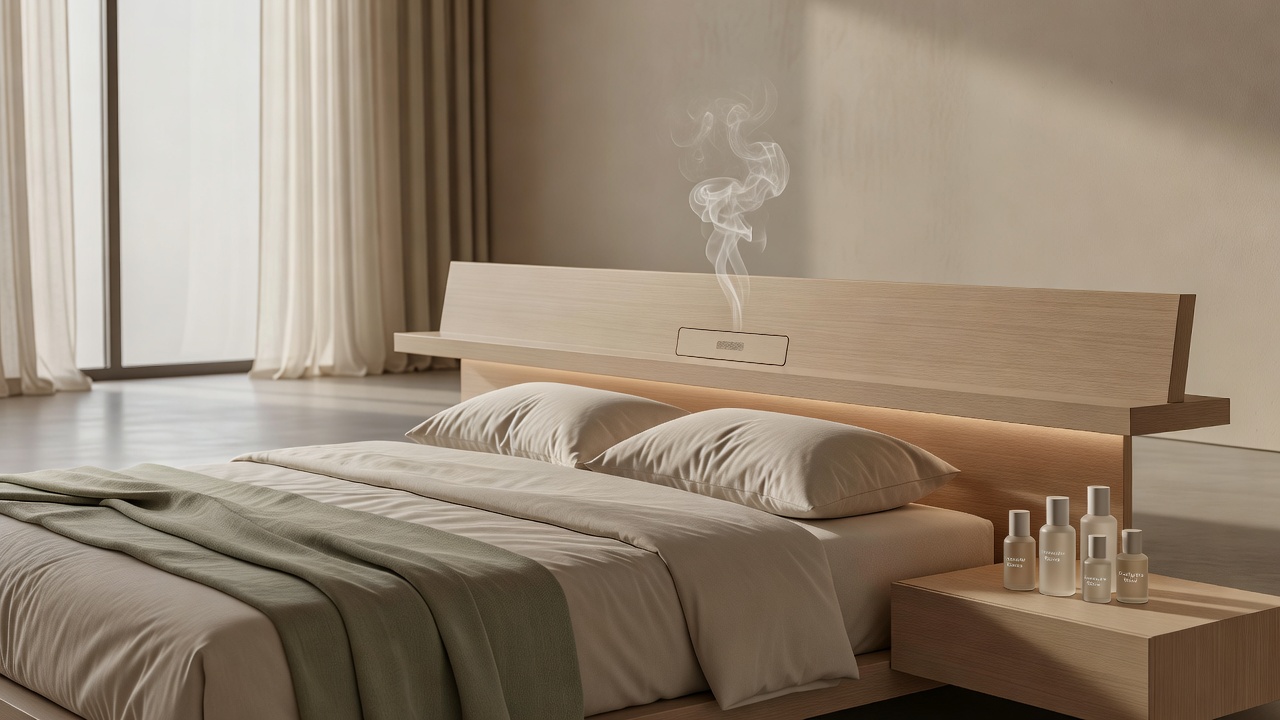
Modern homeowners in 2026 are moving beyond basic tech gadgets and minimalist aesthetics to create bedrooms that engage all senses. Aromatherapy offers a sophisticated wellness layer that complements clean lines and neutral palettes while promoting deep relaxation. This approach transforms bedrooms into restorative sanctuaries tailored for sleep optimization and daily rejuvenation. By embedding scent delivery directly into architectural elements, designers achieve seamless integration that feels organic rather than additive. The result elevates the sensory experience without disrupting the streamlined visual language popular in current renovations.
Strategic Diffuser Placement Strategies
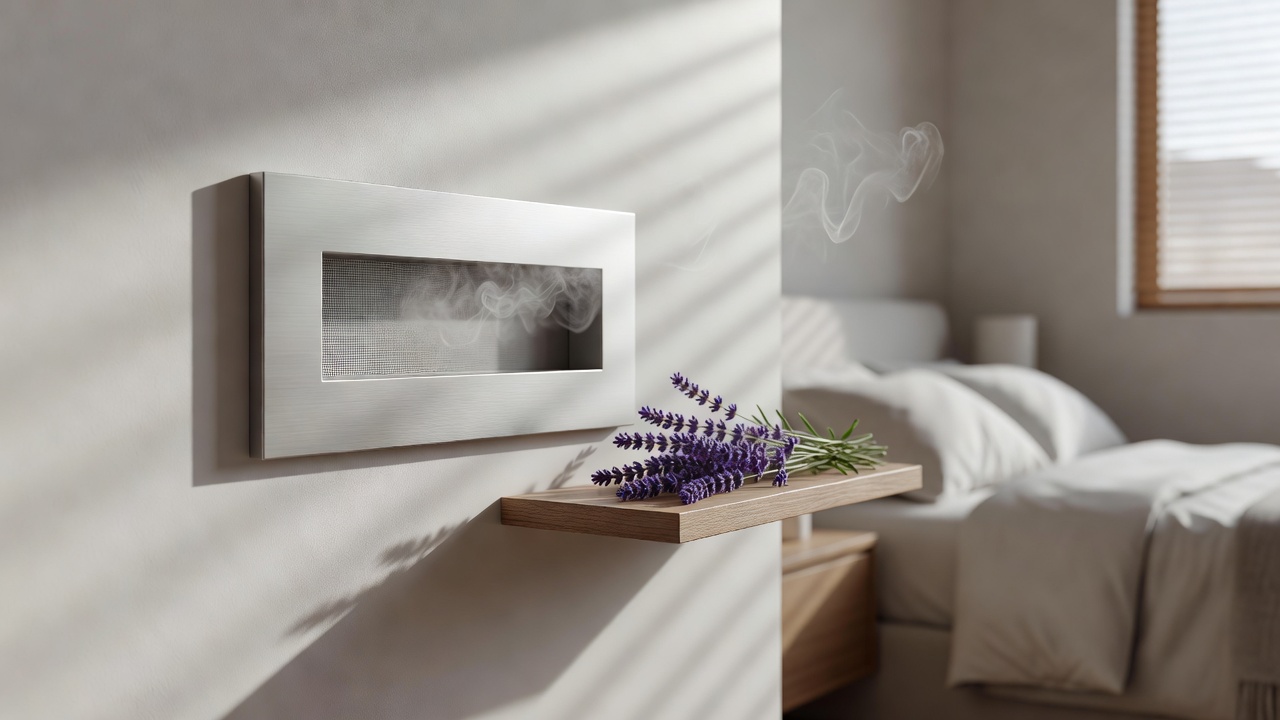
Placement determines how evenly scents distribute without overwhelming the space. Position wall-mounted diffusers near air vents but away from direct sunlight to preserve essential oil integrity. For bedside integration, recessed units in nightstands deliver targeted aroma at eye level. Consider ceiling diffusers above the bed for subtle, room-wide diffusion during the night. Always test airflow patterns post-renovation to avoid stagnant zones. In larger master suites, multiple low-output units spaced along opposite walls create balanced coverage. Homeowners renovating apartments with limited square footage benefit from corner-mounted options that maximize vertical space while directing mist toward the sleeping area. Professional designers often simulate diffusion with smoke tests during the planning phase to refine exact locations before final installation.
Selecting Scents for Sleep Optimization
Lavender and chamomile remain staples for their calming properties, while bergamot and sandalwood add depth for evening routines. Blend options like vanilla with cedarwood for a grounding effect suited to urban environments. Rotate scents seasonally—citrus notes in warmer months transition to woody profiles in cooler weather—to maintain sensory interest without habituation. Research-backed combinations such as lavender paired with clary sage enhance relaxation for those dealing with high-stress schedules. Personalization plays a key role; some individuals respond better to floral notes while others prefer resinous or herbaceous profiles. Testing small batches over several nights helps identify optimal blends before committing to larger installations. Mayo Clinic resources emphasize consulting professionals when introducing new aromatic compounds into living spaces.
Step-by-Step Installation Guides for Built-In Solutions
Begin with a professional assessment of HVAC integration points. Install hidden tubing routes behind drywall during the framing stage of renovation. Connect low-voltage systems to smart home hubs for scheduled diffusion cycles. Seal all joints meticulously to prevent leaks. Final testing involves running the system for 48 hours while monitoring humidity levels. Additional considerations include selecting corrosion-resistant materials for tubing and ensuring easy access panels for future maintenance. During electrical rough-in, dedicate separate circuits to avoid interference with lighting or climate controls. For multi-story homes, zone controls allow different scent profiles in guest rooms versus primary bedrooms. Coordination with electricians and HVAC technicians early in the process prevents costly retrofits later. National Institutes of Health guidelines on indoor environmental quality provide useful context for planning these integrations safely.
Natural Versus Synthetic Aromatherapy Options
Natural essential oils derived from plants provide authentic therapeutic benefits but require more frequent replacement. Synthetic alternatives offer consistent longevity and lower cost yet may lack nuanced health advantages. Homeowners should evaluate certifications such as organic labeling for natural oils. Hybrid systems allow mixing both types based on room usage patterns and personal sensitivities. Natural oils often carry subtle variations between batches due to growing conditions, adding an artisanal quality that appeals to wellness-focused clients. Synthetics, by contrast, deliver repeatable results ideal for households with allergy concerns or those seeking precise scent control through smart scheduling. Comparing evaporation rates helps determine refill frequency; many natural options dissipate within days while engineered synthetics maintain presence longer. Decision-making should factor in environmental impact, with plant-derived oils generally preferred for sustainability goals.
Case Study Examples from Recent Renovations
A 2025 loft conversion in Chicago incorporated recessed diffusers within custom millwork, resulting in improved sleep quality reported by residents after three months. Another project in Seattle featured modular wall panels with interchangeable scent cartridges, allowing easy updates without full disassembly. These examples demonstrate scalable solutions adaptable to various square footages and architectural styles. A third renovation in Austin integrated aromatherapy into a floating bed platform with concealed reservoirs, creating an immersive experience that residents described as transformative for evening wind-down routines. Across projects, common success factors included early collaboration between interior designers and wellness consultants plus thorough post-installation adjustments based on occupant feedback.
Practical Checklists for Implementation
- Assess existing ventilation and electrical access before purchase.
- Choose diffusers with adjustable output settings for personalized control.
- Map scent zones according to bed position and seating areas.
- Schedule quarterly professional servicing for built-in units.
- Document all product lot numbers for allergy tracking.
- Review local building codes related to embedded mechanical systems.
- Test multiple oil concentrations during the commissioning phase.
Maintenance Tips and Best Practices
Clean diffusers monthly with isopropyl alcohol to prevent residue buildup. Replace filters every six months or as indicated by usage logs. Store essential oils in cool, dark cabinets to extend shelf life. Monitor for mold in humid climates by inspecting tubing quarterly. These steps ensure consistent performance and prevent common failures. Additional best practices include keeping a maintenance log tied to the home's smart system and scheduling annual professional inspections to verify seal integrity. In regions with hard water, using distilled water in ultrasonic models reduces mineral deposits that can affect mist quality over time.
Avoiding Common Mistakes in Aromatherapy Design
One frequent error involves over-saturating small rooms with high-output units, leading to headaches rather than relaxation. Another pitfall is ignoring airflow dynamics, which causes uneven scent distribution. Always verify compatibility between chosen oils and diffuser materials to avoid degradation. Skipping the testing phase often results in post-renovation adjustments that disrupt finished surfaces. Homeowners should also consider pet sensitivities and consult veterinarians when selecting scents, as certain essential oils can affect animals.
FAQ Addressing Allergies and Scent Longevity
How do I manage potential allergies? Start with patch tests on diluted oils and consult a physician. Opt for hypoallergenic blends and install HEPA filtration alongside the system. World Health Organization publications on indoor air quality offer additional insights for sensitive individuals.
How long do scents typically last? Diffusion cycles of 30 minutes every two hours maintain subtle presence. Natural oils evaporate faster than synthetics; expect 4-6 weeks per cartridge depending on output strength and room size.
Can systems be retrofitted into existing bedrooms? Yes, wireless plug-in models and portable units offer non-invasive entry points before committing to permanent installations.
What safety measures apply to built-in systems? Incorporate automatic shut-off features and ensure all components meet relevant electrical standards to prevent overheating or leaks.


No comments yet. Be the first!