 Fixated on Home
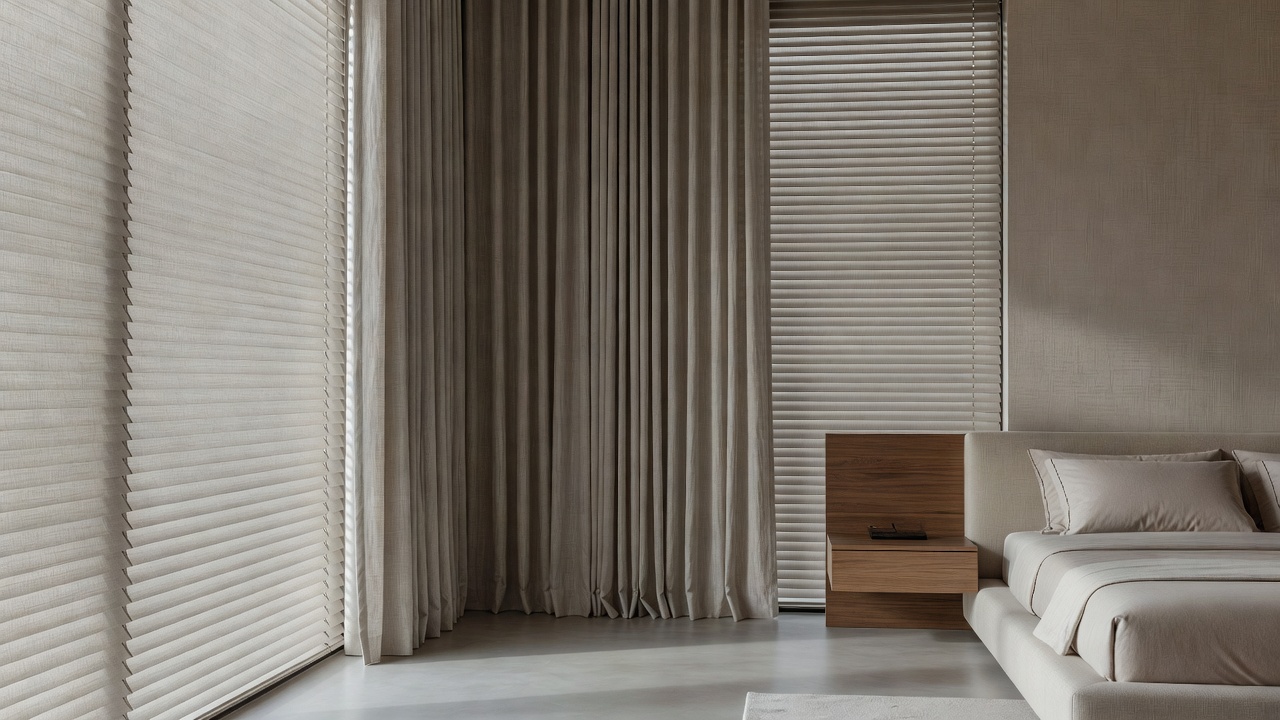
Introduction to Curtains vs Blinds in 2026 Bedroom Design
Choosing between curtains and blinds remains a pivotal decision for homeowners upgrading bedrooms in 2026. Both options enhance light control, privacy, and energy efficiency while aligning with contemporary aesthetics. This guide provides a detailed comparison to help you select the best window treatment for your space, covering trends, practical steps, and real-world applications. As bedroom renovations continue to emphasize comfort and sustainability, understanding the nuances of each treatment helps create spaces that support better sleep, reduce energy consumption, and reflect personal style preferences in a modern context.
Homeowners today often face decisions influenced by room orientation, window size, and lifestyle factors such as remote work or family needs. Curtains provide a soft, fabric-based solution that can transform the ambiance of a room, while blinds offer a structured, adjustable alternative that integrates well with minimalist designs. Throughout this article we examine how each choice performs across key criteria and offer frameworks to guide your selection process.
Light Control and Privacy Considerations
Effective light management is essential in bedrooms to support restful sleep and daily routines. Curtains offer superior blackout capabilities with layered fabrics that block nearly all external light, making them ideal for shift workers or urban environments. Multiple layers allow for graduated light filtering during the day while achieving complete darkness at night. Blinds, particularly those with adjustable slats, provide precise control over light direction and intensity, allowing partial illumination without full exposure. This feature proves useful in east-facing rooms where morning light can be managed gradually.
Privacy needs vary by room size and location. Floor-length curtains create a soft barrier that obscures views from outside while adding warmth and sound dampening. Venetian or roller blinds deliver targeted privacy through tilt mechanisms, suiting smaller windows where full coverage might overwhelm the space. In ground-floor bedrooms, combining both treatments often yields optimal results by offering daytime privacy with blinds and nighttime seclusion with curtains.
Energy Efficiency in Modern Upgrades
Window treatments play a key role in thermal regulation. Insulated curtains with thermal linings help maintain indoor temperatures by reducing heat loss in winter and blocking solar gain in summer. Cellular blinds trap air in honeycomb structures for comparable efficiency benefits. Homeowners focused on sustainability can explore options that complement smart home systems for automated adjustments based on time of day or weather conditions.
For authoritative insights on energy savings, refer to resources from the U.S. Department of Energy and the U.S. Environmental Protection Agency. These treatments contribute to lower utility demands when selected with proper fit and materials. Proper sealing around edges maximizes performance, particularly in older homes undergoing renovation.
Material Trends for 2026
Current trends emphasize sustainable and durable fabrics. Curtains increasingly feature linen, velvet, or recycled polyester blends that resist fading and support eco-friendly manufacturing. Blinds trend toward aluminum, wood composites, and PVC-free options that mimic natural textures without maintenance issues. Natural materials such as bamboo and organic cotton are gaining popularity for their breathability and low environmental impact.
Examples include:
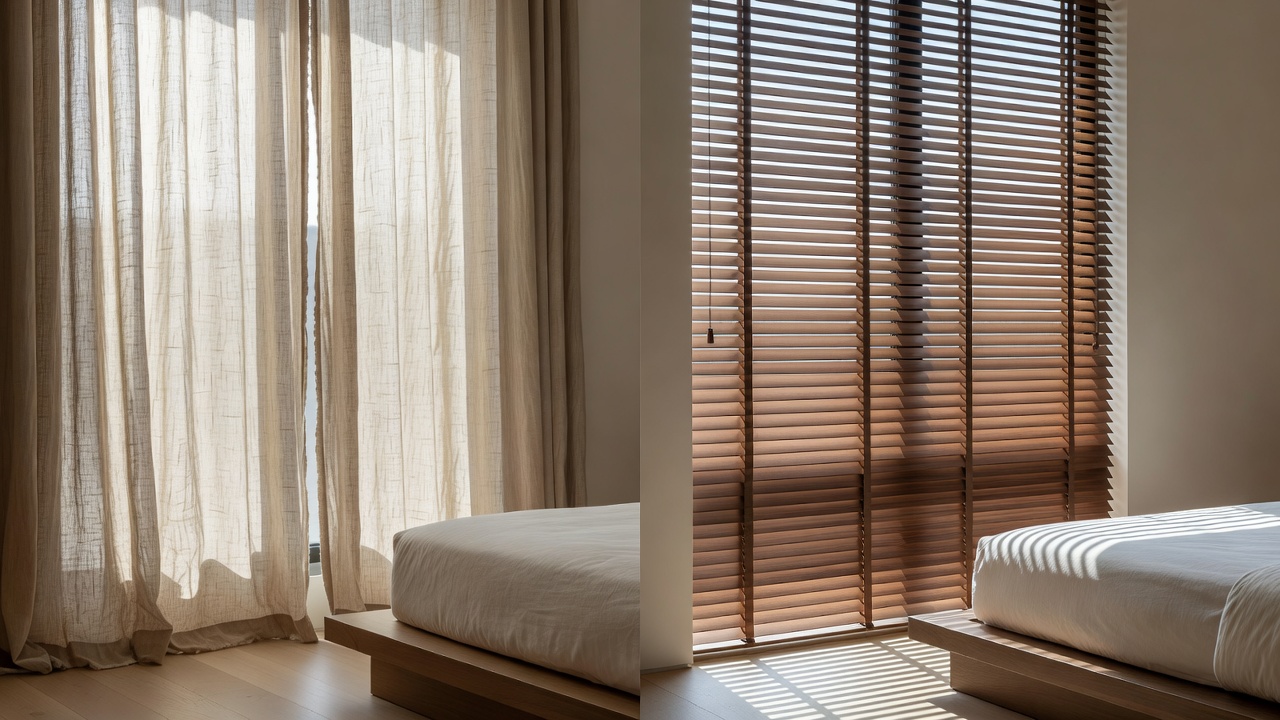
- Sheer curtains paired with blackout liners for versatile layering in master bedrooms, allowing daytime diffusion while ensuring darkness for sleep.
- Motorized roller blinds in minimalist guest rooms for seamless integration with voice controls and app-based scheduling.
- Wooden blinds in larger spaces to add organic warmth and complement hardwood flooring or neutral wall colors.
- Recycled fabric curtains in eco-conscious homes that align with broader renovation goals around sustainability.
Installation Steps and Practical Guidance
Proper installation ensures longevity and performance. Begin by measuring window dimensions accurately, accounting for overlaps of at least four inches on each side. For curtains, select rods mounted four to six inches above the frame and extend three to six inches beyond sides to create an illusion of larger windows. Blinds require brackets aligned precisely for smooth operation and should be tested for level before final securing.
Step-by-step process:
- Assess wall type and gather tools like levels, drills, and anchors suitable for your surface material.
- Mark precise locations and pre-drill holes to prevent wall damage.
- Install hardware securely to avoid sagging over time, especially with heavier curtain fabrics.
- Test functionality before final adjustments and add any decorative finials or valances.
Professional installation is recommended for complex motorized systems to prevent errors and ensure warranty coverage remains valid.
Visual Examples Across Room Sizes
Small bedrooms benefit from lightweight roller blinds that maximize perceived space without overwhelming limited square footage. Medium rooms pair well with mid-length curtains for balanced proportions that soften architectural lines. Large master suites often combine both treatments for layered depth and style versatility, creating zones of light and privacy tailored to different activities.
Impact on Room Aesthetics and Mood
Beyond function, window treatments influence the overall mood of a bedroom. Curtains introduce texture and movement that soften modern interiors, while blinds deliver clean lines suited to contemporary or Scandinavian-inspired designs. Color selection plays a major role: light neutral tones expand smaller spaces visually, whereas deeper hues add intimacy to larger rooms.
Durability and Longevity Factors
Quality materials determine how well treatments withstand daily use. Curtains with reinforced headers and UV-resistant linings maintain appearance longer, whereas aluminum or composite blinds resist warping from humidity. Regular inspection of hardware prevents premature wear, particularly in high-use spaces.
Smart Integration for 2026 Homes
Integration with home automation systems represents a growing trend. Motorized blinds connect easily to voice assistants and scheduling apps, while smart curtain tracks offer similar convenience for fabric options. These features enhance accessibility and support energy-saving routines by automatically adjusting based on sunlight patterns.
Decision-Making Framework and Common Mistakes to Avoid
Evaluate your priorities: prioritize blackout needs with curtains or adjustable light with blinds. Factor in maintenance—curtains require periodic cleaning while blinds wipe down easily. Test samples in your room's lighting before committing. Common mistakes include selecting treatments that clash with existing decor, underestimating measurement accuracy, or ignoring room orientation which affects light exposure throughout the day.
Maintenance and Style Compatibility FAQ
How often should curtains and blinds be cleaned?
Curtains typically need professional cleaning every 12-18 months, while blinds benefit from monthly dusting and occasional deep wipes to maintain appearance and function.
Can curtains and blinds be combined in one room?
Yes, layering provides enhanced control and adds texture, a popular 2026 trend for personalized bedroom aesthetics that balances softness with structure.
Which option suits allergy sufferers better?
Blinds generally collect less dust, though washable curtain fabrics offer viable alternatives when maintained regularly and paired with air filtration systems.
Conclusion
Selecting between curtains and blinds for your 2026 bedroom upgrade involves balancing function with design goals. By considering light, privacy, efficiency, installation details, and long-term maintenance, you can achieve a cohesive, comfortable space. Explore options that align with your lifestyle for optimal results and lasting satisfaction.
No comments yet. Be the first!