 Fixated on Home
Introduction to Bed Frame Choices in Modern Renovations
Choosing between wood and metal bed frames is a critical decision for homeowners undertaking bedroom renovations in 2026. These materials offer distinct advantages that align with contemporary design trends emphasizing sustainability, minimalism, and functionality. This guide explores key factors including aesthetics, longevity, maintenance requirements, and integration with current home styles to help you select the optimal option for your space. As bedroom renovations continue to focus on creating restful environments that blend comfort with visual appeal, understanding the nuances of each material becomes essential for long-term satisfaction.
Aesthetics and Design Integration
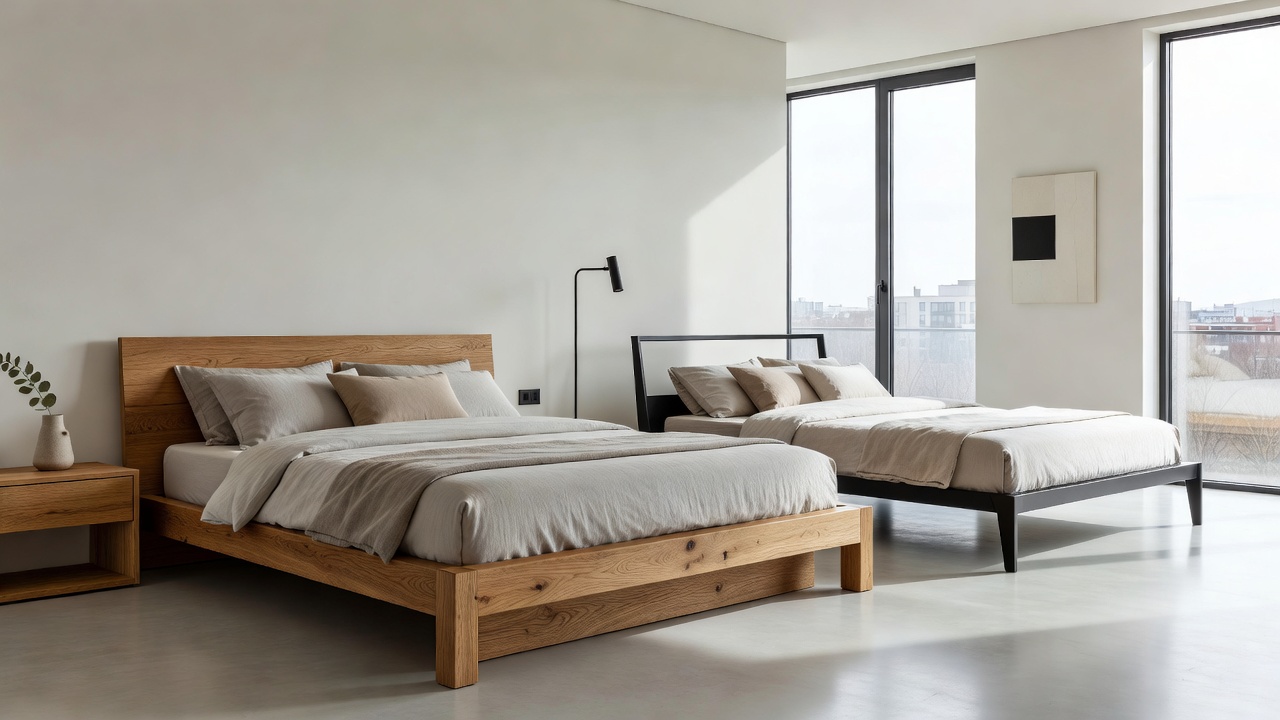
Wood bed frames bring warmth and organic texture to modern spaces, complementing trends like biophilic design that incorporate natural elements. They pair well with neutral palettes and can be stained or painted to match existing furniture. Metal frames, conversely, provide a sleek, industrial edge suited to minimalist or urban interiors. Their clean lines and finishes such as matte black or brushed nickel enhance contemporary aesthetics. For style examples, a Scandinavian-inspired bedroom might favor light oak wood frames, while a loft-style renovation could benefit from powder-coated steel metal designs. Both materials support versatile integration with smart lighting and modular storage solutions popular in 2026 upgrades. Homeowners often find that wood adds a layer of coziness that softens angular modern architecture, whereas metal provides contrast and highlights architectural features like exposed beams or concrete floors. In practice, mixing elements such as wood headboards with metal side rails allows for hybrid looks that cater to personalized tastes without compromising on trend alignment.
Longevity and Durability Factors
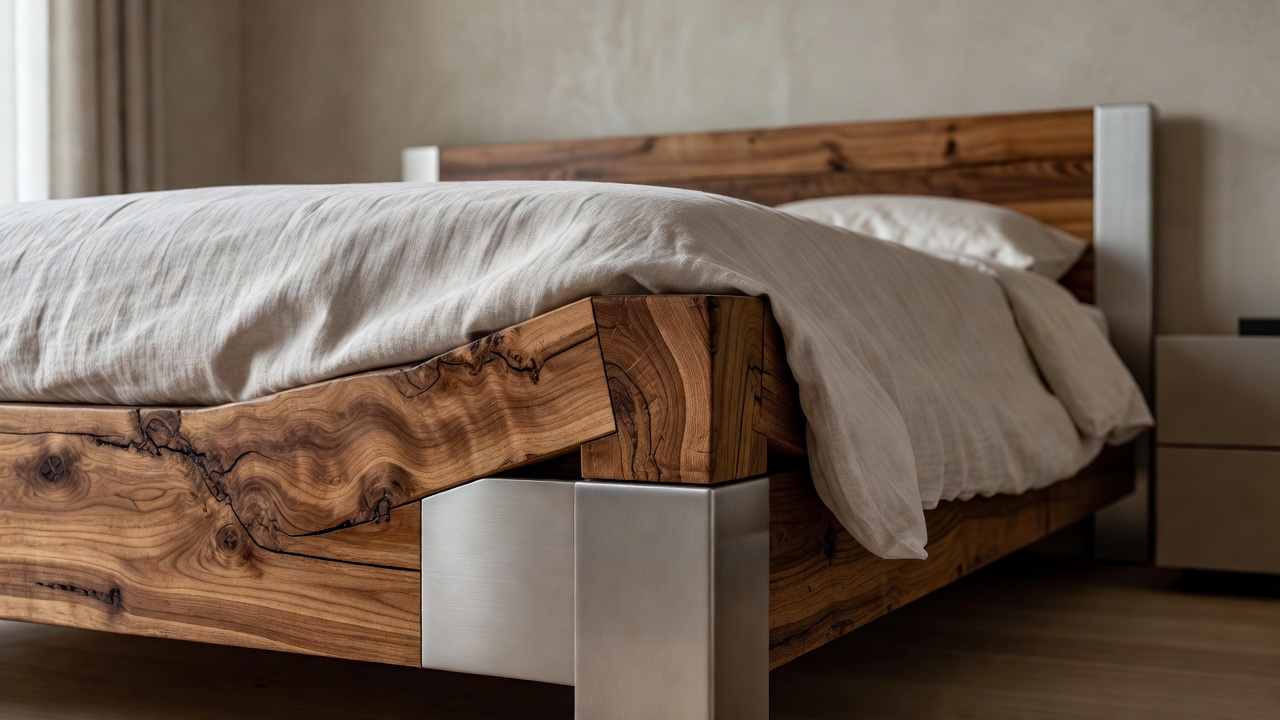
Wood frames, especially those crafted from hardwoods like oak or maple, offer excellent structural integrity when properly treated. They resist warping in stable environments but may be susceptible to humidity fluctuations common in some regions. Metal frames excel in strength and resistance to pests, providing decades of use with minimal degradation. High-quality steel constructions often outlast wood in high-traffic households. Factors such as joint construction, finish quality, and environmental exposure play major roles in determining how each material performs over time. For instance, solid wood pieces with mortise-and-tenon joinery tend to maintain stability better than particleboard alternatives, while welded metal joints eliminate loosening issues common in bolted assemblies. Real-home case study: A family in a suburban renovation project selected metal frames for their children's rooms due to proven resilience against daily wear, while opting for wood in the master suite for its timeless appeal. Another example involves an urban apartment renovation where metal frames were chosen to withstand frequent moves and varying climate controls, resulting in zero structural issues after five years of use.
Maintenance and Care Requirements
Maintenance differs significantly between the two. Wood requires periodic polishing and protection from moisture to preserve finish, though modern sealants reduce this burden. Metal frames need only occasional dusting and checks for rust in humid climates, making them lower-maintenance overall. Practical tips include using coasters under items placed on wood surfaces to prevent rings and ensuring good ventilation around metal components in coastal homes. Both materials benefit from regular inspections of hardware and supports to maintain safety standards. Eco-conscious homeowners can extend lifespan by choosing finishes free from volatile organic compounds, aligning with broader sustainability goals in renovation projects.
- Wood: Clean with microfiber cloths; avoid harsh chemicals; reapply protective oils seasonally in dry climates.
- Metal: Wipe with damp cloths; apply protective coatings annually if needed; inspect welds for stress points yearly.
These routines align with eco-friendly practices promoted by organizations focused on sustainable living.
Installation Considerations
Installation ease varies: Many wood frames assemble with basic tools and offer adjustability for different mattress sizes. Metal frames often feature tool-free setups and lighter components for quicker renovations. Always verify compatibility with your foundation type and room dimensions before purchase. Consider floor protection during assembly, as both materials can scratch hardwood or tile if not handled carefully. Professional installation may be advisable for larger king or California king sizes to ensure proper leveling and weight distribution. Homeowners in multi-story buildings should also factor in elevator access and stair navigation when selecting heavier wood options.
Learn about sustainable material choices from the EPA to inform eco-conscious selections during your project.
Pros and Cons Comparison
Wood Bed Frames
- Pros: Natural beauty, customizable finishes, good insulation properties, ability to age gracefully with patina development.
- Cons: Higher susceptibility to scratches, potential for expansion in varying climates, requires more attentive care in high-humidity areas.
Metal Bed Frames
- Pros: Superior strength-to-weight ratio, modern versatility, easy cleaning, resistance to warping and pests.
- Cons: Can feel colder to the touch, may show fingerprints on polished surfaces, limited warmth in traditional design schemes.
Compatibility with Modern Bedroom Trends
In 2026, bedroom designs increasingly incorporate multifunctional elements such as integrated charging stations and adjustable lighting. Wood frames adapt well to these by allowing custom drilling for accessories, while metal frames often come pre-configured with modular attachment points. Both support the shift toward sustainable sourcing, with responsibly harvested woods and recycled metals gaining popularity among renovators focused on environmental impact.
Decision-Making Steps for Homeowners
- Assess your bedroom's existing design theme and color scheme to determine visual harmony.
- Evaluate room humidity levels and household activity patterns over a full year.
- Consider long-term renovation goals, such as future furniture swaps or layout changes.
- Test sample finishes in your space if possible by ordering swatches or visiting showrooms.
- Review warranty options from reputable manufacturers and compare coverage periods.
- Factor in delivery logistics and assembly time to minimize disruption during the renovation.
- Consult with an interior designer for complex integrations with existing built-ins.
Following these steps ensures a choice that enhances both functionality and visual appeal while avoiding common pitfalls.
Common Mistakes to Avoid
Many renovators overlook the importance of foundation compatibility, leading to unstable setups. Another frequent error is prioritizing aesthetics over durability in high-use areas, resulting in premature replacements. Always measure twice and account for clearance around nightstands and dressers to prevent cramped arrangements.
FAQ Section
Which material is better for allergies?
Metal frames are generally preferable as they do not harbor dust mites like some porous woods.
Can both support heavy mattresses?
Yes, quality versions of each handle king-size and weighted options reliably when reinforced properly.
How do they perform in small spaces?
Metal often wins for its slim profile, while wood can add perceived warmth without overwhelming compact rooms.
Are there environmental benefits to one over the other?
Both can be sustainable when sourced responsibly; check certifications for wood and recycled content for metal.
What about noise during movement?
Metal frames may creak less if joints are tight, but wood can be quieter overall in well-constructed models.
Explore material standards at NIST for technical insights on frame construction. Additional guidance on healthy home environments is available from the World Health Organization.
Conclusion
Both wood and metal bed frames present compelling options for 2026 bedroom renovations, with the ideal selection depending on your priorities for style, durability, and upkeep. By weighing these comparisons thoughtfully and following practical decision steps, you can achieve a modern home upgrade that lasts and supports restful living for years to come.
No comments yet. Be the first!