 Fixated on Home
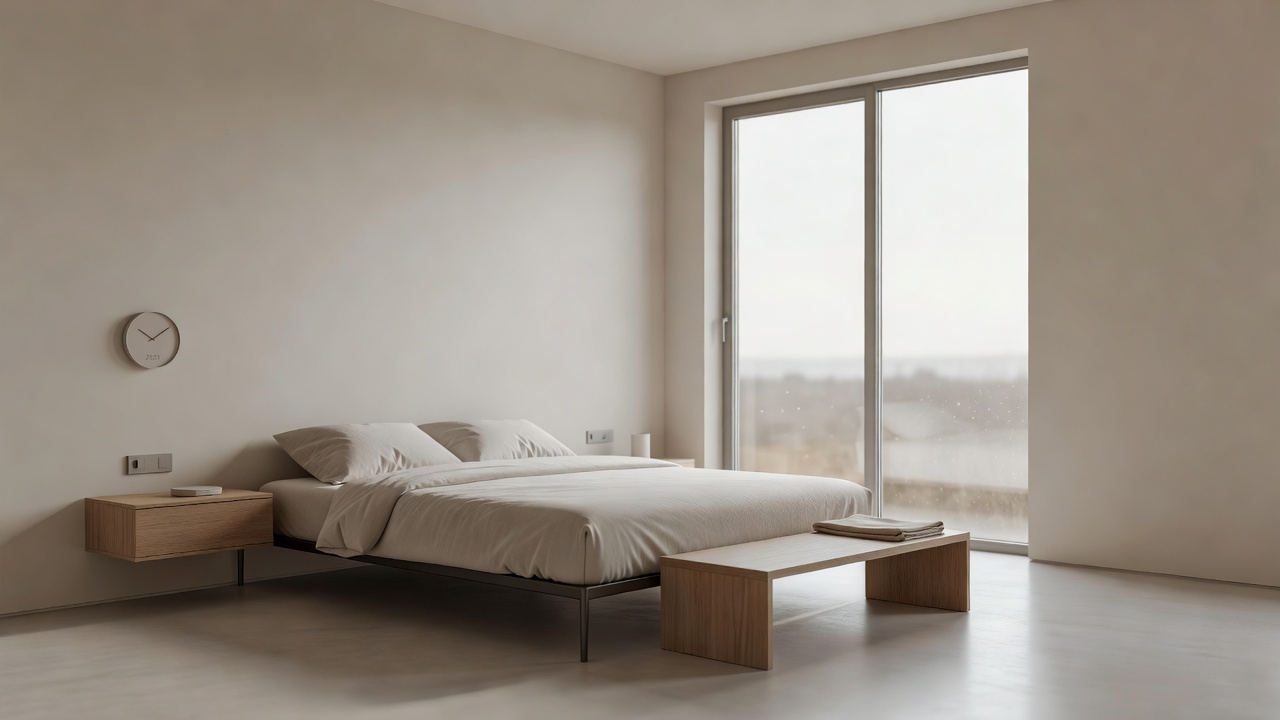
Introduction to Bedroom Wall Upgrades in 2026
Choosing between paint and wallpaper remains one of the most impactful decisions for bedroom renovations in modern homes. In 2026, homeowners seek solutions that balance aesthetics, durability, and ease of maintenance while aligning with contemporary design trends such as biophilic elements and sustainable materials. This comprehensive guide provides a thorough comparison to help you decide which option suits your space, lifestyle, and long-term goals. Whether you prioritize a serene minimalist look or a bold patterned statement, understanding the nuances of each choice ensures a successful upgrade that enhances both comfort and property value.
Pros and Cons of Paint for Bedrooms
Paint offers exceptional versatility and affordability for quick transformations that can dramatically refresh a bedroom. It works well in various lighting conditions and allows easy color changes over time as trends evolve. However, achieving a flawless finish requires skill and proper surface preparation, and it may show imperfections on textured or uneven walls. Additional advantages include breathability that helps regulate indoor humidity and compatibility with most wall types. Drawbacks include potential fading in direct sunlight over several years and the need for multiple coats when covering darker previous colors. Many 2026 homeowners appreciate paint's ability to create calming environments using soft neutrals or muted earth tones that promote better sleep.
- Wide range of colors, sheens, and specialty finishes like matte or eggshell
- Quick application suitable for weekend DIY projects
- Lower material costs compared to premium wallpapers
- Easy touch-ups for minor scuffs or damage
- Low-VOC options that support healthier indoor air quality
Pros and Cons of Wallpaper for Bedrooms
Wallpaper delivers rich texture, intricate patterns, and visual interest that paint cannot easily replicate, making it ideal for creating focal points or adding depth to larger rooms. Modern options include peel-and-stick varieties that are perfect for renters or those who enjoy frequent updates without commitment. On the downside, installation can be more labor-intensive, and removal may damage underlying drywall if not executed carefully. Wallpaper also excels at hiding minor wall imperfections and offers greater resistance to everyday wear. In 2026, sustainable and recyclable wallpaper options are gaining popularity among eco-conscious homeowners.
- Instant pattern, texture, and dimensional effects
- Greater durability against scuffs in high-traffic bedroom areas
- Options for moisture-resistant and antimicrobial materials
- Ability to create dramatic accent walls or full-room transformations
- Variety of materials including grasscloth, vinyl, and fabric-backed types
Durability and Maintenance Comparison
Paint typically lasts between five and ten years before a refresh is needed, depending on quality, room conditions, and exposure to sunlight. High-quality latex paints with proper primers can extend this lifespan significantly. Wallpaper can endure ten to fifteen years with proper care, though edges may begin to peel in humid environments. Maintenance for paint involves simple wiping with a damp cloth, while wallpaper requires gentle cleaning methods to avoid water damage or discoloration. Both options benefit from regular dusting and prompt attention to spills.
Material Selection Tips
When selecting materials, consider the room's lighting, existing furniture, and personal style. For paint, test samples on multiple walls at different times of day to see how colors shift. Choose zero-VOC or low-VOC formulas for bedrooms to minimize off-gassing. For wallpaper, opt for pre-pasted or peel-and-stick products if you plan future changes. Pattern scale matters—large motifs suit spacious rooms while small prints work better in cozy spaces. Always verify substrate compatibility and consider sustainability certifications when possible.
Installation Steps for Paint
Begin with thorough preparation: clean walls thoroughly, repair holes and cracks, and sand smooth surfaces. Apply a quality primer suited to your wall type and desired finish. Use premium brushes and rollers for even coverage, working in sections to maintain a wet edge. Allow adequate drying time between coats, typically two to four hours, and complete the project with a final inspection under natural light. Professional painters can achieve superior results on textured ceilings or intricate trim work.
Installation Steps for Wallpaper
Measure walls precisely and calculate material needs with extra allowance for pattern matching. Cut panels with additional length at top and bottom. Apply adhesive evenly using a roller or brush, then hang panels starting from a plumb line. Align patterns carefully and smooth out air bubbles with a plastic smoother. Trim excess at ceiling and baseboard lines. Professional installation is strongly recommended for complex designs or large-scale applications to avoid costly mistakes.
2026 Design Trends and Visual Examples
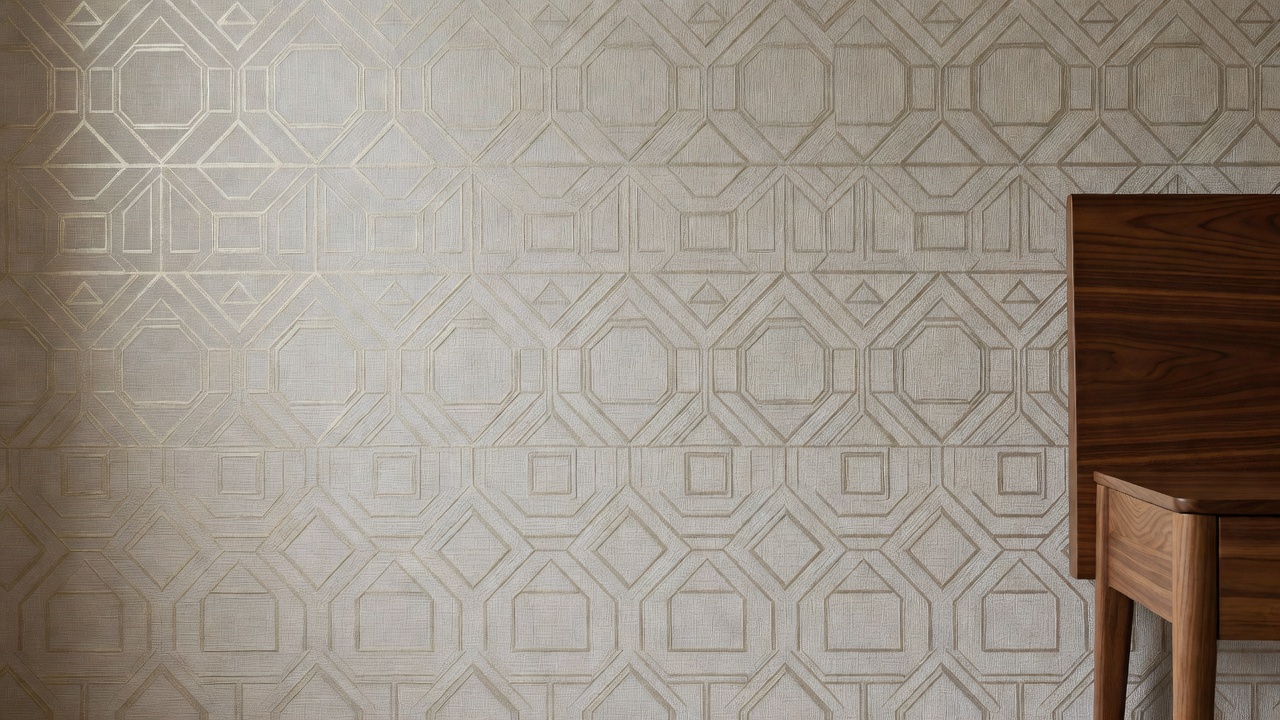
Current trends favor earthy tones with paint paired alongside subtle geometric or botanical patterns in wallpaper. Many designers combine both approaches, painting three walls and using wallpaper as a dramatic accent behind the bed. Sustainable and textured finishes are especially popular this year.
Real-Home Case Studies
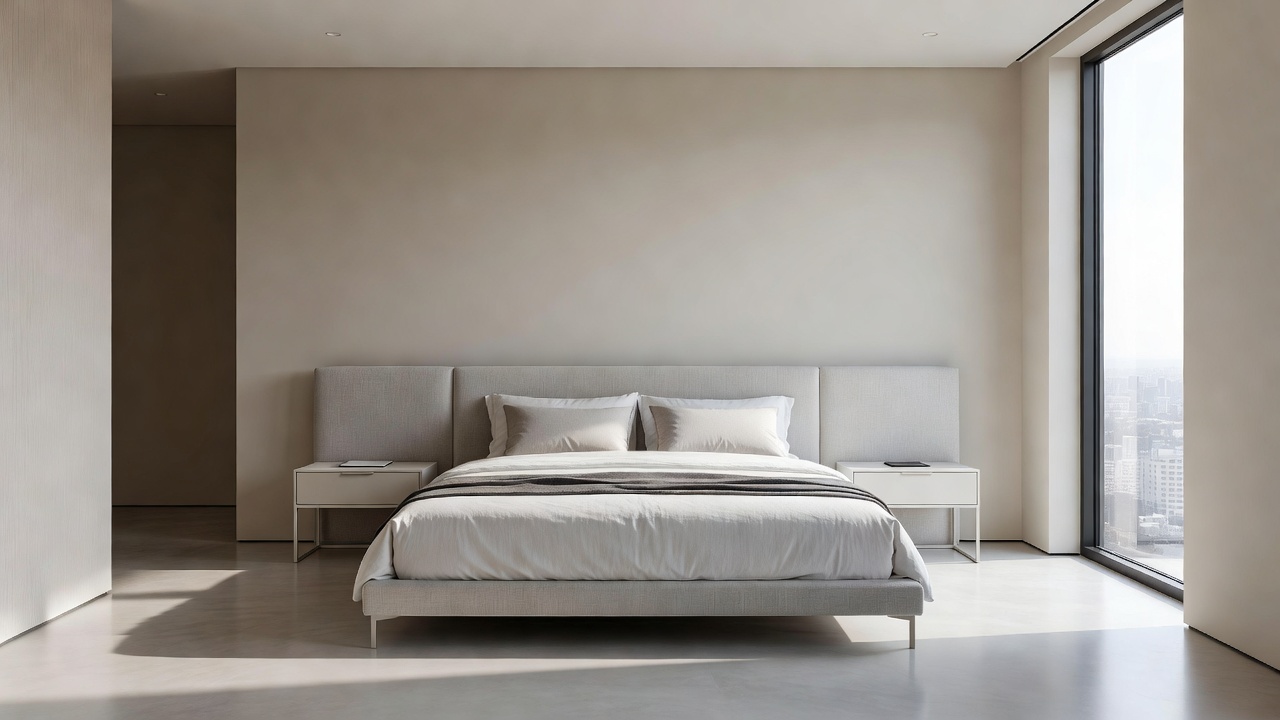
In one urban apartment renovation, homeowners selected a soft matte paint in warm greige tones for a serene, minimalist bedroom that reflected natural light beautifully and created an airy atmosphere. The project took two days and allowed easy future color changes. Another suburban family home used textured grasscloth wallpaper on the main accent wall to add warmth, hide minor drywall imperfections, and establish a cozy retreat that complemented their wooden furnishings. Both projects demonstrate how thoughtful material choices enhance daily living.
Decision-Making Framework
Evaluate your budget, desired longevity, DIY skill level, and how long you plan to stay in the home. Paint suits those who enjoy frequent refreshes or have limited experience, while wallpaper excels when creating a lasting statement look. Factor in removal ease if future updates are likely, and consider how each option interacts with your bedroom's natural light and ventilation.
Mistakes to Avoid
Common errors include skipping surface preparation, which leads to poor adhesion, or selecting overly bold patterns without testing samples first. Never rush installation—proper drying and alignment prevent visible flaws. Avoid mixing incompatible products and always follow manufacturer guidelines for best results.
FAQ
How do I remove old wallpaper without damaging walls?
Score the surface lightly with a scoring tool, apply a commercial removal solution or hot water mixture, and scrape gently in sections. Steamers can accelerate the process on stubborn adhesives while protecting drywall.
Which option is better for people with allergies?
Low-VOC or zero-VOC paint is often preferable because it reduces airborne particles. Check current recommendations from EPA for indoor air quality best practices.
Can I mix paint and wallpaper successfully?
Yes, many successful 2026 designs feature both materials for layered visual interest and cost efficiency. Use wallpaper on one wall and paint on the remaining surfaces for balance.
How long does each option typically last in a bedroom?
Quality paint lasts five to ten years with proper care, while well-installed wallpaper often endures ten to fifteen years before showing signs of wear.
Are there eco-friendly choices available?
Both paint and wallpaper lines now offer sustainable options made from recycled or natural fibers. Look for certifications when shopping.
Conclusion
Both paint and wallpaper offer distinct advantages for 2026 bedroom upgrades. Evaluate your priorities using the frameworks above to achieve a beautiful, functional, and lasting result. For additional inspiration on current interior trends, explore resources from Architectural Digest.
No comments yet. Be the first!