 Fixated on Home
Introduction
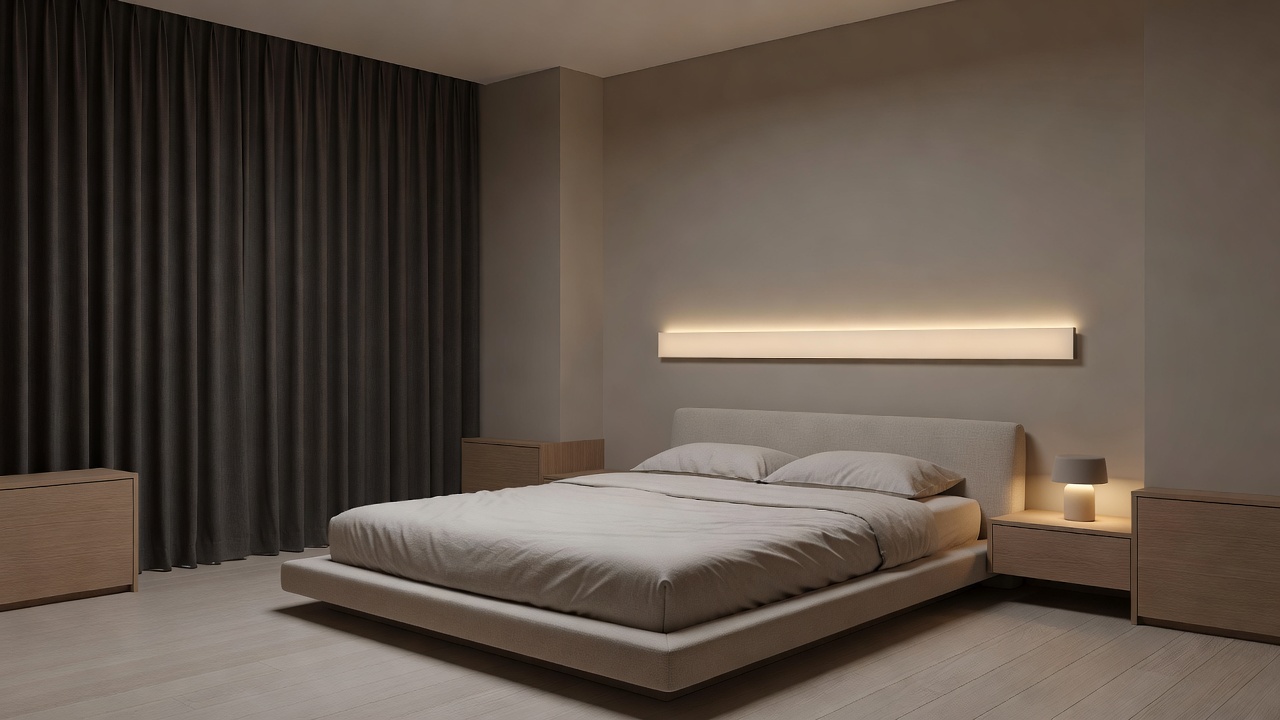
Shift workers often struggle with sleep due to schedules that clash with natural daylight patterns. In 2026, bedroom design offers targeted upgrades focused on light control, smart layouts, and supportive environments to promote consistent rest. This comprehensive guide covers practical strategies for optimizing sleep spaces in modern homes, drawing from real-world applications and evidence-based approaches to help night-shift professionals achieve better recovery.
Understanding Shift Work Sleep Challenges
Irregular hours disrupt the body's internal clock, known as the circadian rhythm, which regulates sleep-wake cycles. This misalignment can lead to chronic fatigue, reduced cognitive function, and long-term health concerns. Effective bedroom design counters these issues by creating a controlled sanctuary that mimics nighttime conditions during daytime sleep periods. Research from authoritative sources highlights how environmental factors like light exposure play a critical role in sleep quality for those on rotating shifts.
Advanced Light-Blocking Techniques
Complete darkness is essential for melatonin production. Start by evaluating windows for gaps using a simple flashlight test at night. Layered treatments such as blackout curtains over cellular shades or roller blinds provide superior results. For permanent installations, consider motorized systems that seal edges tightly. Renters benefit from tension rods with side channels or adhesive blackout films that remove cleanly. These methods block up to 99 percent of external light, creating an artificial night regardless of the hour outside. 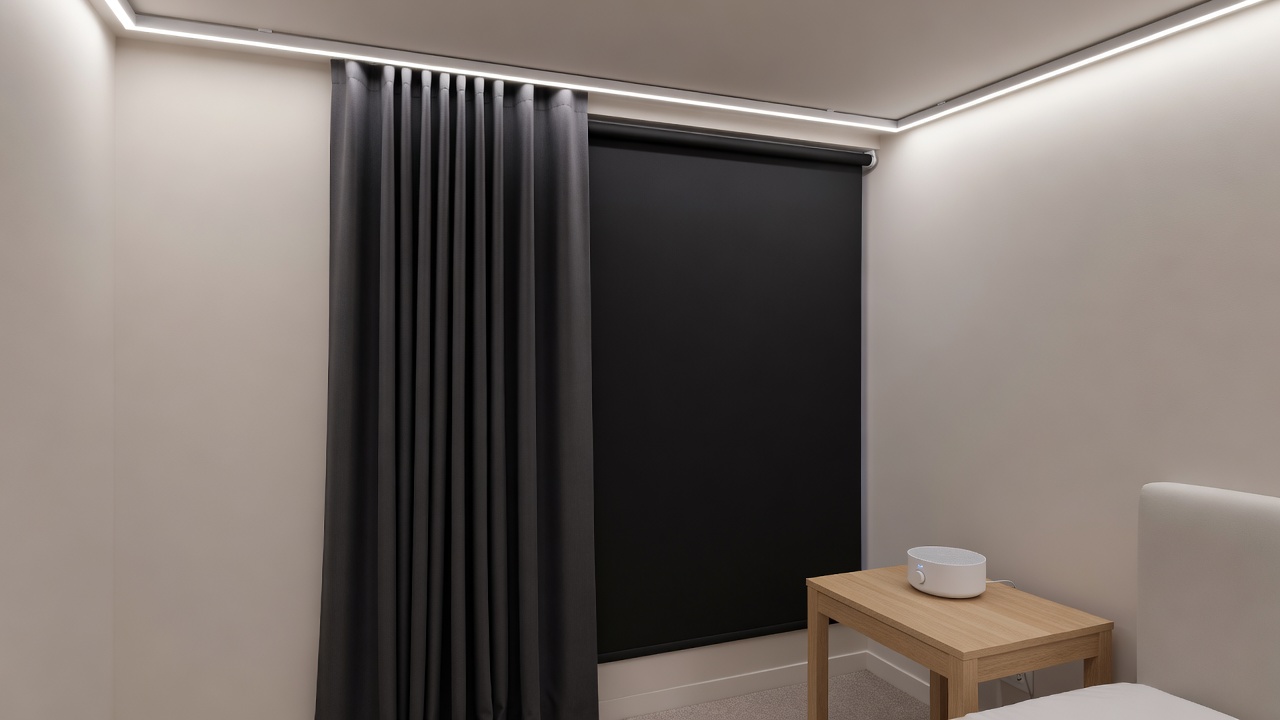
Comparing Light-Blocking Materials
- Blackout curtains: Versatile and available in various fabrics for aesthetic appeal, though they may need hemming for a perfect fit.
- Cellular shades: Offer dual benefits of light control and insulation, making them energy-efficient choices for varying climates.
- Window films: Cost-effective and temporary, ideal for apartments where structural changes are restricted.
- Custom shutters: Provide adjustable slats for precise control while adding architectural interest.
Circadian-Friendly Lighting Systems
Smart LED setups with tunable color temperatures support natural rhythm alignment. During wake periods, cool blue-enriched light boosts alertness, while warm amber tones signal wind-down time before sleep. Integration with voice assistants or apps allows scheduling based on personal shift patterns. Examples include bedside lamps that gradually dim and overhead fixtures with scene presets for different times of day. This technology helps mitigate the effects of artificial light pollution common in urban settings.
Strategic Furniture Layouts
Bed placement should prioritize distance from high-traffic areas like doors and windows. Position the headboard against a solid wall to reduce vibrations. Use room dividers or tall bookcases to separate sleep zones from storage or workspace elements. In smaller rooms, multifunctional furniture such as beds with built-in drawers maximizes space without clutter. Real-home examples show how angled layouts in rectangular bedrooms create better flow and minimize disruptions from household activity.
Noise Mitigation Strategies
Sound control is vital in shared living spaces or noisy neighborhoods. Install heavy drapes and acoustic panels on walls to absorb echoes. White noise machines or apps that generate steady background sounds mask intermittent disturbances like traffic or appliances. For advanced solutions, add weatherstripping to doors and windows, or consider soundproofing blankets over shared walls. Step-by-step, begin with identifying primary noise sources, then layer solutions starting with the most affordable options like earplugs before investing in structural changes.
Temperature Regulation Essentials
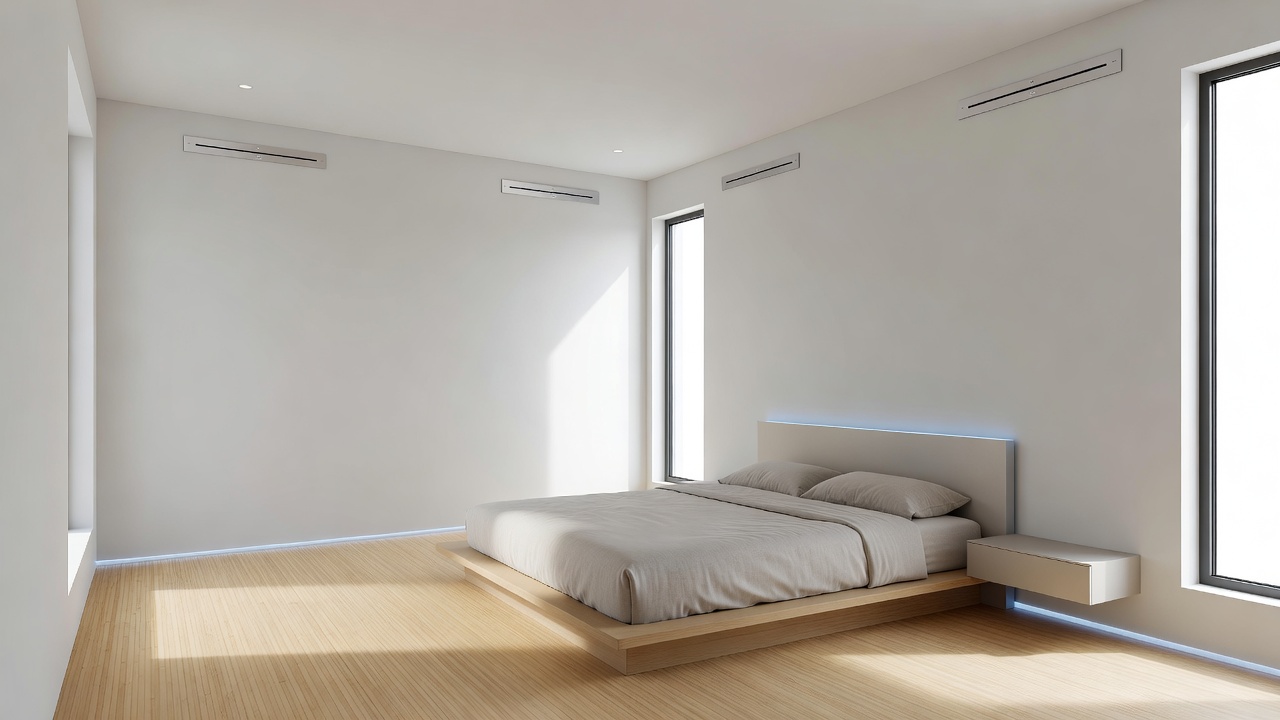
Optimal sleep occurs in cooler environments, typically between 60 and 67 degrees Fahrenheit. Programmable thermostats or smart fans maintain consistency. Breathable bedding materials such as cotton or bamboo help regulate body temperature. In homes without central air, portable air conditioners or ceiling fans with reverse settings provide targeted cooling. Monitoring humidity levels prevents discomfort, and examples from renovated shift-worker bedrooms demonstrate how zoned temperature controls improve sleep continuity across seasons.
Modular Storage That Adapts to Schedules
Flexible storage solutions accommodate changing routines without constant reorganization. Wall-mounted systems with adjustable shelves allow customization for work gear, sleep accessories, and personal items. Rolling carts or under-bed containers keep essentials accessible yet out of sight. This adaptability reduces visual clutter that can interfere with relaxation, supporting a calm atmosphere essential for irregular sleepers.
Step-by-Step Renovation Guide
- Conduct a full room assessment, noting light leaks, noise points, and current furniture placement.
- Measure windows precisely and select layered blackout treatments suited to your rental or ownership status.
- Install smart lighting with tunable features and test scheduling for both sleep and wake cycles.
- Reconfigure furniture to optimize flow and minimize disturbances, testing layouts with a trial sleep period.
- Incorporate noise and temperature controls, such as panels and fans, then evaluate effectiveness.
- Add modular storage elements and finalize with personal touches like calming decor.
- Perform a full 24-hour simulation to identify any remaining issues before finalizing the design.
Practical Examples from Real Homes
In one city apartment, a shift worker transformed a compact bedroom using blackout film on all windows combined with a modular wardrobe system that doubled as a sound barrier. Another suburban renovation featured circadian LED strips synced to shift patterns alongside acoustic wall panels, resulting in noticeably improved rest quality. These cases illustrate how combining multiple strategies yields the best outcomes for diverse home types.
Mistakes to Avoid
Common pitfalls include relying on single-layer curtains that allow light seepage or placing beds too close to electronics that emit blue light. Overlooking ventilation when adding insulation can lead to stuffy conditions. Always prioritize reversible options in rentals and test new elements gradually to avoid costly rework.
FAQ
How do I handle light from electronic devices?
Use red-tinted night lights and enable blue-light filters on all screens during pre-sleep routines.
What is the best way to manage family noise?
Establish shared quiet hours and layer solutions such as white noise machines with high-quality earplugs.
Can these upgrades work in small bedrooms?
Yes, focus on vertical storage and multi-functional pieces to maximize limited space effectively.
Conclusion
Implementing these 2026-focused bedroom upgrades empowers shift workers to create environments that support restorative sleep despite irregular hours. By addressing light, layout, noise, and temperature with practical, evidence-based methods, the results deliver meaningful improvements in daily well-being. For further reading, consult resources from Sleep Foundation and Mayo Clinic, along with guidance available at CDC.
No comments yet. Be the first!