 Fixated on Home
Introduction to Bedroom Design and Mental Wellness
Bedroom design extends far beyond aesthetics in 2026 homes, directly influencing mental wellness and daily mood. Research in environmental psychology shows that thoughtfully arranged spaces can lower stress levels and promote better sleep. This guide covers color psychology applications, furniture arrangements that reduce anxiety, and sensory integrations like texture and scent. Homeowners seeking modern upgrades will find practical steps, layout comparisons, and quick renovation ideas to create mood-boosting environments. Understanding these principles allows you to transform a simple sleeping area into a supportive sanctuary that enhances emotional resilience throughout the year.
Color Psychology Applications for Calming Bedrooms
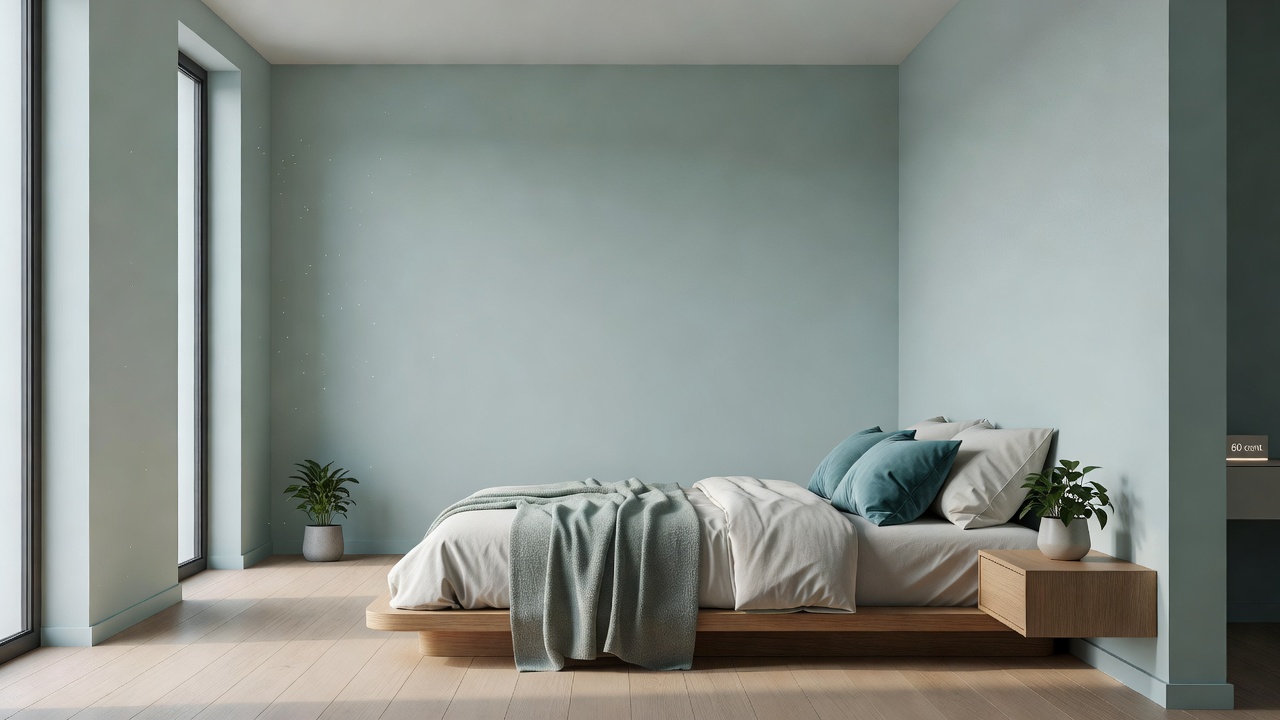
Color choices in bedroom design significantly affect emotional states. Soft blues and greens evoke tranquility by mimicking natural environments, while warm neutrals provide grounding without overstimulation. Avoid high-contrast or overly vibrant hues that may increase alertness at bedtime. For instance, painting walls in muted sage green can foster relaxation, as supported by principles from the American Psychological Association. When selecting palettes, test samples in different lighting to ensure the mood aligns with your goals throughout the day. Consider how morning sunlight interacts with cool tones versus evening artificial lights, which can shift perceived warmth. Layering accent colors through pillows or art allows subtle personalization without overwhelming the primary calming scheme. Studies indicate that consistent exposure to these hues over weeks can measurably decrease reported anxiety levels in residential settings.
Furniture Arrangement Strategies to Reduce Anxiety
Strategic furniture placement minimizes visual clutter and creates a sense of security. Position the bed against a solid wall with clear sightlines to the door, following principles of environmental control that enhance feelings of safety. Avoid blocking pathways or crowding corners, which can heighten subconscious stress. In smaller rooms, opt for multi-functional pieces like storage beds to maintain openness. This layout approach draws from studies on spatial psychology, helping homeowners transform chaotic spaces into serene retreats. Experiment with floating nightstands or wall-mounted shelves to free floor space and improve circulation. Ensure at least 60 centimeters of clearance around the bed for easy movement, reducing physical frustration that compounds mental fatigue. Real-world applications show that such rearrangements often lead to quicker sleep onset and fewer nighttime awakenings.
Integrating Sensory Elements: Texture, Scent, Lighting and Sound
Textures and scents add layers to bedroom design that support emotional health. Layer soft linens, plush rugs, and woven throws to engage tactile senses and promote comfort. For scents, incorporate subtle essential oil diffusers with lavender or chamomile to encourage relaxation without overwhelming the space. These elements work together to create a multi-sensory environment that reinforces positive mood shifts. Extend this approach with lighting psychology by using warm, dimmable LEDs that mimic sunset tones to signal wind-down time. Incorporate gentle sound elements such as white noise machines or soft fabric panels to dampen external disturbances. 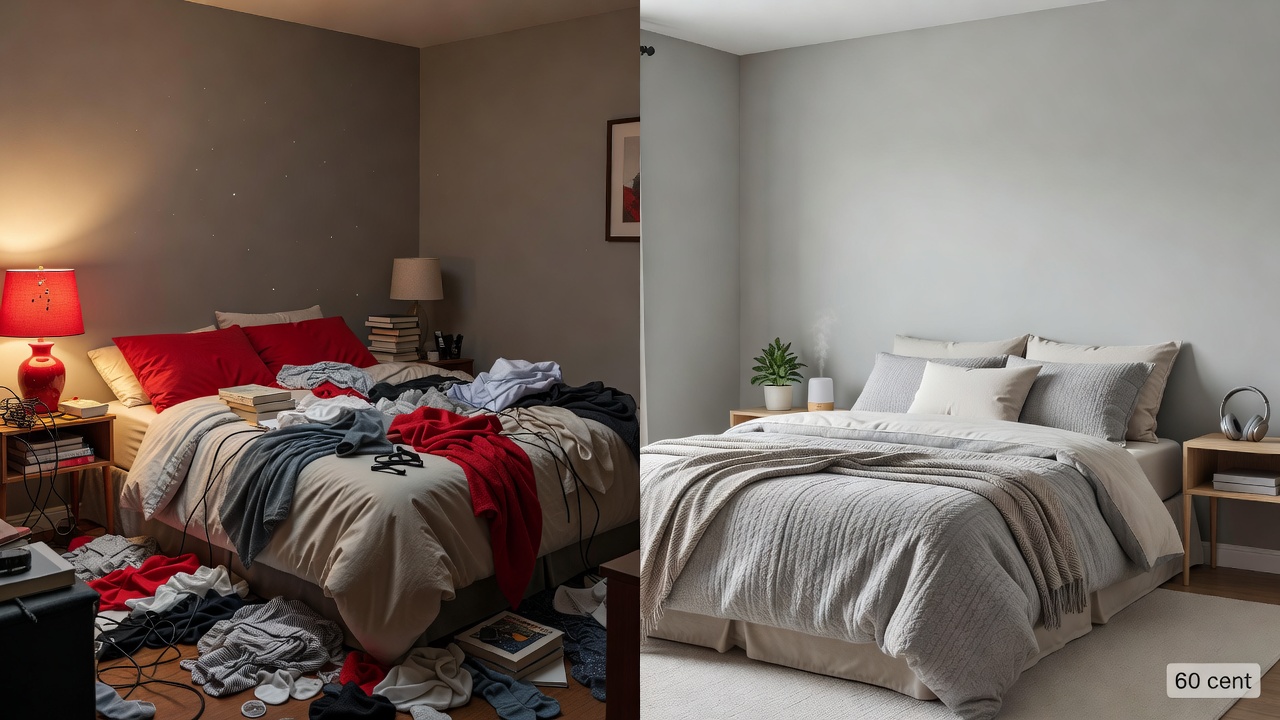
Practical Steps for Assessing Your Current Bedroom Space
Begin by evaluating your existing layout with these steps:
- Measure room dimensions and note natural light sources, including window orientations and seasonal variations.
- Identify stress points like clutter zones or awkward furniture placements that disrupt flow.
- Document current colors, textures, and scents affecting your mood through a simple daily journal.
- Experiment with temporary rearrangements using apps or sketches before committing to permanent changes.
- Consult a mood journal to track how changes impact daily feelings over one week, noting energy levels upon waking.
- Evaluate storage solutions to minimize visible items that contribute to cognitive overload.
This assessment ensures targeted renovations that address personal needs rather than generic trends, providing a foundation for sustainable improvements.
Before-and-After Examples of Mood-Boosting Transformations
Consider a typical urban bedroom: before, a cluttered layout with a central bed and bright red accents led to restless nights and morning irritability. After repositioning the bed against the wall, switching to cool blue tones, and adding layered textures, the space became a calming haven that improved sleep consistency. Another example involves a suburban master suite where scent integration via fresh plants and strategic lighting replaced artificial fragrances, resulting in improved morning energy and reduced evening anxiety. A third case featured a compact studio apartment that used modular furniture and acoustic panels to create distinct zones, transforming feelings of confinement into cozy security. These real-world shifts demonstrate how small psychology-informed changes yield noticeable emotional benefits across diverse home types.
Comparisons of Common Bedroom Layouts
Compare these popular setups for anxiety reduction:
- Traditional centered bed: Offers symmetry but can feel enclosed in small rooms; best for larger spaces with ample natural light and multiple windows.
- Wall-aligned bed with nightstands: Maximizes floor space and promotes security; ideal for modern minimalist homes seeking efficient flow.
- Corner-focused layout: Creates cozy nooks but risks limiting movement; suitable when paired with strategic lighting and minimal additional furniture.
Evaluate your room size and lifestyle to select the option that best supports mental wellness, considering factors like door placement and storage needs.
Mistakes to Avoid in Psychology-Informed Bedroom Design
Common pitfalls include overusing bold colors that disrupt sleep cycles or placing mirrors directly opposite the bed, which can create unsettling reflections. Another frequent error is neglecting airflow and ventilation, leading to stuffy environments that counteract relaxation efforts. Avoid cramming too many sensory elements at once, as overload can increase rather than decrease stress. Prioritize gradual implementation to allow psychological adaptation.
Quick-Win Renovation Ideas for 2026 Homes
Implement these accessible changes: swap bedding for breathable, textured fabrics; introduce potted plants for natural air purification and visual calm; rearrange lamps to create layered, dimmable lighting. These ideas require minimal investment yet deliver immediate mood enhancements through psychology-backed design principles.
Long-Term Maintenance for Sustained Mood Benefits
Regularly reassess your space every few months to refresh elements that may lose impact over time. Rotate textures seasonally and maintain scent diffusers with consistent refills. Monitor how lifestyle changes, such as new work-from-home habits, affect the room's functionality and adjust layouts accordingly for ongoing emotional support.
FAQ: Common Misconceptions and Expert Answers
Does bedroom color really affect mood?
Yes, evidence from environmental psychology confirms that specific hues influence emotional responses and sleep quality, with effects observable within days of consistent exposure.
Are expensive renovations necessary for better mental wellness?
No, many effective changes like layout tweaks and scent additions are low-cost and focus on thoughtful application of design principles rather than high budgets.
How long does it take to notice mood improvements?
Many homeowners report positive shifts within days of implementing changes, though consistent use of the space amplifies benefits over weeks and months.
Can small apartments benefit from these psychology principles?
Absolutely, even compact spaces can apply scaled-down versions of color, arrangement, and sensory strategies to achieve similar anxiety-reducing outcomes.
Conclusion
Applying psychology to bedroom design empowers homeowners to create spaces that actively support emotional health. By focusing on color, arrangement, and sensory details, 2026 homes can become true sanctuaries. Start with small assessments and build toward comprehensive updates for lasting mood-boosting results.
No comments yet. Be the first!