 Fixated on Home
Introduction to Budget Craft Room Renovations
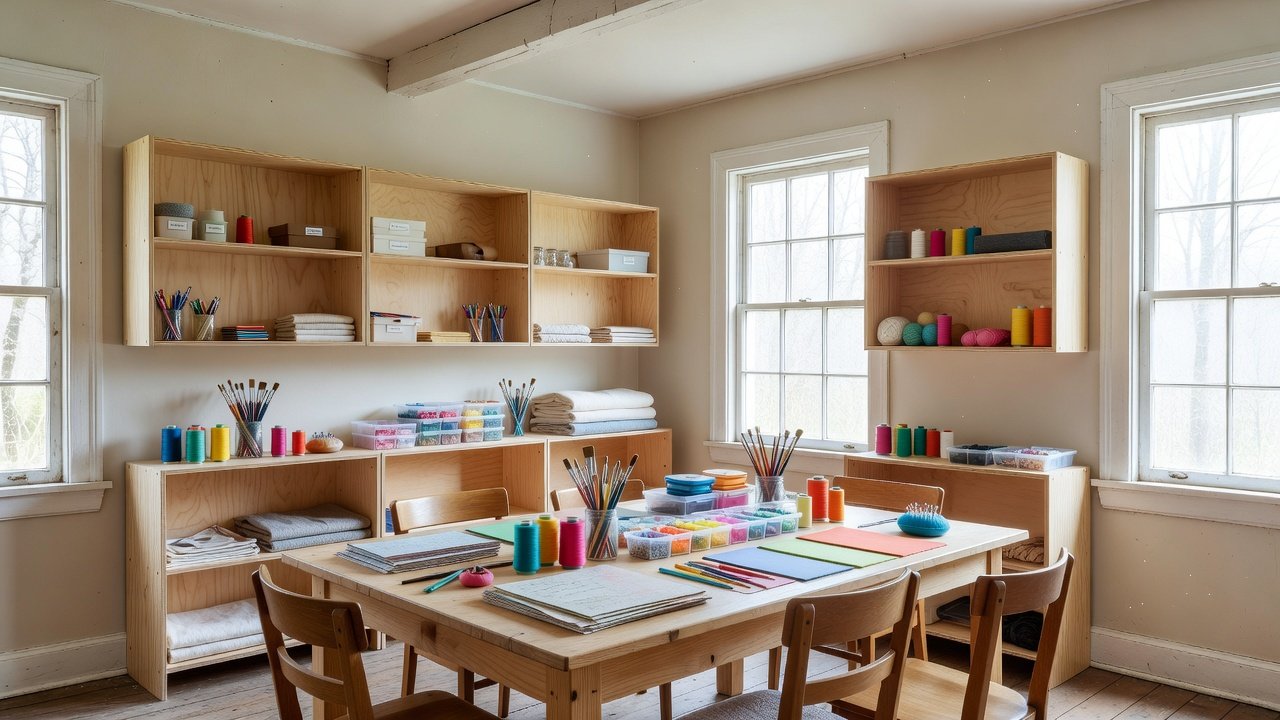
Transforming unused areas into a functional craft room on a tight budget is achievable with smart fixer-upper strategies. In 2026, homeowners seek versatile spaces that support creativity without breaking the bank. This guide covers everything from initial assessment to final touches, incorporating 2026 trends like modular furniture for easy reconfiguration. Whether you have a spare bedroom, basement corner, or attic nook, careful planning ensures the space meets your crafting needs while staying affordable. Many people overlook how small changes can yield professional results, turning cluttered areas into inspiring hubs for sewing, painting, scrapbooking, or woodworking.
Assessing Your Space for Maximum Potential
Start by evaluating available rooms such as spare bedrooms, basements, or attics. Measure dimensions accurately with a tape measure, noting natural light sources, electrical outlets, and potential ventilation issues. Consider traffic flow for multiple users and identify any structural concerns like uneven floors or moisture. A thorough assessment prevents costly mistakes later. For instance, a south-facing room might need shading solutions to prevent fading of fabrics, while a basement could require dehumidifiers for paper crafts. Walk through the space at different times of day to understand lighting variations and plan accordingly.
Affordable Material Swaps Under Budget Constraints
Focus on cost-effective replacements like peel-and-stick wallpaper instead of full repainting, or reclaimed wood for shelving. Swap outdated fixtures with thrift store finds refreshed with new hardware. These swaps maintain style while keeping expenses low. Explore options such as using contact paper on cabinets, adding fabric-covered panels for sound absorption, or installing affordable LED strip lights under shelves. Compare material durability by checking reviews and testing samples at home improvement stores. Repurposing old doors as tabletops or using pallet wood for organizers adds character without high costs.
Smart Storage Hacks for Organized Creativity
Implement vertical storage with wall-mounted pegboards and over-door organizers. Use clear bins for visibility and rolling carts for mobility. Repurpose old furniture like dressers into supply stations. These hacks maximize small spaces efficiently. Additional ideas include magnetic strips for tools, labeled mason jars for small items, and tension rod systems for hanging fabric rolls. Create zones for different supplies to streamline workflow, such as separating paints from textiles. Over time, these systems reduce clutter and make projects more enjoyable.
Step-by-Step Layout Plans
1. Sketch zones for different crafts on graph paper.
2. Position work surfaces near windows for natural light.
3. Allocate storage near activity areas to minimize movement.
4. Ensure pathways remain at least three feet wide for safety.
5. Test the layout with temporary furniture before permanent installation.
6. Incorporate multi-use furniture like fold-down tables.
7. Plan for future expansion by leaving buffer space.
Before-and-After Transformation Examples
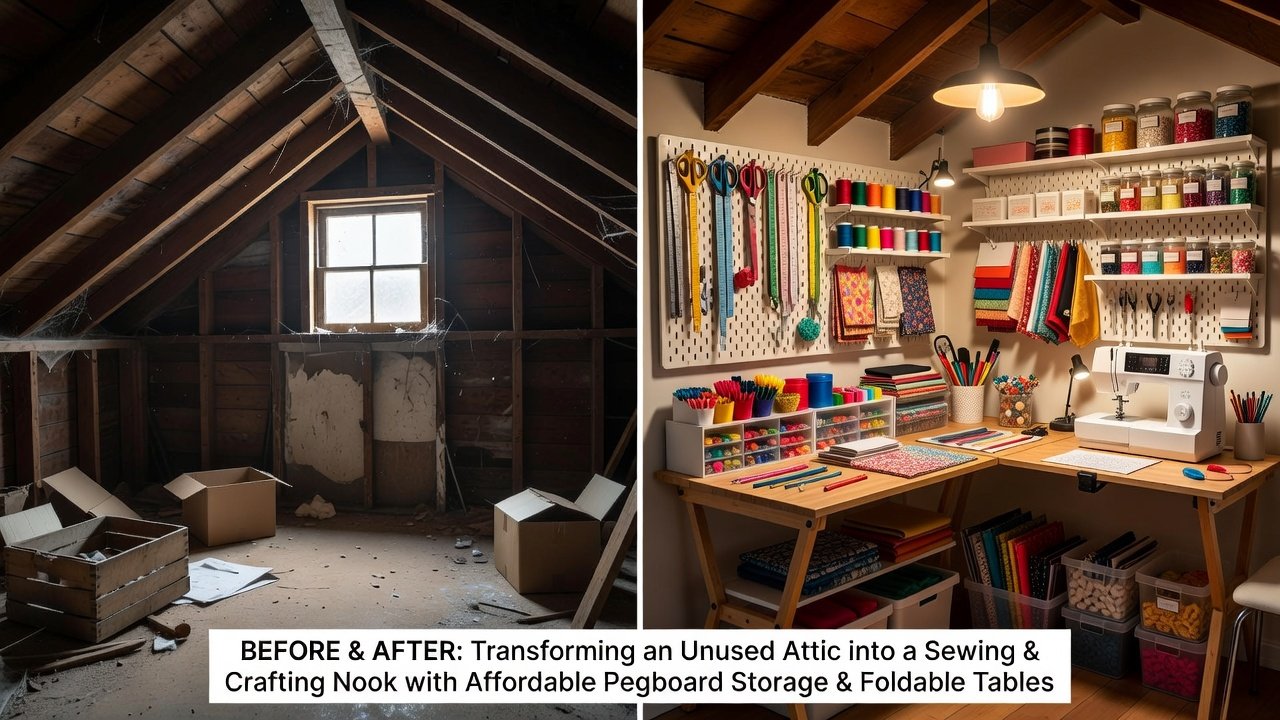
One example converted a cluttered garage corner into a bright sewing nook using modular units and LED lighting. Another turned an attic into a painting studio with affordable flooring overlays and custom-built tables from basic lumber. A third project transformed a small closet into a jewelry-making station with hanging organizers and a foldable work surface. These transformations highlight how targeted changes create functional spaces. Document your own before photos to track progress and inspire future adjustments.
DIY Versus Store-Bought Solutions: Cost Comparisons
DIY approaches often yield savings through customization, while store-bought items provide convenience and warranties. Weigh factors like time investment and skill level when deciding. For example, building your own shelves from lumber can be cheaper than purchasing pre-made units, but ready-made modular systems save time. Resources from sites like IKEA offer hybrid options blending both methods. Consider long-term value, including maintenance and resale potential of the home.
Common Remodeling Pitfalls to Avoid
- Overlooking proper lighting needs, which can strain eyes during detailed work.
- Skipping moisture checks in basements, leading to mold issues.
- Ignoring ergonomic workspace design, causing back or wrist pain.
- Underestimating storage requirements, resulting in ongoing clutter.
- Failing to secure heavy items properly, creating safety hazards.
- Neglecting ventilation when using adhesives or paints.
2026 Trend Notes: Modular Furniture for Versatility
Embrace modular pieces that adapt as needs change, such as stackable units or foldable tables. This trend supports sustainability and flexibility in evolving homes. Explore options at Houzz for inspiration. Other emerging ideas include multi-functional islands on wheels and eco-friendly materials like bamboo composites. These allow crafters to reconfigure the room seasonally without major renovations.
Practical Checklist for Material Sourcing
- Inventory current supplies to identify gaps.
- Research local salvage yards and estate sales.
- Compare online bulk deals from reliable retailers.
- Verify material durability ratings and warranties.
- Plan for future expansions with scalable purchases.
- Check for seasonal sales at major home stores.
- Consult community forums for local recommendations.
Additional Considerations: Lighting, Flooring, and Safety
Layer lighting with overhead fixtures, task lamps, and natural light enhancers like mirrors. For flooring, choose durable yet affordable options such as vinyl planks or area rugs that protect existing surfaces. Safety includes installing smoke detectors, securing cords, and using non-toxic finishes. These elements ensure the craft room remains practical and hazard-free over years of use.
Frequently Asked Questions
How do I source materials affordably?
Check community marketplaces, estate sales, and clearance sections at major retailers for quality finds. Visit sites like Home Depot for current deals on basics.
What if my space has limited natural light?
Incorporate layered lighting with task lamps and mirrors to amplify brightness without major electrical work.
Are modular systems worth the investment?
Yes, they offer long-term adaptability, reducing the need for future renovations and allowing seasonal updates.
How can I maintain the space long-term?
Schedule regular decluttering sessions and rotate supplies to prevent dust buildup on unused items.
Conclusion
With careful planning and creative budgeting, any fixer-upper can become an inspiring craft room. Apply these strategies to enjoy a personalized space that fuels creativity in 2026 and beyond. Start small with one section and build from there for sustainable results.
No comments yet. Be the first!