 Fixated on Home
Introduction to Budget Fence Renovations for Fixer-Uppers
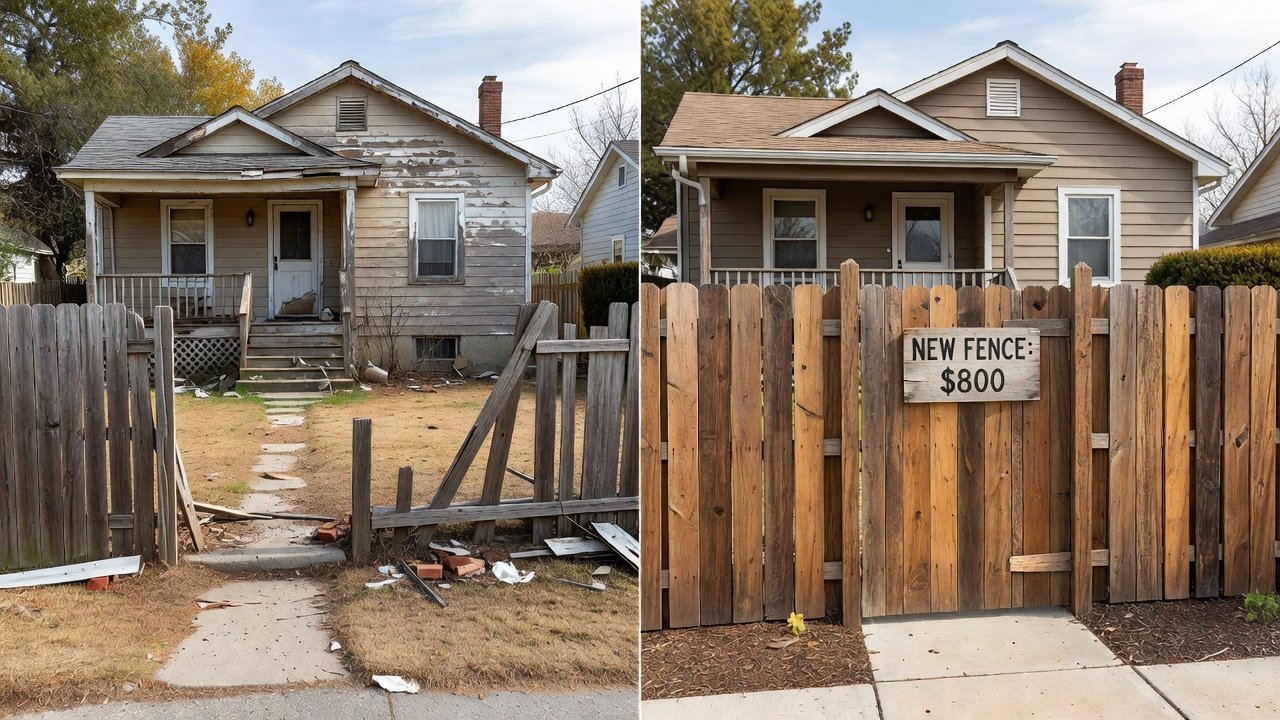
Homeowners tackling fixer-uppers often face the challenge of improving outdoor boundaries without overspending. In 2026, budget fence reno ideas focus on privacy, curb appeal, and durability while keeping projects affordable. These strategies help transform neglected yards into welcoming spaces that boost property value and create functional outdoor areas for families and pets.
Whether you're dealing with an aging chain-link fence or a sagging wooden structure, affordable upgrades can make a dramatic difference. This guide covers practical material options, step-by-step processes, sourcing tips, and smart integrations tailored for DIY enthusiasts. By focusing on reclaimed or low-maintenance options, you can achieve professional-looking results without hiring contractors.
Fixer-uppers benefit especially from these approaches because they allow incremental improvements that match the pace of other home renovations. Starting with fence work also sets the stage for future landscaping and patio additions.
Material Swaps: Reclaimed Wood vs Vinyl Panels
Choosing the right materials is crucial for cost-effective results. Reclaimed wood offers rustic charm and sustainability, often sourced from local salvage yards or deconstructed buildings. It provides excellent privacy when installed with tight spacing and can be treated for longevity. Many DIYers appreciate the unique character each board brings, turning imperfections into design features.
Vinyl panels, on the other hand, deliver low-maintenance appeal with resistance to rot and insects. They come in various styles that mimic wood grain and install quickly. For fixer-uppers, reclaimed wood typically wins for natural aesthetics, while vinyl excels in ease of upkeep and color consistency over time.
Compare the two by considering your climate and maintenance tolerance. Reclaimed wood may require more initial sealing, whereas vinyl holds up better in harsh weather without frequent treatments. Additional options like composite panels blend both worlds but may require checking local availability. Sourcing reclaimed wood involves visiting reclamation centers or online marketplaces for free or low-cost lumber from old barns and fences.
Essential Tools and Preparation for DIY Success
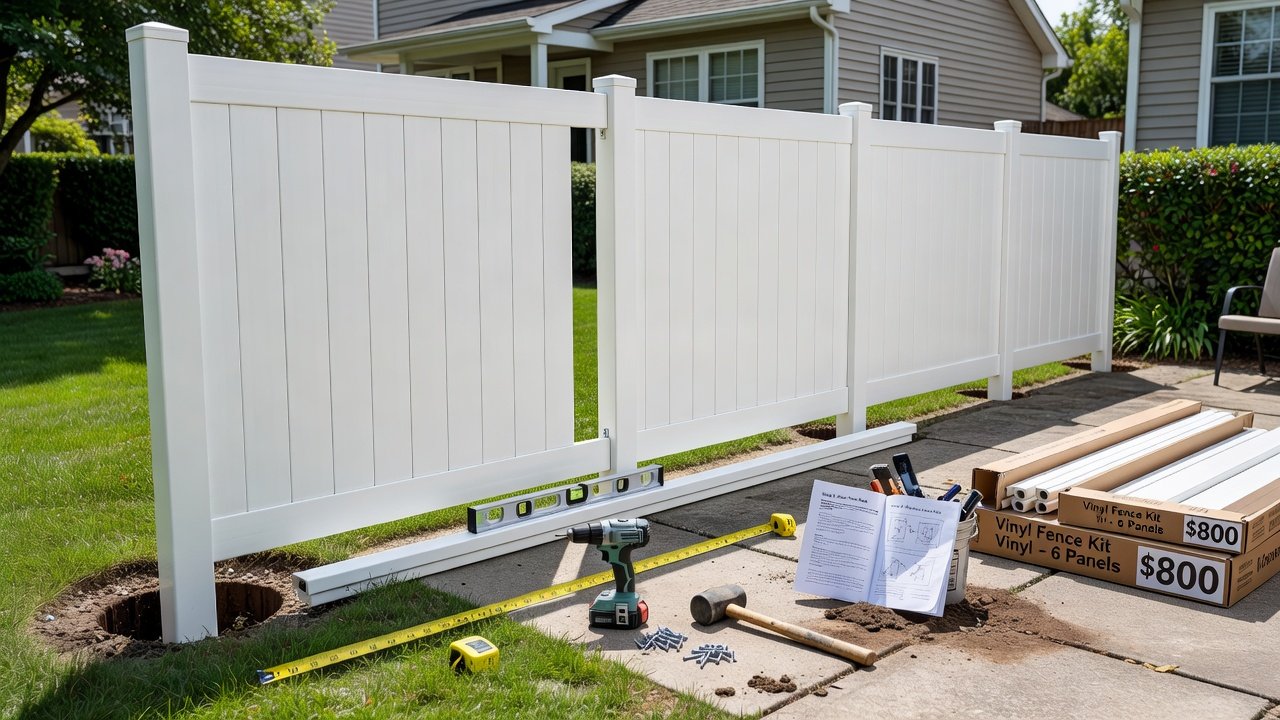
Before beginning any fence project, gather the right tools to ensure efficiency and safety. Basic items include a post-hole digger, level, circular saw, hammer or nail gun, measuring tape, and concrete mix for footings. For vinyl work, you may also need a miter saw and rubber mallet.
Preparation starts with a thorough site survey. Walk the property line with a neighbor if possible to confirm boundaries. Clear vegetation, remove old fencing debris, and plan for drainage to prevent water pooling. This upfront work prevents costly rework later.
Step-by-Step DIY Installation Guides
DIY fence installation empowers homeowners to save on labor costs. Begin by measuring your property line accurately and checking local regulations. Clear the area of debris and mark post locations every six to eight feet.
- Dig post holes to a depth of at least 24 inches and set concrete footings for stability, allowing them to cure fully before proceeding.
- Attach rails or panels once posts are secure, ensuring level alignment throughout the entire run.
- Finish with weatherproofing coats on wood or simple cleaning for vinyl surfaces, and install gates with proper hinges and latches.
Always use quality fasteners and level tools to avoid future repairs. Safety gear like gloves, goggles, and sturdy boots is essential during the process. For longer runs, work in sections to maintain accuracy and reduce fatigue.
Budget-Friendly Approaches and Comparisons
Projects stay affordable by prioritizing reclaimed or discounted materials and tackling smaller sections first. Focus on high-impact areas like the front yard before expanding to side and back boundaries. This phased approach spreads costs while delivering visible improvements quickly.
Weatherproofing Techniques for Longevity
Protect your investment with proper sealing. Apply exterior-grade stains or sealants to wood every two years to prevent moisture damage. For vinyl, ensure proper drainage around posts to avoid pooling water. Additional techniques include using pressure-treated posts at ground level and adding cap rails to shed rainwater effectively.
These steps extend fence life significantly in varying climates. Learn more from authoritative sources like the EPA on sustainable outdoor materials and the HUD for home improvement best practices.
Neighbor-Friendly Design Options
Design choices that respect shared boundaries include lattice tops for airflow and greenery integration. Avoid tall solid barriers that could cause disputes; instead, opt for styles that allow light while maintaining privacy. Before-after examples from 2026 projects show how subtle additions like climbing vines or painted accents enhance appeal without conflict.
Integrating Smart Locks or Lighting
Enhance functionality by adding solar-powered lighting along fence lines for security and ambiance. Smart locks on gate access points integrate seamlessly with home systems, providing convenience for fixer-upper owners exploring energy-efficient upgrades. Consider motion-sensor lights that double as deterrents for wildlife or intruders.
Before-and-After Examples from Real 2026 Projects
Real-world transformations highlight the impact: one suburban fixer-upper swapped a broken chain-link fence for reclaimed wood panels, achieving enhanced privacy and visual warmth that complemented the home's vintage character. Another vinyl upgrade on a tight budget created a clean, modern boundary that complemented the home's exterior and reduced ongoing maintenance needs.
A third example involved adding smart lighting to an existing wood fence, turning a basic boundary into a nighttime feature that increased evening usability of the yard. These cases demonstrate how small, targeted changes deliver outsized results for curb appeal.
FAQ on Permits and Maintenance
Do I need permits for fence renovations?
Many areas require permits for fences over a certain height. Check with your local building department before starting to avoid fines and ensure compliance with zoning rules.
How often should I maintain my new fence?
Inspect annually for damage and reapply sealants as needed. Vinyl requires minimal effort beyond occasional washing with mild soap.
What are common mistakes to avoid?
- Skipping site surveys leading to property line issues.
- Using untreated materials in wet climates.
- Overlooking neighbor input on shared boundaries.
- Ignoring soil conditions when setting posts.
When is the best time to install a new fence?
Early spring or fall often works best to avoid extreme temperatures that affect concrete curing or material handling.
Conclusion
Budget fence reno ideas empower fixer-upper homeowners to achieve privacy and curb appeal affordably. By focusing on smart material choices, thorough DIY methods, protective techniques, and thoughtful integrations, these projects deliver lasting value. Start small, plan carefully, and enjoy the transformed outdoor space in 2026 and beyond.

No comments yet. Be the first!