 Fixated on Home
Introduction to Budget Renovations for Rental Fixer-Uppers
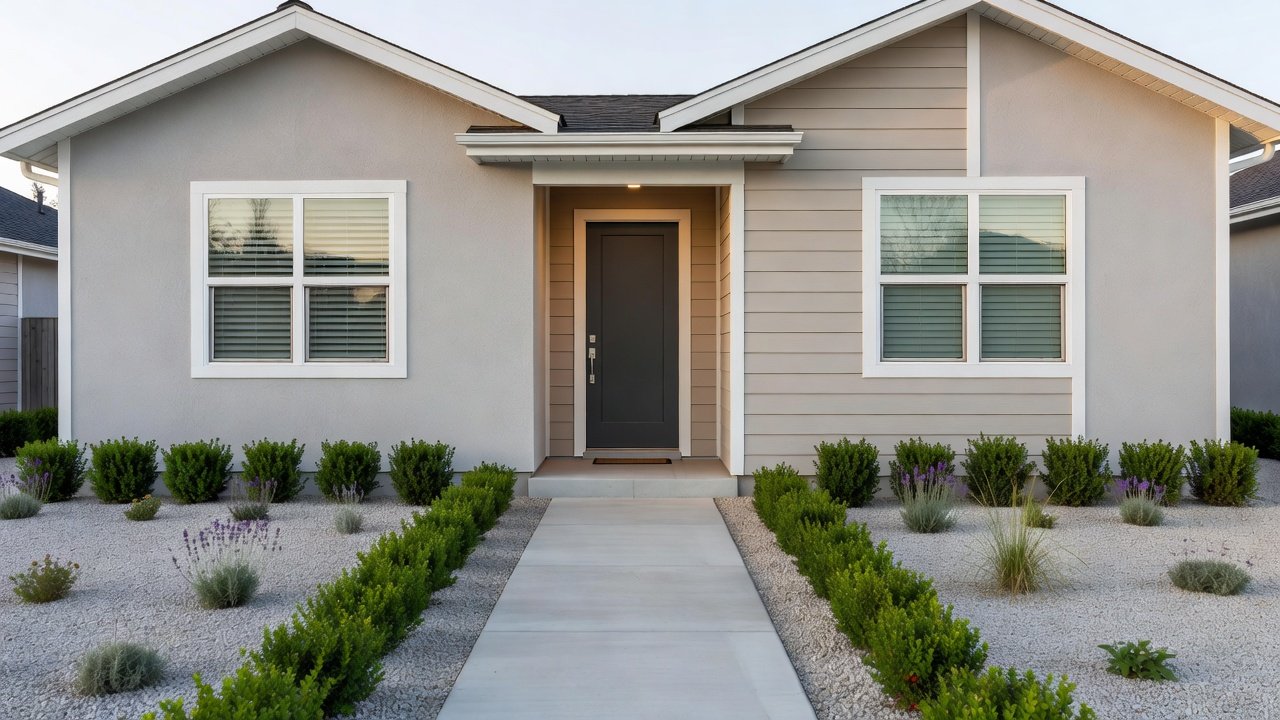
Landlords entering 2026 face a competitive rental market where affordable upgrades can significantly increase property appeal and rental income. This guide focuses on cost-effective ways to transform fixer-upper properties into tenant-ready homes. By prioritizing high-impact, low-cost changes, property owners can achieve faster turnovers and stronger returns without overspending. Many new landlords discover that strategic planning around material choices and phased work prevents common oversights that inflate budgets. Effective planning starts with understanding tenant preferences for durable, modern spaces. Neutral color schemes and subtle smart features top the list for broad appeal. These choices reduce vacancy periods while keeping maintenance low. Successful landlords also track local market demands, such as preferences for energy-efficient features that appeal to environmentally conscious renters. Thorough preparation includes reviewing comparable rental listings to identify which upgrades deliver the strongest differentiation without unnecessary expense.
Material Sourcing Hacks for Maximum Savings
Smart sourcing begins with local suppliers and online marketplaces that offer bulk discounts on quality materials. Focus on items like paint, flooring, and fixtures that deliver visual impact. Reusing existing structures where possible, such as cabinets with new hardware, further trims expenses. Always verify material durability for high-traffic rental use to avoid repeat replacements. Additional tactics include visiting salvage yards for gently used doors and trim, negotiating with wholesalers for end-of-line stock, and comparing prices across multiple online platforms before committing. Landlords who establish relationships with regional suppliers often receive advance notice of clearance events. Choosing versatile materials that work across multiple property types also maximizes long-term value from each purchase.
Quick-Flip Renovation Steps
Start with a thorough property assessment to identify structural issues before cosmetic work. Follow a phased approach: address safety first, then focus on kitchens and bathrooms, and finish with living areas. This sequence ensures compliance and maximizes visual transformation. Document each phase with photos for future reference and potential tax benefits. Begin by clearing debris and testing all systems including plumbing and electrical. Next, handle any necessary repairs to walls and ceilings before applying finishes. Kitchen updates typically involve cabinet refreshes rather than full replacements, while bathrooms benefit from new vanities and lighting. Finally, complete exterior touches such as pressure washing and minor landscaping to create strong first impressions. Each step should include a quick quality check to confirm work meets rental standards for longevity.
HUD guidelines provide valuable insights into safe renovation practices for residential properties.
ROI Comparison: DIY Versus Hiring Contractors
DIY projects often yield higher net returns for simple tasks like painting and minor repairs. However, complex electrical or plumbing work benefits from professional handling to prevent costly errors. Weigh time investment against skill level when deciding. Many landlords find a hybrid model—handling finishes themselves while outsourcing core systems—strikes the best balance for rental properties. When evaluating options, consider not only direct labor costs but also the time required to learn new skills and the risk of delays. DIY approaches excel when the landlord has prior experience and can dedicate full days to the project. Contractor involvement becomes preferable for work requiring permits or specialized tools. Tracking results from previous renovations helps refine future decisions and improve overall portfolio performance.
Tenant-Friendly Upgrades That Attract Renters
Focus on improvements that enhance daily living without increasing maintenance demands. Examples include installing durable vinyl plank flooring, energy-efficient lighting, and easy-clean countertops. These choices appeal to families and professionals alike while standing up to regular wear. Additional tenant-friendly additions involve adding storage solutions such as closet organizers and under-sink shelving. Low-maintenance window treatments like roller shades provide privacy without the fragility of curtains. Upgrading to lever-style door handles supports accessibility needs, and installing ceiling fans improves comfort year-round. Each upgrade should be evaluated for its ability to reduce tenant complaints and service calls over time.
Before-and-After Examples from Real Properties
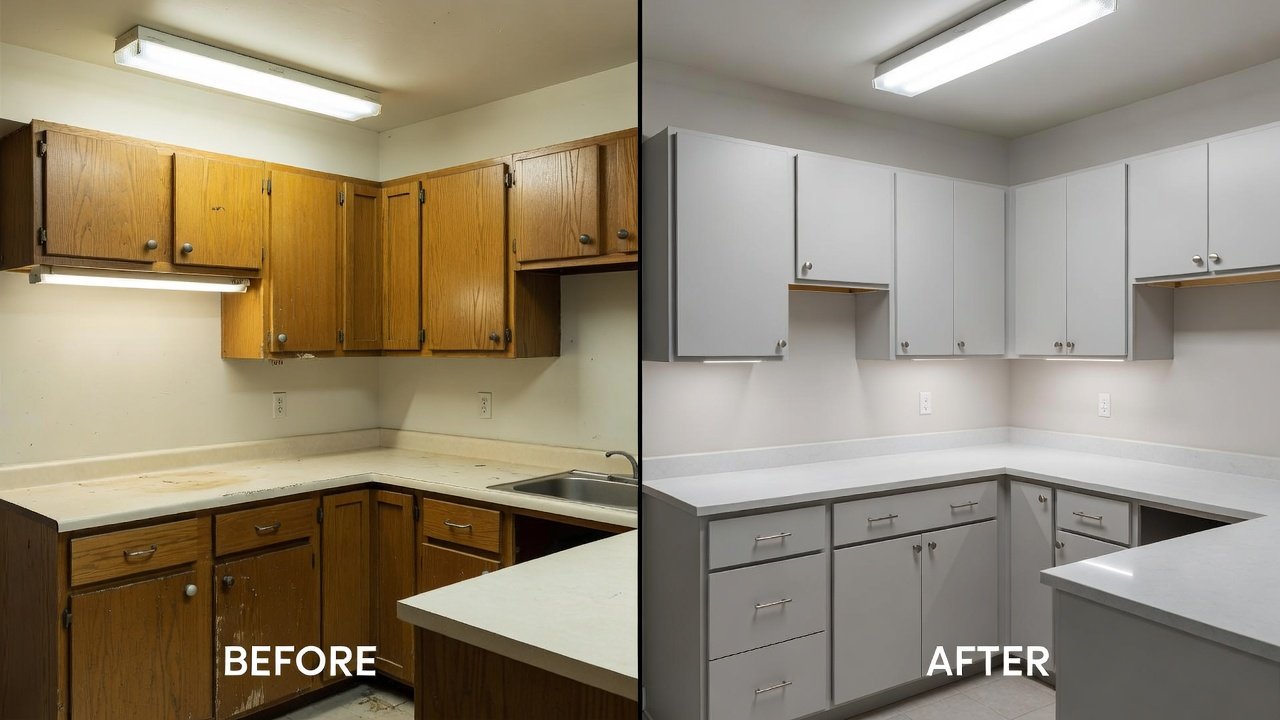
One common transformation involves updating outdated kitchens with new cabinet fronts and neutral backsplashes. Another successful project refreshed bathrooms using peel-and-stick tiles and modern faucets. A third example shows a living room where dated carpet was replaced with hard-surface flooring and fresh paint, resulting in a brighter, more spacious feel. These examples demonstrate how targeted changes can elevate an entire unit's perceived value. In one case, a landlord completed a full-unit refresh in under three weeks by focusing on surfaces rather than structural alterations. Another property saw improved tenant retention after adding simple smart lighting controls that tenants appreciated for convenience.
Prioritizing High-Impact Low-Cost Changes: A Checklist
- Apply fresh neutral paint throughout to brighten spaces.
- Replace outdated light fixtures with efficient LED options.
- Upgrade door hardware for a cohesive, modern look.
- Seal and refinish hardwood floors where present.
- Install smart thermostats for energy savings and appeal.
- Refresh cabinet hardware and add new sink fixtures in kitchens.
- Update bathroom mirrors and lighting to modernize the space quickly.
2026 Trends: Neutral Palettes and Affordable Smart Tech
Current design directions emphasize soft grays, beiges, and warm whites that create versatile backdrops. Pair these with budget-friendly smart integrations such as Wi-Fi-enabled locks and lighting systems. These features meet renter expectations for convenience without requiring extensive wiring or high ongoing costs. Neutral palettes also photograph well for online listings, helping properties stand out in searches. Smart technology selections should prioritize easy installation and minimal learning curves for tenants. Many landlords report that properties featuring these subtle upgrades experience shorter vacancy periods and stronger applicant interest during showings.
Common Mistakes to Avoid in Budget Renovations
One frequent error involves selecting trendy finishes that may date quickly or prove difficult to maintain in rental settings. Another pitfall is underestimating the time required for each phase, leading to extended vacancies. Landlords should also avoid skipping quality checks on materials, as lower-grade products often require earlier replacement. Failing to communicate clearly with tenants about renovation timelines can create unnecessary friction. Proper planning includes creating a detailed project schedule and maintaining open communication with any hired help to stay on track.
Addressing Common FAQs
Permits and Regulations
Check local building codes before starting any structural or electrical work. Permits protect both landlord and tenant while ensuring safety standards are met. Researching requirements early prevents project delays and potential fines.
Durability for Rentals
Select commercial-grade materials for high-use areas. This approach reduces long-term repair frequency compared to residential-grade alternatives. Testing material samples in high-traffic zones before full installation helps confirm suitability.
Avoiding Budget Pitfalls
Set aside contingency funds for unexpected issues like hidden water damage. Obtain multiple quotes for any outsourced labor and track all expenses meticulously. Reviewing past project records helps identify patterns that can be improved in future renovations.
Additional resources on property safety during renovations are available from EPA guidelines. Landlords can also review tax implications through official IRS resources. For energy-related upgrades, Energy Department recommendations offer practical guidance on efficient choices.
Conclusion
Strategic budget renovations position rental properties for success in 2026 by balancing affordability with modern appeal. Implementing the steps outlined here helps landlords achieve higher yields and smoother tenant transitions. Consistent focus on durable, tenant-centric improvements builds lasting value across any portfolio. Regular evaluation of completed projects ensures ongoing refinement of renovation strategies for continued success.
No comments yet. Be the first!