 Fixated on Home
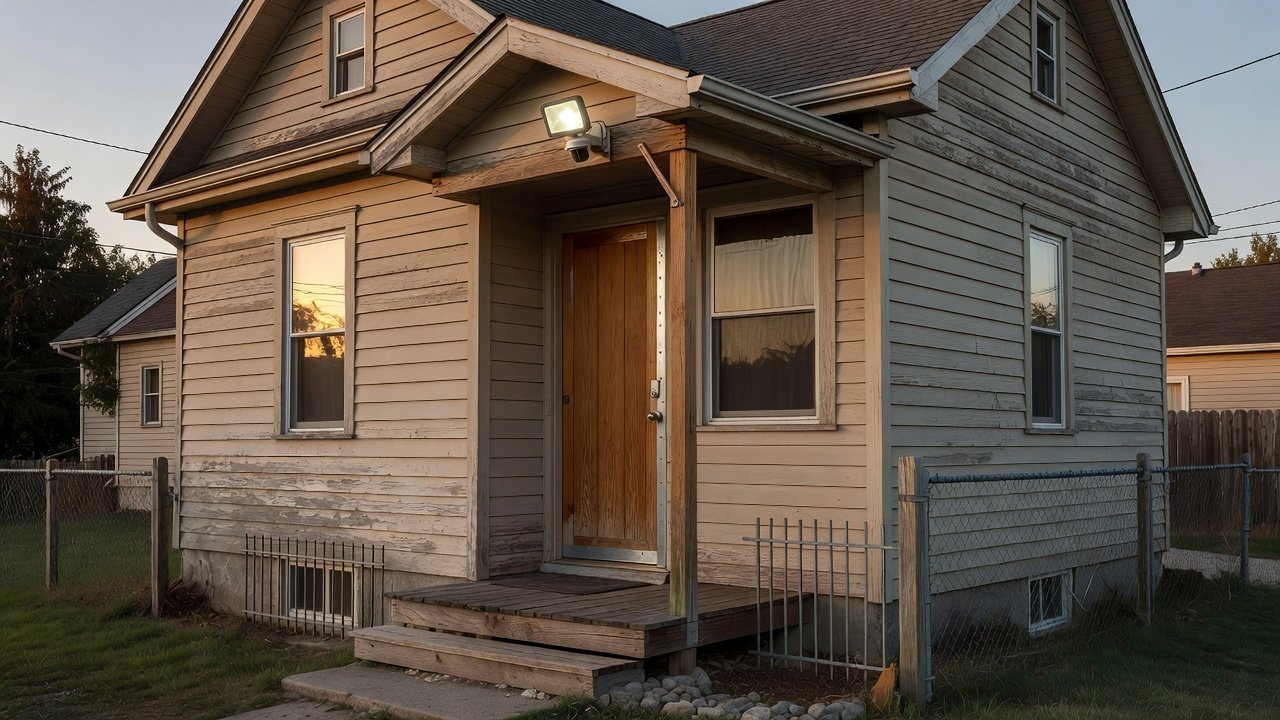
Introduction to Budget Home Security in Fixer-Uppers
Fixer-upper homes frequently present unique challenges when it comes to security, as older structures may feature worn locks, single-pane windows, and inadequate outdoor illumination that leave residents exposed during the renovation process. This comprehensive guide outlines practical, budget-conscious methods to strengthen home protection while aligning with ongoing remodeling efforts. Homeowners can focus on targeted improvements such as reinforcing entry points, incorporating affordable smart lighting and alarms, and performing basic electrical enhancements that collectively stay within a modest total budget without sacrificing effectiveness or durability.
The strategies presented here are designed specifically for first-time DIY enthusiasts working on real fixer-upper properties in 2026. They emphasize durable, readily available materials, straightforward installation procedures, and proactive avoidance of common remodeling errors that might otherwise delay projects or reduce long-term value. By following these recommendations, individuals gain both immediate safety benefits and peace of mind throughout the renovation timeline.
Assessing Your Fixer-Upper's Current Security Needs
Before purchasing any supplies, conduct a thorough walkthrough of the property to identify vulnerabilities. Begin at the exterior and note the condition of all doors, including garage access points, then examine each window for gaps, weak frames, or missing hardware. Walk the perimeter after dark to spot poorly lit areas that could invite unwanted attention. This initial assessment helps prioritize spending and prevents unnecessary purchases that exceed practical requirements.
Document findings with photos and measurements so that material selections match the existing architecture. For instance, older wooden doors may require different reinforcement techniques than metal ones. This step also reveals opportunities to integrate security upgrades seamlessly with other renovation tasks, such as painting or siding replacement.
Affordable Door and Window Reinforcements
Entry points remain the most common targets for unauthorized access, making reinforcements a high-priority investment. Focus first on doors by replacing short screws in strike plates with longer 3-inch versions that penetrate the door frame studs for superior hold. Next, apply a metal door reinforcer plate around the deadbolt area to distribute force during attempted break-ins.
Detailed Step-by-Step Door Installation Example
- Measure the existing strike plate location and mark new screw holes for precision alignment.
- Drill pilot holes to avoid splitting the wood frame during installation.
- Secure the new hardware and test the door swing to ensure smooth operation without binding.
- Apply weatherstripping around the frame edges to maintain energy efficiency alongside security gains.
Material comparisons indicate that solid steel reinforcements provide greater longevity and resistance compared to lighter aluminum alternatives, particularly in high-humidity climates where corrosion can occur. Homeowners should select finishes that match their door color for aesthetic consistency during renovations.
Window Security Enhancements
Windows benefit from security film applied directly to glass surfaces, which holds shards together if breakage occurs. Supplement this with pin locks that prevent sliding sashes from being forced open. For basement or ground-floor windows, consider adding grilles that can be removed for cleaning yet deter entry. These options pair well with planned window replacements or trim work.
Smart but Low-Cost Lighting and Alarms
Effective exterior lighting reduces opportunities for concealment around the property. Motion-activated LED fixtures offer reliable coverage while consuming minimal electricity. Position units above doorways and along pathways, wiring them to existing outdoor circuits where possible. Indoor smart bulbs that respond to timers or app controls add another layer of occupancy simulation when the home is vacant during work phases.
Wireless alarm kits provide entry sensors and motion detectors without requiring extensive rewiring. Many models integrate with smartphone notifications, allowing real-time monitoring even from off-site locations. Choose battery-operated units to simplify setup amid active construction zones.
U.S. Department of Energy guidance highlights the advantages of LED technology for both security and efficiency in residential settings.
Basic Electrical Upgrades for Security Integration
Upgrading select electrical components supports reliable operation of new lighting and alarm systems. Install grounded outlets near entry points to accommodate chargers or control panels. Add dedicated circuits for exterior lights if the current panel allows, ensuring no overload occurs when multiple devices activate simultaneously.
Always shut off power at the main breaker and use a non-contact voltage tester before handling wires. If unfamiliar with electrical codes, consult local regulations or a licensed professional for the final connections. These upgrades integrate smoothly with broader electrical renovations often required in fixer-uppers.
Consumer Product Safety Commission recommendations stress verifying all new components meet current safety standards to prevent hazards during and after installation.
Cost-vs-Value Breakdown, Checklists, and Pitfalls
Allocating resources strategically maximizes protection per dollar spent. Prioritize reinforcements for immediate physical barriers, followed by lighting and alarms for deterrence, then electrical work for system reliability. This sequence delivers measurable improvements even on tight budgets.
First-Time DIYer Practical Checklist:
- Compile a full inventory of doors, windows, and lighting locations with measurements
- Assemble essential tools including cordless drill, level, stud finder, and safety glasses
- Cross-reference material specifications against local climate conditions for durability
- Schedule tasks during dry weather to protect new installations from moisture damage
- Test all completed work at multiple times of day to confirm functionality
- Photograph each stage for personal records and potential insurance documentation
Common Remodeling Pitfalls to Avoid:
- Neglecting precise measurements that result in incompatible hardware
- Selecting inexpensive fasteners prone to stripping under stress
- Overlooking municipal permitting requirements for electrical modifications
- Failing to seal exterior penetrations against weather infiltration
- Rushing installations without double-checking alignment and operation
National Institute of Standards and Technology resources offer additional benchmarks for evaluating building material performance in security applications.

Conclusion
These targeted, budget-oriented security enhancements enable fixer-upper owners to protect their properties effectively throughout the renovation process and beyond. By combining careful assessment, quality material choices, and methodical execution, individuals achieve lasting improvements that enhance both safety and overall home value. Consistent attention to detail and adherence to the provided checklists help avoid setbacks while delivering professional-grade results on a DIY scale.
No comments yet. Be the first!