 Fixated on Home
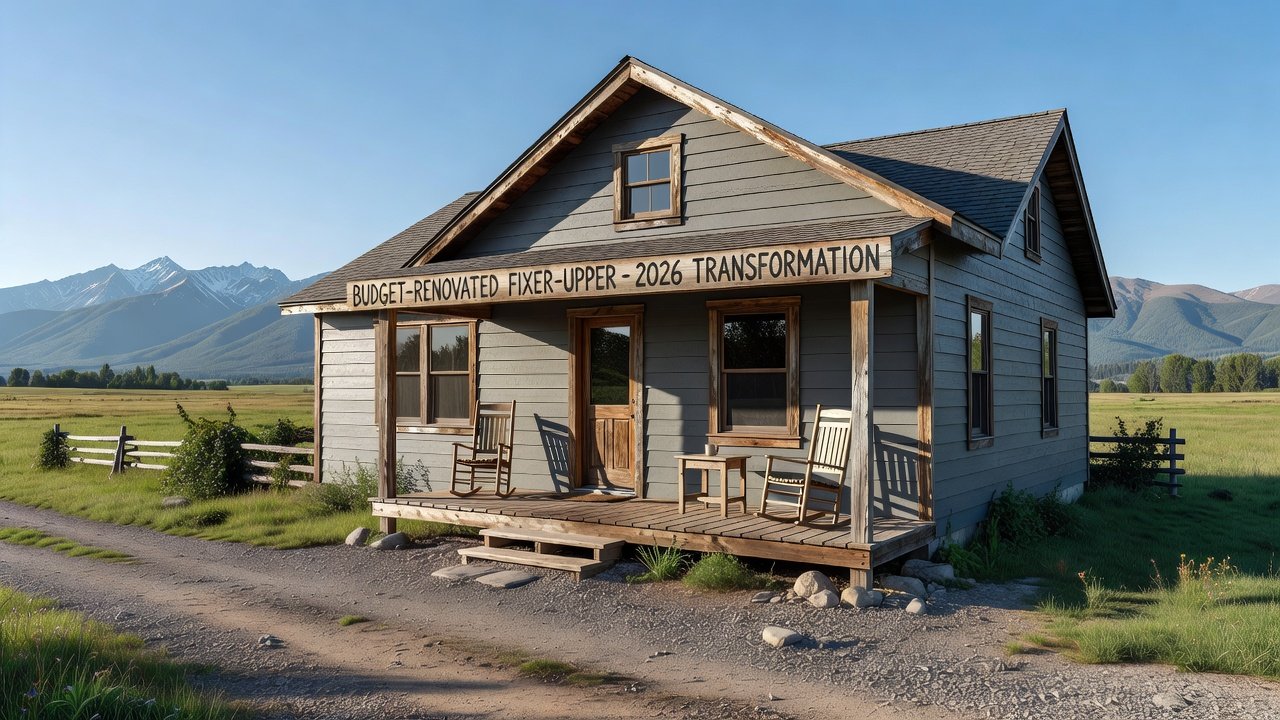
Introduction to Budget-Friendly Vacation Home Renovations
Transforming a fixer-upper into a cozy vacation getaway doesn't require breaking the bank. In 2026, homeowners and investors are focusing on smart, targeted updates that boost appeal while keeping costs manageable. This guide explores affordable remodeling strategies tailored for seasonal properties, emphasizing durability against weather and long-term value. Vacation homes often face unique challenges such as exposure to harsh elements, infrequent use, and the need to attract short-term renters. By focusing on high-impact, low-cost improvements, you can create spaces that feel welcoming year-round without overspending.
Whether you're preparing a rental or personal retreat, prioritizing high-impact changes like weatherproofing and versatile layouts can significantly enhance renter satisfaction and owner enjoyment. Real-world examples show that properties with thoughtful updates command higher occupancy rates and positive reviews, turning modest investments into reliable returns.
Step-by-Step Planning Guide for Your Reno Project
Begin with a thorough inspection of the property. Assess structural integrity, roofing, and plumbing before cosmetic upgrades. Create a prioritized list starting with essential safety and durability fixes. Next, research local regulations for vacation rentals to ensure compliance. Set a realistic timeline by breaking the project into phases, allowing for seasonal weather considerations. Document everything with photos and notes to track progress and support any future resale or rental listings.
Develop a detailed checklist that includes measuring all rooms, noting existing issues like leaks or drafts, and researching material availability in your area. Involve family members or partners in brainstorming sessions to align on functional needs. Consider consulting free online resources or local building supply stores for guidance on current best practices. This structured approach prevents scope creep and keeps the project on track even when surprises arise.
Prioritizing Weatherproofing for Seasonal Durability
Weatherproofing is critical for vacation homes exposed to varying climates. Start by sealing windows and doors with quality caulk and weatherstripping. Upgrade insulation in attics and walls to maintain comfortable temperatures year-round. Consider installing gutters and proper drainage to prevent water damage. These steps not only protect the structure but also improve energy efficiency, leading to lower utility bills over time. Learn more from the U.S. Department of Energy on effective home weatherization techniques.
Roof and Exterior Envelope Upgrades
Inspect the roof for missing shingles or damaged flashing and repair promptly. Adding a fresh coat of exterior paint formulated for your climate zone adds an extra layer of protection. In coastal areas, focus on corrosion-resistant hardware, while mountain properties benefit from reinforced snow-load considerations.
Interior Moisture Control
Use vapor barriers in crawl spaces and dehumidifiers during off-seasons. These measures reduce mold risk, a common issue in infrequently occupied homes, and maintain indoor air quality for guests.
Selecting Low-Maintenance Materials
Choose materials that withstand wear and require minimal upkeep. Vinyl or fiber cement siding offers durability against moisture and pests. For flooring, opt for luxury vinyl plank or sealed concrete that handles heavy foot traffic. Countertops in quartz or laminate provide stylish resilience without high maintenance. These selections maximize ROI by reducing long-term repair needs and appealing to renters seeking hassle-free stays.
When evaluating options, compare factors such as scratch resistance, ease of cleaning, and color retention under sunlight exposure. For instance, engineered hardwood can mimic real wood aesthetics while resisting humidity fluctuations better than solid timber. In kitchens and baths, porcelain tile floors paired with epoxy grout resist staining from spills common in vacation settings. Always request samples to test against your specific lighting and usage patterns before committing.
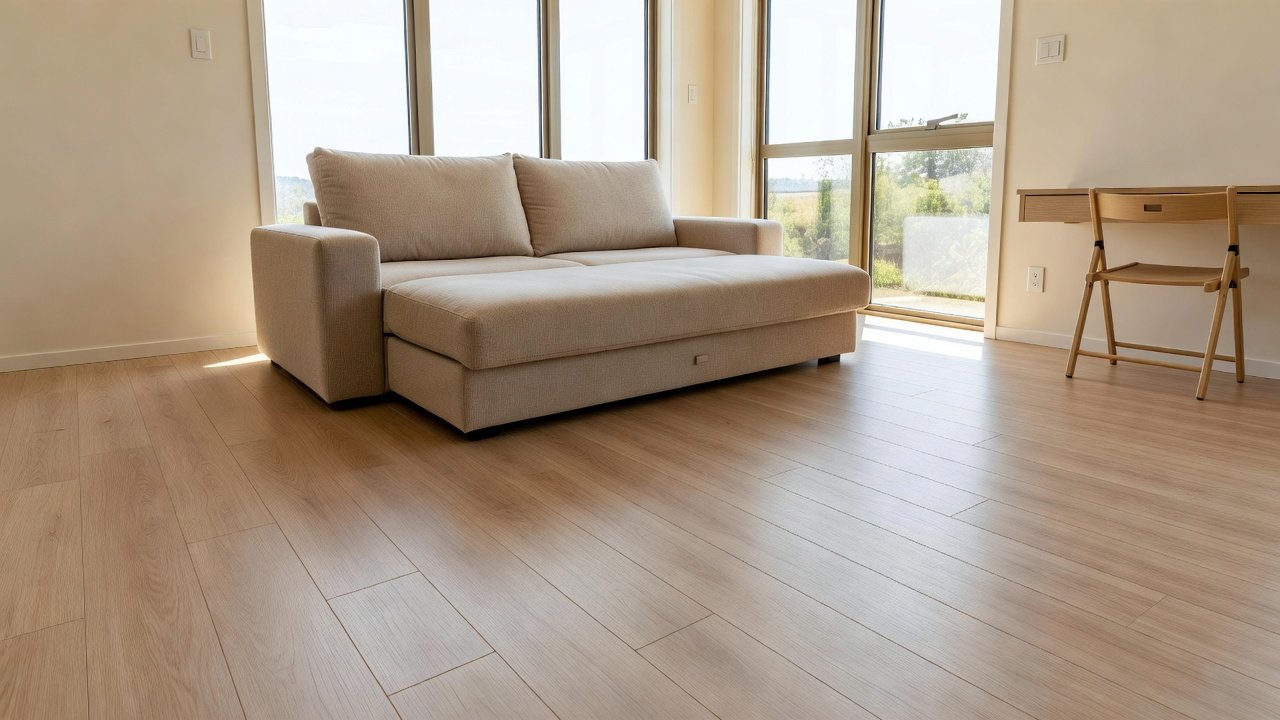
Creating Multi-Use Spaces That Maximize Appeal
Design flexible areas to accommodate different guest needs. A living room with convertible furniture can double as a workspace or extra sleeping area. Outdoor patios with modular seating extend living space seasonally. Incorporate built-in storage to keep vacation homes organized and clutter-free. This approach increases usability, making the property more attractive for bookings or personal use across seasons.
Practical examples include Murphy beds in guest rooms that fold away to create yoga or game spaces, and kitchen islands with seating that serve both meal prep and social gathering functions. Add versatile lighting with dimmable LEDs and multiple outlets to support various activities. These thoughtful touches differentiate your property in competitive rental markets.
DIY Versus Hiring Professionals: A Practical Comparison
DIY projects suit simple tasks like painting or basic weatherstripping, saving on labor while building skills. However, complex work such as electrical updates or roofing benefits from professionals to avoid costly mistakes. Weigh your experience level against project scope—hiring experts often ensures quality and compliance, especially for structural elements. Many owners combine approaches: handle cosmetic changes themselves and outsource specialized fixes for optimal results.
Consider your available time and tools as well. A weekend painting project might be rewarding, but plumbing reroutes demand licensed plumbers to meet code. Obtain multiple bids when hiring and verify insurance coverage to protect against liabilities during the renovation process.
Cost Considerations and Real-World Examples
Focus on phased spending to stay within budget. Allocate resources first to essentials like weatherproofing, then aesthetics. Real examples show that targeted updates, such as refreshing kitchens with new hardware and paint, deliver strong returns without full overhauls. Track expenses meticulously and explore bulk material purchases for savings. Always compare quotes and prioritize updates that directly enhance rental appeal or personal comfort.
Common Mistakes to Avoid
- Skipping professional inspections, leading to hidden issues surfacing mid-project.
- Choosing trendy materials over durable ones that may not hold up in a rental environment.
- Ignoring local climate data when selecting finishes, resulting in premature wear.
- Overlooking storage solutions, causing clutter that detracts from the vacation experience.
- Failing to document before-and-after changes for insurance or future sale purposes.
Maximizing ROI Through Targeted Updates
Focus on updates that guests notice immediately, such as updated bedding, reliable Wi-Fi infrastructure, and outdoor lighting. These enhancements improve reviews and repeat bookings. Check EPA guidelines for sustainable material choices that also support long-term value.
FAQ: Common Challenges in Budget Vacation Home Renos
- How do I handle unexpected issues? Build a contingency buffer into your plan and address problems immediately to prevent escalation.
- What if materials are hard to source? Research local suppliers early and consider sustainable alternatives that meet durability needs.
- How to balance budget with quality? Invest in key areas like weatherproofing while economizing on finishes that can be upgraded later.
- Is seasonal timing important? Schedule exterior work during milder months for better results and cost control.
- Can I make changes after initial rental seasons? Yes, use feedback from guests to refine spaces in subsequent phases.
- What permits are typically required? Check with your local municipality for rules on structural or electrical work.
Conclusion
With thoughtful planning and focus on weatherproofing, durable materials, and versatile spaces, budget renovations can turn any fixer-upper into a desirable vacation destination. These strategies not only control expenses but also build lasting value for years ahead.
No comments yet. Be the first!