 Fixated on Home
Introduction to Budget Electrical Renovations in Fixer-Uppers
Fixer-upper homes often hide outdated electrical systems that pose safety risks and limit modern living. This guide provides practical, low-risk strategies for budget-conscious enthusiasts tackling wiring improvements in 2026. Focus on assessing existing setups, swapping materials affordably, and adding energy-efficient features to increase property value without professional intervention where safe. Beginner renovators can achieve meaningful upgrades by prioritizing safety inspections and targeted DIY tasks. These steps align with home improvement best practices while avoiding common hazards. Understanding the basics helps homeowners make informed decisions that protect both their investment and family safety over time.
Many older properties feature wiring from decades past that no longer meets current demands for appliances and electronics. By following structured assessment methods, you can identify issues early and plan phased improvements that fit within reasonable budgets. This approach not only enhances daily functionality but also prepares the home for potential resale in competitive markets.
Assessing Outdated Wiring in Your Fixer-Upper
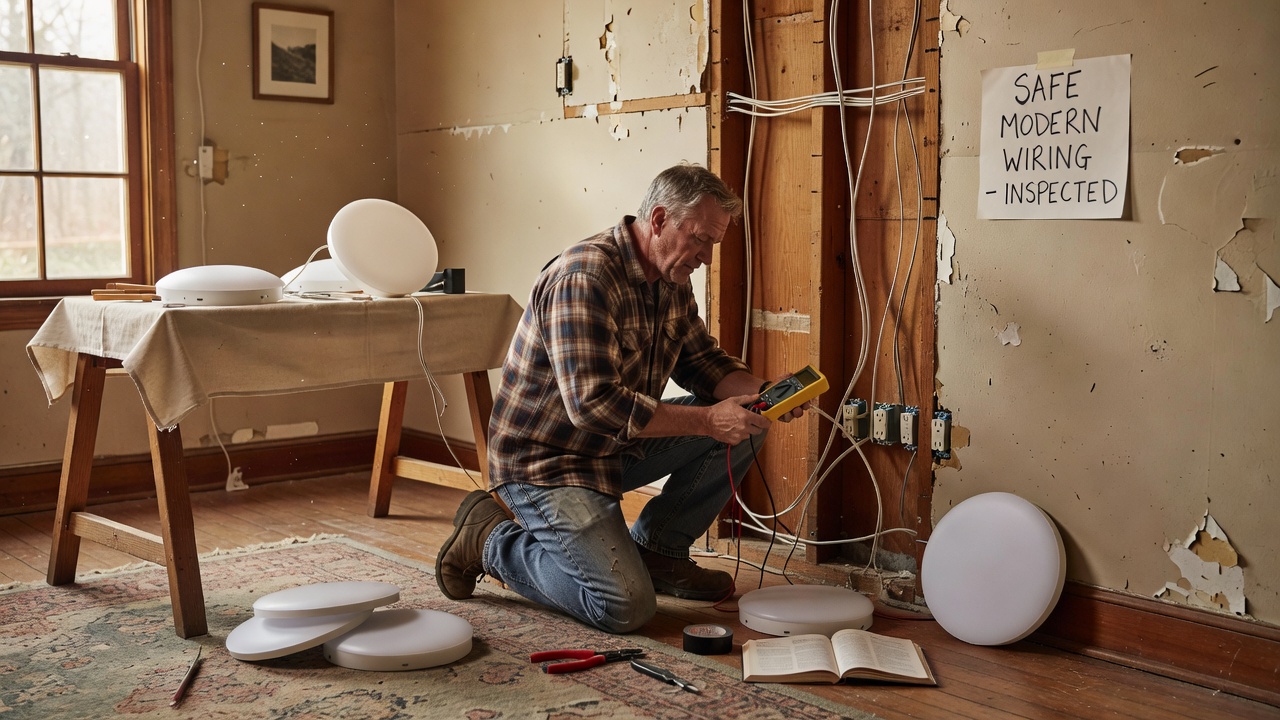
Start with a thorough visual inspection of visible wiring, outlets, and panels. Look for frayed insulation, aluminum wiring common in pre-1970s homes, or two-prong outlets indicating grounding issues. Test outlets with a simple plug-in tester to identify reversed polarity or open grounds. Document findings room by room to create a clear roadmap for upgrades. This assessment reveals priorities like replacing knob-and-tube wiring remnants before adding new circuits. Real-world examples show that early detection prevents costly emergencies later, such as when homeowners discover hidden splices behind walls during initial walkthroughs.
Pay special attention to areas with heavy appliance use like kitchens and laundry rooms. Check for signs of previous amateur modifications that may have overloaded circuits. Comparing your findings against modern standards helps prioritize which rooms need immediate attention versus those that can wait for later phases of the renovation project.
Prioritizing Safety Inspections Without Professional Help
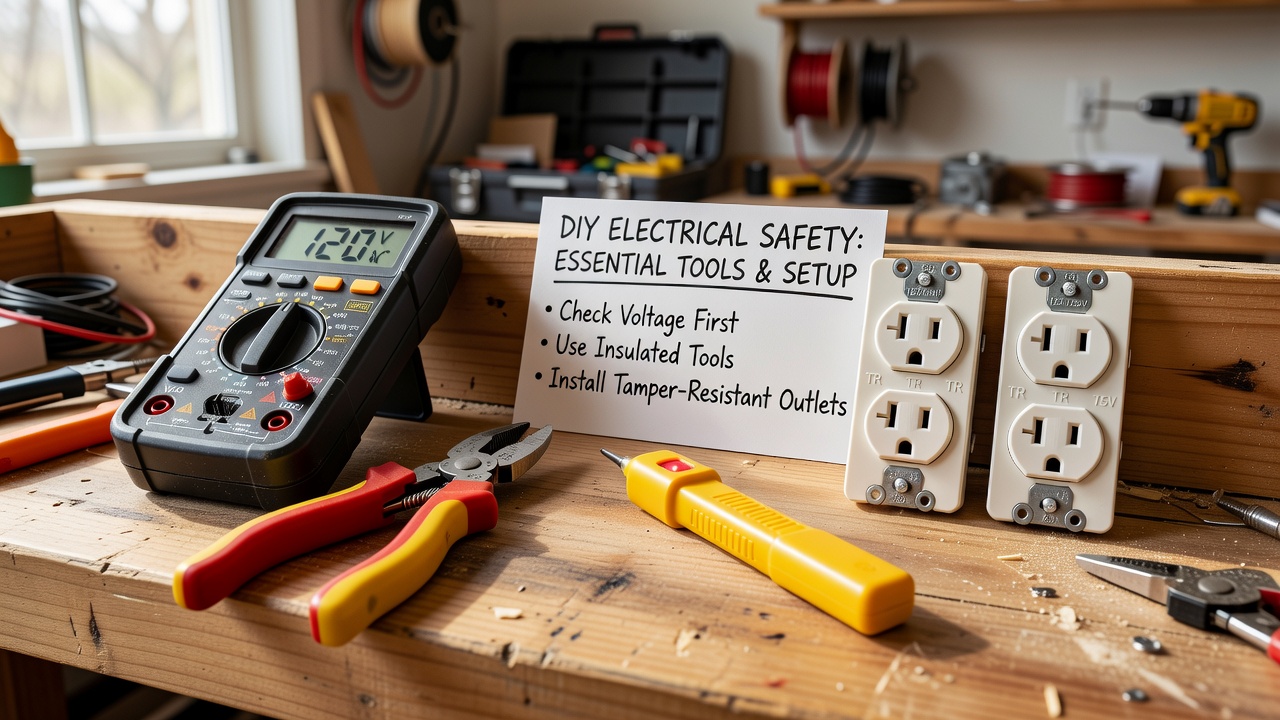
Safety remains paramount throughout any electrical project. Shut off power at the breaker before any inspection and use a non-contact voltage tester to confirm circuits are dead. Check for overheating signs at outlets or switches by feeling for warm spots after normal use. Always wear insulated gloves and safety glasses to protect against unexpected sparks or debris. These basic precautions form the foundation of responsible DIY work in older homes.
Compare basic tools like multimeters versus hiring electricians: DIY tools enable simple verification tasks at lower ongoing expense but limit scope to non-invasive checks. For anything involving the main panel or extensive rewiring, licensed professionals bring expertise that reduces liability. Referencing guidelines from the National Fire Protection Association provides reliable context on electrical fire prevention and best practices.
Material Swaps and Budget-Friendly Upgrades
Focus on material swaps that deliver high impact without excessive spending. Replace outdated outlets with tamper-resistant models and upgrade switches to dimmers for improved lighting control. Choose LED-compatible fixtures to pair with efficient bulbs that lower long-term energy consumption. These targeted changes modernize the home while maintaining a practical approach to renovations.
Step-by-step tutorial for outlet replacement begins with turning off power at the breaker. Remove the cover plate carefully, disconnect old wires while noting their colors and positions, then attach the new outlet matching hot, neutral, and ground terminals. Secure everything back in the box and restore power for testing. Repeat this process methodically across multiple outlets to achieve consistent results throughout the property.
Installing Energy-Efficient Lighting and Outlets
Swap incandescent fixtures for LED recessed lights or modern pendant styles that brighten spaces effectively. Install smart outlets in key locations to support future automation without requiring complete rewiring. These modifications reduce overall energy use while giving rooms a refreshed appearance that appeals to potential buyers. Practical examples include converting a dated kitchen into an efficient workspace with under-cabinet LED strips that illuminate countertops clearly during food preparation.
Track each installation against local building requirements to ensure compliance. Homeowners who document their work thoroughly often find it easier to demonstrate improvements during inspections or when preparing homes for sale. Combining lighting upgrades with outlet replacements creates cohesive results that enhance both safety and aesthetics across multiple rooms.
Common Pitfalls to Avoid in DIY Electrical Work
Even experienced beginners can encounter setbacks if certain mistakes are overlooked. Skipping permits frequently leads to insurance complications down the road. Mixing incompatible wire gauges can create overheating risks that compromise entire circuits. Ignoring load calculations when adding new appliances often results in tripped breakers and frustration. Overlooking GFCI protection in bathrooms, kitchens, and outdoor areas leaves users vulnerable to shocks in moist environments.
Develop a habit of double-checking every connection before restoring power. Consult resources from the U.S. Department of Energy for guidance on efficiency standards that align with 2026 remodeling goals. Another helpful reference is the Occupational Safety and Health Administration site, which outlines safe work practices applicable to residential projects.
DIY Tools Versus Hiring Electricians: Cost and Time Comparisons
Basic toolkits support straightforward tasks such as fixture swaps and outlet replacements with minimal upfront investment. For more complex jobs involving panel work or extensive new circuits, professionals deliver speed and code compliance that justify their involvement. Weigh your available time against personal risk tolerance when deciding between approaches. Many successful fixer-upper projects combine both methods, handling visible upgrades personally while reserving specialized tasks for experts.
Real-World Examples and Cost Breakdowns
One homeowner systematically replaced bedroom outlets and added LED lighting throughout the main floor, resulting in improved sale appeal and easier daily use. Another focused on garage wiring assessment to safely support future electric vehicle charging needs without overloading existing systems. These cases illustrate how phased, thoughtful upgrades accumulate meaningful benefits over a single renovation season.
FAQ: Local Code Compliance and ROI for 2026 Remodeling
How do I check local electrical codes?
Contact your municipal building department early in the planning process for specific permit requirements. Many jurisdictions require inspections whenever new circuits or major modifications are involved to maintain community safety standards.
What ROI can I expect from these upgrades?
Energy-efficient lighting and properly grounded outlets often contribute to lower utility expenses and stronger home valuations when properties enter competitive markets. The exact return depends on overall renovation scope and regional buyer preferences.
Is aluminum wiring safe to handle during DIY assessments?
Visual assessment and basic testing are acceptable, but any rewiring involving aluminum conductors requires specialized connectors and techniques. Consulting licensed electricians helps mitigate potential fire risks associated with improper connections.
When should I expand the project beyond simple swaps?
Consider expansion once initial safety checks confirm stable existing wiring. Adding dedicated circuits for home offices or entertainment areas becomes feasible after mastering fundamental tasks.
Conclude your planning by scheduling phased improvements that respect both time and financial constraints. These budget strategies empower fixer-upper enthusiasts to enhance safety and long-term value effectively throughout 2026 and beyond.
No comments yet. Be the first!