 Fixated on Home
Introduction to Budget HVAC Upgrades in Fixer-Uppers
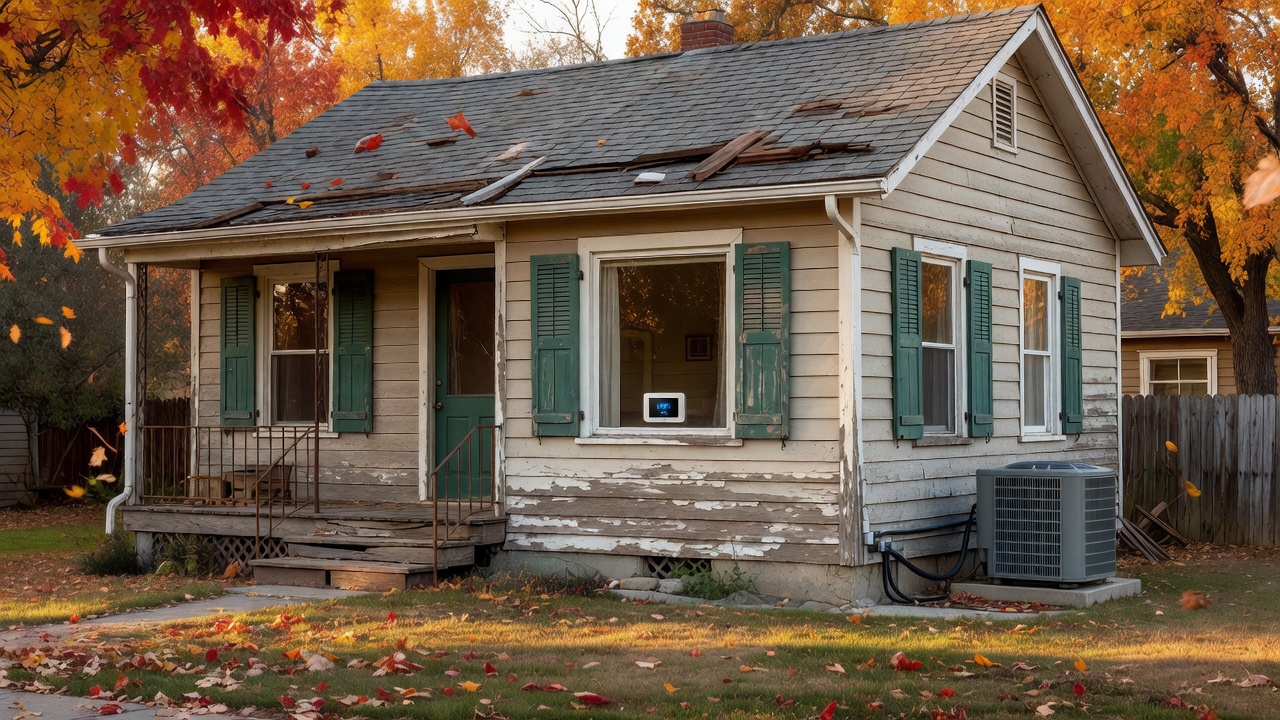
Older homes often come with outdated heating and cooling systems that drive up energy bills and reduce comfort. For homeowners tackling a budget renovation, finding affordable ways to improve climate control without major overhauls is essential. This guide covers practical assessments, low-cost improvements, and smart choices that align with overall remodeling goals in 2026. Many fixer-uppers feature aging ductwork, inefficient furnaces, or window units that no longer meet modern needs. Rather than full replacements, focus on targeted enhancements that deliver noticeable results. These strategies blend seamlessly with other budget reno projects like insulation upgrades or window sealing, helping maximize home improvement impact while keeping expenses manageable.
Understanding the unique challenges of older properties is the first step toward success. Homes built before modern energy codes frequently suffer from poor insulation, leaky envelopes, and mismatched equipment. By taking a methodical approach, you can identify quick wins that improve daily livability and support long-term efficiency goals without disrupting your entire renovation timeline.
Assessing Your Existing HVAC System
Start by evaluating what you already have. Walk through your home and note the age and condition of the furnace, air conditioner, ducts, and thermostats. Look for visible leaks, uneven temperatures, or high utility usage as red flags. A simple visual inspection can reveal opportunities for quick wins before calling in experts. Document airflow in each room and check insulation around ducts in attics or basements. This assessment helps prioritize fixes that offer the best return on effort and investment. Homeowners in older properties frequently discover that minor adjustments resolve the majority of comfort issues. Consider using a basic infrared thermometer to spot hot and cold spots, or review past utility bills for seasonal patterns that indicate system strain. Professional energy audits, when available through local programs, can provide additional insights into hidden inefficiencies.
Low-Cost Fixes for Immediate Impact
Sealing ducts with mastic or foil tape prevents conditioned air from escaping into unused spaces. Adding weatherstripping around doors and windows complements HVAC efforts by reducing drafts. These steps require basic tools and can be completed in a weekend. Installing a smart thermostat provides precise control and scheduling features that optimize energy use across seasons. Pair it with ceiling fans to circulate air more effectively without running the system constantly. Additional low-cost measures include cleaning or replacing air filters regularly, insulating exposed pipes, and using draft stoppers under doors. Each of these actions contributes to a more balanced indoor environment while supporting your broader renovation budget. For example, addressing attic bypasses during a roofing phase can dramatically reduce the load on your heating and cooling equipment.
DIY Versus Professional Installation Options
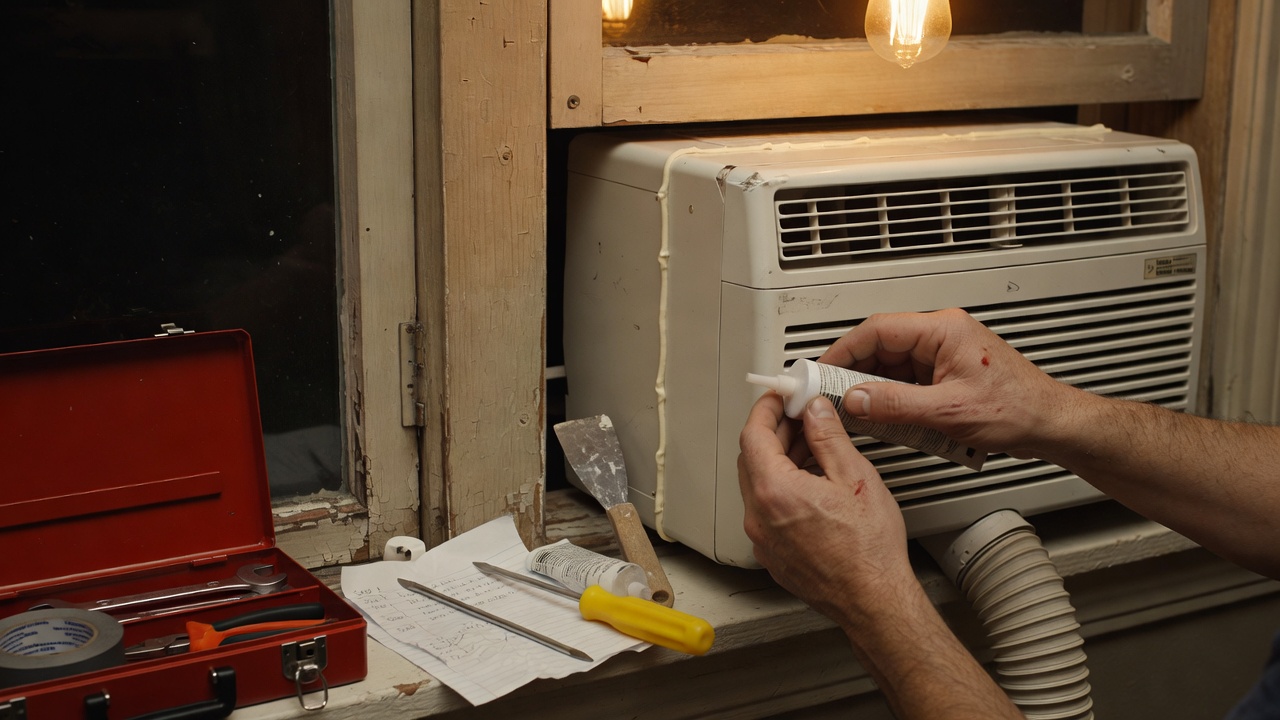
Many budget-friendly upgrades lend themselves to DIY approaches, especially for those comfortable with basic electrical or mechanical tasks. Portable units and window-mounted solutions often install with minimal disruption. However, tasks involving gas lines or complex wiring benefit from professional oversight to ensure safety and code compliance. Compare the time and skill required against hiring help for larger jobs. DIY projects empower homeowners while keeping overall renovation timelines on track. When deciding, weigh factors such as your experience level, available tools, and local permit requirements. Some municipalities offer rebates or guidance for energy-saving improvements that can offset labor costs when professionals are involved. Always verify that any work meets current building standards to avoid future issues during inspections or resale.
Material Swaps for Better Efficiency
Replacing old filters with high-MERV options improves air quality and system performance. Upgrading to insulated ductwork in accessible areas reduces energy loss. Consider reflective barriers in attics to manage heat gain during warmer months. These swaps integrate well with other remodeling phases, such as adding attic insulation during a roof project. Explore options like programmable dampers for zoned control or low-emissivity window films that work alongside your HVAC system. Homeowners who combine material upgrades with strategic timing often see compounded benefits in both comfort and reduced maintenance needs over time.
Step-by-Step Guide to Portable Unit Installation
1. Measure the space and select a unit sized appropriately for the room.
2. Position the unit near a window or vent for exhaust.
3. Secure the window kit to prevent air leaks.
4. Plug in and test for proper drainage and airflow.
5. Monitor performance over the first week and adjust as needed.
Always follow manufacturer guidelines and local building codes during installation. Take time to read the manual thoroughly beforehand and prepare the area by clearing obstructions. Test the unit on multiple settings to confirm consistent operation, and keep a maintenance log to track filter changes and cleaning intervals.
Real Fixer-Upper Examples and Energy Savings
One homeowner in a 1950s bungalow sealed ducts and added a programmable thermostat, resulting in steadier indoor temperatures and lower monthly bills. Another project involved swapping single-pane windows and integrating portable cooling in key living areas, transforming an uncomfortable space into a year-round retreat. A third example featured a couple who combined duct sealing with attic insulation during their kitchen renovation, achieving more even temperatures throughout the house. These cases highlight how small, strategic changes compound over time to enhance home value and livability. Tracking results with simple before-and-after notes helps demonstrate the value of each upgrade for future planning.
Common Pitfalls to Avoid
- Skipping system sizing calculations, leading to inefficiency.
- Ignoring maintenance schedules after upgrades.
- Overlooking permits for electrical work.
- Choosing incompatible components that fail prematurely.
- Failing to address underlying insulation or air sealing issues first.
Learning from these common mistakes ensures your budget HVAC project delivers lasting results rather than temporary relief.
Blending HVAC Upgrades with Overall Budget Reno Strategies
Integrate climate control improvements into larger remodeling phases to maximize efficiency. For instance, coordinate duct sealing with flooring projects or pair thermostat installation with electrical updates. This approach minimizes downtime and allows you to leverage shared labor and materials across tasks.
FAQ: Seasonal Timing and Long-Term ROI
When is the best time to tackle HVAC fixes?
Shoulder seasons like spring and fall offer milder weather, making installations easier and allowing immediate testing before peak demand.
How does ROI look over several years?
Energy-efficient upgrades typically pay for themselves through reduced utility costs and increased home appeal during resale. Track usage before and after to quantify benefits.
What maintenance is required after upgrades?
Regular filter changes, annual professional inspections, and keeping outdoor units clear of debris help sustain performance and extend equipment life.
Conclusion
Budget HVAC renovations in fixer-uppers deliver comfort and efficiency without breaking the bank. By assessing systems thoroughly, prioritizing low-cost fixes, and blending upgrades with broader remodeling plans, homeowners achieve meaningful results. Apply these ideas to your next project for a more comfortable, cost-effective living space. For further guidance on energy efficiency, visit energy.gov or explore resources at epa.gov.
No comments yet. Be the first!