 Fixated on Home
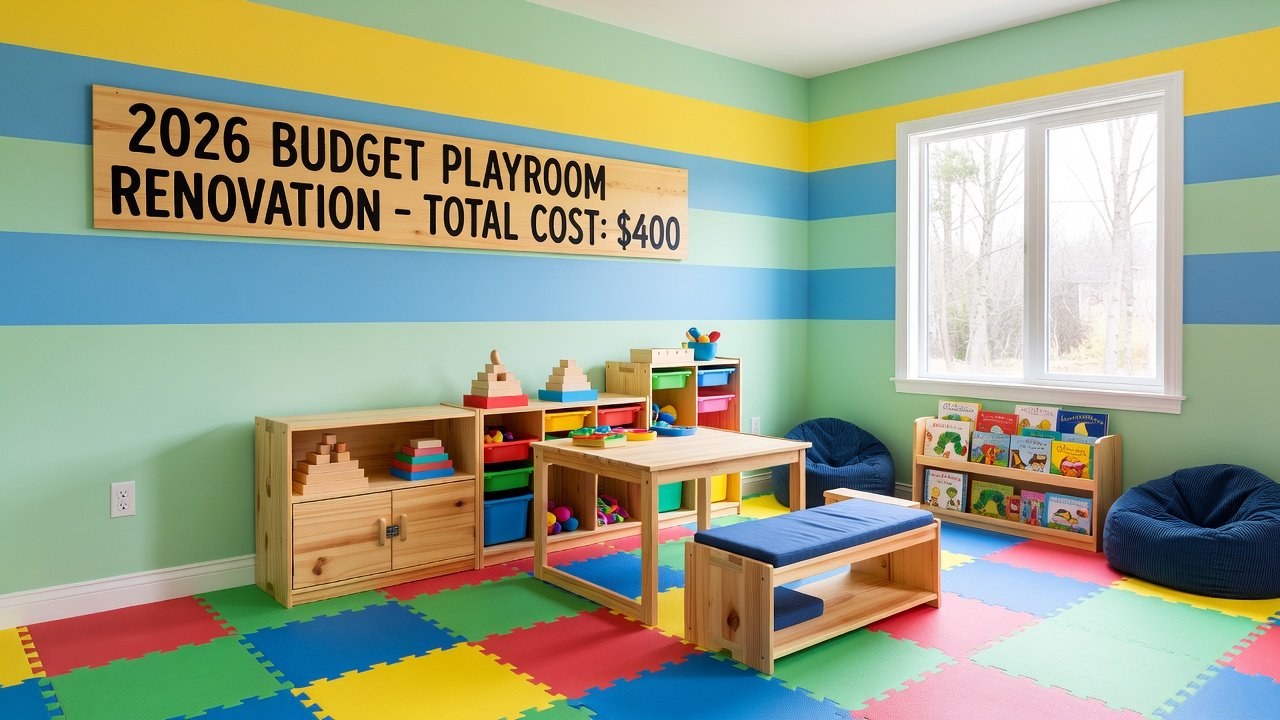
Budget Playroom Reno: Fixer-Upper Family Space Ideas 2026
Converting an unused room into a vibrant play area is a rewarding project for growing families tackling fixer-uppers. This guide emphasizes practical, budget-conscious strategies that prioritize safety and durability while keeping total costs low. Families often face challenges with older homes that have uneven surfaces, outdated finishes, or limited square footage, yet creative solutions exist that transform these spaces without requiring professional contractors or large investments. Whether you have a spare bedroom, attic nook, or basement corner, these approaches help create engaging spaces that encourage imaginative play and support child development. The focus remains on durable materials that withstand daily use, non-toxic finishes for health, and modular designs that adapt as children grow from toddlers to school age.
Real-world examples from 2026 renovation projects demonstrate how simple changes yield dramatic before-and-after results. One family in a mid-century home turned a cluttered storage room into a themed play zone using recycled materials and basic tools, resulting in a space that promotes both fun and organization. Another project in a compact urban apartment maximized vertical space with wall-mounted features, proving scalability across different home sizes.
Assessing Your Space and Planning the Reno
Start by evaluating the room's condition thoroughly. Check for structural issues like uneven floors, moisture problems, or poor ventilation common in older homes. Measure the area accurately to determine material quantities and visualize traffic flow. Consider natural light sources and electrical outlets to plan activity zones effectively. Key priorities include non-toxic finishes, rounded edges on all furniture, secure anchoring for storage units to prevent tipping, and easy-clean surfaces that resist stains from spills or art projects.
A beginner-friendly approach involves sketching a simple layout on paper before purchasing supplies. Identify must-have elements such as open floor space for movement, designated reading corners, and creative stations. Research local building codes if adding any permanent fixtures, and consult free online resources from government agencies for safety guidelines. Planning also means setting realistic timelines, typically spreading work over several weekends to avoid disruption to family routines.
Low-Cost Flooring Swaps for Durability
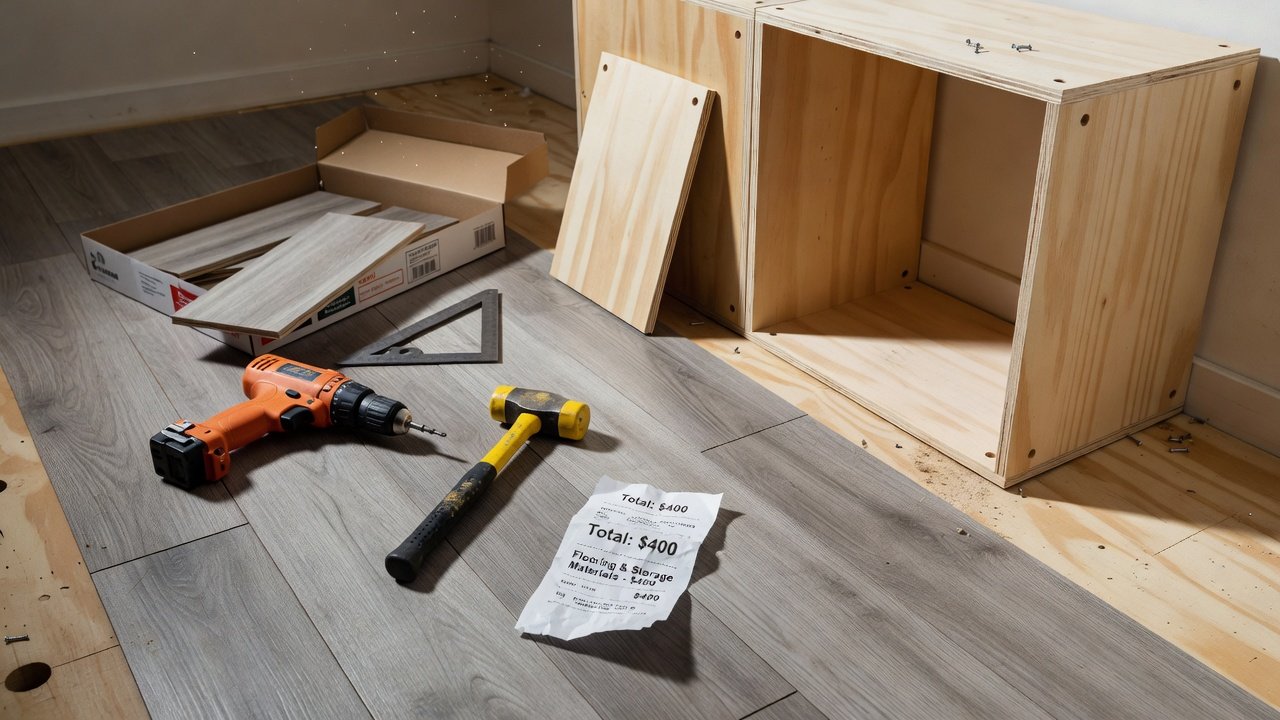
Flooring forms the foundation for any play area. Viable options include vinyl plank, interlocking foam tiles, or remnant carpet tiles that provide cushioning and ease of installation. Compare materials carefully: vinyl resists moisture and cleans easily with a damp cloth, making it ideal for areas prone to spills, while foam tiles offer excellent impact absorption for active games and can be rearranged as needed. Both types install over existing subfloors with minimal preparation, avoiding the need for demolition in fixer-uppers.
Installation follows straightforward steps: first clean the subfloor to remove debris and level minor imperfections with a patching compound, then lay underlayment for added comfort if using vinyl, and finally snap or interlock pieces into place working from one corner outward. This swap transforms hard, cold surfaces into safe, inviting zones that encourage hours of play. For larger rooms, combine materials by zoning areas with different textures, such as soft foam in the main play section and durable vinyl near entry points.
Multi-Functional Storage Builds
Effective storage maintains order while maximizing every inch of available space. Construct simple shelving units from plywood or repurpose sturdy crates into modular systems that double as seating or room dividers. Incorporate labeled bins for toys, books, and art supplies to teach organizational skills early. Wall-mounted shelves keep items off the floor, reducing tripping hazards and freeing room for movement.
Practical examples include building a low bench with hidden compartments underneath for seasonal toys or creating a pegboard wall for hanging dress-up clothes and craft tools. These builds support different home sizes effectively: smaller spaces benefit from vertical solutions that utilize height, while larger fixer-uppers allow for built-in nooks that integrate with existing architecture. Always secure units to wall studs using appropriate anchors for stability.
Kid-Friendly Paint Techniques
Selecting appropriate paints ensures a healthy environment. Opt for low-VOC or zero-VOC formulas that minimize off-gassing, particularly important in enclosed play spaces. Techniques range from creating accent walls with geometric stencils to applying chalkboard paint on one section for interactive drawing that wipes clean. Apply paint in thin, even coats using quality brushes or rollers, allowing full drying time between layers to achieve professional-looking results that last.
Safety considerations include ventilating the room during and after application, using painter's tape for sharp lines, and testing colors on small patches first. These methods add personality and stimulate creativity without significant expense. In 2026 projects, families have incorporated magnetic paint under topcoats to hold artwork or educational charts, extending the room's utility over time.
Step-by-Step Remodeling Tips and Material Comparisons
Follow a logical sequence for efficiency: begin with surface preparation including repairs and cleaning, proceed to flooring installation, then construct and install storage, and finish with painting and final touches like adding rugs or lighting. Material comparisons reveal trade-offs; for instance, laminate flooring offers wood-like aesthetics at lower cost than hardwood but may require underlayment for sound dampening, whereas carpet remnants provide warmth yet demand more frequent vacuuming.
Before-and-after examples from recent fixer-upper transformations highlight successes such as converting dingy basements into bright, multi-use areas with coordinated color schemes. One documented case involved a family using peel-and-stick tiles for quick flooring updates alongside custom-built cubbies, achieving a cohesive look that blended with the rest of their home. Avoid common mistakes like overlooking moisture barriers in older structures or choosing overly bright colors that show dirt quickly.
Beginner Guide and Scaling for Home Sizes
New to DIY renovations? Begin with small-scale tests such as painting a single feature wall or assembling one storage unit to build confidence. Gather basic tools including a level, measuring tape, and cordless drill, and watch tutorial videos from reputable sources for technique refinement. Scaling projects depends on available square footage: compact homes emphasize multi-purpose furniture and light colors to create an illusion of space, while expansive rooms permit separate activity zones like a quiet reading area and an energetic play corner.
Adaptations for various layouts include adding portable dividers in open-plan homes or incorporating window seats in rooms with good natural light. Regular reassessment every six months allows adjustments as children develop new interests.
Maintenance and Safety FAQs
- How often should surfaces be cleaned? Weekly spot cleaning with mild, non-toxic solutions prevents buildup and maintains appearance.
- What steps ensure long-term durability? Inspect anchors and joints monthly, and rotate toys to distribute wear evenly.
- How to scale for growing families? Choose modular storage that expands with additional bins or shelves as needs change.
- Are there specific safety protocols? Anchor all tall furniture, cover outlets, and use door stops to prevent pinched fingers.
Further guidance on indoor environmental quality appears at epa.gov and child safety recommendations at cdc.gov. Additional housing renovation best practices can be reviewed through hud.gov.
Conclusion
These budget strategies deliver functional, joyful playrooms tailored to fixer-upper realities. With careful planning and attention to safety, families achieve lasting results that grow alongside their children and enhance daily living.
No comments yet. Be the first!