 Fixated on Home
Introduction: Creating Your Dream Reading Nook on a Budget
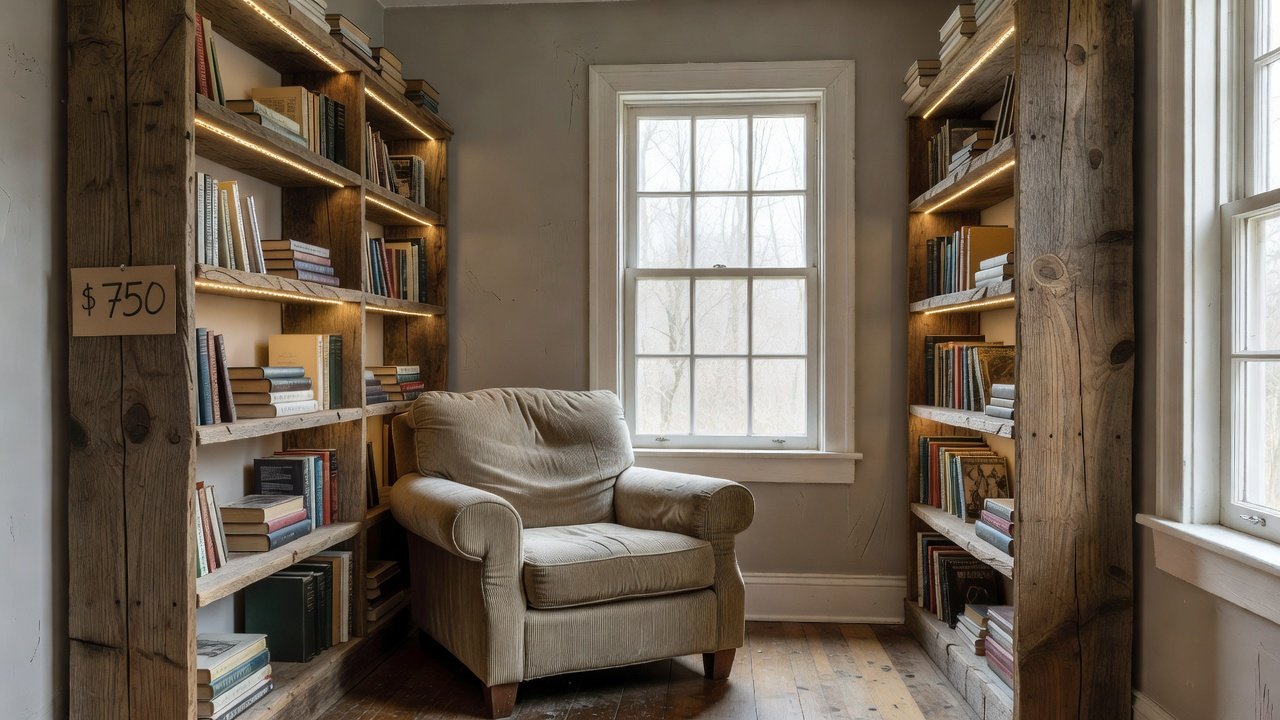
Transforming an overlooked corner in your fixer-upper into a functional home library reading nook doesn't require a massive renovation budget. With smart planning and cost-effective material swaps, homeowners can achieve professional-looking results while keeping total costs under $750. This guide covers everything from space optimization to DIY execution, focusing on 2026 trends that prioritize sustainability and reclaimed materials. Homeowners often search for ways to maximize small spaces without overspending, and these ideas integrate seamlessly with broader home improvement keywords like budget renovations and DIY library projects. Whether dealing with an awkward alcove or a spare closet area, the result is a personal retreat that boosts property value and daily enjoyment.
Many fixer-uppers have underutilized nooks near windows or in hallways that can be repurposed. The key is starting with a clear vision that balances function and aesthetics on a tight budget. This article provides in-depth guidance including real-world examples, material sourcing strategies, and a detailed implementation plan to ensure success.
Step-by-Step Planning for Your Reading Nook
Begin by assessing your available space. Measure the corner dimensions and identify electrical outlets for lighting. Sketch a simple layout including seating, shelving, and storage for books. Consider traffic flow to ensure the nook feels inviting rather than cramped. Next, set priorities: comfort, storage, and ambiance. Allocate your budget roughly as follows: 40% on shelving and seating, 30% on lighting and accessories, 20% on paint and finishes, and 10% contingency. This breakdown helps maintain the under-$750 total while allowing flexibility for unexpected needs like additional brackets or fabric.
Research local building codes if adding any structural elements, though most budget nooks avoid that entirely. Take photos of the space before starting to document progress. Involve family members in the planning phase to ensure the design suits everyone's reading habits, such as incorporating magazine racks or tablet holders.
Sourcing Reclaimed Shelving Affordably
Reclaimed wood offers character at lower costs than new lumber. Check local salvage yards or online marketplaces for barn wood and old doors. Sand and seal pieces yourself to save on labor. Compare options: new floating shelves might run higher, while reclaimed can cut expenses significantly when sourced thoughtfully. Look for straight, knot-free planks that fit your measurements. Examples include using vintage ladder rungs as shelf supports or repurposing old crates for additional storage underneath seating. Visit community reuse centers for free or low-cost finds that add unique charm.
For hardware, visit established retailers like Home Depot for brackets and anchors. Pair with Lowe's for paint and lighting fixtures to find competitive deals. Always measure twice before cutting to minimize waste.
Lighting Upgrades Under Budget Constraints
Good lighting transforms any nook. Opt for LED strip lights or affordable plug-in sconces that install without wiring changes. Aim for warm 2700K bulbs to create a cozy atmosphere. Total lighting spend can stay low by choosing versatile, dimmable options available at big-box stores. Consider layering: a floor lamp for reading, wall sconces for ambiance, and under-shelf LEDs for highlighting book spines. Battery-operated puck lights provide flexibility in spaces without outlets. Test light placement at different times of day to avoid glare on pages.
Paint Techniques for Cozy Ambiance
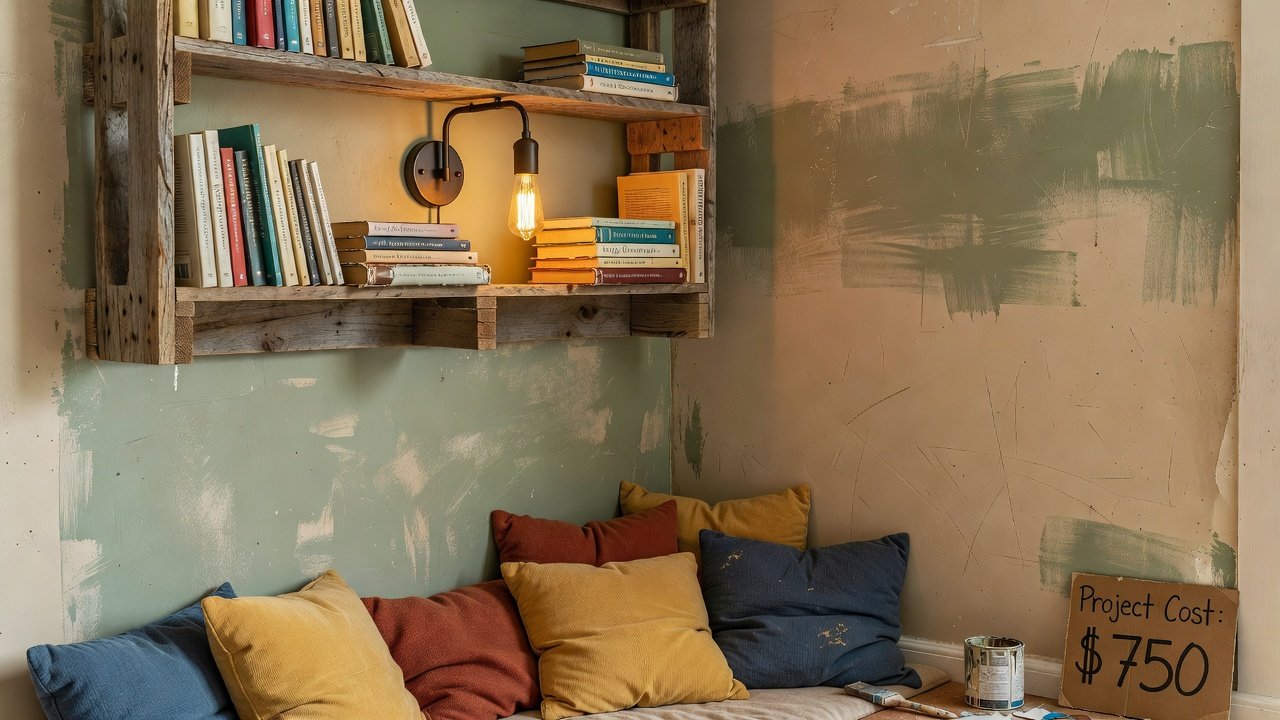
Use deep, warm tones like sage green or terracotta on accent walls to foster intimacy. Apply a base coat followed by a glaze technique for depth without extra cost. Always ventilate properly and choose low-VOC paints for indoor air quality. Techniques such as sponging or rag rolling can create texture that makes the space feel more expensive. For a modern twist, paint the ceiling a shade lighter than the walls to draw the eye upward and make the nook feel larger.
Space Optimization and Material Swaps
Optimize vertical space with tall, narrow shelves that reach the ceiling. Swap heavy curtains for lightweight linen panels that diffuse light softly. Use multifunctional furniture like a storage bench that doubles as seating and book storage. These swaps keep the project budget-friendly while maximizing every inch.
5-Step Implementation Checklist
- Measure and plan the space layout, including electrical and traffic considerations.
- Source and prepare reclaimed materials, sanding and treating wood for safety and durability.
- Install shelving and basic seating, starting with the largest pieces first.
- Add lighting and electrical checks, ensuring all cords are hidden or secured.
- Apply finishes and style with accessories like throw pillows and small plants.
Real Cost Comparisons and Before-and-After Examples
Before: An empty, poorly lit corner with basic drywall. After: Built-in style shelves from reclaimed wood, a secondhand armchair, and layered lighting create a welcoming library spot. Cost breakdowns show reclaimed shelving at roughly half the price of custom builds, keeping projects well under budget as of 2026-09-08. Another example used an old window frame as a decorative element, adding charm for minimal added expense. A third case involved converting a closet into a nook with sliding doors removed and replaced by a curtain, freeing up floor space dramatically.
Common Pitfalls and Remodeling Tips
Avoid overloading walls without proper anchors. Test paint samples in the actual lighting before committing. Ensure adequate ventilation during painting projects. Other pitfalls include underestimating the time needed for sanding reclaimed wood or choosing fabrics that show wear quickly. Always buy a few extra brackets and use a level during installation. For more tips, consult resources from This Old House.
FAQ
What if my corner has no outlets?
Use battery-operated or plug-in lighting solutions that require no hardwiring, and consider solar-powered options for window-adjacent nooks.
How do I keep total costs under $750?
Prioritize DIY labor, source secondhand items, and focus on multifunctional pieces like storage ottomans. Track every purchase in a simple spreadsheet.
Are reclaimed materials safe?
Inspect for pests and treat wood appropriately; resources from sites like This Old House provide guidance.
Can I complete this project in a weekend?
Yes, with pre-planning and pre-cut materials, most elements can be installed in two days, though painting may require extra drying time.
What seating works best in small spaces?
A compact armchair or floor cushions paired with a low ottoman offer comfort without overwhelming the area.
Conclusion
With these budget home library reno strategies, any fixer-upper can gain a charming reading nook. Focus on thoughtful execution to enjoy your space for years while staying well within your financial limits.
No comments yet. Be the first!