 Fixated on Home
Introduction to Budget Green Renovations
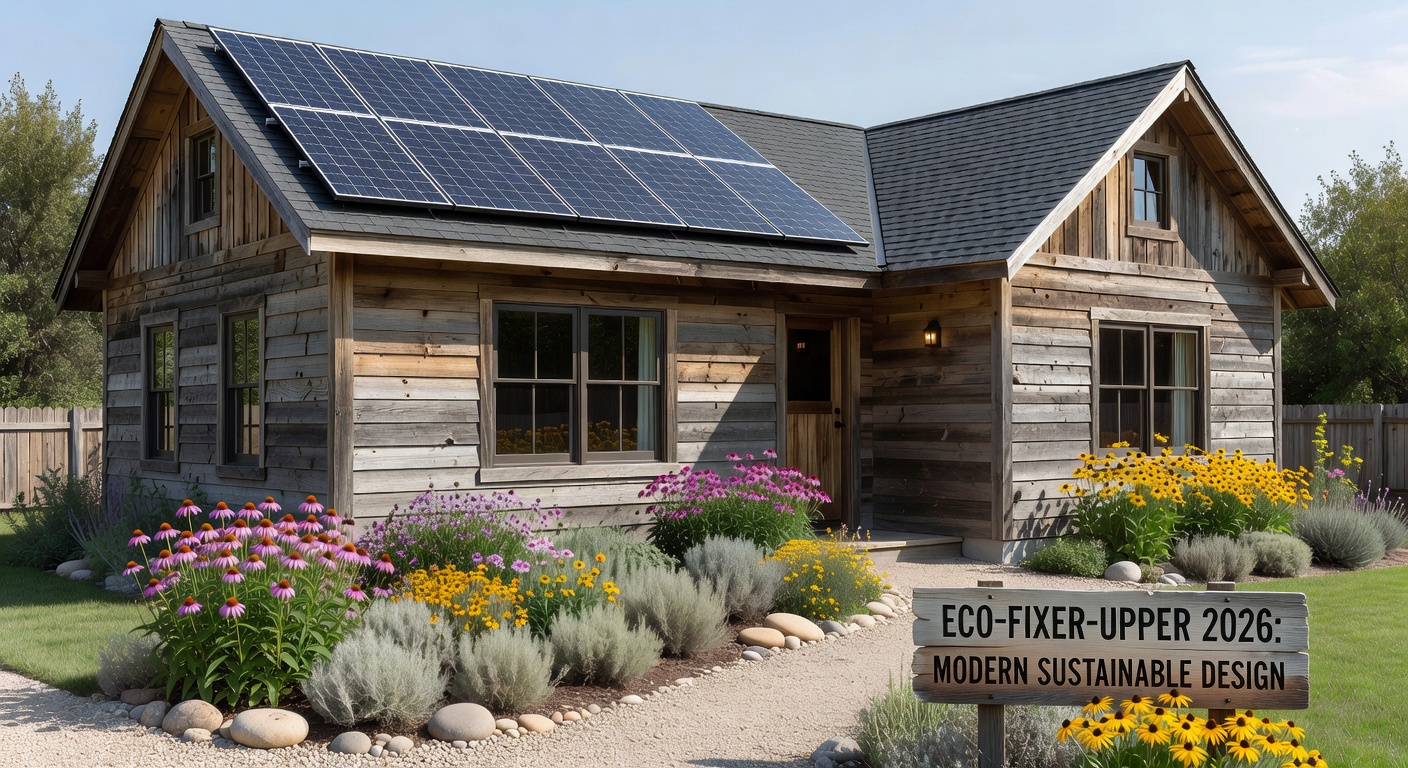
Fixer-uppers offer incredible potential for homeowners who want to create sustainable living spaces without breaking the bank. In 2026, eco-friendly renovations focus on reducing environmental impact while maximizing cost savings through smart material choices and DIY approaches. This guide provides in-depth strategies for selecting affordable green materials, implementing waste-reducing remodeling techniques, and comparing options to achieve long-term benefits. Homeowners increasingly seek ways to minimize their carbon footprint while refreshing older properties, and this article delivers actionable advice tailored to tight budgets.
Whether you're updating an older home or tackling a full renovation, prioritizing sustainability helps lower utility bills and creates healthier indoor environments. By focusing on reclaimed resources and energy-efficient upgrades, you can transform any property into a modern, green haven. The key lies in thoughtful planning that balances immediate expenses with future savings and ecological gains.
Selecting Affordable Green Materials
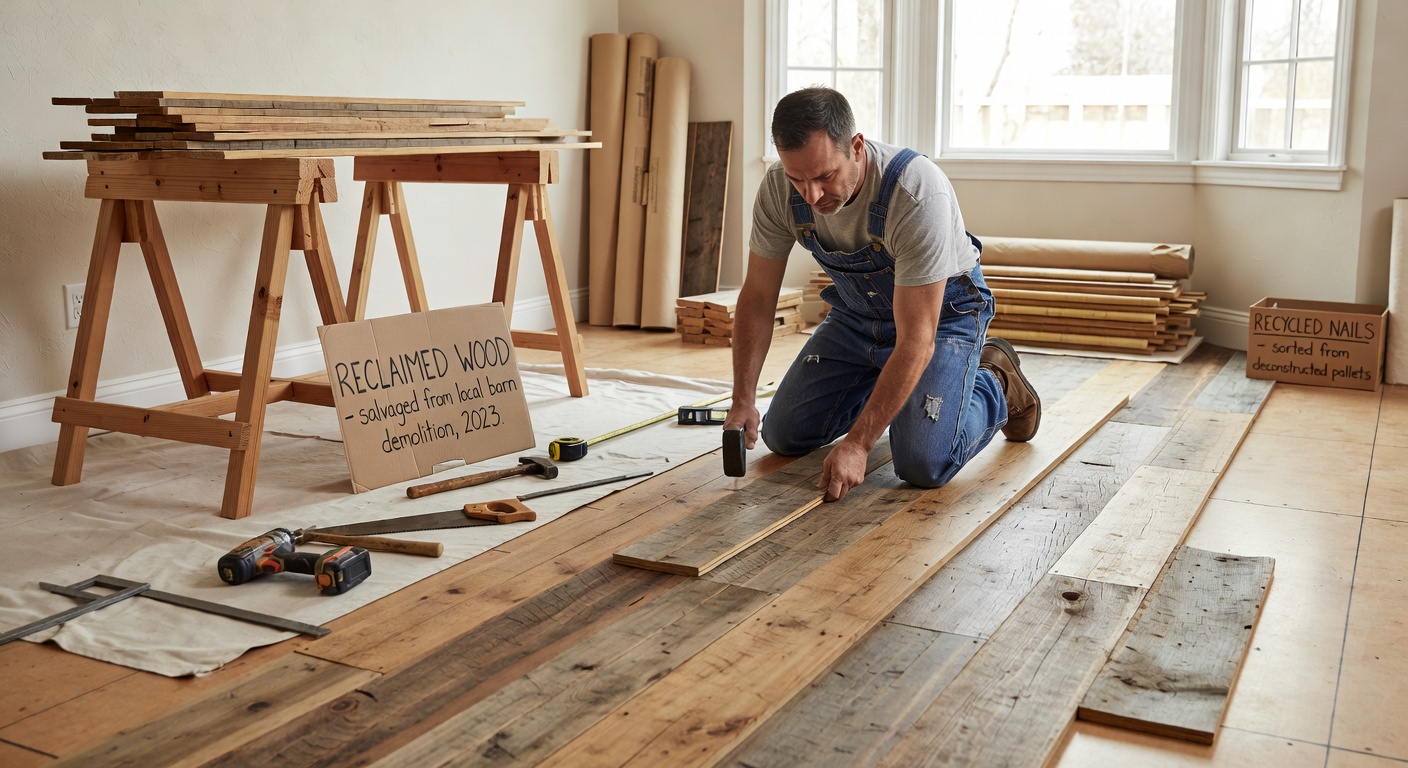
Choosing the right materials is foundational to any budget eco-renovation. Opt for items like bamboo flooring, recycled glass countertops, and low-VOC paints that minimize harm to the planet. These options often cost less upfront than premium conventional alternatives when sourced from local suppliers or salvage yards. Reclaimed wood from deconstructed buildings provides character and durability at a fraction of new lumber prices. For insulation, consider cellulose made from recycled paper or sheep's wool, both of which offer excellent thermal performance. Always verify certifications such as FSC for wood products to ensure ethical sourcing.
Reclaimed wood from deconstructed buildings provides character and durability at a fraction of new lumber prices. For insulation, consider cellulose made from recycled paper or sheep's wool, both of which offer excellent thermal performance. Always verify certifications such as FSC for wood products to ensure ethical sourcing. Additional options include cork tiles derived from renewable bark harvests and recycled plastic decking that resists weathering without chemical treatments.
- Bamboo and cork for flooring: Renewable and quick-growing
- Recycled metal roofing: Long-lasting and reflective
- Hempcrete blocks: Natural insulation with carbon-sequestering properties
- Low-VOC adhesives and sealants for healthier air quality
- Salvaged doors and windows to preserve architectural details
Visit salvage centers to find unique pieces that reduce demand for virgin resources. Pairing these with EPA guidelines on sustainable building ensures compliance and added value. Research local availability to avoid high shipping emissions, and consider bulk purchases with neighbors for even better deals on shared deliveries.
DIY Remodeling Tips That Reduce Waste
Embracing DIY methods empowers homeowners to control costs and waste. Start by planning projects that reuse existing structures, such as refinishing original hardwood floors instead of replacement. This approach cuts material expenses and landfill contributions significantly. Implement a deconstruction mindset: carefully remove fixtures for reuse rather than demolition. Tools like oscillating saws help preserve surrounding materials during updates. For paint projects, use leftover cans mixed into new shades to avoid purchasing extras.
Practical steps include measuring twice before cutting, donating usable scraps to community projects, and composting organic waste from site clearing. These habits align with circular economy principles and deliver tangible savings. Additional techniques involve renting specialized tools instead of buying, creating a detailed inventory of on-site materials before starting, and scheduling work in stages to allow for material curing and adjustments. Always wear protective gear and follow manufacturer instructions for any eco-friendly products to maximize their effectiveness.
Another effective strategy is to upcycle items like old furniture into built-in storage or lighting fixtures. This not only diverts waste but also adds personalized charm to the space. Track your waste reduction by weighing materials diverted from landfills to stay motivated throughout the project.
Comparing Traditional and Sustainable Options
Traditional renovations often rely on vinyl flooring and standard fiberglass insulation, which can off-gas chemicals and require frequent replacement. In contrast, sustainable choices like linoleum or mineral wool provide superior longevity and lower lifecycle impacts. Energy modeling shows that green upgrades, such as adding solar tubes for natural lighting, outperform conventional electric systems in both efficiency and maintenance needs. Homeowners report better air quality and resale appeal with eco options. Review resources from Energy.gov for detailed performance data to guide decisions.
When comparing options, consider factors like durability, maintenance requirements, and end-of-life disposal. For instance, traditional carpet may need replacement every 5-10 years, while wool alternatives last longer and are biodegradable. Sustainable materials frequently offer better moisture resistance and pest deterrence, reducing future repair needs. Use comparison charts during planning to weigh these elements objectively.
Practical Examples of Low-Cost Projects
One successful case involved converting an outdated kitchen using reclaimed cabinetry and Energy Star appliances, achieving significant energy reductions. Another homeowner transformed a bathroom with low-flow fixtures and tile made from recycled ceramics, completing the project under budget through weekend DIY efforts. A third example featured a living room refresh with sheep's wool insulation added to walls and ceilings, paired with natural clay plaster finishes that regulate humidity effectively.
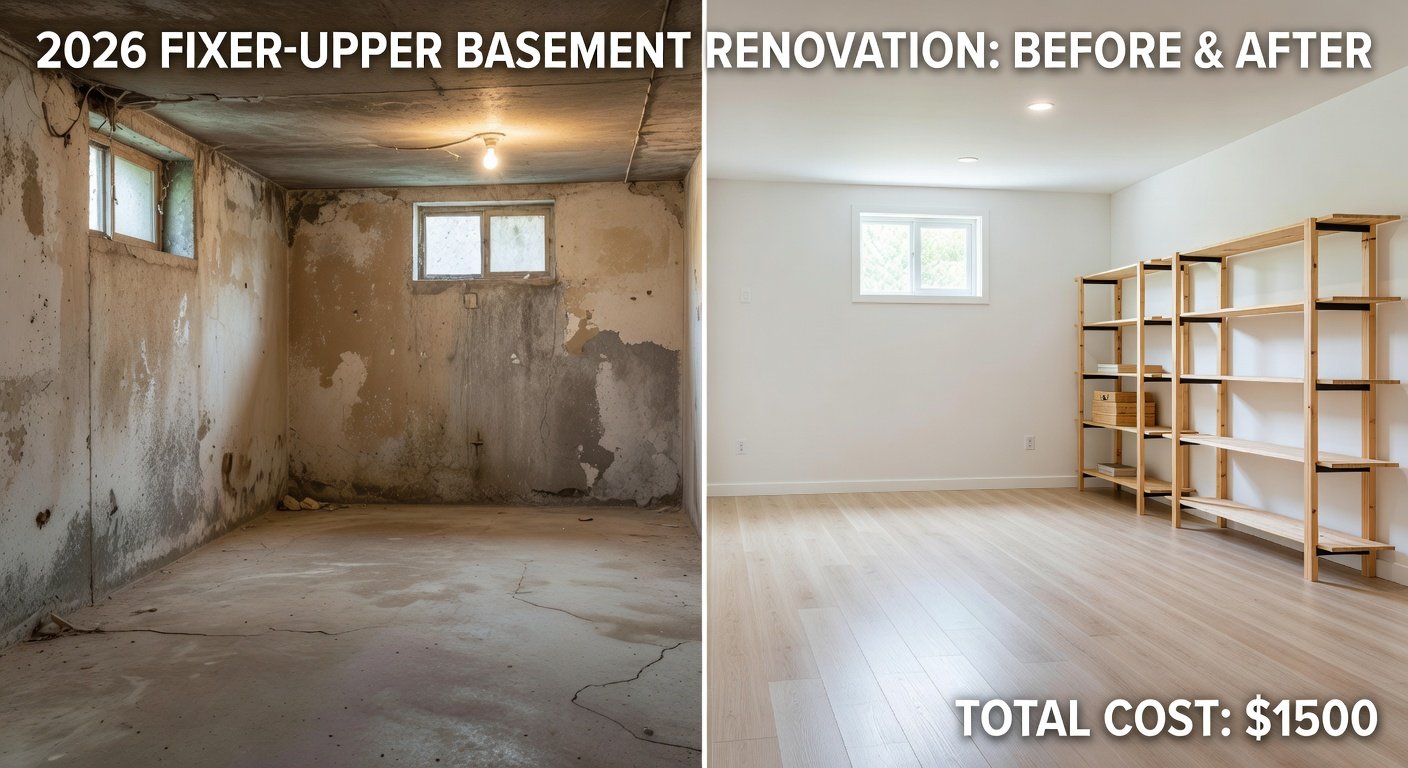
Step-by-step for a simple window upgrade: 1) Assess existing frames for repair potential. 2) Install weatherstripping. 3) Add interior storm panels. This sequence enhances efficiency without full replacement. Document each project with before-and-after photos to inspire future work and share lessons learned with online communities.
Step-by-Step Guides for Implementation
Begin with an energy audit using free online tools or local programs. Prioritize high-impact areas like sealing leaks before cosmetic updates. Track progress with a simple spreadsheet to monitor material reuse rates and cost avoidance. For flooring installation, prepare the subfloor, lay underlayment from recycled content, then secure sustainable planks with non-toxic adhesives. Always test for moisture beforehand to prevent future issues.
Additional guides cover roof repairs using recycled shingles and garden integration with permeable paving to manage stormwater. Each guide emphasizes safety checks and phased execution to accommodate varying skill levels and schedules.
Common Mistakes to Avoid
Many beginners overlook proper ventilation when using new materials, leading to moisture problems. Another frequent error is choosing products without verifying local climate compatibility, which can reduce effectiveness. Always cross-reference with regional building codes and consult Energy Star resources for product ratings.
FAQ on Common Challenges
How do I source materials cheaply? Check online marketplaces, local Habitat for Humanity ReStores, and manufacturer overstock sales.
What if green options exceed my budget? Phase projects over time, starting with paint and insulation that offer quick returns.
Are DIY eco-renos safe for beginners? Yes, with proper research and basic safety gear; start small and consult professionals for electrical or plumbing work.
How does this affect home value in 2026? Sustainable features increasingly appeal to buyers seeking lower operating costs and environmental responsibility.
Can I combine multiple projects efficiently? Yes, group related tasks like insulation and drywall to minimize disruption and tool rentals.
What permits might be needed? Check local regulations early, especially for structural or electrical changes, to avoid delays.
Conclusion
Budget green renovations represent a powerful way to enhance homes while protecting the environment. By applying the strategies outlined above, including careful material selection and waste-conscious DIY practices, homeowners can achieve meaningful results. Continued learning through authoritative sources like NREL supports ongoing success in this evolving field.
No comments yet. Be the first!