 Fixated on Home
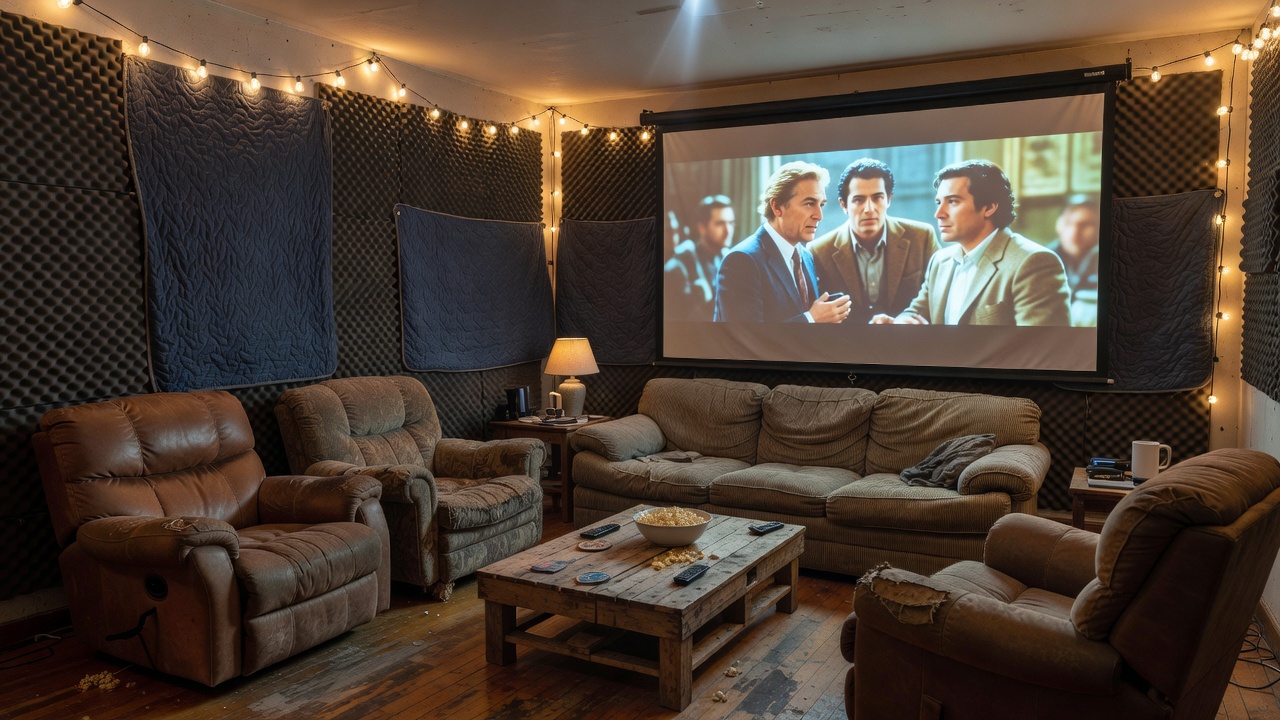
Introduction to Budget Home Theater Renovations in Fixer-Uppers
Creating a dedicated home theater in an older or fixer-upper property offers an exciting way to boost property value and daily enjoyment without breaking the bank. This guide focuses on practical, low-cost approaches tailored to renovation projects, emphasizing soundproofing, display choices, seating, lighting, and wiring. Whether you're updating a basement or living room, these strategies help deliver cinema-like experiences while aligning with broader home improvement goals. Fixer-uppers often present unique opportunities because their existing structures allow for creative integrations that newer homes might not accommodate as easily.
Many homeowners discover that older properties have underutilized spaces like basements or spare rooms perfect for conversion. By prioritizing affordable materials and step-by-step planning, you can achieve professional results. The emphasis stays on maximizing entertainment value through smart choices rather than expensive overhauls, ensuring the project remains accessible for beginners and aligns with overall renovation timelines.
Planning Your Project: Setting Goals and Assessing the Space
Before starting any renovation, evaluate the room's acoustics, layout, and existing infrastructure thoroughly. Measure the space to determine optimal screen size and seating arrangements, paying attention to ceiling height and window placements that could affect light control. Identify specific goals such as improved sound isolation or better viewing angles to guide material selections and avoid common pitfalls like poor cable management later on.
Consider how the theater integrates with the rest of the home, especially in open-concept fixer-uppers where noise can travel easily. Document current conditions with photos and notes to track progress. This assessment phase also includes checking for potential structural issues that might require professional input, helping you create a realistic timeline that fits your home improvement objectives.
Soundproofing Walls on a Budget
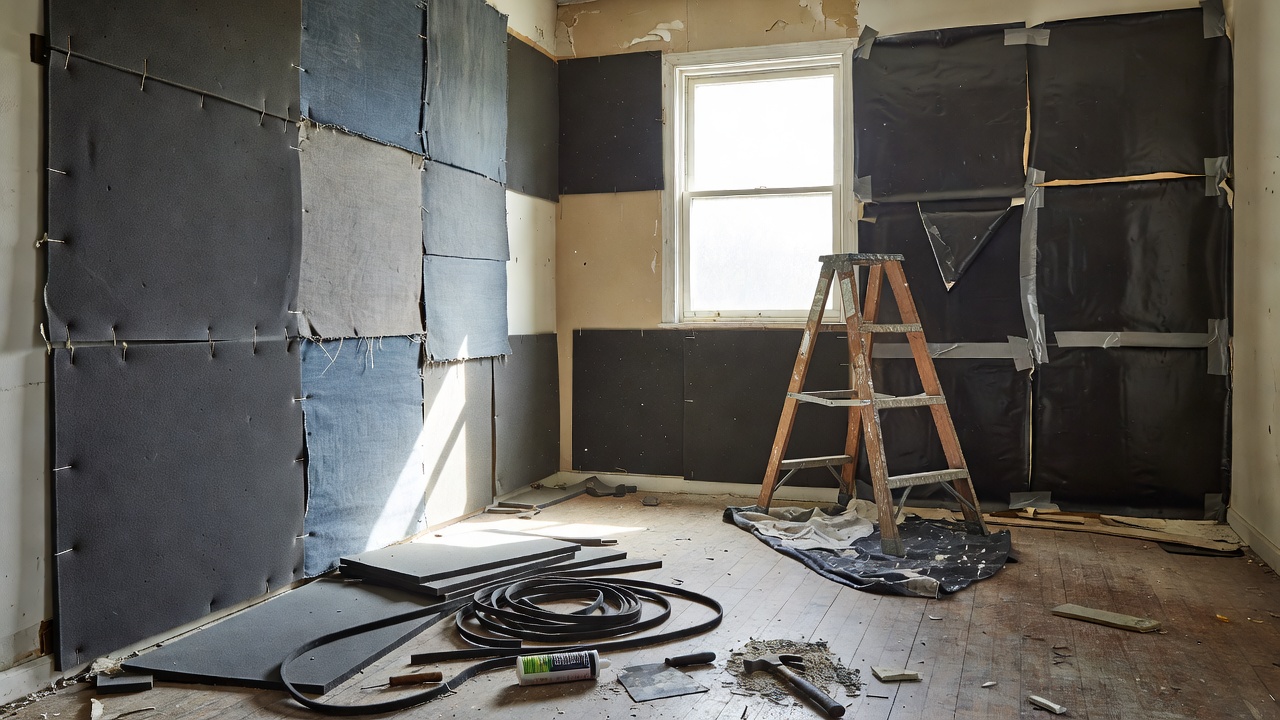
Effective soundproofing prevents noise leakage and enhances immersion for a truly cinematic feel. Start with affordable options like mass-loaded vinyl applied directly to existing drywall or acoustic caulk used to seal joints and gaps. Layering heavy curtains, moving blankets, or even repurposed rugs over walls provides quick, reversible wins for beginners tackling their first project.
For deeper renovations, add resilient channels between studs before installing new drywall layers. Seal gaps around outlets, switches, and doors with weatherstripping or foam tape. These methods improve audio clarity dramatically while keeping the project manageable. Homeowners can also explore green alternatives such as recycled denim insulation for added thermal benefits. Learn more about energy-efficient insulation techniques that complement soundproofing efforts.
Projector Versus TV: Choosing the Right Display
Selecting between a projector and television depends on room size, ambient light conditions, and long-term viewing priorities. Projectors excel in dedicated dark spaces for creating large, immersive images, while modern TVs deliver brighter performance suitable for rooms with some natural light filtering through.
Compare throw distances, mounting flexibility, and power requirements carefully. Many fixer-upper projects favor short-throw projectors mounted on ceilings to preserve valuable floor space. Test both options in your specific environment to ensure the final choice supports comfortable extended viewing sessions without eye strain.
Seating and Lighting Hacks for Comfort
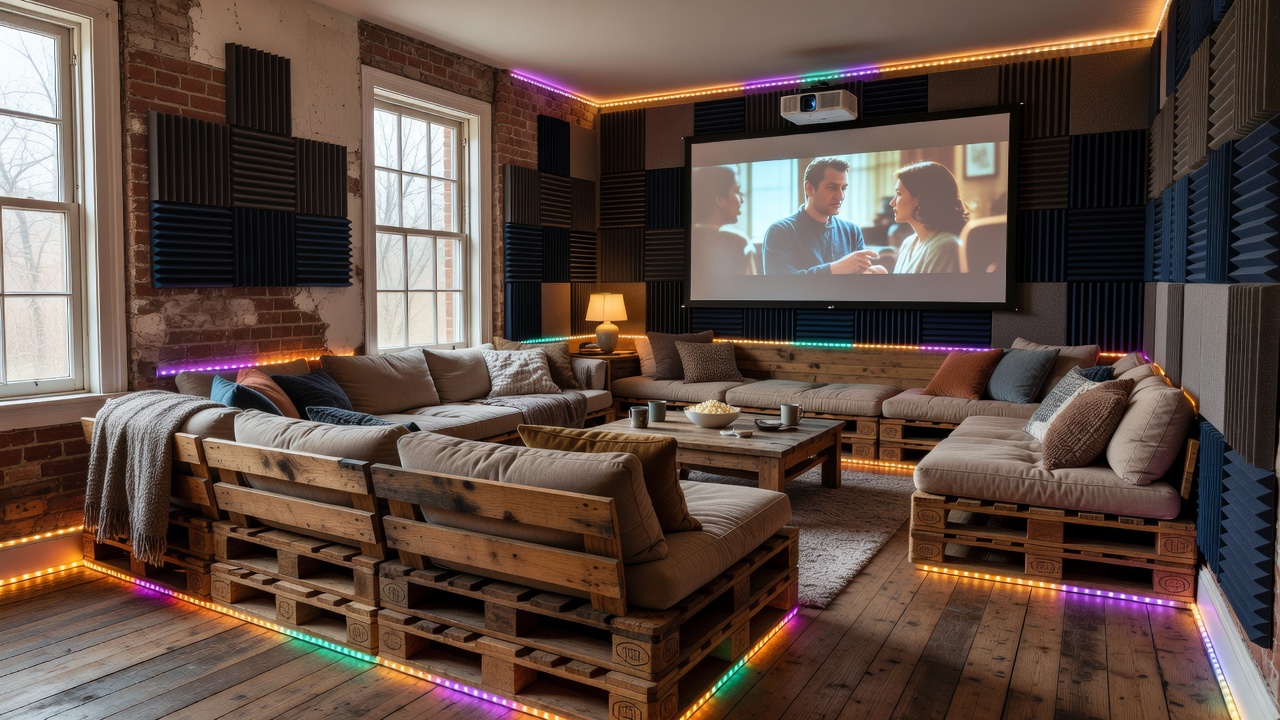
Comfortable seating transforms any space into an inviting entertainment hub. Repurpose secondhand sofas or build simple raised platforms using plywood bases topped with dense foam cushions. Incorporate practical additions like built-in cup holders and accessible USB charging ports to enhance everyday usability.
Lighting plays a crucial role in setting the right ambiance. Install dimmable LED strips behind screens or along baseboards for subtle backlighting that reduces eye fatigue. Use app-controlled smart bulbs to create preset scenes tailored for movie nights or casual viewing. These affordable hacks deliver professional-level results without requiring custom electrical work.
Basic Wiring Tips for Clean AV Setups
Proper wiring ensures reliable performance and future expandability. Run cables through walls or along baseboards using plastic raceways for a clean, professional finish. Always label connections clearly and incorporate surge protection to safeguard sensitive electronics from power fluctuations common in older homes.
Plan ahead for future expansions by including extra conduits during the initial renovation phase. In fixer-uppers, inspect for outdated knob-and-tube wiring and update as necessary for safety compliance. Review guidelines on home renovation safety to maintain best practices throughout the process.
Step-by-Step Remodeling Tips and Real Examples
Follow this proven sequence for consistent success: first clear and clean the designated space completely. Next handle all soundproofing measures before moving to display installation and mounting. Then add seating arrangements and lighting elements, finishing with full system testing and calibration.
Real-world examples illustrate these principles effectively. One homeowner converted a 1950s garage into a compact theater by combining repurposed theater-style seating with basic wall insulation upgrades. Another project turned a spare bedroom into an immersive viewing area using a ceiling-mounted projector paired with strategically placed acoustic panels that improved overall sound quality noticeably.
Cost Breakdowns Tied to Home Improvement Goals
Align spending decisions with your broader renovation priorities by focusing resources on high-impact areas such as insulation and display mounting first. Choose versatile materials that serve multiple functions, including acoustic panels that double as decorative elements enhancing room aesthetics.
Track all expenses against potential increases in overall home value. This strategic approach supports scalable upgrades, allowing you to implement changes in phases as additional funds become available and as your entertainment needs evolve over time.
Mistakes to Avoid During the Renovation
Common errors include underestimating sound leakage paths through floors and ceilings or neglecting proper ventilation around equipment. Always measure twice before cutting materials and test cable runs before finalizing wall coverings. Another frequent oversight involves ignoring local building codes, which can lead to complications during resale.
Take time to research equipment compatibility early, as mismatched components can reduce system efficiency. Learning from these pitfalls helps ensure a smoother project that delivers lasting satisfaction.
FAQs on Permits and Scaling Projects
- Do I need permits for a home theater? Permits are often required for electrical modifications or any structural alterations; consult local building authorities at the planning stage to avoid delays.
- How can I scale the project later? Design modular setups with accessible connection points that allow easy additions such as extra speakers or upgraded displays without major reconstruction.
- What if noise complaints arise from neighbors? Prioritize comprehensive soundproofing measures from the beginning and schedule noisy construction during reasonable daytime hours.
- Can I incorporate smart home features affordably? Yes, start with basic app-controlled lighting and gradually expand to voice-activated controls as budget permits.
These detailed answers address frequent concerns encountered during fixer-upper AV projects and help maintain compliance and neighbor relations.
Conclusion
Budget home theater renovations in fixer-uppers deliver lasting entertainment value through thoughtful planning and affordable techniques. By addressing soundproofing, display options, seating, lighting, and wiring systematically, you create a versatile space that enhances both daily living and long-term property appeal. Start with small achievable steps, iterate based on real results, and enjoy the rewarding process of transforming underused areas of your home into a personal cinema retreat.
No comments yet. Be the first!