 Fixated on Home
Introduction to Budget Home Theater Renovations in Fixer-Uppers
Transforming a fixer-upper into a cozy home theater does not require a massive budget. Homeowners in 2026 are increasingly turning to smart remodeling strategies that blend cost savings with high-impact results. This guide explores practical approaches to creating an entertainment space using affordable materials and DIY techniques tailored for older homes needing updates. Many properties from the mid-20th century feature uneven walls, outdated wiring, and limited insulation, making targeted upgrades essential for both comfort and functionality. By focusing on modular improvements rather than full gut renovations, you can achieve professional-grade results while preserving the home's character and staying within reasonable spending limits.
Focus areas include soundproofing walls economically, building custom seating, choosing between projectors and smart TVs, and incorporating energy-efficient lighting. These elements help maximize comfort while minimizing expenses and aligning with modern sustainability trends. Real-world applications from recent projects demonstrate how small swaps, such as using recycled materials or layering existing surfaces, can dramatically improve acoustics and viewing experiences without disrupting daily life during construction.
Soundproofing Walls on a Budget
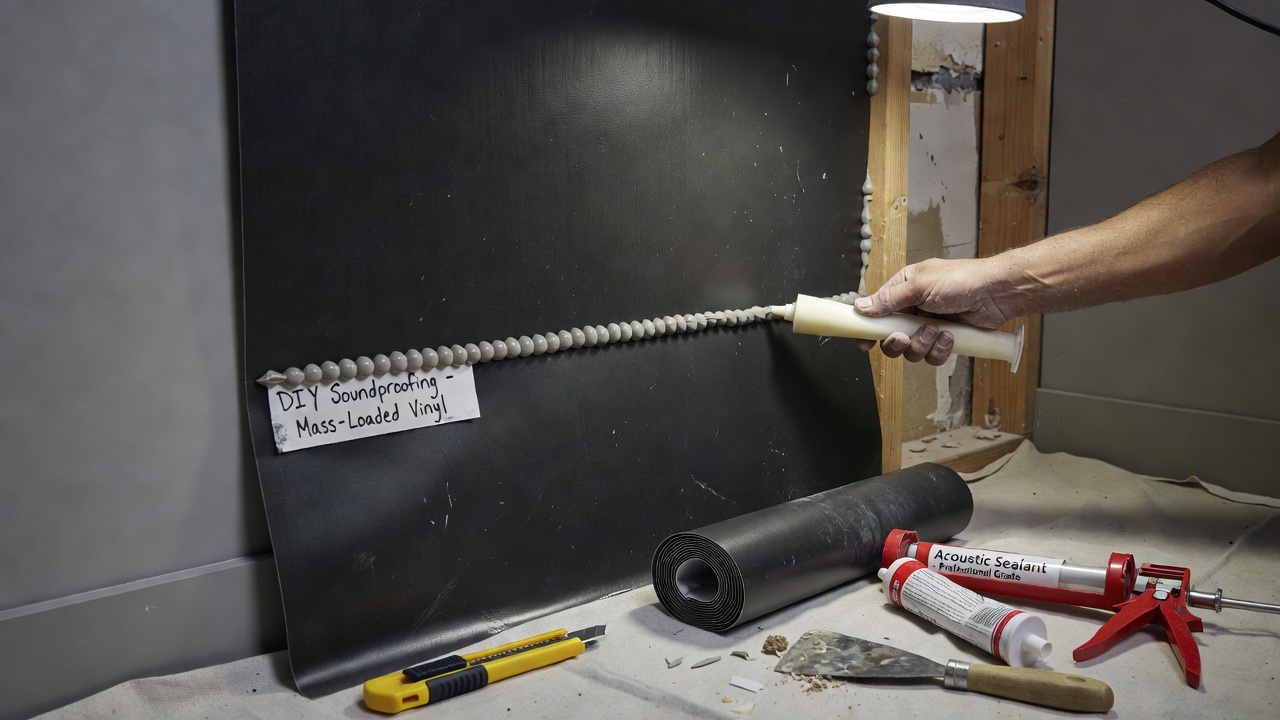
Effective soundproofing starts with identifying weak points in existing walls common to fixer-uppers. Use affordable materials like acoustic caulk, mass-loaded vinyl, and recycled denim insulation to reduce noise transfer without professional installation. Begin by conducting a thorough walkthrough to locate cracks, gaps around electrical outlets, window frames, and door thresholds where sound leaks most frequently. Applying acoustic caulk in these areas provides an immediate seal that prevents drafts and audio bleed simultaneously.
Layering green glue between new and existing drywall sheets adds mass and damping at a fraction of the cost of full reconstruction. For even greater savings, repurpose moving blankets or heavy curtains as temporary barriers during initial testing phases before committing to permanent fixtures. In 2026 projects involving 1950s ranch-style homes, homeowners reported successful noise reduction by combining mass-loaded vinyl with thick baseboard molding extensions. Always test incrementally by playing audio at varying volumes and measuring results with a simple smartphone decibel app to confirm effectiveness before committing to full coverage across multiple walls.
Comparisons of material options show that recycled denim insulation outperforms fiberglass in moisture-prone fixer-uppers because it resists mold while offering comparable sound absorption. Avoid over-applying heavy products on load-bearing walls to maintain structural integrity, and consider consulting local building codes for any electrical or ventilation adjustments required during the process.
DIY Seating Solutions for Comfort and Savings
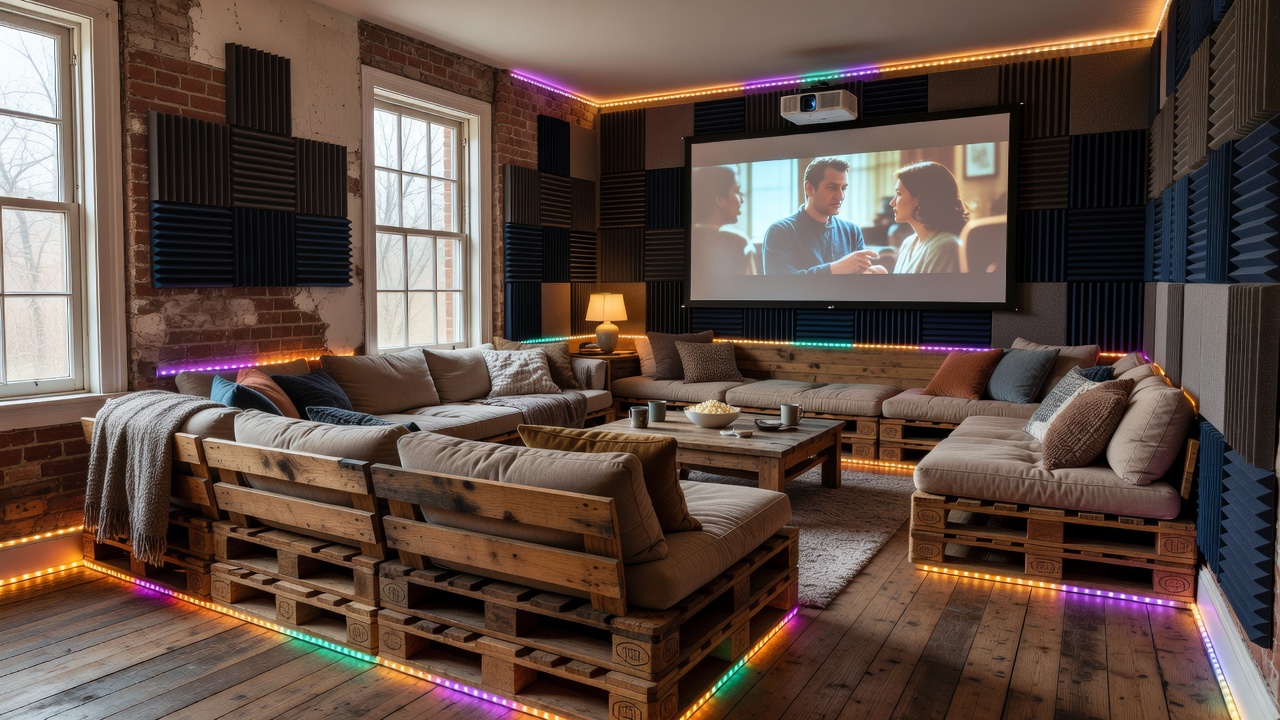
Custom seating elevates the theater experience yet remains accessible through creative builds. Pallet sofas covered in durable fabric or repurposed church pews offer sturdy, stylish options that fit irregular spaces often found in older properties. Additional ideas include constructing tiered platforms from reclaimed lumber for stadium-style seating or converting sturdy bookshelves into low-profile benches with added padding.
Step-by-step, measure your area first, source free or low-cost wood from local reclamation centers, then assemble modular sections that can be rearranged as needs evolve. Add foam cushions wrapped in washable covers for longevity and easy maintenance, and incorporate storage compartments underneath for blankets or media accessories. Comparisons of popular budget options reveal that DIY modular benches outperform ready-made bean bags in durability for group viewing, while costing significantly less over time and allowing personalization to match room aesthetics.
Practical examples from 2026 renovations in urban fixer-uppers highlight how families built L-shaped sectional units using only basic tools like drills and saws, resulting in seating that accommodates six people comfortably. Incorporate lumbar supports and armrests made from rolled towels or foam blocks to enhance ergonomics during long movie sessions.
Projector Setups Versus Smart TVs: Making the Right Choice
Selecting the display technology depends on room size, lighting conditions, and long-term use. Projectors excel in dedicated dark spaces, delivering large images at lower upfront costs, whereas smart TVs provide plug-and-play convenience with built-in streaming apps and quick integration with voice assistants. Evaluate your fixer-upper's layout carefully: if natural light is hard to control due to multiple windows, opt for a high-lumen projector paired with an ambient-light-rejecting screen that maintains image clarity even during daytime viewing.
Smart TVs suit multi-purpose rooms where quick switching between dedicated theater mode and casual family viewing is needed. 2026 examples from suburban renovations highlight hybrid approaches, such as ceiling-mounted projectors with motorized screens that retract for everyday use, balancing versatility and immersion. Consider mounting hardware that allows easy adjustments and pairing the system with a soundbar for improved audio that compensates for projector limitations in bass response.
Energy-Efficient Lighting Tips
Lighting enhances ambiance while controlling energy use. Install LED strips behind screens and cove molding for bias lighting that reduces eye strain and complements modern energy efficiency guidelines. Dimmable smart bulbs allow scene customization without rewiring entire circuits, and motion sensors in adjacent hallways prevent unnecessary power draw when the space is unoccupied.
Swap outdated fixtures for models compatible with smart home ecosystems to enable scheduling and remote control via apps. These upgrades align with broader environmental best practices and can lower ongoing utility demands in renovated homes. Additional strategies include using warm-toned LEDs to create a cinematic atmosphere and layering overhead, task, and accent lighting for flexibility during different activities like gaming or reading.
Budget Planning and Material Swaps for Cost Savings
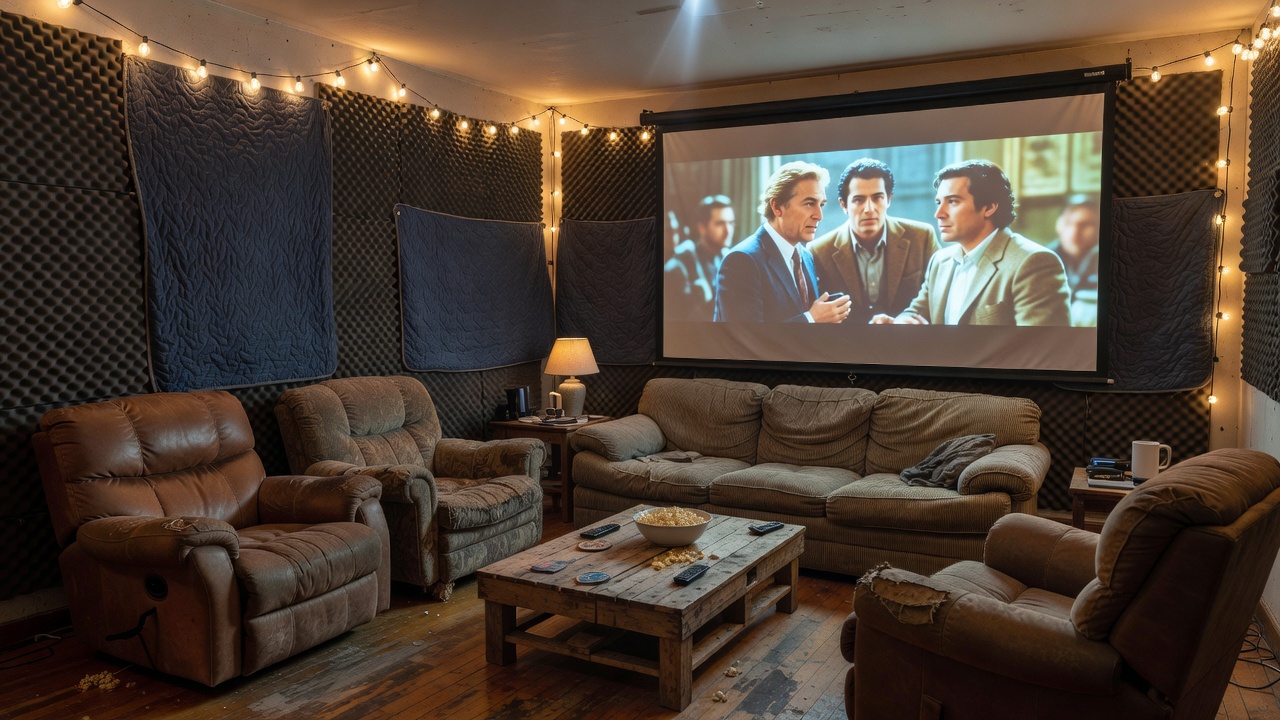
Successful budget renovations begin with prioritizing high-impact areas over cosmetic details. Swap premium acoustic panels for layered moving blankets combined with heavy-duty staples, or replace custom cabinetry with open shelving made from salvaged doors. Track expenses by creating a simple spreadsheet that categorizes purchases into sound, seating, display, and lighting sections, allowing adjustments if one category exceeds expectations.
Materials Checklist and Step-by-Step Remodeling Instructions
- Acoustic sealant and mass-loaded vinyl for walls to seal and add density
- Recycled insulation and green glue compound for layered sound absorption
- Reclaimed wood pallets or lumber for seating frames emphasizing sustainability
- High-density foam and fabric for comfortable, replaceable cushions
- LED strip kits and dimmable smart bulbs for versatile, low-energy illumination
- Projector mount hardware or TV wall bracket rated for your display weight
- Blackout curtains or tension screens to control ambient light effectively
- Cable management conduits and surge protectors for organized, safe wiring
Follow a phased approach: prepare surfaces by cleaning and repairing, install soundproofing layer by layer, build and position seating for optimal sightlines, set up display and lighting systems with testing, then add finishing touches like cable management and decorative elements. Document progress with photos to track material usage and adjustments for future reference or resale value.
Common Pitfalls, Mistakes to Avoid, and FAQs
Many homeowners overlook ventilation needs when soundproofing, leading to stuffy rooms during extended use. Always incorporate passive vents or small exhaust fans rated for quiet operation. Another frequent error is underestimating screen size relative to seating distance, which affects viewing comfort and can cause neck strain. Measure viewing angles carefully and test temporary setups before final installation.
How do I handle uneven floors in old homes?
Use adjustable furniture feet or self-leveling compounds before installing seating platforms to ensure stability and safety.
What is the best way to manage cables discreetly?
Run cables through wall channels or use cord covers painted to match surfaces for a clean, professional appearance that avoids tripping hazards.
Can these upgrades be reversed if needed?
Yes, focus on modular and non-permanent solutions like freestanding panels and clip-on lighting to preserve original character for potential future buyers.
How can I improve acoustics further without adding thickness to walls?
Incorporate soft furnishings such as area rugs, upholstered panels, and bookshelves filled with media to absorb echoes naturally.
What maintenance is required for DIY seating over time?
Regularly check joints for loosening, rotate cushions to prevent wear, and treat wood surfaces with protective sealants annually.
Conclusion
With thoughtful planning and budget-conscious material choices, any fixer-upper can host an impressive home theater by 2026. Apply these remodeling tips to create a space that delivers entertainment value while respecting both finances and the home's existing structure. Continued experimentation with small tweaks will refine the experience and provide lasting enjoyment for family and guests alike.
No comments yet. Be the first!