 Fixated on Home
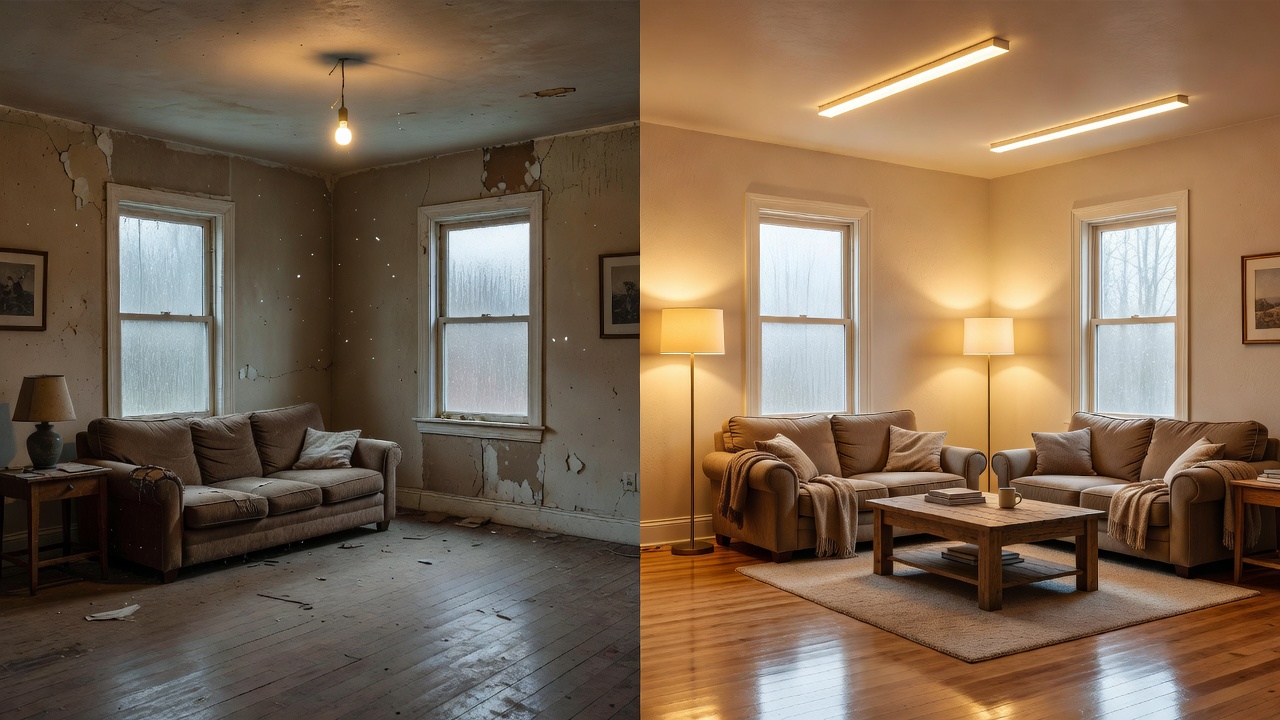
Budget Lighting Reno: Fixer-Upper Glow-Up Ideas 2026
Transforming a fixer-upper doesn't require a massive budget when you focus on strategic lighting upgrades. Homeowners in 2026 are prioritizing energy-efficient solutions that enhance both aesthetics and functionality while keeping costs manageable. This guide explores practical ways to achieve a stunning glow-up using budget reno strategies centered on LED technology, fixture repurposing, and thoughtful light layering that can refresh entire homes without major electrical overhauls.
Why Lighting Matters in Fixer-Upper Renovations
Lighting sets the mood, improves usability, and can dramatically increase perceived space in older homes. Poor lighting in fixer-uppers often stems from outdated fixtures or insufficient natural light flow. By addressing these issues affordably, you boost home value and daily comfort without overspending. In many older properties, original wiring and fixtures from decades past create dim, uneven illumination that makes rooms feel smaller and less inviting. Strategic updates address these pain points directly, turning neglected spaces into welcoming areas that support modern lifestyles.
Selecting Energy-Efficient LEDs for Long-Term Savings
LED bulbs and fixtures outperform traditional options in efficiency and lifespan. Look for ENERGY STAR certified products that reduce electricity use significantly. When shopping, compare color temperatures—warm whites (2700K-3000K) for living areas and cooler tones (4000K-5000K) for task zones like kitchens. These choices deliver modern appeal while cutting long-term utility expenses. Consider dimmable options and smart-ready bulbs that allow future expansions. Repurposing existing fixtures is another smart move. Clean and repaint old chandeliers or swap in new LED-compatible sockets to refresh them instantly. This approach preserves character in vintage homes while aligning with contemporary energy standards. Authoritative guidance on efficient lighting is available at energystar.gov.
Repurposing Existing Fixtures for Instant Impact
Many fixer-uppers come with dated but structurally sound fixtures that can be revitalized. Start by removing shades or globes and cleaning thoroughly with mild soap. Apply fresh paint in neutral tones to match your new color scheme. Replace incandescent sockets with LED-rated versions for safety and performance. Examples include turning an old dining room chandelier into a statement piece with Edison-style LED bulbs or converting wall sconces into reading lights with added arms. These projects require minimal tools and deliver high visual returns.
Layering Ambient, Task, and Accent Lighting on a Budget
Effective lighting design combines three layers. Ambient lighting provides overall illumination, often from ceiling fixtures or natural sources. Task lighting targets specific activities, such as under-cabinet LEDs in kitchens or desk lamps in home offices. Accent lighting highlights architectural features or artwork through wall sconces or spotlights. In fixer-uppers, start by maximizing natural light flow with strategic mirror placement and light-colored window treatments. Then add affordable LED strips or plug-in lamps for layering. This method creates depth without expensive rewiring. For instance, in a living room, combine a central ambient fixture with floor lamps for tasks and picture lights for accent. Kitchen examples show how under-cabinet strips paired with a central pendant improve both prep areas and dining spaces.
Step-by-Step Installation Guide for Beginners
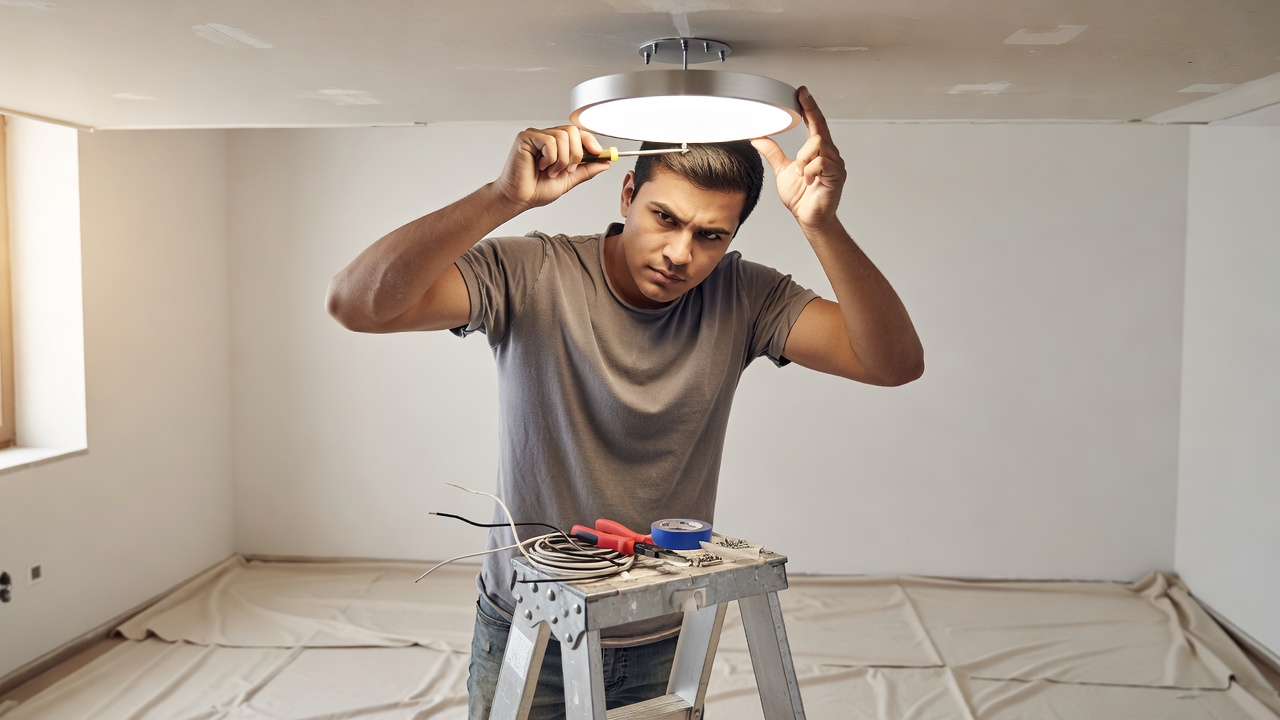
Beginners can tackle many lighting projects safely with preparation. Gather tools including a voltage tester, wire strippers, screwdrivers, and a ladder. First, turn off power at the breaker and verify with a tester. Remove old fixtures and inspect wiring for damage or fraying. Install new LED-compatible bases, ensuring all connections are secure with wire nuts and electrical tape. For ceiling mounts, use appropriate anchors for weight support. Test the circuit before restoring power. Always consult local codes and consider professional help for complex electrical work. Multiple 2026 project examples demonstrate how swapping outdated fluorescent kitchen lights for LED panels brightened workspaces dramatically. Bathroom updates often involve replacing vanity bars with LED versions that reduce shadows during grooming routines.
Smart Bulbs vs Traditional Options: Key Comparisons
Smart bulbs offer app-controlled dimming and color changes, ideal for modern homes seeking automation. Traditional LEDs provide reliable, low-cost illumination without extra tech or hubs. Weigh your needs: smart options suit tech-savvy users seeking automation and scheduling, while standard LEDs excel in straightforward, budget-conscious upgrades. Integration with voice assistants adds convenience in smart setups, but compatibility checks with existing switches are essential. Resources on home energy efficiency can be found at energy.gov.
Maximizing Natural Light Flow in Remodels
Incorporate remodeling tips like enlarging window openings where feasible or using skylights in key areas. Light-reflecting paint on ceilings and walls amplifies daylight, reducing reliance on artificial sources during daytime hours. Sheer curtains and strategic furniture placement prevent blockages. These adjustments complement artificial layers and lower energy demands overall. Additional guidance on sustainable home improvements appears at epa.gov.
Practical Shopping Lists and ROI Considerations
Compile a focused list including LED bulbs, basic fixtures, dimmer switches, and mounting hardware. Prioritize versatile items that serve multiple rooms, such as adjustable track heads or portable lamps. DIY approaches typically yield substantial savings compared to hiring professionals, enhancing overall renovation return on investment through hands-on execution. Track progress with before photos to document improvements and inspire future phases.
Pro vs DIY Savings Breakdown
Professional installation adds labor costs, whereas DIY keeps expenses to materials only. Many homeowners report strong ROI by handling straightforward fixture replacements themselves, freeing funds for other upgrades like paint or flooring. Decision factors include your comfort level with basic electrical work and the complexity of existing wiring.
Common Mistakes to Avoid
- Overlooking color temperature consistency across rooms, which creates jarring transitions.
- Skipping compatibility checks between new LEDs and old dimmers, leading to flickering.
- Ignoring ceiling height when selecting fixture sizes, resulting in disproportionate looks.
- Failing to plan for future needs like smart home integration.
Room-by-Room Application Examples
Living rooms benefit from layered setups with overhead ambient plus reading accents. Kitchens gain from task-focused under-cabinet lighting. Bedrooms use warm ambient for relaxation and bedside task lights. Bathrooms prioritize bright, shadow-free vanity illumination. These tailored approaches ensure every space functions optimally within a cohesive budget plan.
FAQ: Addressing Common Wiring Concerns
- Is it safe to replace fixtures myself? Yes, for basic swaps if you follow safety protocols and local regulations.
- What if wiring is outdated? Have an electrician evaluate before proceeding to avoid hazards.
- Can LEDs work with old dimmers? Often not; upgrade to compatible LED dimmers for best results.
- How do I handle three-way switches? Match the new fixture's wiring diagram carefully or seek guidance.
- Are permits needed for simple replacements? Usually not, but check your local building department for specifics.
- What maintenance do LED fixtures require? Minimal, mainly occasional cleaning of shades and bulbs.
These steps ensure safe, effective upgrades tailored to fixer-upper challenges.
Conclusion
Budget lighting renovations empower homeowners to revitalize spaces affordably in 2026. By focusing on LEDs, repurposing, and layered designs, your fixer-upper can achieve a professional glow-up that improves livability and value for years to come.
No comments yet. Be the first!