 Fixated on Home
Introduction to Budget Outdoor Kitchen Renovations
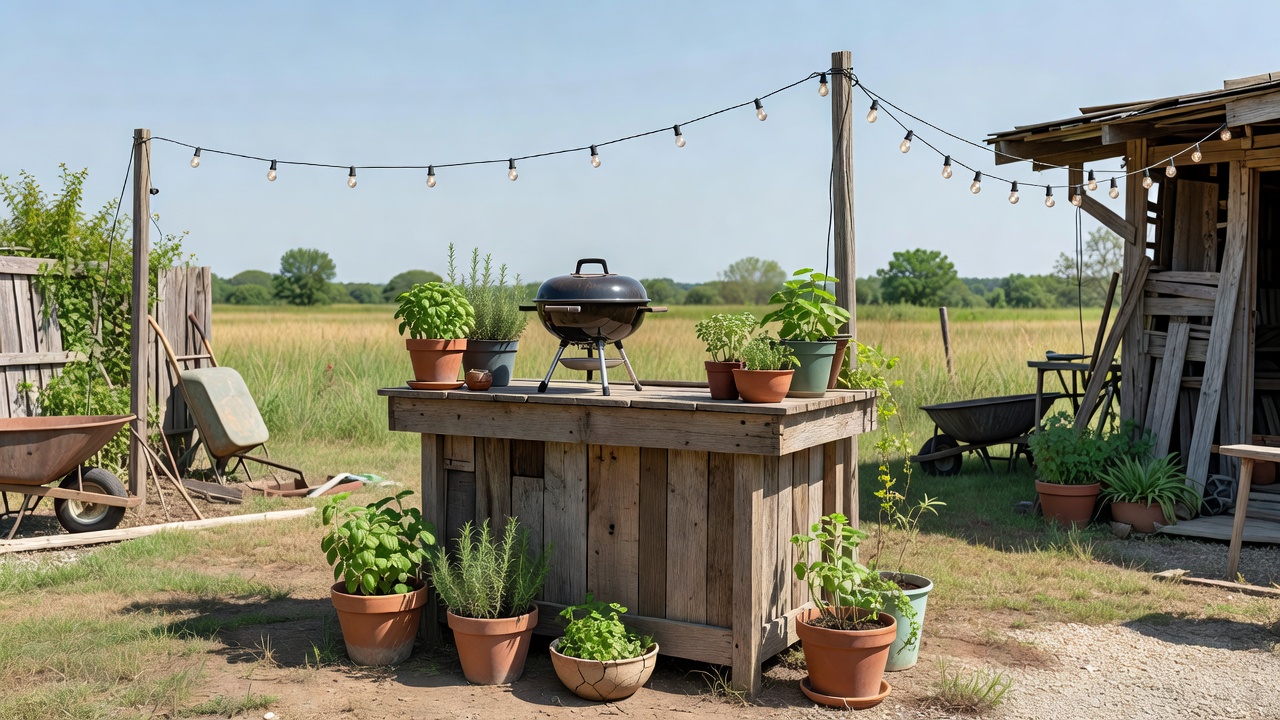
Homeowners with fixer-upper properties often dream of seamless indoor-outdoor living spaces. In 2026, creating a functional outdoor kitchen on a tight budget has become more achievable than ever. This guide explores realistic strategies to build an outdoor kitchen renovation while maximizing style and utility. Focus remains on material swaps, simple appliance integrations, and weatherproofing that align with current home improvement trends. Fixer-upper backyards present unique opportunities. With thoughtful planning, you can transform neglected patios into inviting cooking and entertaining zones without overspending. The emphasis stays on practical steps that deliver strong returns on investment through increased property value and daily enjoyment. Blending indoor-outdoor flow enhances the overall living experience, allowing families to extend their kitchens into the fresh air while keeping costs controlled.
Many homeowners seek these upgrades to boost home appeal and functionality. Recent trends emphasize sustainability and multi-use designs that adapt to various weather conditions. By focusing on durable yet affordable elements, projects can achieve professional results with basic skills and readily available supplies.
Step-by-Step Layout Planning for Small Spaces
Begin by assessing your available backyard footprint. Measure the area and sketch basic zones for cooking, prep, and seating. Prioritize traffic flow to avoid crowding. In fixer-uppers, existing structures like old decks or concrete slabs can serve as foundations, reducing demolition costs. Consider the indoor-outdoor connection. Position the outdoor kitchen near a back door or window for easy access to indoor utilities. This layout enhances functionality and creates a natural extension of living areas. Use graph paper or free online tools to experiment with arrangements before committing to builds.
Account for sun exposure, prevailing winds, and proximity to neighbors when finalizing placement. Test the layout by marking zones with tape or string on the ground. This visual aid helps identify potential issues like awkward reach distances or blocked pathways. Incorporate storage early in the plan to prevent clutter later. For narrow yards, opt for linear arrangements along one wall rather than central islands that consume valuable floor space.
Key Considerations for 2026 Trends
Modern designs favor multi-functional islands and sustainable materials. Incorporate elements like built-in planters or vertical gardens to soften the space. Ensure the layout supports both casual family meals and larger gatherings. Integrate lighting plans from the start, choosing solar or low-voltage options that complement the overall aesthetic without complex wiring.
Material Swaps for Cost-Effective Builds
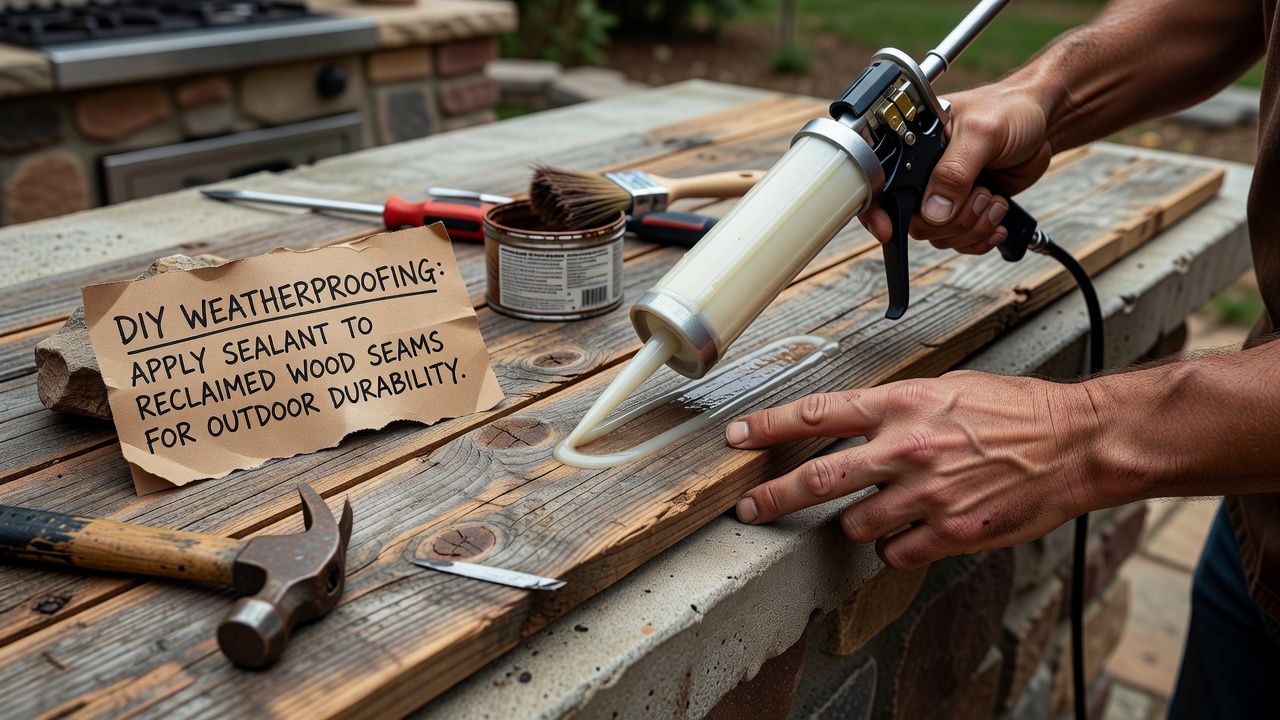
Replace expensive stone or stainless with affordable alternatives. Reclaimed wood from local salvage yards offers rustic charm at lower prices. Concrete countertops poured on-site provide durability and a custom look without premium costs. For cabinets, opt for weather-resistant plywood sealed properly rather than high-end outdoor-rated units. Metal accents from hardware stores can mimic luxury finishes when painted correctly. These swaps keep projects aligned with budget goals while meeting 2026 preferences for eco-friendly and durable choices. Compare material lifespans and maintenance needs before purchasing. For instance, treated lumber resists rot better than untreated options in humid climates, while composite decking boards provide a low-maintenance surface alternative.
DIY Appliance Integration and Grill vs Smoker Setups
Integrating appliances starts with selecting portable or built-in units that fit your power and gas sources. A standard gas grill serves most needs efficiently. For enthusiasts, compare it against a smoker setup. Grills offer quick searing and versatility for weeknight cooking, while smokers excel at low-and-slow barbecue but require more space and monitoring. Cost comparisons show grills generally demand less upfront investment and maintenance. Factor in fuel type and ventilation needs. Secure appliances to fixed bases for safety and weather resistance. Many DIYers repurpose old indoor appliances with proper modifications for outdoor use. Always verify clearance requirements and install heat shields where necessary to protect surrounding surfaces.
Weatherproofing Techniques for Longevity
Proper sealing protects investments from rain, sun, and temperature swings. Apply marine-grade sealants to wood surfaces and use UV-resistant paints. Install a simple pergola or retractable awning for shade and precipitation protection. Elevate electrical components and use GFCI outlets rated for outdoor environments. These techniques, drawn from established home improvement practices, prevent common failures. Regular inspections help maintain performance year-round. Explore guidance from official environmental resources on sustainable outdoor materials. Add a layer of concrete sealer on countertops and check joints seasonally for gaps. In regions with heavy snowfall, consider removable covers that allow airflow to prevent mold buildup underneath.
Space-Saving Storage Solutions
Maximize limited areas with vertical storage racks and rolling carts. Wall-mounted shelves hold spices and tools within reach. Under-counter bins keep items organized and protected. Incorporate magnetic strips for knives and hooks for utensils to free up counter space. Use stackable bins for seasonal items. Install fold-down tables that double as prep surfaces. Choose weatherproof covers for all stored goods. Additional ideas include pegboards for hanging pots and hidden compartments within the island base for larger items like coolers. Label containers clearly and rotate stock to avoid waste. These solutions keep the workspace tidy and efficient during peak use periods.
Practical Examples from Recent Remodels and ROI Tips
Recent fixer-upper projects demonstrate success with phased builds. One example started with a basic grill station and added storage modules over time. Another incorporated a smoker alongside a compact sink using salvaged fixtures. These approaches delivered noticeable curb appeal and higher resale values. To maximize ROI, focus on high-impact areas like lighting and seating. Quality outdoor fixtures create ambiance without major expense. Track local market trends and document upgrades for potential buyers. Additional insights are available through national standards on building practices. A third project added vertical gardens beside the cooking area, improving both aesthetics and air quality while using minimal ground space. Homeowners reported quicker sales after completing these targeted improvements.
Common Mistakes to Avoid
Skipping proper foundation leveling leads to uneven surfaces and drainage issues. Overlooking local climate data when choosing materials can result in premature wear. Failing to plan for utility access complicates future repairs. Always measure twice before cutting and consult neighbors if structures approach property lines. These oversights increase long-term costs and frustration.
FAQ: Common Pitfalls Like Permits and Maintenance
Do I need permits? Check local regulations early. Many areas require permits for gas lines or permanent structures to ensure safety compliance.
How do I handle maintenance? Schedule seasonal cleanings and reseal surfaces annually. Address minor issues promptly to avoid larger repairs.
What mistakes should I avoid? Skipping weatherproofing or poor layout planning often leads to frustration. Always verify appliance compatibility before purchase.
How often should surfaces be inspected? Conduct checks every three months, focusing on seals, connections, and wood integrity.
Can I add plumbing later? Yes, but plan rough-ins during initial construction to minimize disruption.
Conclusion
With strategic planning and budget-conscious choices, any fixer-upper can gain a welcoming outdoor kitchen. These methods support 2026 trends while delivering functional, attractive results. Start small, prioritize durability, and enjoy the enhanced backyard living space for years ahead. Continued attention to maintenance ensures the investment pays dividends through daily use and future property value.
No comments yet. Be the first!