 Fixated on Home
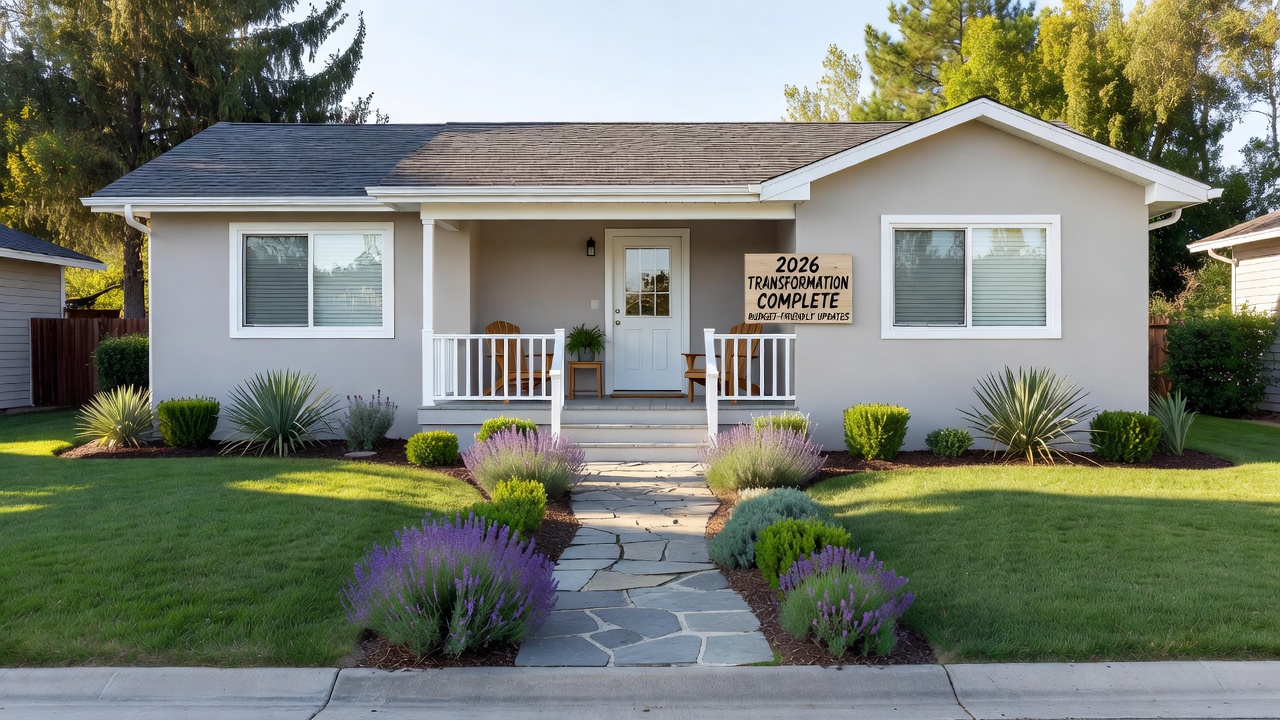
Introduction to Budget-Friendly Fixer-Upper Renovations in 2026
Fixer-upper homes continue to attract buyers in 2026 who want to build equity through smart renovations rather than paying premium prices for move-in ready properties. These projects succeed when homeowners apply disciplined planning, prioritize high-impact improvements, and maintain strict control over spending. This comprehensive guide examines multiple real-world case studies that demonstrate cost-effective strategies, from material sourcing to phased timelines and accurate ROI measurement. Readers will find detailed examples of before-and-after metrics, side-by-side comparisons of work approaches, and lessons learned from common challenges.
Case Study 1: The Mid-Century Bungalow Transformation
A 1960s single-story bungalow in a quiet suburban neighborhood presented classic fixer-upper opportunities. The property featured outdated electrical systems, worn flooring, and an inefficient kitchen layout. Homeowners began with a professional inspection that identified foundation settling and outdated plumbing as priority fixes. They chose to tackle structural and mechanical work first before addressing cosmetic updates. Reclaimed lumber was sourced from regional architectural salvage yards for new built-in shelving, while energy-efficient windows replaced the original single-pane units. The kitchen received new cabinet faces rather than full replacement, paired with durable laminate surfaces that mimicked higher-end materials. Phased execution allowed the family to occupy the rear bedrooms while the front living areas were updated. After completion, the home showed dramatic improvements in both livability and energy performance.
Cost Breakdown and ROI Analysis
Every expense was logged in a shared spreadsheet from day one. Major categories included mechanical upgrades, surface refinishing, and exterior enhancements. The kitchen and primary bathroom delivered the strongest returns when measured against local comparable sales. Homeowners tracked value increases through pre- and post-project appraisals and noted that focusing on curb appeal elements such as fresh siding paint and updated landscaping produced immediate neighborhood recognition. Energy-efficient additions also positioned the property favorably for future buyers concerned with utility costs.
Case Study 2: Urban Row House Flip with Smart Phasing
A narrow three-story row house in an established city neighborhood required careful sequencing because of limited workspace and strict noise ordinances. The owners divided the project into three distinct phases spread across nine months. Phase one addressed roof repairs and exterior masonry. Phase two covered interior mechanicals and insulation. Phase three focused on finishes and staging for sale. Electrical and plumbing work was contracted to licensed specialists, while painting, trim carpentry, and yard cleanup remained in-house. Bulk purchases of flooring and lighting fixtures through regional warehouse outlets helped control material expenses without sacrificing quality.
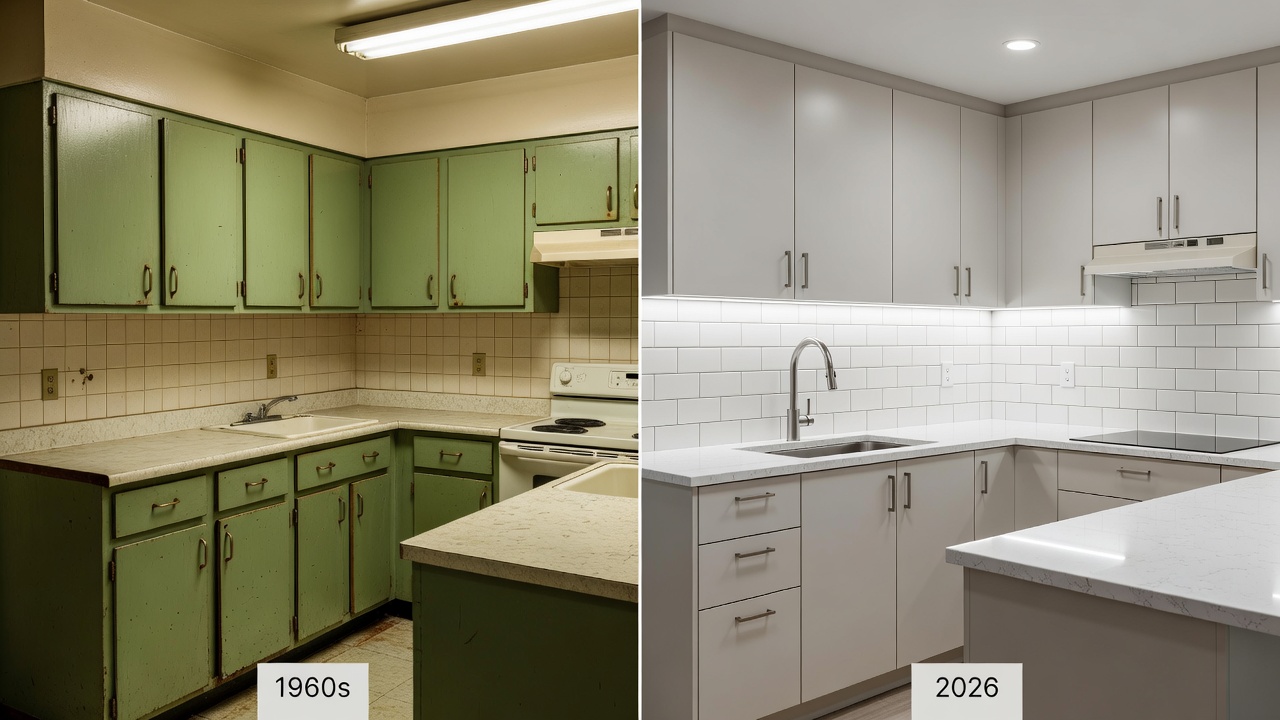
DIY vs Outsourced Work Comparison
Successful budget projects often combine both approaches. DIY tasks included complete demolition of non-load-bearing walls, application of primer and paint throughout, installation of pre-finished flooring, and basic landscaping. These choices eliminated thousands in labor fees while giving owners full control over scheduling. Outsourced tasks covered load-bearing structural reinforcements, permit-mandated electrical panels, and waterproofing of bathrooms. The hybrid model prevented expensive callbacks that frequently occur when complex systems are attempted by amateurs. Side-by-side evaluation showed that DIY efforts excelled in cosmetic and finishing stages, whereas professional involvement protected long-term value on hidden infrastructure.
Material Sourcing Strategies for 2026 Projects
Smart sourcing separates profitable renovations from budget overruns. Homeowners in the featured case studies visited local reclamation centers for doors, hardware, and trim pieces. Online marketplaces offered overstock tile and fixtures at reduced rates when purchased in coordinated lots. Partnerships with small contractors sometimes granted access to trade-only pricing on cabinets and countertops. When selecting materials, emphasis was placed on durability ratings and maintenance requirements rather than brand prestige. This approach ensured that finishes would withstand daily use while remaining within overall project targets.
Calculating Realistic ROI on Fixer-Upper Projects
Return on investment requires comparing neighborhood sales data before purchase and again after completion. Focus areas that consistently deliver strong percentages include kitchen refreshes, bathroom updates, and exterior improvements that enhance curb appeal. Energy upgrades may also add value when documented with receipts and performance data. Homeowners should subtract all hard costs, including permits, disposal fees, and contingency spending, from the final appraised value increase. Tools available through government resources such as hud.gov provide neighborhood-level market statistics that help set realistic expectations. Another useful reference is energy.gov for guidance on efficiency improvements that may influence buyer interest.
Common Pitfalls and How to Avoid Them
Many budget renovations encounter hidden problems such as knob-and-tube wiring, asbestos in older flooring, or inadequate drainage around foundations. Pre-purchase inspections performed by licensed professionals reduce these surprises. Another frequent issue is scope creep, where small additions accumulate into major overruns. Maintaining a written change-order log helps keep decisions intentional. Underestimating the time required for permit approvals can also delay resale timelines. Finally, choosing low-quality materials to cut initial costs often leads to premature replacement and diminished returns. Selecting mid-grade, warranty-backed products strikes the right balance for most fixer-uppers.
Actionable Takeaways for Your Next Project
- Commission a detailed inspection and create a prioritized task list before any demolition begins.
- Establish a realistic contingency reserve equal to at least 15 percent of the estimated budget.
- Research local permit requirements and schedule inspections early to prevent work stoppages.
- Document every purchase and labor hour for accurate final ROI calculations.
- Consider energy-efficient upgrades that may qualify for incentives listed on official sites such as energy.gov.
- Photograph progress at each stage for marketing materials and personal records.
- Compare neighborhood comps regularly to ensure improvements align with market expectations.
Frequently Asked Questions
How do I calculate realistic ROI on a fixer-upper?
Start with recent sales of comparable renovated homes in the same zip code. Subtract total project costs from the difference between pre-renovation and post-renovation appraised values. Focus on kitchens, baths, and exterior work for the most reliable returns.
What are the best ways to source affordable materials in 2026?
Visit architectural salvage yards, monitor online liquidation sites, and ask local contractors about excess inventory. Buying in coordinated lots often yields better per-unit pricing than individual purchases.
Is it better to renovate in phases or all at once?
Phased work benefits owner-occupants by spreading financial impact and allowing continued use of portions of the home. Full renovations suit vacant properties where speed to market is the primary goal.
How can I avoid common permitting delays?
Submit complete applications with detailed plans and maintain open communication with the local building department. Scheduling pre-application meetings often clarifies requirements and shortens approval times.
These 2026 case studies illustrate that thoughtful planning, disciplined execution, and informed decision-making turn challenging properties into valuable assets. By applying the strategies and lessons presented here, readers can approach their own budget renovations with greater confidence and measurable success.
No comments yet. Be the first!