 Fixated on Home
Introduction: Reviving Neglected Sunrooms on a Budget
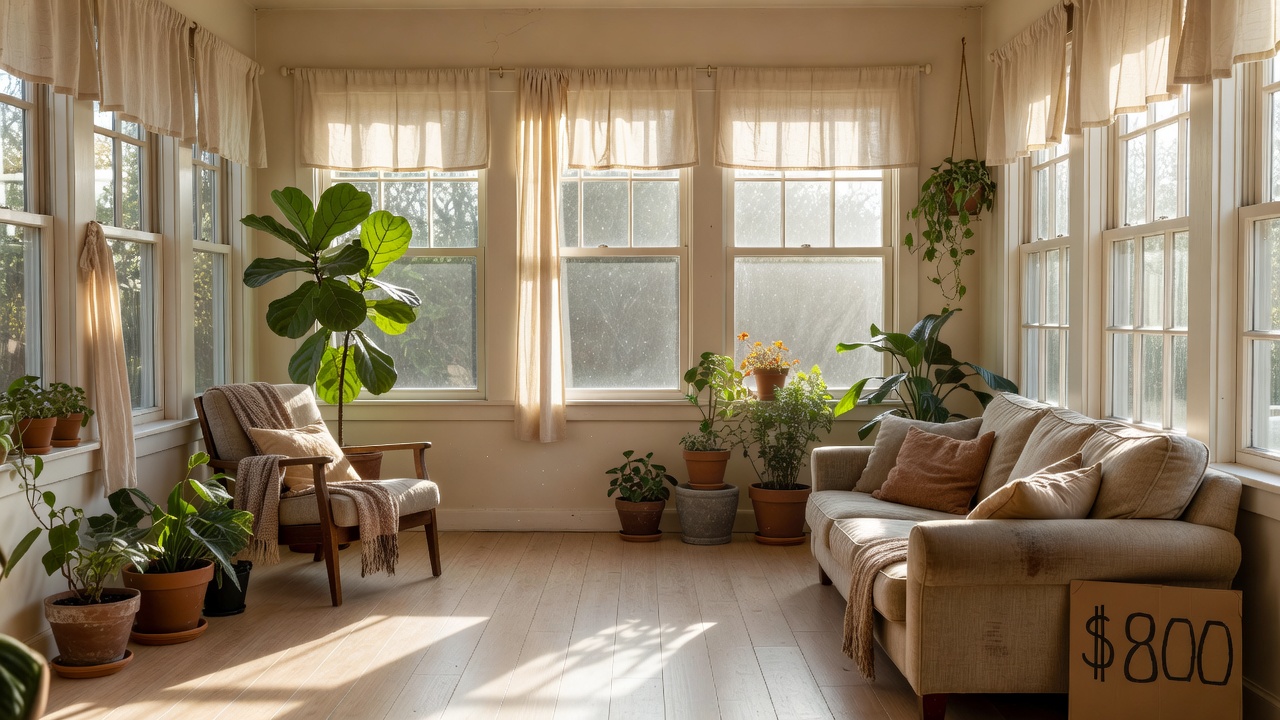
Fixer-upper homes frequently feature sunrooms that have fallen into disrepair, with issues like faded flooring, cracked window frames, and poor insulation that prevent them from delivering the bright, airy atmosphere homeowners crave. In 2026, the focus for many property owners is on budget renovations that enhance natural light and overall functionality without requiring extensive professional intervention. This comprehensive guide outlines affordable strategies to revitalize these spaces, prioritizing weatherproofing, light maximization, and thoughtful additions such as plants and seating areas. Projects are designed to remain well under a modest total budget while providing durable, long-term improvements that increase both comfort and home value.
The appeal of a sunroom lies in its connection to the outdoors, but neglected examples often suffer from dim conditions due to obstructed windows or dark surfaces. By addressing these challenges systematically, you can create a versatile room suitable for reading, relaxing, or even small-scale gardening. Emphasis is placed on DIY approaches that leverage readily available materials and simple techniques.
Assessing Your Sunroom Before Starting
A thorough evaluation sets the foundation for success. Inspect the structure for signs of water damage, loose seals around windows, and uneven flooring that could indicate underlying problems. Measure all dimensions carefully, noting the orientation of the room to understand peak sunlight hours. Document findings with notes and photographs to guide material purchases and prioritize tasks effectively. This step helps avoid mid-project setbacks and ensures efforts concentrate on high-impact changes that boost natural illumination.
Key Considerations for Natural Light
Evaluate how sunlight enters throughout the day and identify any barriers such as overgrown exterior foliage or heavy interior obstructions. Consider adding reflective elements like light-colored walls or mirrors to distribute light more evenly. Focus on south- or west-facing aspects where possible for optimal exposure, while planning minor adjustments that respect the existing architecture of the fixer-upper.
Affordable Flooring Swaps for Bright Interiors
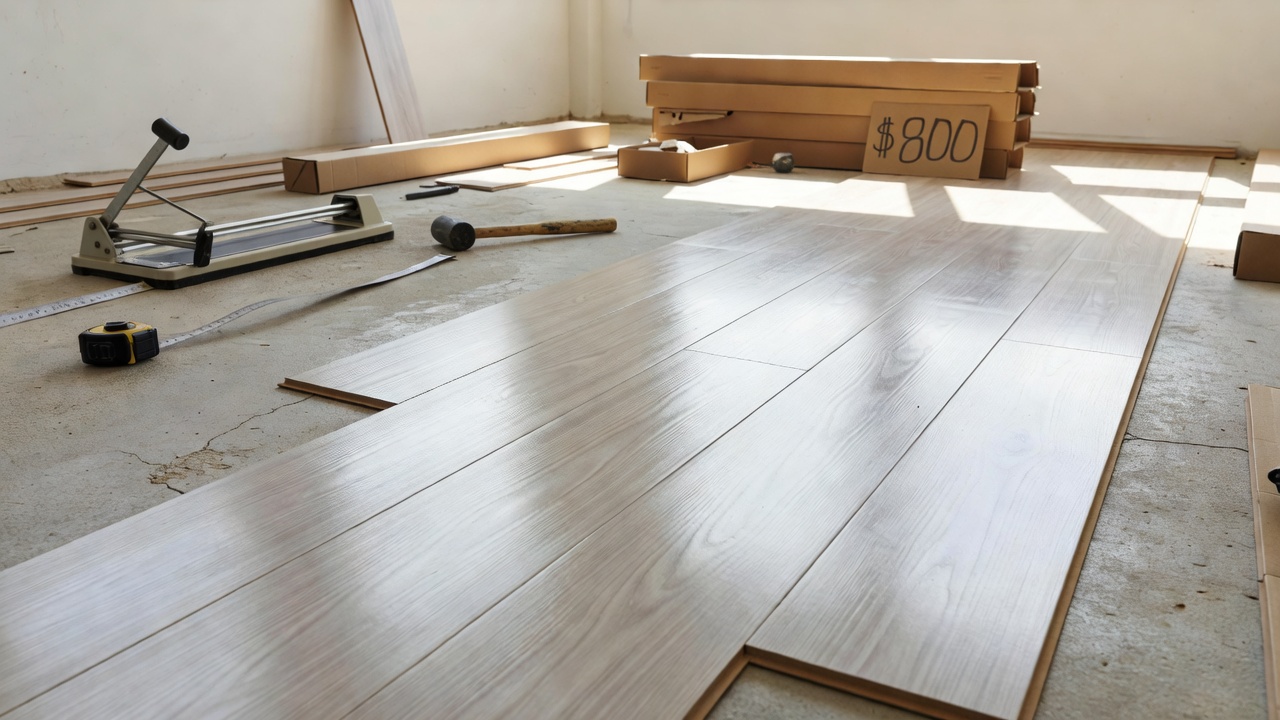
Original sunroom floors often contribute to a gloomy feel by absorbing rather than reflecting light. Replacing them with pale, durable options such as vinyl planks or sealed concrete creates a brighter base that enhances the entire space. These materials handle moisture and foot traffic well, making them ideal for rooms with variable conditions. Preparation involves cleaning the subfloor and ensuring level surfaces before installation, which can be completed over a single weekend with basic tools.
- Vinyl offers superior resistance to humidity compared to laminate, reducing risks of warping in sun-exposed areas.
- Opt for matte or low-sheen finishes to minimize harsh glare while preserving brightness.
- Layer underlayment for added comfort and sound insulation without significant added expense.
- Test samples in natural light before committing to a full purchase.
Case examples from similar renovations demonstrate how such swaps can dramatically alter the perception of space, turning shadowed corners into inviting zones.
DIY Window Treatments to Enhance Light
Traditional heavy drapes block valuable sunlight. Replace them with sheer fabrics, roller shades, or custom Roman shades crafted from lightweight materials that diffuse rays softly. Window films provide an additional layer of light reflection and UV protection. Installation begins with precise measurements, followed by careful application in dry weather to achieve smooth results. These treatments maintain privacy while allowing maximum illumination and can be adjusted seasonally.
Insulation Hacks for Year-Round Comfort
Effective weatherproofing transforms a drafty sunroom into a usable space across seasons. Affordable solutions include rigid foam boards cut to fit wall cavities or reflective bubble insulation applied to ceilings. Seal gaps with weatherstripping and caulk for comprehensive protection against temperature fluctuations. Energy Star guidelines stress targeting common leak points around frames and doors. Complement these efforts with guidance from energy.gov on simple home efficiency measures that deliver noticeable comfort gains without complex retrofits.
Integrating Plants and Seating for Functionality
With structural improvements complete, introduce elements that encourage daily use. Select resilient plant varieties that thrive in varying light and temperature conditions to improve air quality and add visual interest. Combine them with adaptable seating solutions such as refurbished benches or modular cushions arranged to take advantage of the brightest spots.
Practical Checklist for Plant Integration
- Choose species tolerant of indirect sun and occasional drafts, such as snake plants or pothos.
- Arrange pots to avoid blocking window views or light paths.
- Incorporate self-watering containers to reduce ongoing care requirements.
- Rotate plants periodically to ensure even growth and balanced room aesthetics.
Material Comparisons and Cost-Saving Tips
Evaluating options side by side helps optimize choices for longevity and performance. Vinyl flooring typically outperforms carpet in moisture-prone environments due to easier maintenance. Window films provide energy benefits at a fraction of full replacement costs. Source supplies locally to minimize transport expenses and always double-check measurements to prevent waste. These decisions support keeping overall expenditures manageable while achieving polished, professional-looking outcomes.
Real Fixer-Upper Case Studies
In one documented project involving a mid-century home, owners refreshed their sunroom by updating the floor, applying light-diffusing films, and adding insulation boards. The changes resulted in noticeably brighter conditions and reduced heating demands during cooler months. A second example featured a bungalow renovation where simple shade installations and strategic plant placement converted an underused area into a productive workspace. Both cases illustrate how focused, incremental updates can yield substantial improvements in usability and appeal without extensive remodeling.
Common Pitfalls and FAQs
Steer clear of overly ambitious custom builds that exceed skill levels or timelines. Rely instead on modular, reversible solutions that allow future adjustments. Expanded frequently asked questions address typical concerns: How much time is required for core tasks? Most foundational work completes within two to three days. What maintenance prevents recurring moisture issues? Regular sealant checks and ventilation help sustain results. How to handle uneven existing floors? Leveling compounds offer an inexpensive preparatory fix. Always conduct small-scale tests before full application to confirm material compatibility.
Conclusion: Bright Futures for Budget Sunrooms
Strategic planning enables any neglected sunroom to evolve into a luminous, functional extension of the home. Prioritizing impactful yet economical upgrades in flooring, window treatments, and insulation delivers meaningful enhancements while respecting budget constraints. Begin with assessment, proceed methodically, and enjoy the transformed space that brings natural light and comfort to everyday living.
No comments yet. Be the first!