 Fixated on Home
Introduction to Budget Pantry Renovations in Fixer-Uppers
Homeowners tackling fixer-upper properties often face cramped, outdated pantries that waste space and frustrate daily use. A budget pantry reno focuses on practical storage upgrades that enhance functionality without requiring professional contractors. These quick wins maximize ROI by improving organization and appeal for future resale. This guide walks through space assessment, affordable material choices, hands-on builds, and maintenance tips tailored to 2026 trends in sustainable home improvement. By focusing on accessible projects, you can transform a neglected area into a highly functional storage zone that adds real value to your property.
Assessing Your Pantry Space for Maximum Efficiency
Start by measuring your pantry dimensions and noting problem areas like uneven floors or poor ventilation. Identify high-traffic zones for frequently used items and deep corners for bulk storage. Sketch a simple layout on paper to visualize vertical potential, including wall-mounted options above existing counters. This assessment prevents wasted effort and ensures every modification fits the existing structure in older homes. Consider traffic flow during meal prep and how family members access items daily. Take photos of current conditions to track progress and spot hidden issues such as water damage or outdated wiring that could complicate later steps.
Budget-Friendly Material Swaps
Replace sagging particleboard with sturdy plywood or wire shelving systems designed for heavy loads. Opt for moisture-resistant options in humid climates to extend longevity. Swap outdated cabinet doors for open shelving to create an airy feel while reducing costs. These swaps prioritize durability and style on a tight budget, using readily available supplies from major retailers. Explore reclaimed wood or recycled plastics for eco-friendly upgrades that align with current sustainability trends. Test materials for weight capacity before committing to full installation to avoid future failures.
Step-by-Step DIY Shelving Builds
Build custom shelves using basic tools like a drill, level, and saw. Begin by securing brackets to wall studs for stability. Cut boards to size and sand edges before installation. Add adjustable tracks for future flexibility. Before-and-after results typically show doubled storage capacity in under a weekend project. 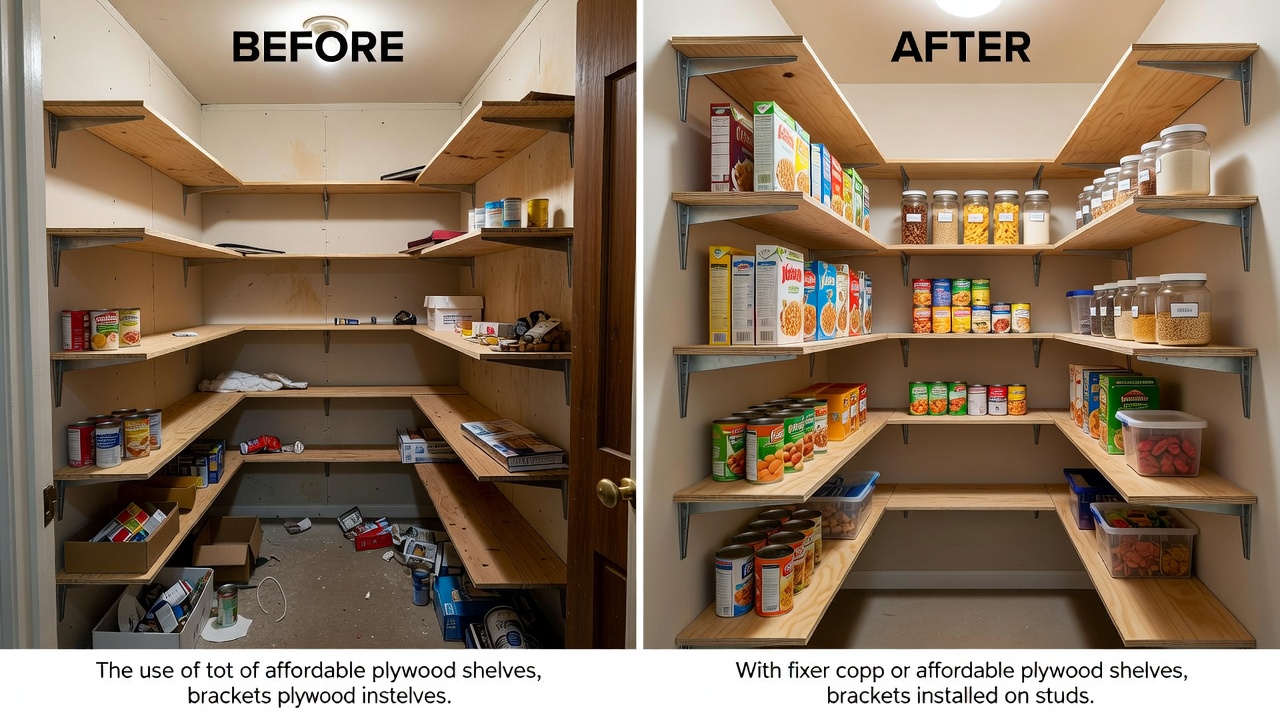
Expand the process by first locating studs with a reliable finder tool. Mark positions clearly and pre-drill holes to prevent splitting wood. Install lower shelves at waist height for heavy items and upper ones for lighter goods. Always double-check levelness after each bracket placement. Real-world examples include converting a narrow closet pantry into tiered zones that accommodate everything from spices to large appliances. This approach saves time and money compared to full remodels while delivering professional-grade results.
Maximizing Vertical Space and Storage Zones
Install over-door organizers and ceiling-mounted racks to utilize every inch. Divide the pantry into zones for baking, canned goods, and snacks to streamline retrieval. Use stackable crates on lower levels for overflow items. Practical examples show how adding a single pegboard wall can hold tools, measuring cups, and small gadgets, freeing up shelf real estate. These techniques work especially well in older homes where square footage is limited.
Organization Hacks for Everyday Use
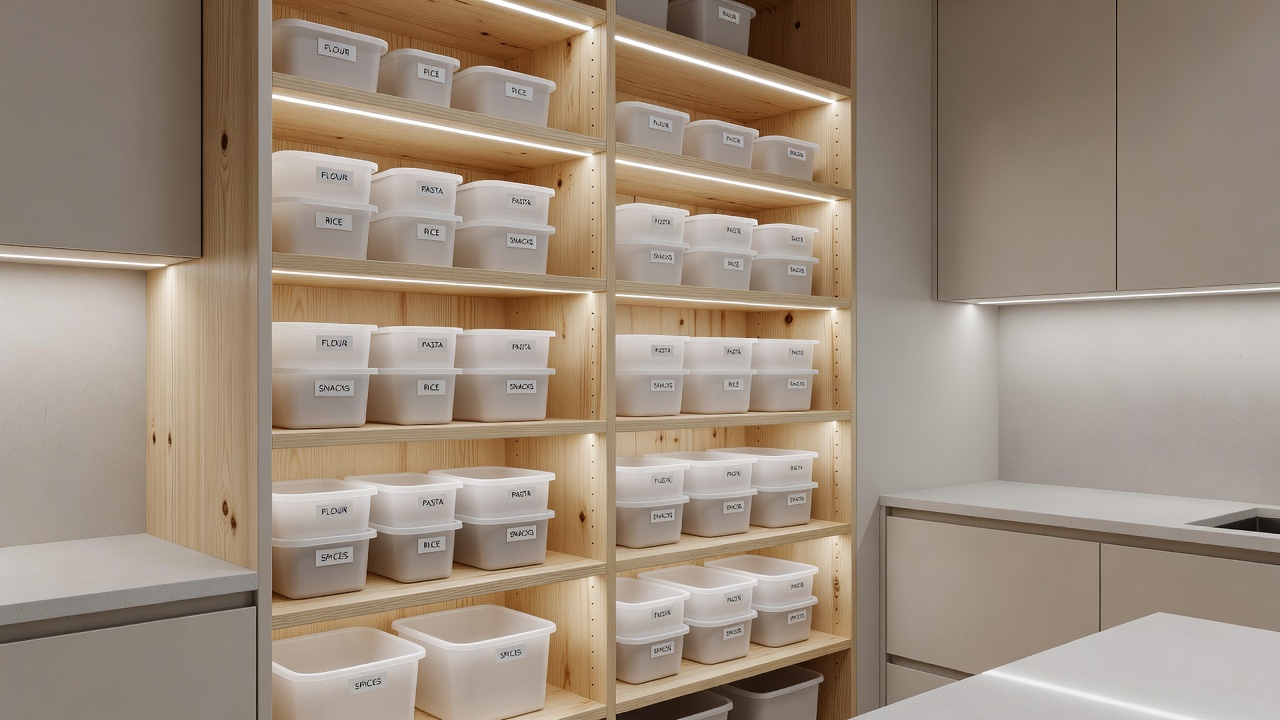
Incorporate clear bins, labeled containers, and door-mounted racks to keep items visible and accessible. Group similar products together, such as baking supplies or canned goods, on dedicated shelves. Use tension rods to create dividers for boxes and bags. These hacks streamline meal prep and reduce clutter without additional expense. Rotate stock regularly and keep a running inventory list on the inside of the door to prevent overbuying. Homeowners report significant time savings during weekly grocery unpacking after implementing these systems.
Adding Efficient Lighting Solutions
Install battery-powered LED strips or plug-in fixtures to brighten dark corners. Position lights under upper shelves for even illumination. Choose motion-sensor models to conserve energy. Improved lighting enhances safety and makes the space feel larger, contributing to overall home appeal. Consider layering task lighting with ambient sources for the best visibility during evening cooking sessions.
Pest-Proofing Tips for Long-Term Protection
Seal cracks with caulk and store dry goods in airtight containers to deter insects and rodents. Clean shelves regularly and avoid stacking items against walls. Consult EPA guidelines for safe, non-toxic prevention methods. These steps protect your investment and maintain a healthy kitchen environment. Additional measures include installing door sweeps and using natural repellents like bay leaves in corners.
Supplies Checklist
- Measuring tape and level
- Plywood or wire shelves
- Brackets and screws
- LED lighting kits
- Storage bins and labels
- Caulk and sealant
- Sandpaper and paint
- Stud finder and pegboard hooks
- Door organizers and tension rods
Cost Comparisons and ROI Considerations
DIY approaches generally cost far less than hiring professionals, allowing funds for quality materials instead. Compare basic wire systems versus custom wood builds based on your skill level. Focus on high-impact changes like shelving and lighting that deliver noticeable value increases in fixer-upper markets. Track your project expenses in a simple spreadsheet to evaluate return on investment after completion.
Common Mistakes to Avoid and Maintenance Tips
Overloading shelves without proper support leads to collapses; always anchor to studs. Neglecting ventilation can cause mold in humid areas, so add small vents if needed. For ongoing care, wipe surfaces monthly and inspect brackets annually for loosening. These practices keep your pantry performing well long after the initial reno.
FAQs on Common Pitfalls
What if my pantry has uneven walls? Use shims under brackets to ensure level shelves and prevent tipping.
How do I handle limited tools? Rent essentials from stores or borrow from neighbors to complete builds affordably.
Are these upgrades suitable for rentals? Choose removable options like freestanding units to comply with lease terms.
What mistakes should I avoid? Overloading shelves without proper support leads to collapses; always anchor to studs.
Conclusion
Implementing these budget pantry reno ideas transforms underused spaces into efficient storage hubs. By focusing on assessment, simple builds, and smart organization, homeowners achieve professional-looking results independently. These upgrades not only improve daily living but also enhance property value through thoughtful, low-cost improvements. Explore resources from Home Depot, Lowe's, and This Old House for project inspiration and supplies.

No comments yet. Be the first!