 Fixated on Home
Introduction to Budget Patio Renovations in 2026
Transforming a neglected outdoor patio in a fixer-upper home does not require a large investment or professional crew. With careful planning and readily available materials, homeowners can create functional and inviting outdoor living spaces that increase property appeal and daily enjoyment. This comprehensive guide explores practical renovation strategies focused on material selections, layout considerations, and techniques that support year-round use in various climates. Whether dealing with cracked concrete, uneven ground, or overgrown areas, the emphasis remains on achievable projects that prioritize durability and versatility without unnecessary complexity.
Many fixer-upper properties feature outdoor areas that have been overlooked during interior remodels. Addressing these spaces early can prevent further deterioration from weather exposure while providing immediate lifestyle benefits. The following sections break down each phase of the process, offering actionable advice drawn from common renovation scenarios.
Planning Your Layout for Maximum Impact
Begin every project by evaluating the existing patio conditions, including dimensions, slope, sun exposure, and proximity to the house. Accurate measurements help avoid costly adjustments later. Sketch multiple layout options that account for primary pathways, seating clusters, and open zones for movement. Multi-functional areas, such as a combined dining and relaxation space, often prove most efficient in smaller yards. Incorporate drainage solutions from the outset by ensuring surfaces slope gently away from the foundation. This step reduces future water damage risks significantly.
Consider traffic patterns during family gatherings or solo relaxation times. Placing seating near natural shade sources or adding vertical elements like planters can enhance comfort. Review local soil types and typical rainfall patterns to inform material choices and edging decisions.
Comparing Low-Cost Materials vs Premium Options
Selecting appropriate materials forms the foundation of any successful budget renovation. Affordable options such as gravel bases, concrete pavers, and reclaimed lumber deliver solid performance when installed correctly. Gravel excels in drainage and ease of installation, while composite alternatives resist fading and warping better than untreated wood. Premium materials like imported stone or custom masonry often exceed practical needs for most fixer-upper projects and can be substituted with salvaged or bulk-purchased equivalents.
Pros of budget materials include lower upfront effort and simpler maintenance routines. Cons may involve more frequent inspections for settling or joint wear. Weigh these factors against long-term goals before purchasing supplies. Local hardware stores frequently stock suitable options that balance cost and longevity.
Step-by-Step DIY Paving Guide
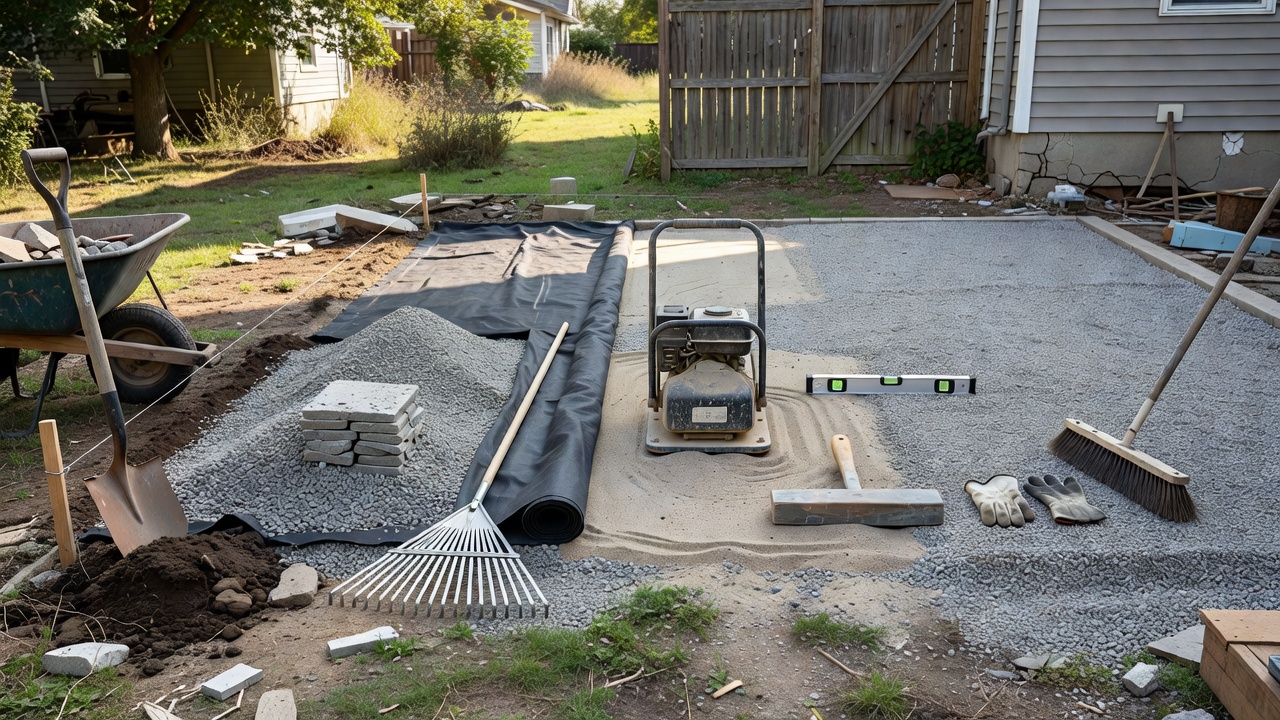
Creating a stable paved surface starts with thorough site preparation. First, remove vegetation and debris, then compact the soil using a hand tamper or rented plate compactor. Lay landscape fabric across the entire area to inhibit weed growth. Secure edging materials such as plastic or metal borders to define the perimeter and contain the base layers.
Next, distribute a gravel foundation evenly, aiming for consistent depth and slope. Compact each layer thoroughly before adding the next. Position pavers or stones according to your planned pattern, checking alignment with a level after every few placements. Sweep polymeric sand into the joints to lock pieces in place and prevent shifting. The entire process for a typical residential patio can be completed over one or two weekends with basic tools and consistent effort.
Additional tips include working in sections to maintain accuracy and keeping a water source nearby for dust control. Test the finished surface by pouring water to confirm proper runoff direction.
Building Affordable Outdoor Seating
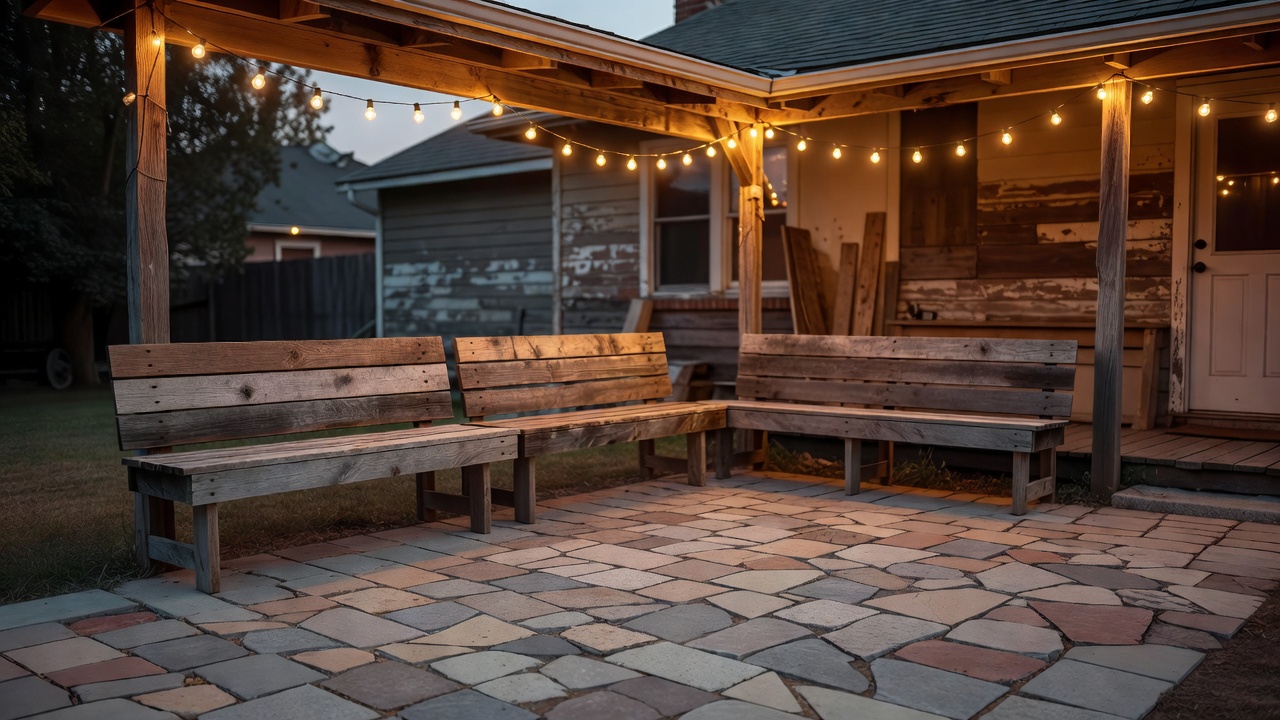
Custom seating enhances usability while reflecting personal style. Simple benches constructed from pressure-treated lumber require only basic cutting and fastening skills. Repurposed shipping pallets can be disassembled and reassembled into modular units topped with weather-resistant cushions. Anchor all seating elements firmly to the patio base using appropriate hardware to ensure stability during use.
Examples include L-shaped configurations that wrap around a corner for intimate conversations or linear benches positioned along garden views. Adding hinged lids creates hidden storage for cushions or small tools. These builds adapt easily to different patio sizes and can be painted or stained to match surrounding elements.
Weatherproofing Tips for Seasonal Usability
Protecting renovated surfaces extends their lifespan and maintains appearance through changing seasons. Apply penetrating sealants to wood and concrete twice annually, focusing on exposed edges and joints. Retractable shade structures or simple pergola additions provide shelter from intense sun and sudden showers. Portable heating solutions paired with wind barriers allow comfortable use during cooler months. Explore energy-efficient outdoor strategies from the U.S. Department of Energy. Additional measures include elevating furniture slightly off the ground and covering cushions when not in use.
Multi-Functional Design Strategies
Thoughtful design maximizes limited outdoor square footage. Storage-integrated benches double as seating and organization centers. Foldable tables and stackable chairs permit quick reconfiguration for different activities. Vertical gardening features such as wall-mounted planters or trellises introduce greenery without occupying floor space. Layered lighting with solar-powered options creates ambiance after dark while supporting safety.
These approaches transform single-purpose patios into versatile extensions of indoor living areas suitable for dining, working, or entertaining.
Real Fixer-Upper Case Studies
Case Study 1: An older home with extensive cracking and weed intrusion received a complete surface refresh using a gravel base topped by modular pavers. Before images displayed an uneven, unusable expanse; after completion the area featured defined zones for seating and a central gathering spot, greatly improving curb appeal and daily access.
Case Study 2: Another property utilized reclaimed wood to construct versatile benches and added simple drainage channels around the perimeter. The transformation addressed longstanding water pooling while creating flexible seating arrangements that accommodate both small and larger groups. Before-and-after documentation highlighted improved functionality and reduced maintenance needs.
Case Study 3: A narrow side patio gained multi-season capability through added weather barriers and modular furniture. The project emphasized careful grading and joint sealing, resulting in a space that remains inviting regardless of weather conditions.
Common Pitfalls to Avoid
- Neglecting proper grading and drainage often leads to persistent water accumulation and structural damage over time.
- Choosing incompatible materials for the local climate accelerates wear and requires premature replacement.
- Skipping regular inspections allows minor issues like loose pavers to develop into larger problems.
- Overlooking permit requirements in certain municipalities can result in compliance complications.
- Failing to secure seating adequately creates safety hazards during gatherings or windy conditions.
Frequently Asked Questions
How do I address persistent drainage problems?
Regrade the surface or install French drains along the lowest edges. Review EPA resources on stormwater management for additional guidance tailored to residential settings.
Which seating style offers the best long-term value?
Modular benches built from durable lumber or upcycled pallets provide flexibility, storage options, and easy customization at minimal ongoing cost.
Are these techniques suitable for all climate zones?
Yes, provided sealants, covers, and drainage features are selected according to regional temperature and precipitation patterns.
What maintenance schedule keeps surfaces looking new?
Perform seasonal cleaning, reapply sealants as needed, and inspect joints after heavy weather events.
Can existing furniture be integrated into the new design?
Absolutely. Refinish older pieces to coordinate with new elements or position them within the updated layout for immediate usability.
Conclusion
Budget-conscious patio renovations deliver meaningful improvements to fixer-upper properties when executed with attention to layout, materials, and weather resilience. By following detailed preparation steps, exploring multi-functional options, and learning from documented examples, homeowners can achieve lasting outdoor spaces that enhance both daily living and property value. Consistent care ensures these investments continue to provide enjoyment across seasons.
No comments yet. Be the first!