 Fixated on Home
Introduction to Budget-Friendly Aging-in-Place Renovations
Homeowners looking to stay in their fixer-uppers longer are turning to practical, low-cost accessibility modifications. These changes support independent living while boosting safety and comfort without breaking the bank. This guide covers targeted upgrades like lever door handles, zero-step entries, grab bars, widened doorways, and smart lighting that align with common search queries for aging-in-place remodeling on a budget. Fixer-uppers often present unique opportunities because many older homes already need updates. By prioritizing accessibility during routine renovations, you can create a home that adapts to mobility changes over time. The focus remains on DIY-friendly projects and affordable materials that deliver real value for families planning ahead.
Many people search for ways to age in place because moving to a new home can be disruptive and expensive. Instead, targeted updates in existing properties make daily life safer and more comfortable. This comprehensive approach blends beginner checklists with advanced notes so readers at any skill level can follow along confidently.
Planning Your Accessibility Budget Reno
Start by assessing your home's current layout. Walk through each room and note potential barriers such as narrow doorways, high thresholds, and slippery floors. Create a prioritized list based on daily routines. Focus first on high-traffic areas like entrances, bathrooms, and kitchens. Measure door widths, light switch heights, and staircases to gather accurate data before purchasing supplies.
A useful beginner checklist includes: identify rooms used most often, test current door handles for ease of use, check bathroom floor traction when wet, and evaluate outdoor entry points for level access. Advanced planners also review electrical panels for smart device compatibility and note any load-bearing walls that may affect doorway projects. Working methodically prevents costly rework later.
Zero-Step Entries and Exterior Modifications
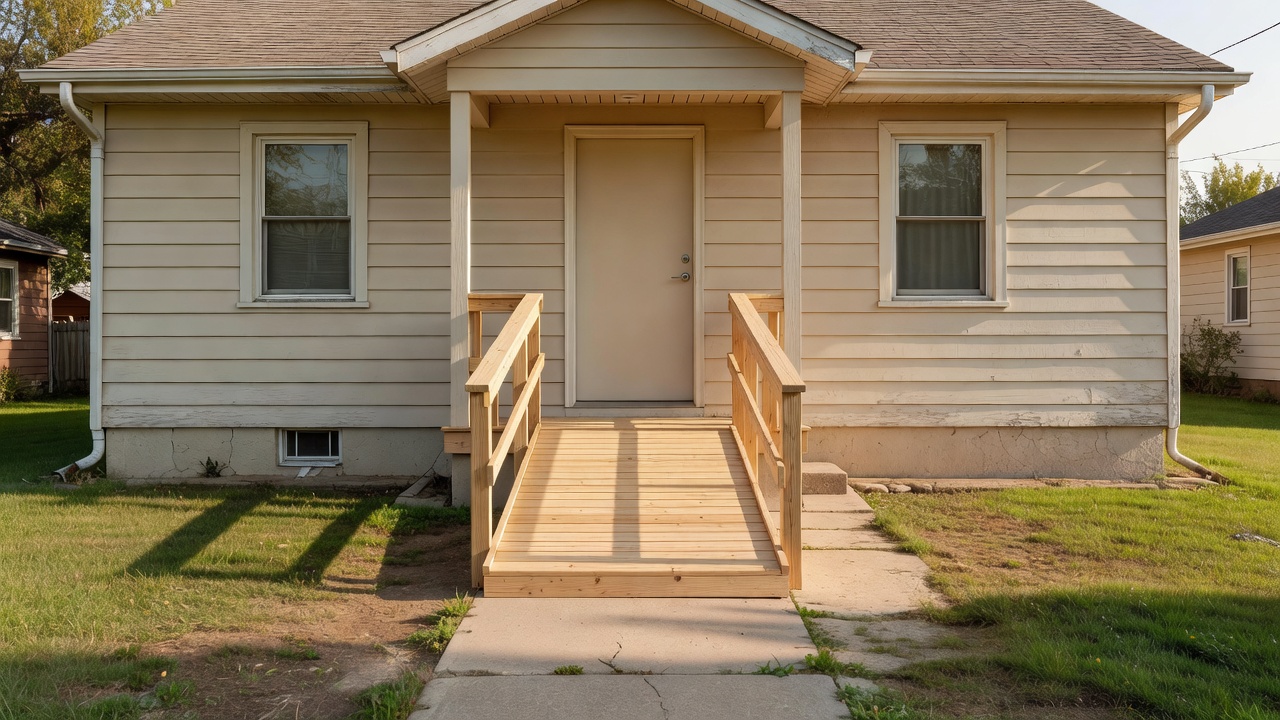
Creating a level entry eliminates tripping hazards. For many fixer-uppers, this means replacing steps with a gentle ramp or installing a threshold ramp. Use composite materials that resist weather and require minimal maintenance. These projects pair well with basic porch repairs already planned in a budget renovation. Practical steps include clearing the area, installing a pre-fabricated ramp kit, and securing it with concrete anchors. Always check local building requirements before beginning exterior work.
Additional options include beveling existing thresholds or adding a small landing platform. Homeowners in regions with freeze-thaw cycles should select materials rated for temperature extremes. Real-world examples show that combining ramp installation with gutter repairs creates a cohesive exterior update that improves both safety and curb appeal.
Doorway Widening and Hardware Swaps
Narrow doors restrict wheelchair or walker access. Widening a doorway to 32 inches or more improves mobility. This often involves removing trim, adjusting framing, and reinstalling new jambs. In many cases, interior non-load-bearing walls allow for straightforward modifications. Replace round knobs with lever-style handles throughout the home. These require less grip strength and are inexpensive to install. Pair them with smart lighting systems that respond to voice commands or motion sensors, reducing the need to reach for switches.
Step-by-step doorway widening begins with confirming the wall is non-structural, followed by cutting new framing, installing a header, and finishing with drywall and trim. Hardware swaps take minutes per door and immediately improve usability for anyone with arthritis or limited dexterity. 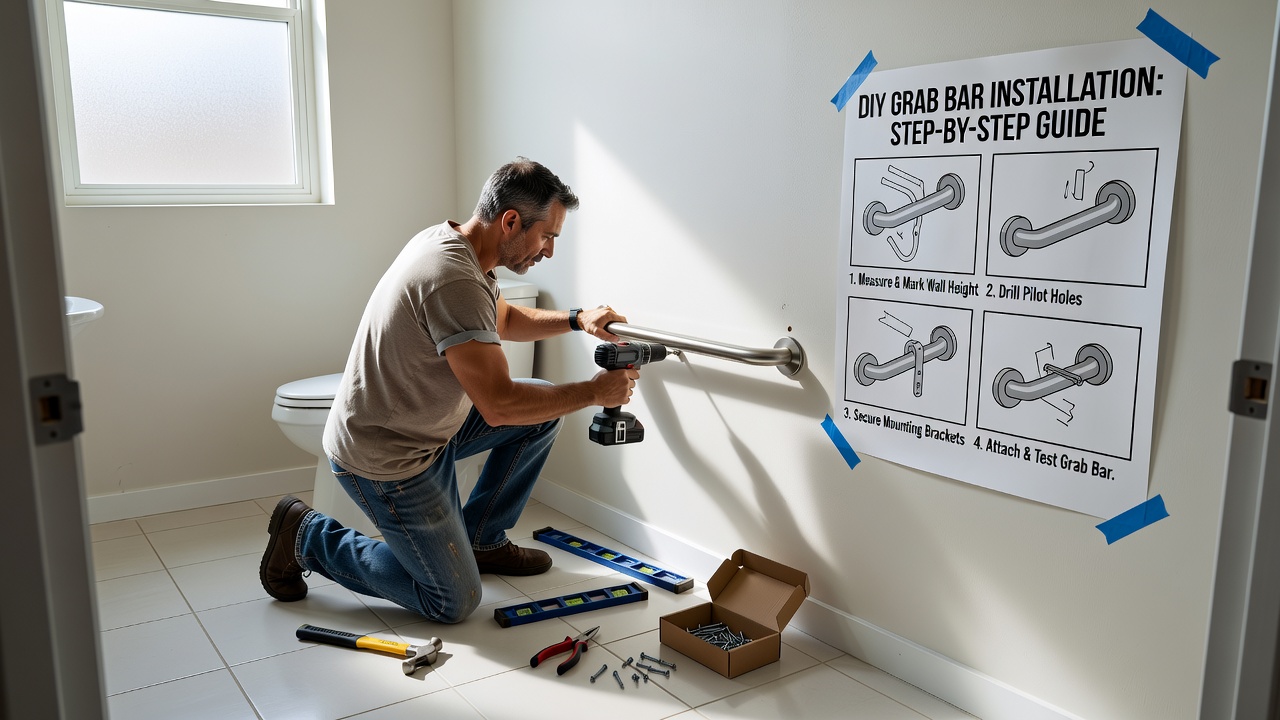
Grab Bars, Bathrooms, and Safety Features
Bathrooms benefit greatly from strategically placed grab bars near toilets and showers. Choose bars rated for weight support and install them into wall studs for maximum security. Combine this with non-slip flooring and handheld shower heads for a complete upgrade. Step-by-step grab bar installation involves locating studs with a finder, marking positions at seated and standing heights, drilling pilot holes, and securing with lag bolts. Test each bar thoroughly before daily use.
Additional bathroom improvements include raised toilet seats, anti-scald valves on faucets, and contrasting color strips on step edges. These low-cost additions reduce fall risks significantly. Homeowners often complete multiple bathroom updates during a single weekend when plumbing access is already open for other repairs.
Kitchen and Living Area Adaptations
Kitchens present their own set of accessibility challenges. Lowering counter sections or adding pull-out shelves brings storage within easy reach. Replacing cabinet knobs with D-shaped pulls and installing under-cabinet lighting improves visibility and reduces bending. In living areas, rearranging furniture to create wider pathways and adding contrasting rugs helps with depth perception. These modifications integrate smoothly into existing renovation timelines.
Material Comparisons and Smart Upgrades
When selecting materials, compare durability, ease of installation, and long-term maintenance. Vinyl flooring offers water resistance and easy cleaning compared to traditional carpet. LED smart bulbs provide better illumination and energy savings than older fixtures. Focus on products available at major home improvement retailers for consistent quality and availability. Smart home integration adds another layer of convenience. Voice-controlled outlets and automated blinds help residents manage the environment without physical effort. Comparing options side-by-side reveals that modular ramp systems often outperform custom-built versions in both cost and speed of installation.
Real Fixer-Upper Case Examples
One couple transformed a 1950s ranch by widening three doorways and adding lever hardware during a kitchen refresh. They also installed motion-sensor lights in hallways and a modular ramp at the side entrance. Another homeowner installed a modular ramp and grab bars in the main bath while updating plumbing. A third example involves a single-story home where the owner widened the primary bedroom doorway and added a zero-step shower during a flooring replacement project. These examples show how accessibility features blend seamlessly into ongoing renovation work and deliver immediate daily benefits.
ROI and Resale Value Considerations
Accessibility improvements can enhance market appeal for future buyers seeking move-in-ready homes. Features like widened doorways and lever handles appeal to a broad audience. Track expenses and note improvements in your home's functionality to understand the return on investment over time. Homes with thoughtful aging-in-place updates often sell faster because they require fewer post-purchase modifications by new owners.
Common Mistakes to Avoid
- Skipping stud detection when installing grab bars, which reduces holding strength.
- Choosing ramps with slopes too steep for safe wheelchair use.
- Ignoring local permit requirements for exterior modifications.
- Overlooking lighting placement, leading to dark transition zones between rooms.
FAQ on Permits and Safety Codes
- Do I need permits for grab bar installation? Most interior grab bar projects do not require permits, but exterior ramps may.
- Are there specific safety codes for aging-in-place features? Follow local building codes and guidelines from the U.S. Access Board for best practices.
- How do I verify electrical work for smart lighting? Hire a licensed electrician or consult resources from NFPA on residential electrical safety.
- Where can I find free planning templates? The U.S. Department of Housing and Urban Development offers guides on universal design principles.
Conclusion
Budget renovations that incorporate accessibility features create homes designed for longevity. By focusing on practical upgrades like lever handles, zero-step entries, grab bars, and smart lighting, homeowners can achieve meaningful improvements affordably. Use the checklists and steps in this guide to plan your next project and enjoy greater independence for years to come.
No comments yet. Be the first!