 Fixated on Home
Introduction to Budget Renovations in Historic Homes
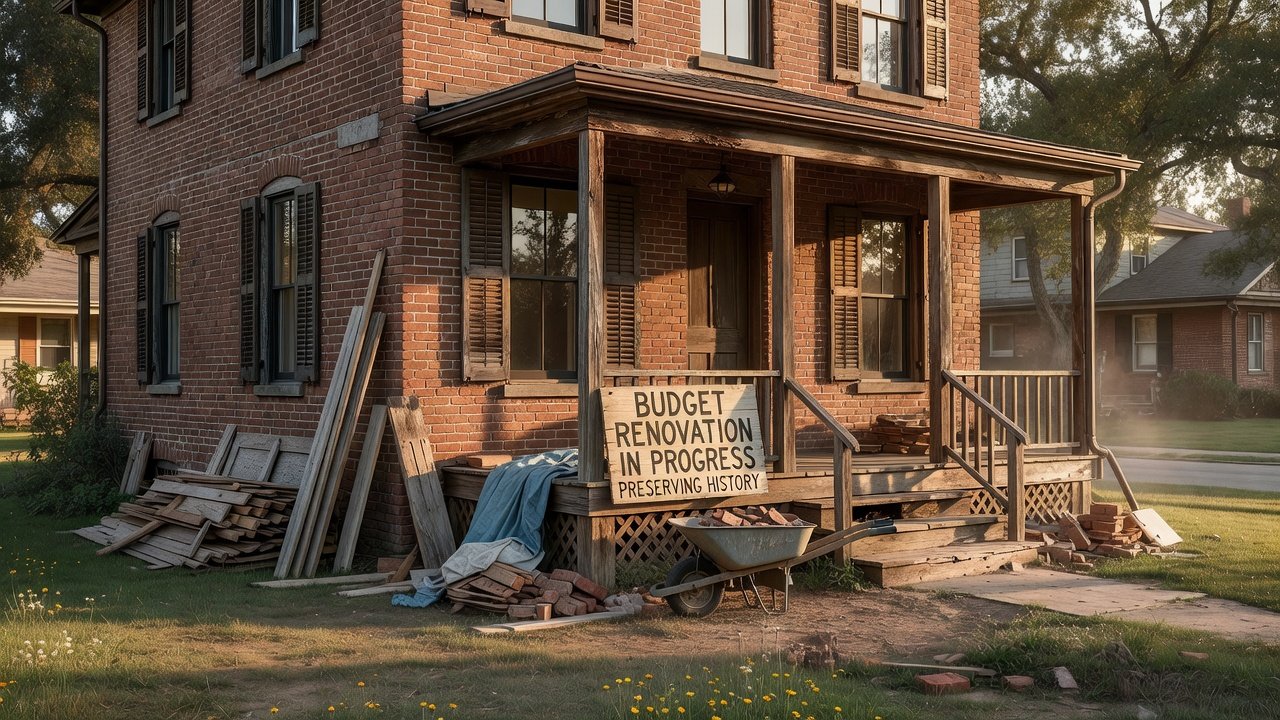
Homeowners tackling historic fixer-uppers often face the challenge of balancing authentic architectural details with necessary modern updates. In 2026, budget reno approaches emphasize cost-effective preservation that respects original character while improving livability and energy efficiency. This guide provides practical steps for assessing features, prioritizing work, sourcing materials, and executing phased projects without overspending. Older properties frequently present structural quirks such as settling foundations, outdated electrical systems, and unique millwork that demand careful handling to avoid diminishing the home's value or charm. By focusing on high-impact, low-cost interventions, owners can achieve strong home improvement ROI while complying with local historic guidelines that protect neighborhood integrity and potentially unlock incentives.
Successful preservation starts with understanding the unique quirks of older properties, such as uneven floors or outdated wiring. By focusing on high-impact, low-cost interventions, owners can achieve strong home improvement ROI while complying with local historic guidelines. Many successful projects begin with a clear vision that integrates modern comforts like updated insulation and smart controls without altering visible historic elements.
Assessing Historic Features for Preservation
Begin every project with a thorough assessment of the home's historic elements. Walk through each room and document original windows, trim, flooring, and structural details using photos and notes. Identify what contributes to the property's character and what requires repair versus replacement. Pay special attention to load-bearing walls, original plaster, and period-specific hardware that may be hidden under layers of previous renovations.
Key areas to evaluate include the roofline, foundation, and interior millwork. Engage a preservation specialist early if the home is in a designated historic district. This step prevents costly mistakes and ensures compliance with regulations that protect architectural integrity. Create a detailed inventory spreadsheet noting condition, estimated effort, and priority level for each feature. This documentation becomes invaluable when applying for permits or consulting contractors experienced in period homes.
Understanding Structural Quirks in Fixer-Uppers
Historic homes often include quirks like sloped floors from decades of settling or narrow doorways that reflect older building standards. Address these by reinforcing subfloors with modern joists installed from below to maintain original surfaces. For walls that bow slightly, use flexible patching compounds rather than complete demolition. Always test for lead paint and asbestos before disturbing surfaces, following established safety protocols from government resources.
Practical examples include jacking up a sagging porch using temporary supports while preserving the original columns. Document every change with before photos to demonstrate adherence to preservation standards during final inspections.
Prioritizing Repairs in a Budget Reno
Not all issues demand immediate attention. Prioritize structural safety, weatherproofing, and systems like plumbing and electrical before cosmetic upgrades. Create a tiered list: critical repairs first, followed by energy-saving improvements, then aesthetic enhancements that honor period style. For instance, replace deteriorated roof flashing before refinishing interior floors to prevent water damage from undoing progress.
Focus on the envelope first: seal drafts around historic windows with weatherstripping instead of full replacement when possible. Next tackle mechanical systems, then move to finishes. This sequence protects the investment and allows owners to live comfortably during the process while spreading expenses over time.
Sourcing Affordable Period-Appropriate Materials
Finding materials that match historic aesthetics at reasonable costs requires strategic sourcing. Explore salvage yards, online marketplaces for reclaimed wood and fixtures, and local suppliers specializing in reproduction elements. Focus on items like door hardware, lighting, and tile that echo original designs without custom fabrication expenses. Visit architectural salvage centers regularly, as inventory changes frequently and yields unique finds such as matching baseboards or vintage doorknobs.
Consider partnering with community historic societies for leads on discounted resources. Always verify material compatibility to avoid future maintenance issues. When sourcing lumber, choose heart pine or oak that matches existing grain patterns. For paint, select low-VOC formulas in historic color palettes to maintain authenticity while meeting modern environmental standards.
Phased Remodeling Tips for Fixer-Uppers
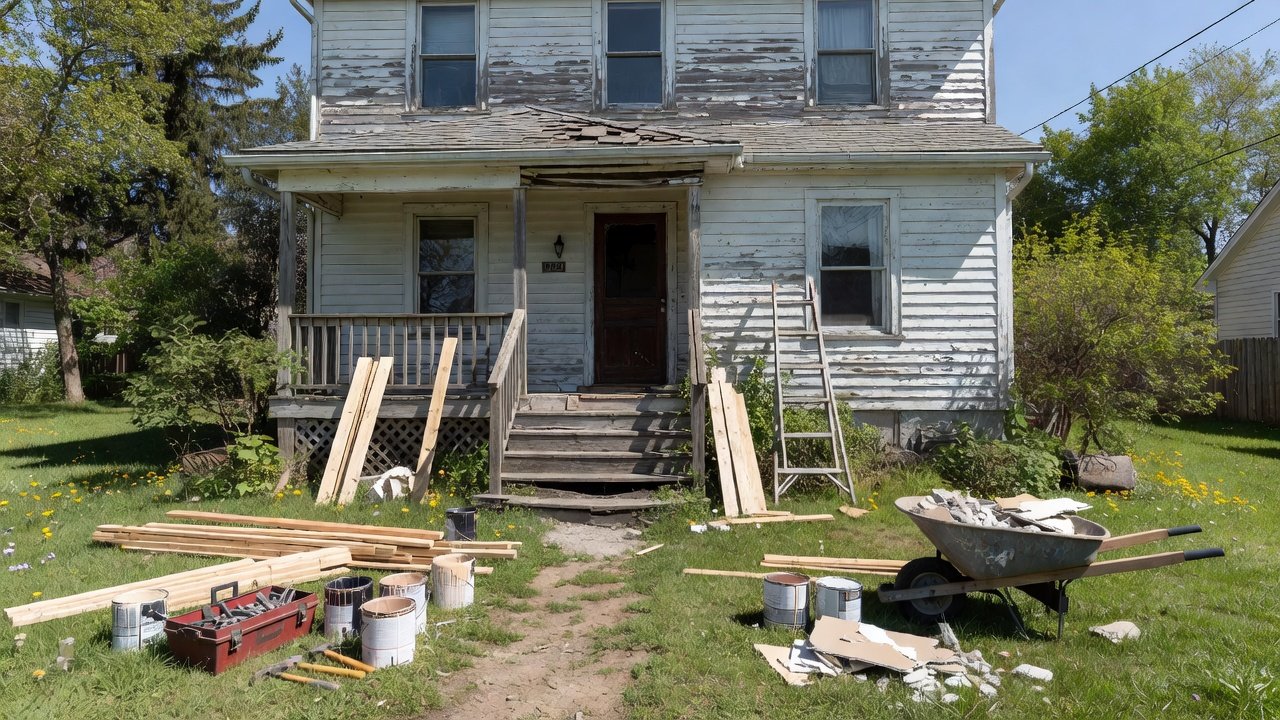
Breaking the project into manageable phases helps control costs and allows living in the home during work. Phase one might cover exterior stabilization and roof repairs, while phase two tackles kitchens and baths with period-inspired updates. Follow these steps for success:
- Secure permits and conduct inspections upfront to avoid delays later.
- Focus on one zone at a time to maintain momentum and reduce contractor overlap costs.
- Incorporate energy-efficient upgrades, such as insulation behind preserved walls, for long-term savings.
- Document progress for potential tax incentives related to historic preservation.
- Schedule buffer time between phases for unexpected discoveries common in older structures.
Energy Efficiency Upgrades Without Sacrificing Character
Integrate modern efficiency measures thoughtfully. Add blown-in insulation to attics while leaving original plaster ceilings intact. Install storm windows over existing single-pane glass rather than replacing frames. These approaches lower utility expenses and improve comfort without visible changes that could violate district rules. Compare options by calculating payback periods based on local climate data.
Before-and-After Comparisons and ROI Focus
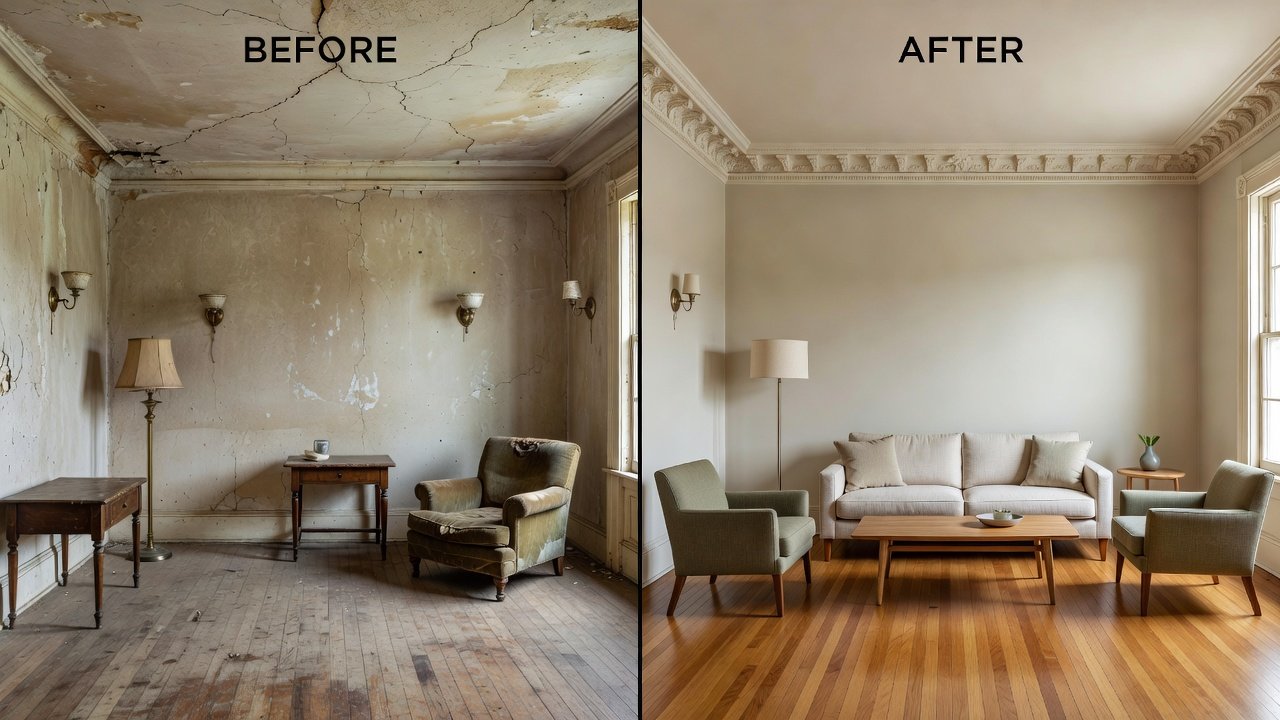
Consider a typical Victorian-era kitchen: original worn cabinets and outdated appliances transformed into a functional space with restored millwork and modern appliances hidden behind period facades. Such updates often yield strong returns by increasing market appeal without erasing history. Another example involves a 1920s bungalow where the living room gained recessed lighting behind restored crown molding, creating a seamless blend of eras.
Track ROI through improved energy bills and higher resale value. Homes that retain character while offering contemporary comforts consistently outperform generic renovations in buyer surveys. Focus on reversible modifications so future owners can appreciate the original design intent.
Common Pitfalls and FAQ
Many owners overlook hidden costs like lead paint abatement or underestimate the time required for approvals. Always build contingency into budgets and timelines. Avoid rushing material choices that clash with the home's era, as this reduces long-term value.
Frequently Asked Questions
- How do I comply with historic district rules on a budget? Start by reviewing guidelines from local preservation boards and use reversible modifications where possible.
- What are the best materials for authentic yet affordable updates? Reclaimed lumber and reproduction hardware from reputable suppliers offer excellent value.
- Can phased work really save money? Yes, by allowing incremental purchases and avoiding rushed decisions that lead to rework.
- Should I hire specialists or attempt DIY on historic elements? Reserve DIY for non-structural cosmetic tasks and consult professionals for electrical, plumbing, or load-bearing work to ensure safety and compliance.
Additional resources for historic preservation standards are available at National Park Service and energy efficiency guidance from U.S. Department of Energy. For lead safety information, refer to Environmental Protection Agency.
Conclusion
Budget reno strategies for historic fixer-uppers in 2026 deliver lasting value when preservation and practicality work together. By following structured assessment, prioritization, and phased execution, homeowners can create homes that honor the past while meeting modern needs and achieving solid returns on investment.
No comments yet. Be the first!