 Fixated on Home
Introduction to Budget-Friendly Fixer-Upper Renovations
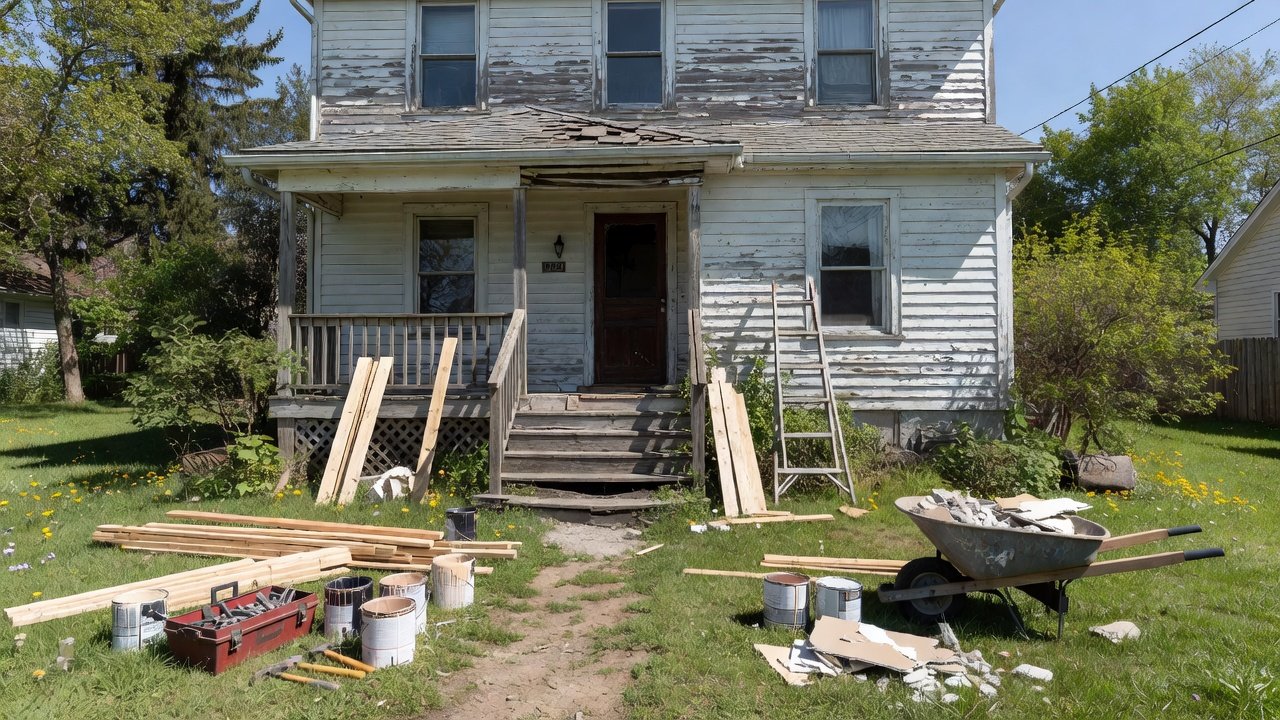
Embarking on a fixer-upper project can be exciting yet financially risky for beginners. In 2026, many homeowners dive into home improvements without proper planning, leading to inflated costs and prolonged timelines. This comprehensive guide highlights the most common mistakes and provides actionable strategies to keep your budget renovation on track. Understanding these pitfalls early helps transform a rundown property into a comfortable home without breaking the bank. We'll explore real-world examples and offer a practical checklist that covers every stage from initial inspection to final walkthrough.
Fixer-uppers appeal to first-time renovators because they often come at lower purchase prices, but hidden issues quickly erode savings if not addressed methodically. Whether you're updating a single-family home or tackling multiple rooms, the key is balancing ambition with realism. This article draws on common scenarios to show how small oversights compound into major budget overruns.
Underestimating Timelines and Their Ripple Effects
One of the biggest errors beginners make is assuming a renovation will wrap up quickly. Delays from supply chain issues or unexpected structural problems often extend projects by months. This leads to additional living expenses or rental costs that weren't factored in. For instance, a kitchen overhaul planned for six weeks might stretch to twelve due to permit waits or backordered materials. To mitigate this, build in a 30-50% buffer on your timeline estimates from the start. Document every dependency, such as when subcontractors are available, and maintain a shared calendar with your team. Real-world cases show that projects without buffers end up costing 25% more due to extended financing or temporary housing needs.
Skipping Permits and Regulatory Requirements
Many DIY enthusiasts skip permits to save time and money, but this often results in fines or forced rework. Local building codes exist for safety, especially in electrical and plumbing work. Always check requirements before starting structural changes. Resources like official housing guidelines emphasize compliance to protect your investment long-term. Ignoring permits can also complicate future sales, as buyers' inspectors will flag unpermitted work. Take time to visit your local permitting office or review online portals for your municipality's specific rules on everything from window replacements to load-bearing wall removals.
Material Selection Pitfalls That Drive Up Costs
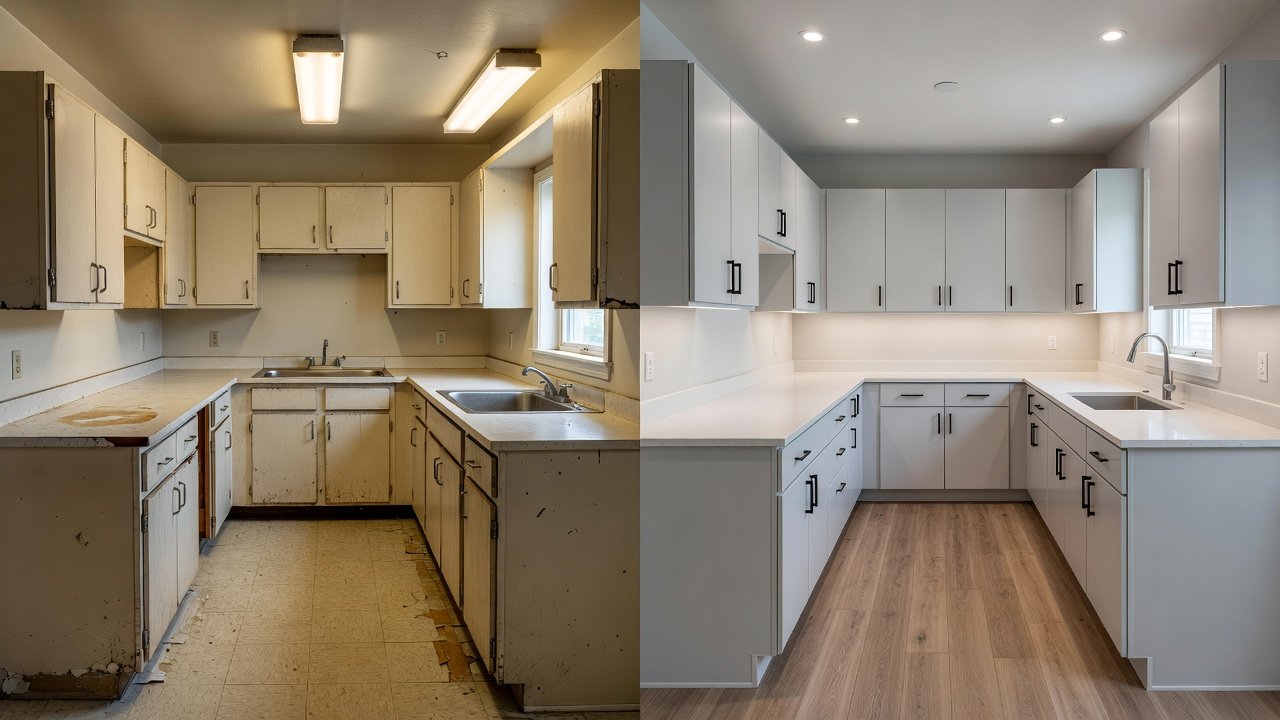
Choosing cheap materials to cut corners frequently backfires with higher replacement needs later. Opt for durable, mid-range options that balance cost and longevity. Compare options like laminate versus engineered hardwood for flooring to see what suits your usage. Before-and-after examples show how investing in quality countertops prevents chipping and maintains resale value better than budget alternatives. Consider factors such as maintenance requirements, warranty coverage, and compatibility with your home's existing systems. For example, selecting low-VOC paints not only improves indoor air quality but may qualify for energy-efficiency incentives in certain regions.
Contractor Hiring Red Flags to Watch For
Hiring the wrong contractor is a top budget buster. Red flags include vague quotes, no references, or pressure for large upfront payments. Always verify licenses, request multiple bids, and sign detailed contracts outlining scope and timelines. Professional associations such as the National Association of Home Builders provide directories for vetted pros in your area. Create a standardized evaluation sheet that scores each contractor on communication, insurance proof, and past project photos. Interview previous clients directly and ask about how change orders were handled. A thorough vetting process can prevent disputes that derail months of progress.
Prioritizing the Wrong Upgrades for Your Budget
Focusing on luxury features like high-end appliances over essentials such as roof repairs or insulation wastes money. Prioritize functional improvements that boost daily livability and energy efficiency first. Assess structural needs before cosmetic updates. Calculate ROI on each upgrade using comparable sales data. Consider phased approaches for non-essential items. Homeowners who rushed into cosmetic changes before fixing foundational problems often discovered that new finishes had to be redone after addressing leaks or settling issues.
Creating a Detailed Budget Breakdown and Contingency Plan
A realistic budget starts with a line-item spreadsheet that separates labor, materials, permits, and contingency funds. Break each room into categories such as demolition, rough-in work, finishes, and cleanup. Review historical pricing from suppliers and adjust for seasonal fluctuations. Set aside at least 15-20% of the total project cost for unexpected discoveries like outdated wiring or hidden water damage. Track every expense in real time using shared digital tools so all stakeholders stay informed. This level of detail prevents the common scenario where small purchases accumulate into thousands of unplanned dollars.
Step-by-Step Checklist for Realistic Budgets and Timelines
- Conduct a thorough home inspection with a professional and compile a prioritized list of issues.
- Research local permit processes and fees, then schedule pre-application meetings if required.
- Create a detailed materials list with price comparisons from at least three suppliers.
- Obtain three contractor quotes and check reviews, references, and insurance certificates.
- Build contingency funds for surprises and establish weekly spending reviews.
- Set milestones and track progress weekly with photos and written updates.
- Plan for temporary living arrangements if needed and factor in utility shutoffs.
- Schedule final inspections and obtain certificates of completion before moving in.
Real-World Examples and Comparisons
Consider a couple who skipped insulation upgrades in their 2025 project, only to face high energy bills afterward. After correcting this in a phased second round, they saw noticeable savings. Another example involves a bathroom remodel where permit avoidance led to a forced rework that doubled the original timeline. In contrast, a family who followed the checklist methodically completed their living-room renovation on schedule by addressing electrical updates first. These stories illustrate how early decisions influence long-term outcomes and underscore the value of methodical planning over impulsive choices.
Phased Renovation Strategies for Staying Under Budget
Breaking a large project into phases allows you to live in the home while spreading costs. Begin with safety-critical items such as electrical panels and plumbing, then move to high-impact areas like kitchens. Each phase should have its own mini-budget and timeline, with lessons learned applied to the next stage. This approach reduces stress and lets you adjust priorities based on actual spending patterns rather than projections alone.
FAQ: Common Concerns on ROI and Phased Approaches
How do I maximize ROI on a fixer-upper?
Focus on kitchen and bathroom updates, which typically offer the best returns. Track local market trends to align improvements with buyer preferences. Energy-efficient upgrades such as better windows or insulation can also appeal to cost-conscious purchasers.
Is a phased renovation better for staying under budget?
Yes, tackling one room at a time allows you to live in the space and adjust spending based on actual costs. This approach minimizes disruption and keeps total spend manageable while you evaluate progress.
What if unexpected issues arise mid-project?
Always maintain a contingency of at least 15-20% of your total budget. Document everything and communicate promptly with your contractor to explore cost-effective solutions.
Should I attempt DIY work or hire professionals for certain tasks?
Reserve DIY efforts for cosmetic or non-structural tasks where you have proven skills. Hire licensed professionals for electrical, plumbing, and load-bearing work to avoid safety risks and code violations.
Conclusion
By avoiding these common mistakes, beginners can successfully navigate fixer-upper renovations in 2026. Careful planning, smart contractor selection, and a realistic checklist ensure your project stays on budget while delivering lasting value. Start small, stay informed, and enjoy the transformation of your home.
No comments yet. Be the first!