 Fixated on Home
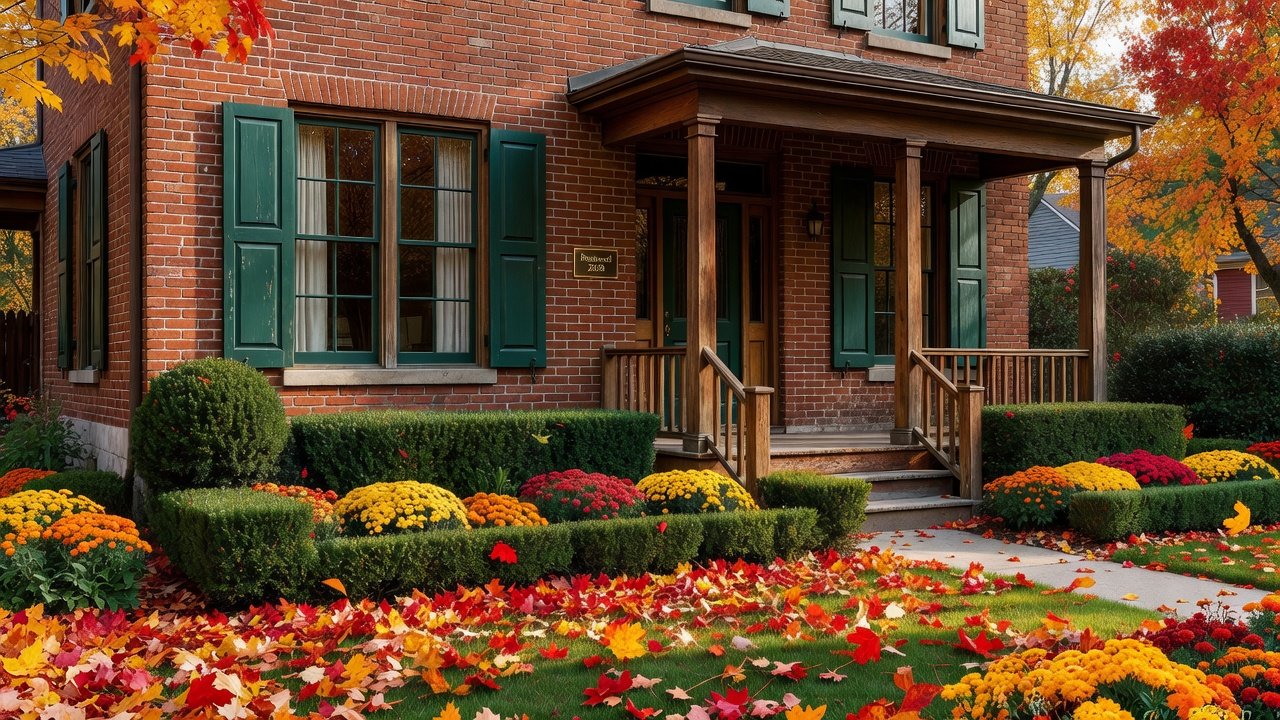
Introduction to Budget-Friendly Historic Home Renovations
Historic homes offer unique charm but often come with challenges that can strain budgets. In 2026, homeowners are increasingly seeking ways to balance cost savings with the need to maintain structural integrity and original architectural features. This guide provides in-depth strategies for fixer-upper preservation, focusing on practical steps that respect the home's heritage while incorporating modern functionality without breaking the bank.
Understanding the search intent behind budget reno for historic homes means prioritizing assessments, material sourcing, and phased approaches over complete overhauls. By following these methods, you can avoid common pitfalls like irreversible damage to period details while achieving a livable, attractive result. Preservation on a budget requires patience and creativity, but the payoff includes higher long-term value and a home that tells its own story.
Assessing Historic Elements Before Starting
Begin every project with a thorough evaluation of the property's historic features. Walk through the home and document elements such as original woodwork, plaster walls, hardwood floors, and vintage hardware. Use a simple checklist to categorize items as must-preserve, repairable, or replaceable with sympathetic alternatives. Pay special attention to elements that define the home's character, like ornate cornices or stained-glass windows, as these often require specialized care.
- Inspect foundations and load-bearing walls for structural issues common in older builds, noting any settling or water damage.
- Photograph all original fixtures and trim for reference during remodeling and share these images with contractors.
- Consult local historic district guidelines early to understand restrictions and avoid violations that could halt work.
- Test for lead paint and asbestos in pre-1978 homes before any demolition begins.
Resources from the National Park Service offer free guidance on identifying character-defining features and best preservation practices.
Sourcing Budget-Friendly Period Materials
Finding affordable materials that match the era of your home requires creativity and persistence. Salvage yards, online marketplaces, and local reclamation centers are excellent starting points for items like reclaimed wood, vintage doors, and antique lighting. Focus on quality over quantity to stretch your budget while ensuring compatibility with existing features.
Compare new reproductions with authentic finds by considering longevity and authenticity. For instance, reproduction millwork can be customized affordably when sourced from specialty suppliers rather than big-box stores. Join local preservation networks or attend estate sales to discover hidden treasures at lower prices. Always verify dimensions and condition before purchase to prevent costly returns or mismatches.
Phased Update Steps for Common Issues
Breaking renovations into phases helps manage costs and minimizes disruption to daily life. Start with critical structural repairs before moving to cosmetic updates, allowing time to evaluate each stage's impact.
- Phase 1: Address roof leaks, foundation cracks, and electrical updates using licensed professionals experienced with older wiring systems.
- Phase 2: Restore windows and doors while adding energy-efficient inserts that maintain the original appearance.
- Phase 3: Update kitchens and baths with period-appropriate cabinetry and fixtures, opting for refacing existing units when possible.
- Phase 4: Apply finishes that enhance original details like wainscoting and crown molding, using low-VOC paints suitable for historic surfaces.
Include a scannable checklist in your planning notebook for each phase to track progress, required tools, and potential subcontractors. This approach prevents overwhelm and keeps the project on track.
Cost Comparisons with Modern Alternatives
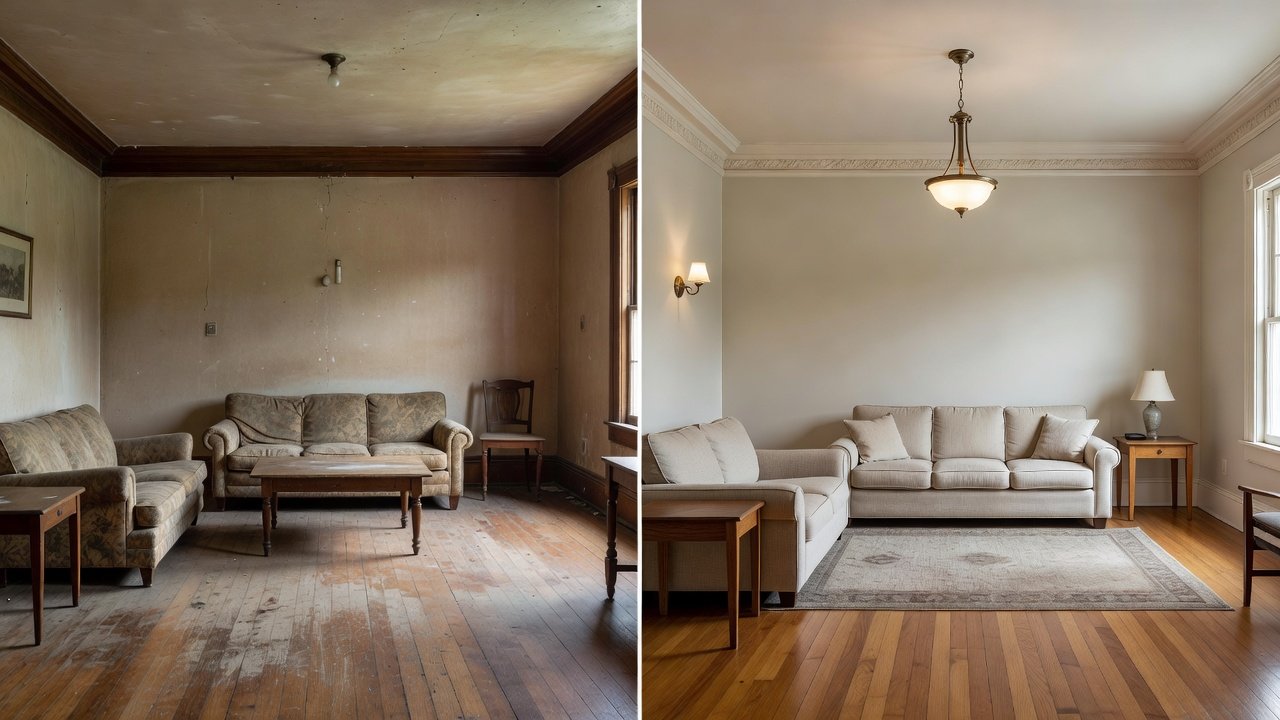
When evaluating options, weigh the long-term value of preservation against full modern replacements. Preserving original features often yields higher resale appeal in historic neighborhoods and avoids the expense of custom reproductions later. Modern alternatives may seem cheaper upfront but can diminish the home's unique character and require more frequent updates over time.
Energy Efficiency and Modern Upgrades in Historic Homes
Integrating energy efficiency without compromising historic integrity is a key 2026 concern. Focus on hidden improvements such as attic insulation, weatherstripping around original windows, and discreet ductwork for heating systems. These steps reduce utility costs while respecting the building envelope. Avoid visible solar panels on primary facades and instead explore ground-mounted options or rear-roof placements if permitted by local rules.
Real Examples from 2026 Projects
Consider a 1920s bungalow in the Midwest where owners phased the restoration over 18 months. They sourced salvaged oak flooring from a nearby demolition site and restored original built-ins using DIY techniques, resulting in a cohesive interior that honored the home's origins. Another example involves a Victorian row house where phased electrical work preserved intricate plaster ceilings while adding smart wiring discreetly behind existing baseboards.
A third case from the Pacific Northwest featured a Craftsman-style home whose owners collaborated with local artisans to replicate missing porch brackets using affordable cedar and basic carving tools. These cases highlight how careful planning leads to successful outcomes without compromising integrity or exceeding modest budgets.
Common Pitfalls and How to Avoid Them
Many beginners overlook permit requirements or rush material choices, leading to costly rework. Always verify local regulations and test materials for compatibility with existing structures. Another frequent mistake is ignoring moisture management, which can cause rot in original wood elements if not addressed early.
FAQ on Permits and Preservation
Do I need permits for historic home renovations? Yes, most municipalities require permits for structural or exterior changes in designated historic areas. Check with your local planning department before starting any work.
What are common mistakes in budget historic renos? Overlooking moisture issues and using incompatible modern materials are frequent errors that can accelerate deterioration of original features.
How can I find period materials affordably? Network with local preservation groups, monitor estate sales, and visit architectural salvage yards regularly for hidden gems at reduced prices.
Should I hire specialists for historic work? For complex elements like plaster repair or lead abatement, specialists prevent damage and ensure compliance with safety standards.
How do I balance modern needs with preservation? Prioritize reversible changes such as freestanding appliances and non-invasive insulation to maintain flexibility for future owners.
Conclusion
Successful budget renovations for historic homes in 2026 combine respect for original features with smart, phased execution. By assessing thoroughly, sourcing wisely, and planning carefully, homeowners can achieve beautiful, functional results that stand the test of time. Start small, stay informed through reliable resources like the Library of Congress preservation guidelines, and your fixer-upper can become a preserved treasure that enhances both your lifestyle and the neighborhood's character.
No comments yet. Be the first!