 Fixated on Home
Introduction to High-Return Fixer-Upper Renovations in 2026
Homeowners targeting fixer-uppers in 2026 are prioritizing projects that deliver strong returns on investment without overspending. With housing markets favoring value-driven updates, focusing on strategic improvements can boost resale value significantly while keeping budgets manageable. This guide examines top project types, ROI calculation methods, real-world examples, and strategies to maximize results. In today's competitive real estate landscape, understanding which renovations truly pay off helps avoid costly mistakes and ensures every dollar spent contributes to higher property values and faster sales.
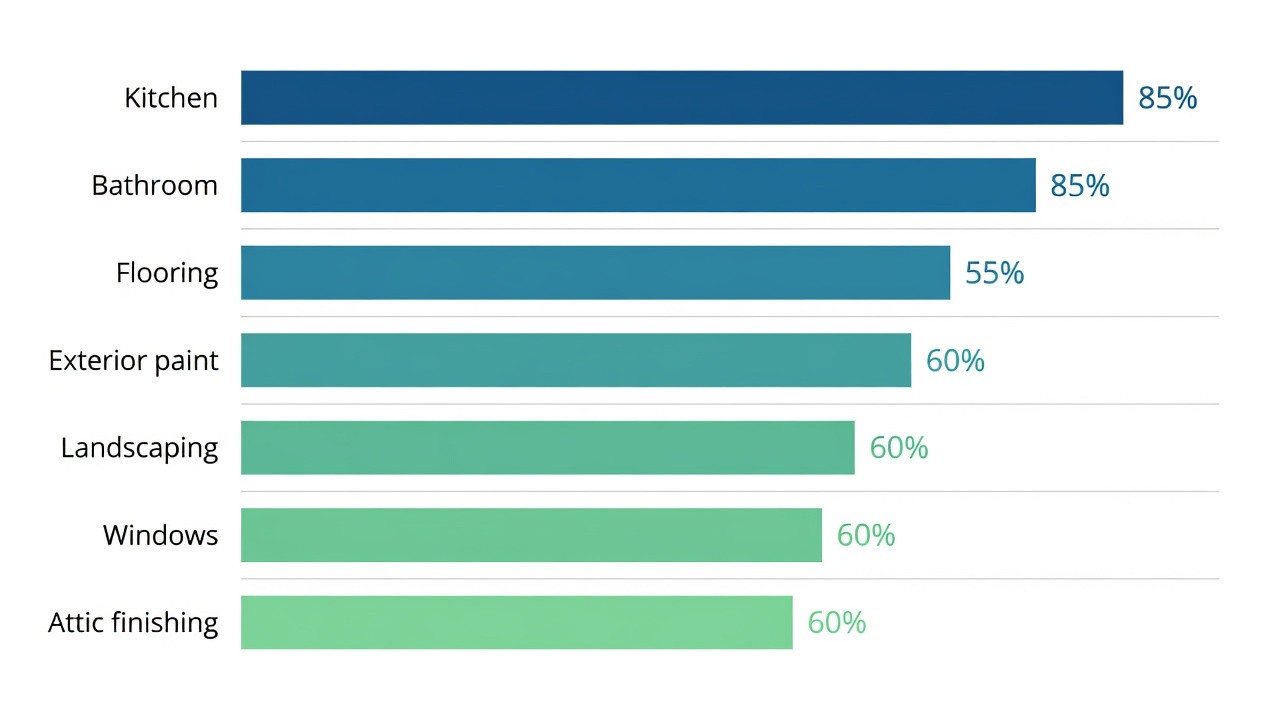
Top Fixer-Upper Projects: Cost vs. Resale Value Comparison
Selecting the right projects starts with understanding how each impacts both upfront expenses and long-term home value. Here are seven high-performing categories based on current remodeling trends. Each project type offers unique advantages depending on the condition of the property and local buyer preferences.
1. Kitchen Updates
Modernizing kitchens often yields strong returns through new countertops, cabinet refacing, and energy-efficient appliances. Focus on neutral designs that appeal to broad buyers. Practical steps include assessing existing cabinet quality before deciding between refacing or full replacement, selecting durable materials like quartz or laminate that resist daily wear, and incorporating smart storage solutions such as pull-out shelves to enhance functionality without major structural changes.
2. Bathroom Remodels
Updating fixtures, tiling, and lighting in bathrooms enhances daily livability and perceived value, especially in homes with outdated plumbing. Homeowners should prioritize water-saving fixtures to appeal to eco-conscious buyers and consider accessibility features like grab bars if targeting older demographics. Comparing before-and-after photos from similar projects shows how even modest updates can transform spaces and increase perceived square footage value.
3. Flooring Replacements
Swapping worn carpet for hardwood or luxury vinyl plank creates a durable, attractive foundation that buyers notice immediately upon entry. Key considerations include choosing moisture-resistant options for high-traffic areas like kitchens and entryways, ensuring proper subfloor preparation to prevent future issues, and selecting timeless colors that coordinate with various interior styles.
4. Exterior Painting and Siding
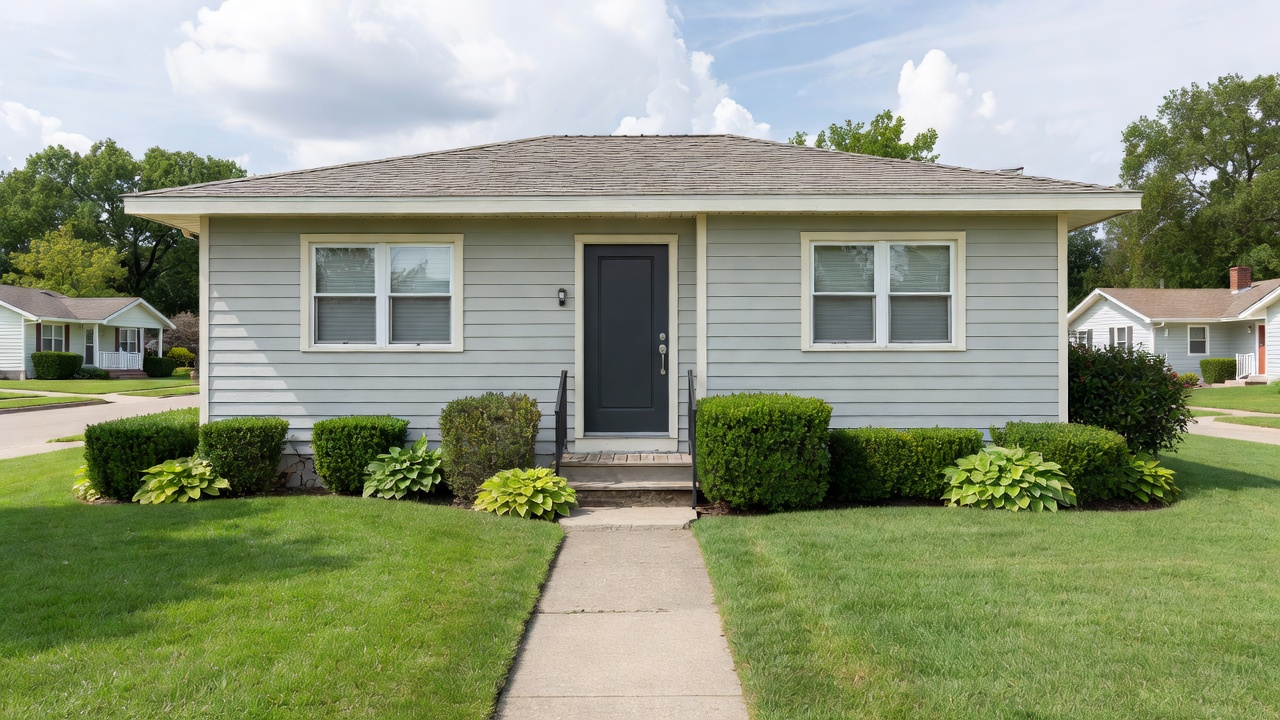
Fresh paint or minor siding repairs improves curb appeal dramatically, making properties stand out in competitive listings. Begin with a thorough inspection for underlying damage such as rot or mold before applying new finishes. Neutral color palettes tend to attract more buyers, and professional application ensures even coverage that lasts longer than DIY attempts in many cases.
5. Landscaping and Outdoor Upgrades
Simple additions like new mulch, plants, and basic hardscaping extend living space outdoors while adding visual polish. Focus on low-maintenance native plants that thrive in local climates to reduce ongoing care requirements. Adding defined pathways or small seating areas can turn neglected yards into functional extensions of the home, increasing overall property appeal.
6. Window and Door Replacements
Energy-efficient windows and solid entry doors reduce utility costs and improve security perceptions for future owners. Measure openings accurately and research frame materials like vinyl or fiberglass for longevity and insulation performance. These upgrades often pair well with insulation improvements in walls or attics for compounded energy savings.
7. Attic or Basement Finishing
Converting unused spaces into functional rooms expands square footage effectively at a fraction of new construction costs. Proper ventilation, insulation, and moisture control are essential to prevent future problems. Adding bedrooms or home offices in these areas can significantly raise appraised values when executed according to local building codes.
Step-by-Step ROI Calculation Methods
Calculating ROI helps prioritize projects accurately. Start by totaling all material and labor expenses for a specific upgrade. Next, research comparable sales in your neighborhood to estimate the added resale value. Divide the value increase by total cost and multiply by 100 for the percentage return. Tools from sources like NAHB provide regional benchmarks to refine estimates. Always factor in holding costs during the renovation period for realistic projections. For deeper analysis, consult local real estate agents or use online valuation tools to cross-reference data from multiple sources such as HUD. Include variables like market trends, seasonal timing, and material price fluctuations to create more accurate forecasts that account for 2026 economic conditions.
Real-World Case Studies from Recent Fixer-Upper Flips
Consider a 1970s ranch home where owners invested in kitchen and flooring updates alongside minor landscaping. The property sold within weeks above asking price due to the refreshed interiors and enhanced curb appeal. Another example involves a two-story fixer-upper where bathroom refreshes and window upgrades led to faster closings and higher offers compared to similar unrenovated homes nearby. A third case featured a suburban colonial where attic finishing added a versatile bonus room, resulting in multiple offers and a quicker sale timeline. These cases highlight how targeted, budget-conscious changes compound into measurable gains when aligned with buyer expectations in the current market.
Common Pitfalls to Avoid
- Over-improving beyond neighborhood standards, which rarely recoups full costs. Always research median home values in the area before committing to luxury finishes.
- Skipping permits for structural work, leading to legal complications at sale. Local building departments can provide guidance on required approvals for each project type.
- Ignoring quality materials in favor of the cheapest options, resulting in premature wear. Mid-range selections often strike the best balance between durability and budget constraints.
- Failing to match updates to buyer demographics in the local market. Families may prioritize different features than young professionals or retirees.
- Neglecting professional inspections before starting work, which can uncover hidden issues like electrical problems or foundation concerns that derail timelines and budgets.
Practical Checklists for Budget Reno Success
Pre-Project Planning Checklist
- Obtain multiple contractor quotes and verify licenses through state regulatory boards.
- Review local zoning rules and permit requirements early in the process.
- Establish a contingency fund for unexpected issues discovered during demolition.
- Document existing conditions with photos for reference and insurance purposes.
- Research material suppliers for bulk discounts and delivery scheduling options.
Execution Checklist
- Schedule work in logical order to minimize disruptions to daily living.
- Track all expenses meticulously for accurate ROI tracking and tax documentation.
- Communicate timelines clearly with all parties involved to avoid delays.
- Conduct final walkthroughs before final payments to ensure quality standards.
- Obtain warranties on major installations such as appliances, flooring, and windows.
FAQ on Financing and Timelines
How can homeowners finance these renovations?
Options include home equity lines of credit, personal loans, or cash-out refinancing. Review terms carefully and compare rates from multiple lenders to find suitable fits for your situation. Government-backed programs through agencies like Fannie Mae may also offer pathways for qualified borrowers.
What are typical project timelines?
Smaller updates like painting or flooring often complete in one to two weeks. Larger efforts such as kitchen or bathroom remodels may require four to eight weeks depending on scope and material availability. Always build buffer time into schedules to accommodate supply chain variations.
Can ROI be guaranteed?
While no project guarantees exact returns, data-driven selections based on local comps and quality execution significantly improve outcomes. Consult real estate professionals for tailored insights.
How do seasonal factors affect renovation ROI?
Projects completed in spring or early summer often align better with peak buying seasons, allowing homes to show at their best. Winter renovations may face weather-related delays but can position properties for quick sales once market activity increases.
Conclusion
Strategic budget renovations in fixer-uppers empower homeowners to achieve meaningful ROI in 2026. By focusing on high-impact projects, applying sound calculation methods, learning from case studies, and steering clear of pitfalls, you can transform properties efficiently. Use the checklists and FAQs provided to guide your next steps toward successful outcomes and stronger property values.

No comments yet. Be the first!