 Fixated on Home
Introduction to Budget Workshop Renovations
Homeowners frequently discover that garages, basements, or spare rooms hold untapped potential for productive workshops. In 2026, budget reno approaches enable the creation of these functional areas without major financial strain, relying on fixer-upper techniques that deliver lasting value through smart home improvement practices. This comprehensive guide explores practical strategies for converting overlooked spaces, emphasizing material efficiency, organized layouts, and essential safety measures to support hobbies like woodworking, crafting, or mechanical repairs.
The appeal of these projects lies in their accessibility. By focusing on low-cost solutions and reusing existing structures, individuals can achieve professional-grade results. Real-world applications from 2026 demonstrate how incremental changes lead to highly usable environments that enhance daily routines and property appeal.
Assessing Your Space for Fixer-Upper Potential
Begin the process by thoroughly evaluating candidate areas such as a section of the garage, an unused basement corner, or even a detached shed. Take precise measurements of floor space, ceiling height, and wall lengths while noting potential challenges like moisture issues, poor natural light, or uneven surfaces. Fixer-upper successes depend on tackling foundational repairs early, including patching walls, leveling floors with affordable compounds, and reinforcing weak shelving units before introducing specialized workshop elements.
Compare conversion options carefully. A garage section might demand extra attention to weather sealing and driveway access, whereas a basement area could require more emphasis on moisture control and electrical extensions. Document everything with photos and a simple sketch to guide material lists and prioritize tasks that align with your skill level and available time.
Material Sourcing on a Tight Budget
Effective material sourcing forms the backbone of any successful budget reno. Explore local salvage yards, construction reuse centers, and community online marketplaces for reclaimed lumber, metal brackets, and hardware that retain structural integrity. Prioritize items like plywood sheets for work surfaces and sturdy framing materials that can be cut and assembled on site. In multiple 2026 homeowner projects, sourcing the majority of supplies through secondhand channels helped maintain overall affordability while reducing waste.
Inspect every piece for signs of damage such as warping, rot, or loose fasteners before committing to a purchase. Visit reuse facilities early in the week when new stock arrives, and consider bartering or group buys with neighbors to stretch resources further. This approach not only supports budget reno goals but also promotes sustainable home improvement practices that benefit the broader community.
Tool Storage Hacks for Small Spaces
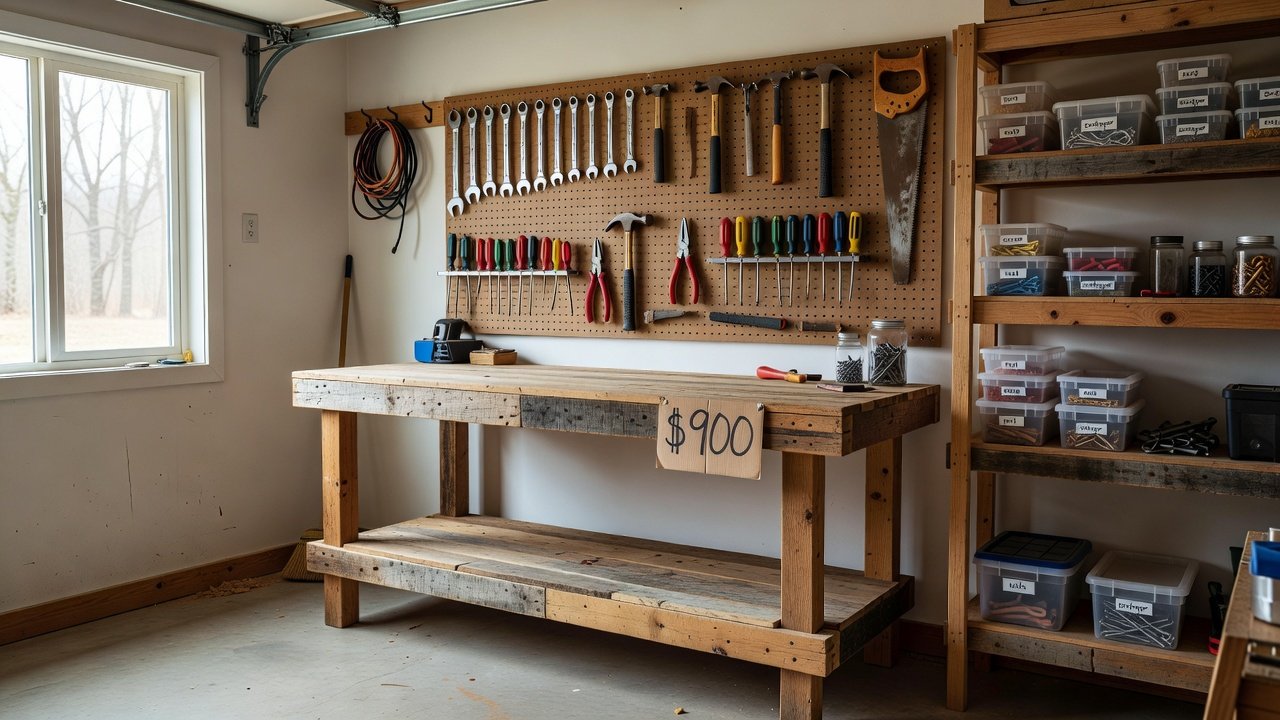
Organizing tools efficiently prevents clutter and improves workflow in compact workshops. Mount pegboards on available wall surfaces to hold frequently used hand tools within easy reach, and incorporate magnetic strips along benches for screwdrivers and wrenches. Stackable clear bins labeled by category keep screws, nails, and small parts visible and dust-free, while overhead racks or ceiling hooks maximize vertical storage for larger items like clamps or extension cords.
A notable 2026 example involved a Reno homeowner who built custom pegboard frames from scrap wood, creating zoned sections for power tools on one side and hand tools on the other. This system allowed quick visual inventory checks and reduced time spent searching for equipment during projects.
Lighting and Electrical Basics
Adequate lighting transforms a dim space into a safe, productive workshop. Install affordable LED strip lights or clamp-on work lamps positioned above key work zones to eliminate shadows. For electrical needs, use heavy-duty extension cords rated for workshop loads and add outlet strips with surge protection where permanent wiring upgrades are not feasible. Always verify that circuits can handle additional demand before plugging in multiple devices.
These upgrades support precise tasks and reduce eye strain, making long sessions more comfortable. Home improvement enthusiasts in 2026 often combined natural window light with targeted task lighting to achieve balanced illumination without complex installations.
Ventilation Upgrades on a Budget
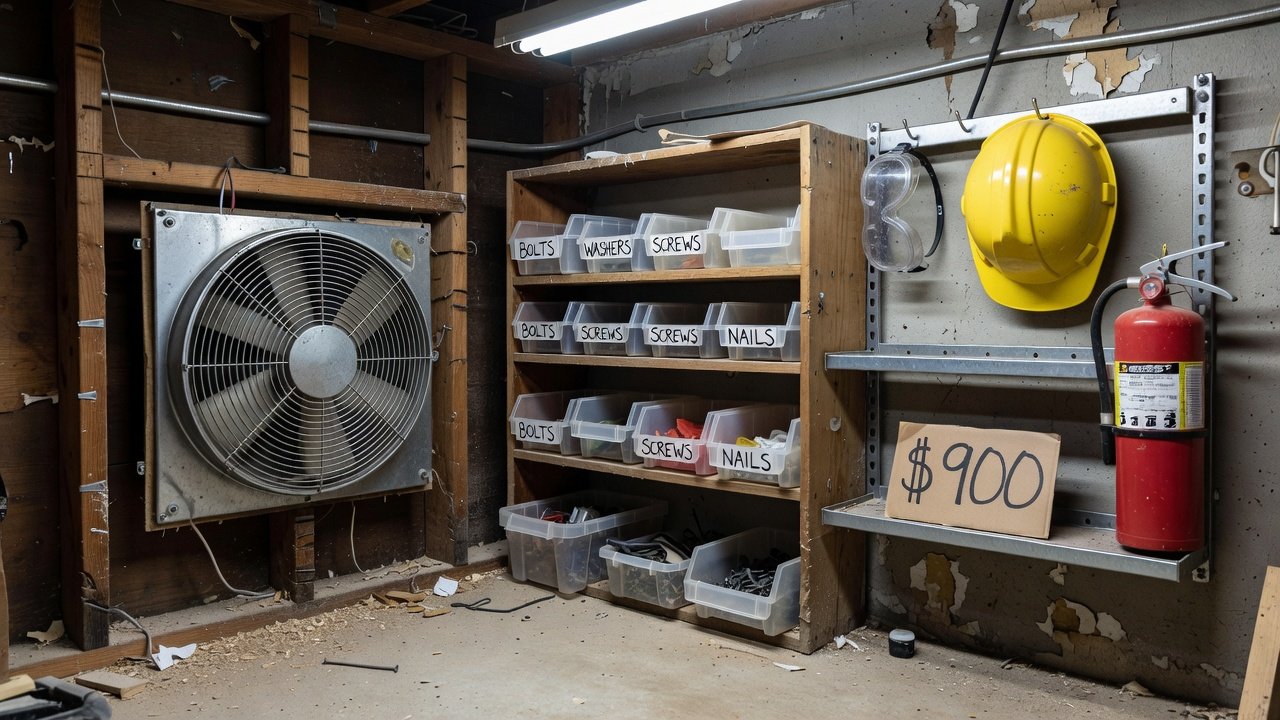
Effective ventilation protects respiratory health and maintains a comfortable environment during dusty or fume-producing activities. Position box fans or inexpensive exhaust units near windows or doors to create cross-breezes, and supplement with portable air purifiers equipped with HEPA filters. For enclosed areas, simple vent covers or flexible ducting can direct airflow outward efficiently.
Consult established safety standards from OSHA guidelines when planning upgrades. Pair mechanical solutions with habits like opening doors during active work periods to maintain fresh air circulation throughout the space.
Step-by-Step Renovation Guide
- Clear the entire area and perform a deep clean to remove debris and old finishes.
- Address structural repairs such as floor leveling and wall patching using basic supplies.
- Construct a primary workbench by attaching plywood to sturdy sawhorses or existing counters for immediate usability.
- Install storage systems including pegboards, bins, and hooks while planning zones for different tool types.
- Add lighting fixtures and test electrical setups for reliability and safety.
- Integrate ventilation components and finalize with safety equipment placement.
- Perform a final walkthrough to adjust organization based on workflow needs.
Safety Protocols Every DIYer Must Follow
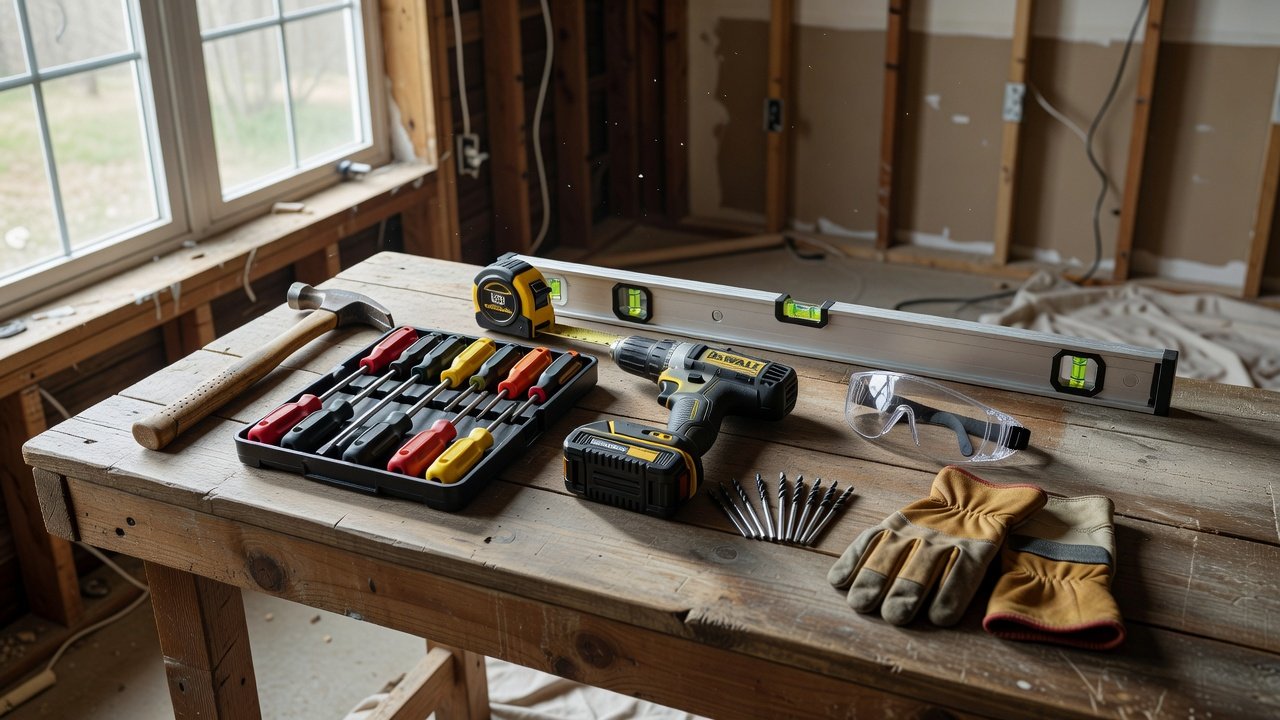
Safety remains paramount in any workshop setting. Equip yourself with essential protective items including safety goggles, heavy-duty gloves, and respirators rated for particulates. Position a fire extinguisher in a visible, accessible location and ensure all power tools feature proper grounding. Review comprehensive recommendations through CDC safety resources prior to operating equipment that generates dust or sparks.
Avoid common oversights such as neglecting hearing protection during loud operations or failing to secure loose clothing. Establishing clear protocols from the outset prevents accidents and fosters a sustainable home improvement environment.
Cost Comparisons and 2026 Project Examples
Garage-based conversions generally involve fewer moisture-related expenses compared to basement adaptations, though both benefit from phased implementation. One documented 2026 project converted a portion of a residential garage using primarily reclaimed materials and basic fasteners, resulting in a fully operational woodworking area completed over several weekends. Another homeowner focused on basement corner optimization, incorporating targeted ventilation that noticeably improved air quality during extended use.
These examples highlight how prioritizing high-impact elements like storage and safety over cosmetic finishes keeps projects aligned with budget reno principles while delivering immediate functionality.
Maintenance Tips for Long-Term Use
Regular upkeep ensures the workshop remains efficient and safe. Schedule monthly inspections of storage systems and ventilation equipment to catch wear early. Wipe down surfaces after each session to control dust accumulation, and rotate tool positions seasonally based on usage patterns. These habits extend the life of your setup and support ongoing home improvement activities without unexpected repairs.
FAQ on Common Pitfalls
What are the biggest mistakes in budget workshop renos?
Skipping thorough space assessment or underestimating ventilation needs often leads to later complications. Always verify measurements twice and test airflow before finalizing layouts.
How do I stay within affordable limits?
Emphasize phased purchasing, local sourcing, and creative reuse of existing items. Create a prioritized list to prevent impulse acquisitions that inflate expenses.
Is professional help necessary for certain elements?
Electrical modifications or structural reinforcements typically warrant consultation with licensed professionals to uphold safety and code compliance standards.
Conclusion
Thoughtful execution of budget reno projects allows homeowners to repurpose underutilized areas into versatile workshops that support creative and practical pursuits. Applying these fixer-upper concepts and home improvement techniques yields spaces that remain functional and inspiring over time. Begin with careful planning, maintain focus on safety and organization, and take satisfaction in the tangible results of your efforts.
No comments yet. Be the first!