 Fixated on Home
Introduction to Budget Patio Transformations
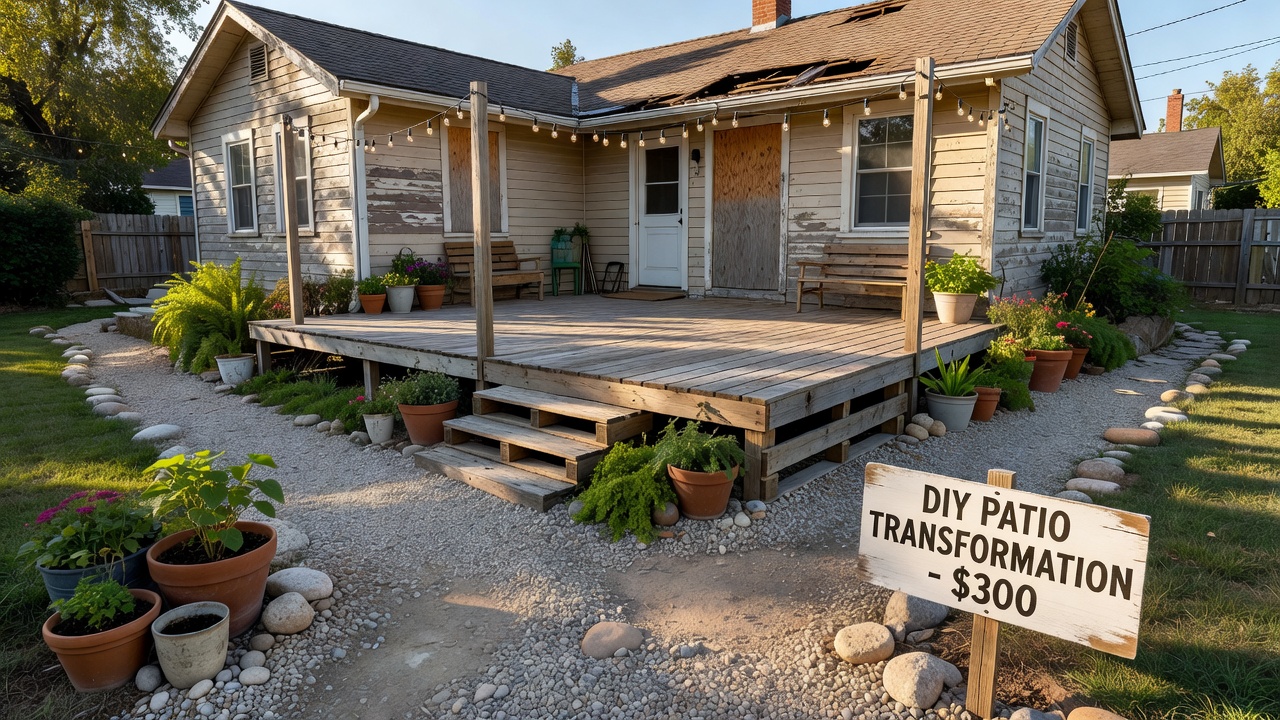
Homeowners with fixer-upper properties often face the challenge of turning neglected outdoor spaces into inviting patios without breaking the bank. In 2026, budget DIY patio makeover ideas focus on sustainable materials and practical techniques that address common issues like uneven ground and poor drainage. These projects emphasize recycled materials, simple builds, and weatherproofing to create durable results on a tight budget. Many fixer-uppers inherit patios with cracked concrete, overgrown weeds, or sloped surfaces that collect water, making them unusable. By focusing on modular, low-cost upgrades, you can achieve professional-looking results that enhance property value and outdoor living space.
Whether your yard is small or expansive, these ideas deliver before-and-after transformations that boost curb appeal and functionality. Each concept stays under $300 as of 2026-07-12, making them accessible for most homeowners. The emphasis remains on using what you already have or sourcing affordably from local suppliers and online marketplaces.
Planning Your DIY Patio Makeover
Before breaking ground, evaluate your space thoroughly. Measure the area, note sun exposure, and identify problem spots such as pooling water or tree roots. Sketch a simple layout on paper or use free design apps to visualize changes. Consider your climate zone to choose materials that withstand local weather. Recycled options like pallets, reclaimed wood, and old pavers reduce costs while promoting sustainability. Factor in time: most projects can be completed over a weekend or two with basic skills.
Always check local building codes and weather patterns to select appropriate materials. Permits are rarely needed for small surface changes but verify if adding structures like pergolas.
Essential Tools and Materials
Having the right tools prevents frustration and ensures safety. Core recommendations include a cordless drill, circular saw, level, measuring tape, hammer, shovel, and wheelbarrow. For weatherproofing, stock up on exterior-grade sealant, paint, and screws. Materials often come from recycled sources: free pallets from local businesses, gravel from landscaping suppliers, and fabric remnants for cushions.
- Cordless drill with bits for assembly
- Circular saw for cutting lumber
- Spirit level and string line for alignment
- Outdoor sealant and primer
- Recycled wood, gravel, and pavers
Visit Home Depot or similar retailers for affordable hardware bundles.
8 Creative Budget DIY Patio Ideas
1. Recycled Pallet Deck
Use free or low-cost wooden pallets to create a raised deck. Sand all surfaces smooth, apply two coats of weatherproof stain, and secure with metal brackets. This creates an elevated surface that solves minor unevenness. Example: A 10x12 foot section transforms bare dirt into a lounging area. Step-by-step: disassemble and arrange pallets, level the ground underneath, fasten together, and add rugs for comfort.
2. Gravel and Paver Path
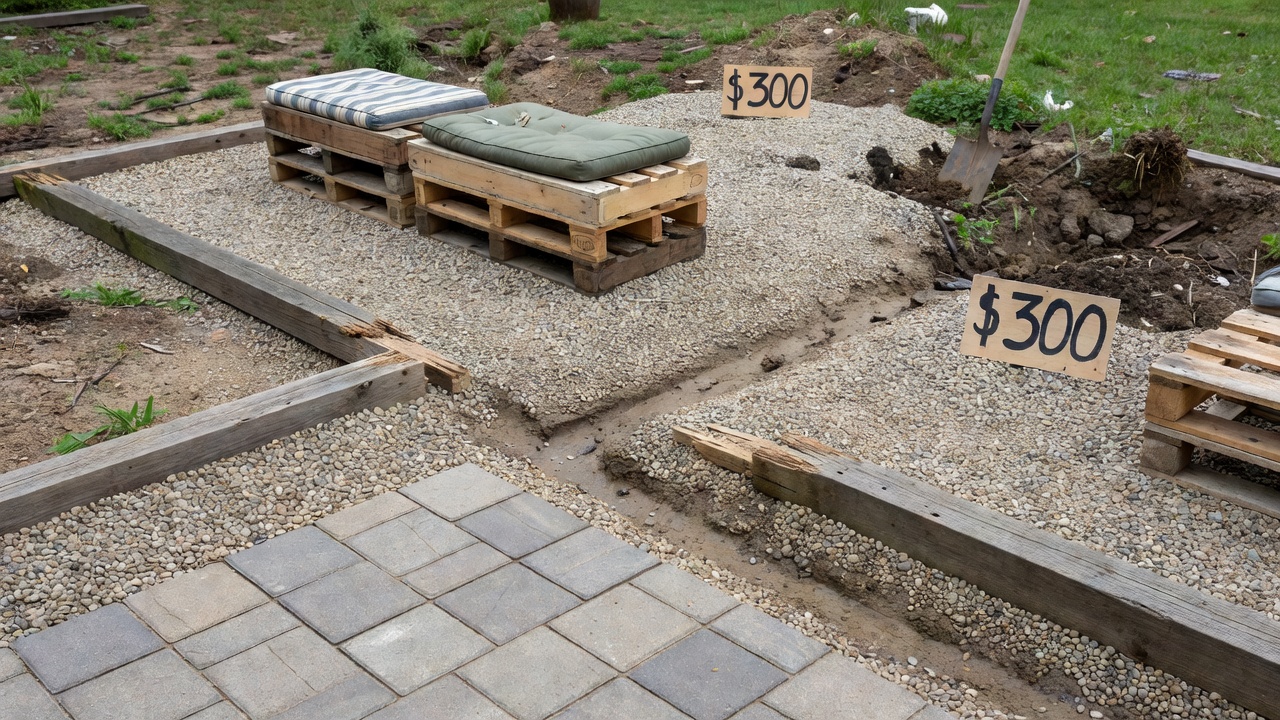
Lay recycled concrete pavers over a compacted gravel base for an easy walkway. This fixes uneven ground effectively by creating a stable, permeable surface. Add landscape fabric to prevent weeds. Cost remains minimal when sourcing reclaimed pavers.
This Old House provides excellent tutorials on similar paver installations.
3. Upcycled Tire Seating
Paint old tires with exterior paint and fill with weather-resistant cushions. Arrange in a circle for conversation areas. This project repurposes items often found at tire shops for free.
4. Simple String Light Canopy
Install pressure-treated posts and run galvanized wire between them to hang string lights. This adds ambiance for evening use without high costs.
5. Cinder Block Planters
Stack cinder blocks in geometric patterns and fill with soil for raised beds. Ideal for small yards or to border seating areas while improving drainage.
6. Repurposed Door Table
Transform an old interior door into a patio table by attaching sturdy legs. Sand, paint, and seal for outdoor durability.
7. Mulch and Border Edging
Define spaces with recycled wood borders and fresh mulch for a quick visual refresh. This softens hard edges and improves water absorption.
8. Drainage Trench Upgrade
Dig a shallow trench along low spots, line with gravel and perforated pipe, then cover. This practical fix prevents water damage to new surfaces.
Step-by-Step Overviews for Top Projects
For the pallet deck: First measure and mark the area. Cut pallets to fit your layout using a circular saw. Sand thoroughly, apply weatherproof stain in two coats, and allow drying. Anchor to the ground with rebar stakes. Before the project the space was unusable dirt; after, it becomes a functional deck ready for furniture in one weekend. Similar detailed steps apply to the paver path: excavate six inches, add gravel base, compact, lay pavers in pattern, and sweep sand into joints.
Addressing Common Challenges
Uneven ground is solved by building up low areas with gravel layers and using a tamper. For drainage issues, incorporate gentle slopes away from the house and permeable materials like gravel that allow water to seep through. Root interference can be managed by raised structures that sit above the soil line. Always test drainage with a hose before finalizing surfaces.
Before-and-After Comparisons
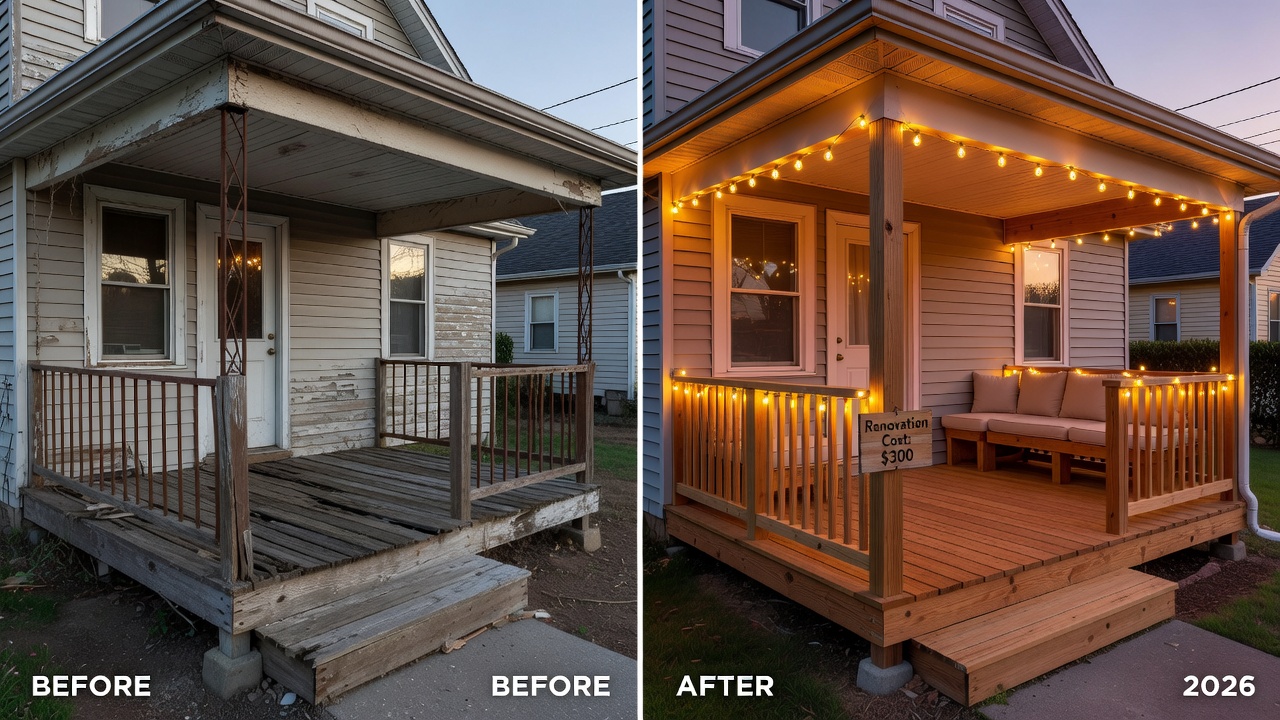
Projects typically transform neglected corners into usable spaces. A bare concrete slab becomes a cozy lounge with added seating and lighting. Overgrown patches turn into defined zones with borders and planters, often increasing outdoor usability by 50 percent or more.
Scaling Projects for Different Yard Sizes
Small yards benefit from vertical elements like wall-mounted planters and compact seating. Medium yards allow repeating modular designs such as multiple pallet sections. Larger properties can incorporate pathways connecting separate zones. Start small and expand seasonally to manage budget and effort.
Maintenance and Longevity
Regular upkeep ensures your patio lasts. Sweep debris weekly, reapply sealant every 12-18 months, and inspect for loose hardware. In winter, cover cushions and clear snow promptly. These habits keep projects looking fresh for years.
Conclusion
These ideas prove that budget-friendly makeovers are achievable in 2026 for any fixer-upper. With planning and creativity, you can create an outdoor oasis that adds value and enjoyment.
FAQ
How do I maintain a DIY patio? Clean regularly, reapply weatherproofing sealant yearly, and address drainage promptly to avoid water damage.
Can these scale for larger yards? Yes, repeat modular elements like pavers or planters across bigger areas while maintaining consistent materials.
What if my ground is very uneven? Build raised platforms or use adjustable footings on decks to compensate for slopes.
Are permits required? Usually not for surface-level changes, but confirm with your local municipality.
No comments yet. Be the first!