 Fixated on Home
Introduction to Budget Smart Home Automation in 2026
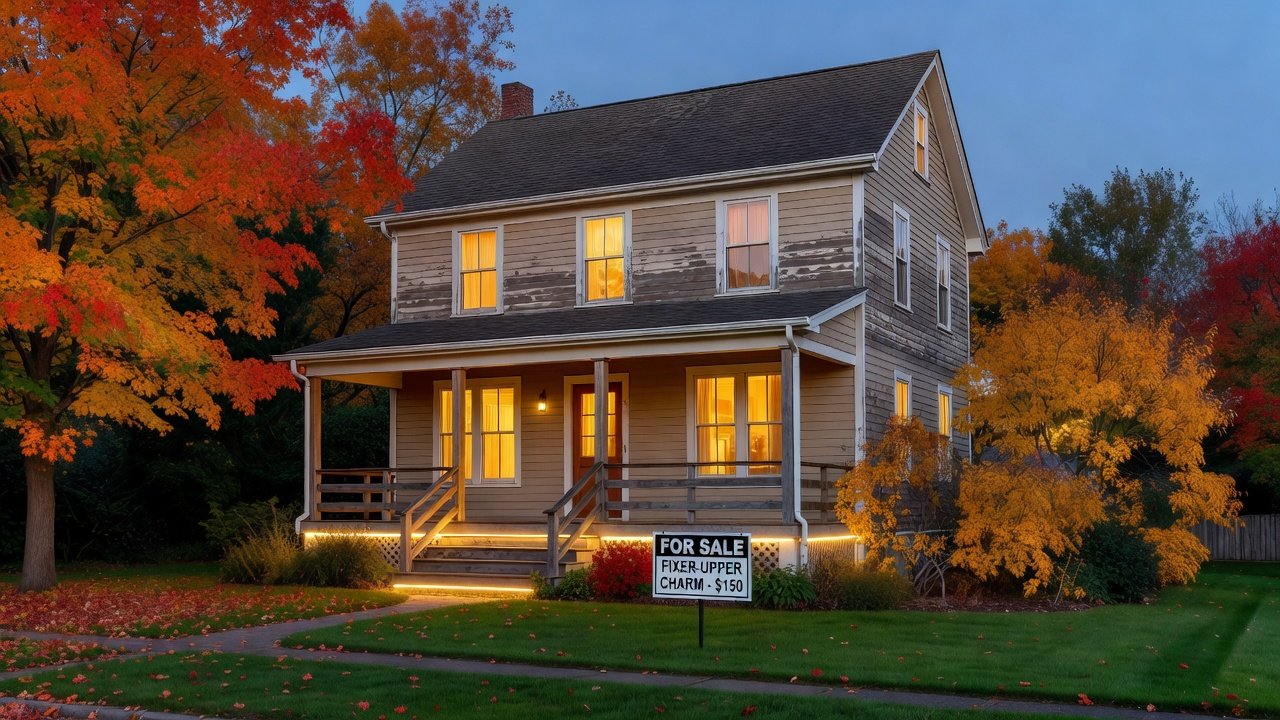
Fixer-uppers often lack modern conveniences, but 2026 brings accessible tools for DIY smart home automation without rewiring or professional help. Homeowners can add voice control, sensors, and energy-saving features that boost value while keeping projects beginner-friendly. This guide covers practical upgrades using widely available kits compatible with popular ecosystems like Alexa, Google Home, and Apple HomeKit. Older homes present unique challenges such as outdated wiring and limited outlets, yet targeted automation projects sidestep these issues by relying on wireless technology and minimal modifications. Whether your property dates back to the mid-20th century or earlier, these solutions enhance daily living without compromising the home's character.
Benefits of Smart Upgrades for Older Homes
Older properties benefit from targeted automation that improves daily life and long-term efficiency. These additions reduce energy waste through smart scheduling and provide security enhancements without invasive installations. Many projects integrate with existing wiring and focus on plug-and-play or simple switch replacements. For example, a homeowner in a 1950s bungalow can install voice-controlled lights in the living room to create ambiance during evening gatherings, while motion sensors in hallways deter intruders without needing new circuits. Real-world applications show increased home value as buyers increasingly seek tech-ready spaces. Additionally, these upgrades support aging-in-place by allowing remote monitoring of lights and temperatures, offering peace of mind for families managing multiple properties.
Voice-Controlled Lighting Switches
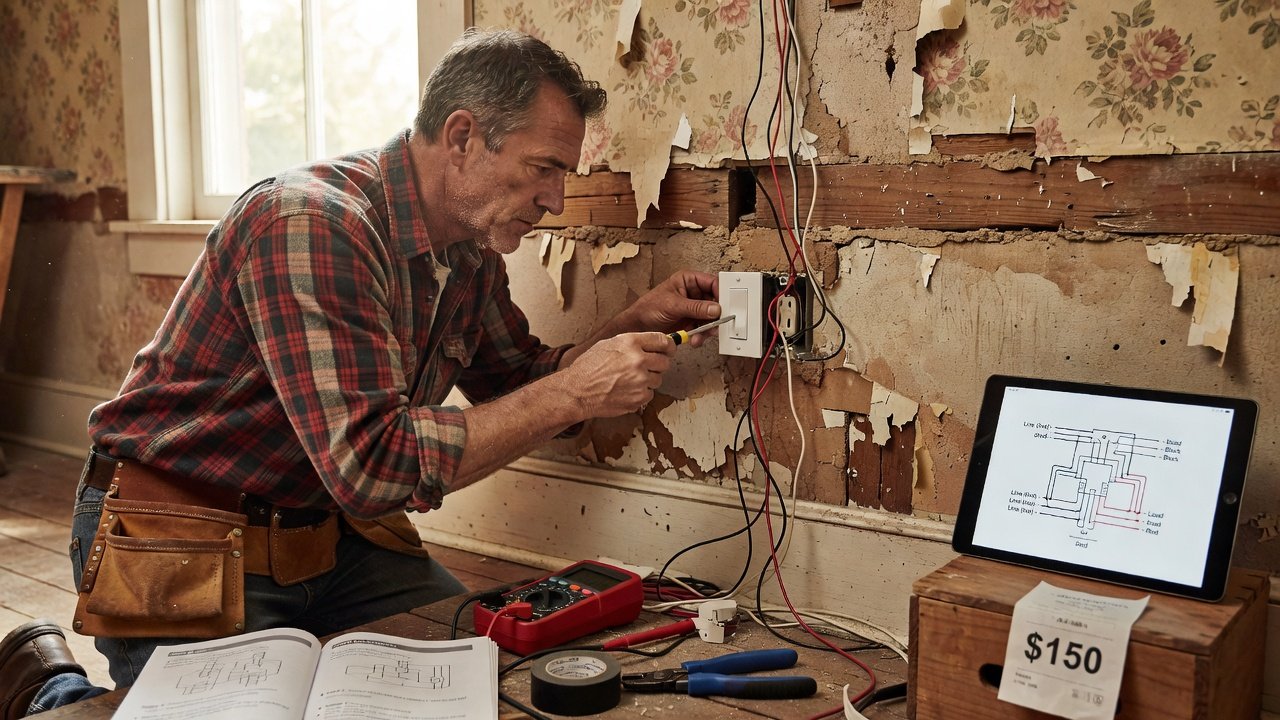
Start with smart light switches that replace standard toggles. Choose models supporting voice assistants like Alexa or Google Home. Installation involves turning off power, swapping wires, and connecting via app. Typical steps include labeling existing wires with masking tape, attaching the new switch using the provided screws, restoring power at the breaker, and pairing the device with your Wi-Fi network through the manufacturer's mobile application. This upgrade allows dimming, scheduling, and remote control for enhanced convenience in fixer-uppers. Consider three-way switch scenarios common in older homes where two switches control one light; select compatible smart versions that handle multi-location setups. Before-and-after comparisons reveal dramatic differences: traditional switches offer only basic on/off functionality, whereas smart versions enable customized scenes like "movie night" that dim multiple lights automatically while closing connected shades. Energy savings accumulate from automated shutoffs during daytime hours when natural light is abundant. Practical tips include testing compatibility with your home's neutral wire requirement and using a voltage tester before any work begins. Avoid common pitfalls such as overtightening wires that could damage older connections.
Budget Sensor-Based Security Add-Ons
Enhance security with wireless door sensors and motion detectors that connect to a central hub. These battery-powered units require no wiring and mount with adhesive strips or screws. Setup includes app configuration for instant alerts and integration with smart locks or cameras. Focus on entry points like windows and doors common in older homes where frames may be uneven. Learn more about home security best practices from CISA. Expand the system gradually by adding water leak sensors in basements or garages to prevent costly damage in aging plumbing. Scannable list of starter projects: choose Zigbee or Z-Wave compatible sensors for reliable 2026 connectivity across large properties; test wireless range with a phone app before final placement; combine with a low-cost hub for unified control from one dashboard; and integrate with existing doorbells for layered protection. Real examples include placing contact sensors on historic French doors without drilling, preserving original hardware while gaining smartphone notifications for any opening events.
App-Integrated Thermostat Hacks
Replace or augment existing thermostats with smart models that learn usage patterns over time. Many 2026 options fit standard 4-wire setups common in fixer-uppers. Steps include removing the old unit carefully to avoid damaging wall anchors, matching color-coded wires to the new base plate, securing the device, and configuring Wi-Fi for remote app access. Features like geofencing adjust temperatures based on phone location, promoting efficiency during work hours. Check energy-saving tips on Energy.gov. Additional hacks involve creating schedules that lower heating overnight in winter and using voice commands to override settings from bed. In older homes with radiator systems, pair smart valves with a central controller for zoned control without full HVAC replacement. Comparisons show manual thermostats waste energy through constant settings, while smart ones adapt to occupancy and weather data for noticeable monthly reductions.
Simple Motor Kits for Window Shades
Motorized shade kits retrofit manual blinds with battery-operated rollers. Installation is straightforward: measure windows accurately, attach brackets to existing frames, connect the motor unit, and program via smartphone for scheduled raises and lowers. These kits support voice commands and integration with lighting scenes for complete room automation. They suit older windows without needing electrical runs, preserving aesthetic integrity. Examples include installing kits on south-facing living room windows to block summer heat automatically, reducing cooling demands. Maintenance involves periodic battery checks and firmware updates for continued reliability in 2026 ecosystems.
Cost Breakdowns and Comparisons
Each project stays accessible, with components often totaling under $150 as of 2026-10-04. Lighting switches represent the lowest entry point due to simple hardware needs, while shade motors require careful kit selection for budget fit. Compare before (manual operation requiring physical effort) and after (automated routines saving time and energy daily). Factor in long-term returns such as reduced utility bills and higher resale appeal when evaluating overall value.
2026-Ready Tools and Integrations
Look for Matter-compatible devices ensuring future-proofing across platforms without vendor lock-in. Pair with energy-monitoring smart plugs for detailed insights into appliance usage patterns. These integrations support long-term savings through optimized heating, lighting, and security routines. Explore open-source hubs for advanced users wanting custom automations tailored to fixer-upper quirks like irregular room layouts.
Common Mistakes to Avoid
Beginners often overlook checking for neutral wires in older switch boxes, leading to incomplete installations. Always verify device compatibility with your existing smart speaker before purchasing. Another frequent error is placing sensors too close to heat sources, causing false triggers in security setups. Test everything thoroughly during setup to catch issues early.
Energy Savings and Long-term Value
Smart automation delivers measurable efficiency gains by aligning device operation with actual needs rather than constant defaults. Over months, automated lighting and climate control compound into meaningful reductions, while security features protect against losses. For fixer-uppers, these upgrades modernize without erasing historical charm, making the property more attractive to future buyers seeking convenience.
FAQ on Wiring Concerns in Fixer-Uppers
Is major rewiring needed? Most projects use existing lines or wireless options, avoiding disruption.
What if my home has old knob-and-tube wiring? Opt for battery or plug-in alternatives to avoid issues entirely.
Are permits required? Simple switch swaps usually do not need them, but check local codes for peace of mind.
How do I ensure compatibility? Verify protocols like Zigbee or Matter before purchase and test with your hub.
Can I expand the system later? Yes, start small and add compatible devices as budgets allow for phased rollouts.
What about power outages? Battery backups and manual overrides keep basic functions available during disruptions.
Conclusion
These 2026 DIY smart home projects deliver modern upgrades to fixer-uppers affordably and effectively. Begin with one area such as lighting to build confidence, then expand systematically for comprehensive automation and lasting property value.

No comments yet. Be the first!