 Fixated on Home
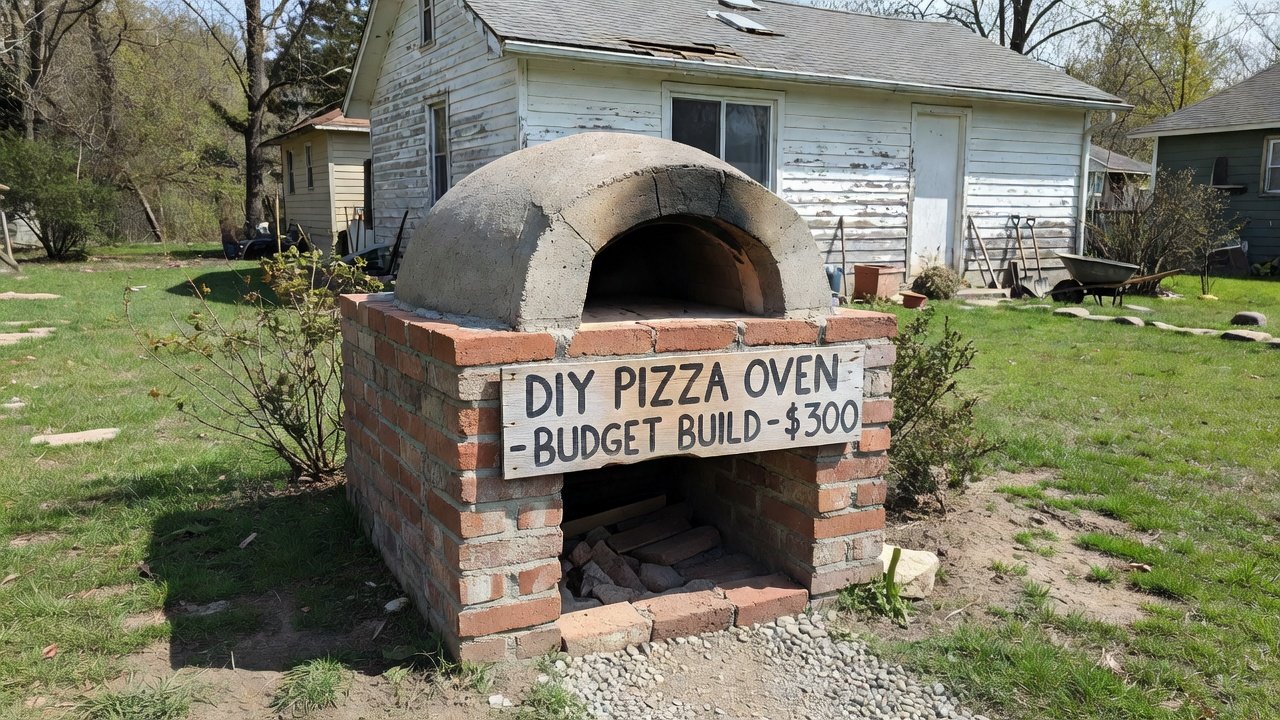
Why a DIY Pizza Oven Makes Sense for Fixer-Uppers in 2026
Homeowners tackling budget renovations often seek quick upgrades that boost property appeal and outdoor living space. A backyard pizza oven fits perfectly into diy projects and home improvement plans, offering both functionality and visual charm without requiring professional contractors. These builds integrate well with existing yard layouts, turning underused corners into entertaining hubs. With rising interest in outdoor cooking, such additions deliver strong ROI through increased home value, especially in fixer-upper neighborhoods where buyers prioritize unique outdoor features.
Investing time in a hands-on build also teaches valuable skills while creating a focal point for family gatherings. Many 2026 projects demonstrate how even modest homes gain curb appeal and marketability from thoughtful outdoor additions like this.
Choosing Budget Materials Like Firebrick and Concrete
Focus on durable yet inexpensive options. Firebrick withstands high temperatures, while concrete forms a stable base. Source reclaimed materials from local salvage yards to keep expenses low. Always verify material quality for longevity in varying weather conditions. Consider sourcing from nearby construction sites or online marketplaces specializing in recycled building supplies for the best deals.
Essential Materials List
- Firebricks for the oven dome and floor – aim for 50-70 pieces depending on size
- Concrete blocks or mix for the foundation and stand
- Refractory mortar for heat-resistant joints
- Insulation like ceramic fiber blanket or perlite mix
- Metal chimney pipe for ventilation and smoke control
- Optional: sand for leveling and wire mesh for reinforcement
Safety first: consult guidelines from OSHA before starting any construction involving heat and heavy lifting. Additional resources from EPA help ensure environmentally responsible material choices.
Tools Needed for the Build
Before beginning, gather basic tools such as a masonry trowel, level, circular saw with masonry blade, wheelbarrow for mixing concrete, safety goggles, gloves, and a tape measure. A laser level improves accuracy on uneven fixer-upper yards. These items are commonly available at hardware stores and can be reused for future home improvement tasks.
Step-by-Step Construction with Safety Tips
Begin by preparing a level site away from structures. Clear vegetation and mark the footprint, typically 4x4 feet for a compact oven. Pour a concrete slab as the base, ensuring it is at least 4 inches thick and reinforced. Allow it to cure for 48 hours.
Next, construct the stand using concrete blocks stacked to waist height for comfortable use. Layer firebrick for the cooking floor in a herringbone pattern for stability. Build the dome shape gradually using a sand form as a temporary mold, ensuring proper arch support to distribute heat evenly. Install the chimney last for optimal smoke flow and draft.
Key safety measures include wearing protective gear, working in well-ventilated areas, and keeping a fire extinguisher nearby. Allow full curing time before first use to prevent cracks. Check local building codes early, as some areas require permits for permanent outdoor structures.
Wood-Fired Versus Gas Options Comparison
Wood-fired ovens deliver authentic smoky flavor and high heat for Neapolitan-style pizzas but require more maintenance and wood sourcing. Gas options offer convenience and consistent temperatures with less ash cleanup, though they may lack the same char. For budget builds, wood-fired often wins due to lower initial setup costs and easier integration with existing grill areas. Consider your cooking style and available fuel sources when deciding.
Real Cost Breakdowns Under $300
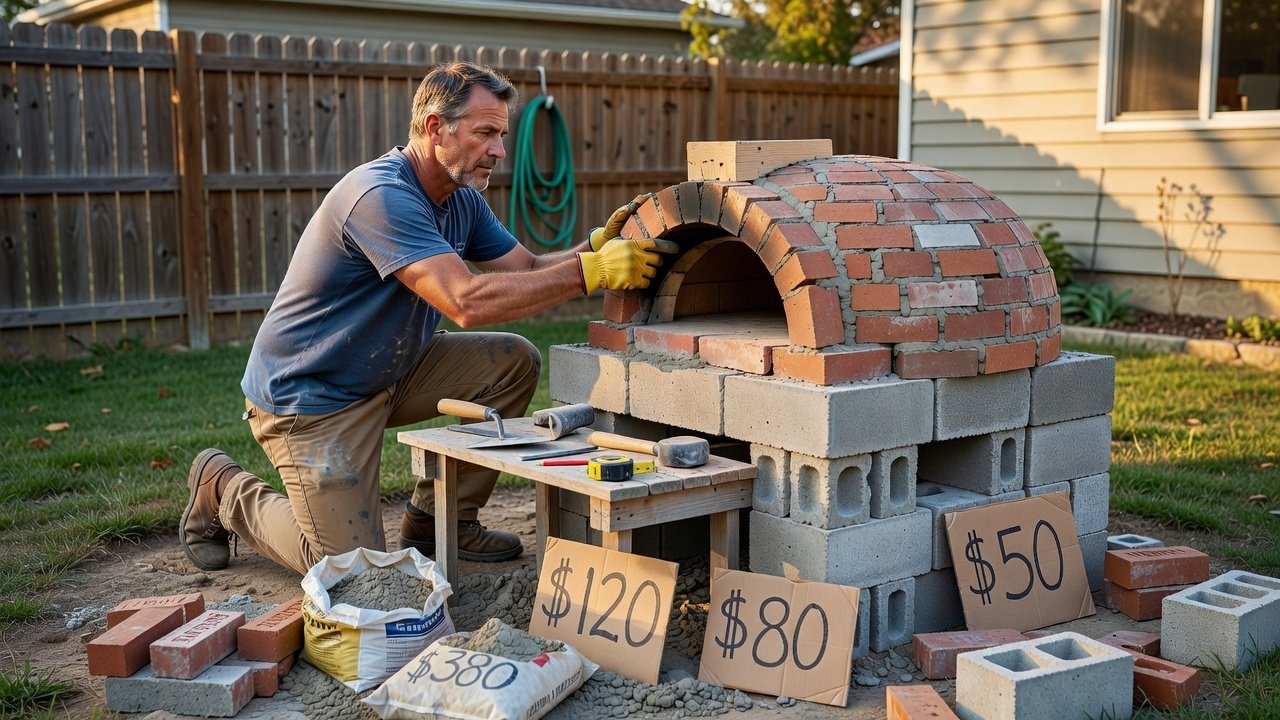
Many successful 2026 projects stayed under $300 as of 2026-09-06 by using salvaged bricks and basic concrete. Typical split: $120 for firebricks, $80 for concrete and mortar, $50 for insulation and pipe, with the rest for tools. Track local prices closely for accuracy and adjust based on regional availability to stay within budget.
Integrating with Existing Yard Layouts
Position the oven near patios or gardens for seamless flow. Use matching pavers or landscaping to blend it in naturally. Consider wind direction and proximity to seating areas for comfort during use. In fixer-uppers with limited space, attach the oven to an existing deck or fence line while maintaining clearance. Examples from recent builds show how adding string lights and simple benches creates an inviting outdoor kitchen zone without major excavation.
Maintenance Routines for Longevity
Clean ash after each use and inspect for cracks seasonally. Apply weatherproof sealant annually, especially before winter. Proper care ensures years of reliable performance and protects your investment. Rotate the cooking surface occasionally if using multiple firebrick layers to distribute wear evenly.
Mistakes to Avoid
Common errors include skipping the curing period, which leads to steam cracks, or placing the oven too close to wooden structures. Always test the draft before full builds and avoid cheap non-refractory materials that degrade quickly. Planning for drainage prevents water pooling around the base during heavy rain.
Visual Examples from 2026 Projects
Recent builds showcase creative designs using minimal materials yet achieving professional results. Homeowners report faster sales and higher offers after installation, with many documenting their progress on community forums for inspiration.
FAQ: Common Issues Like Heat Retention and Weatherproofing
- How do I improve heat retention? Add extra insulation layers around the dome and use a thick firebrick floor. Some builders incorporate a second layer of insulating concrete for better efficiency.
- What about weatherproofing? Use a custom-fitted cover and elevate the base to avoid moisture damage. Seal all exterior joints with high-temperature caulk rated for outdoor exposure.
- Is it safe near fences? Maintain at least 10 feet clearance and check local codes. Install a spark arrestor on the chimney to reduce ember risks.
- How long does construction take? Most DIYers complete the project over two weekends, including curing time, when working solo on a fixer-upper schedule.
These steps help maximize enjoyment while minimizing issues in fixer-upper setups. Additional safety standards are available through NIST resources on building materials.
Conclusion
Building a budget backyard pizza oven transforms fixer-upper properties into desirable homes with enhanced outdoor appeal. By following detailed plans, prioritizing safety, and maintaining the structure, you achieve lasting value and memorable cooking experiences.
No comments yet. Be the first!