 Fixated on Home
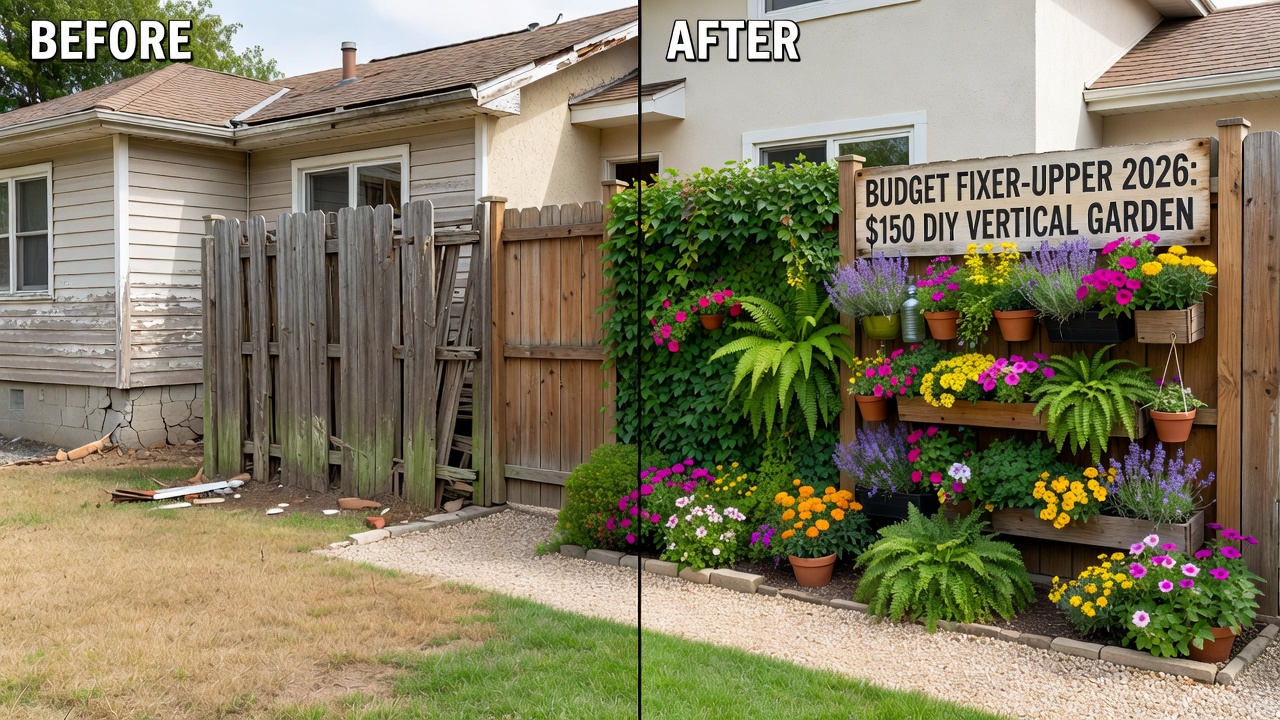
Introduction to Vertical Gardening for Fixer-Uppers
Vertical gardening offers a creative solution for homeowners tackling budget renovations in 2026. These projects maximize limited indoor or outdoor space while adding aesthetic value to fixer-upper properties. By focusing on wall-mounted or freestanding units, you can enhance curb appeal or interior charm without major structural changes. Homeowners often face challenges like small yards, cracked walls, or overgrown lots when updating older homes, making vertical gardens an ideal way to refresh neglected areas creatively and affordably.
Unlike traditional landscaping, vertical gardens integrate seamlessly with existing walls, fences, or patios. They support sustainable practices and provide fresh herbs or flowers year-round in suitable climates. This approach aligns perfectly with fixer-upper goals by turning problem spots into green focal points that increase livability and visual interest.
Why Vertical Gardens Suit Budget Renovations
Fixer-uppers frequently come with space constraints or structural quirks that make conventional gardens impractical. Vertical designs address these by using vertical surfaces, reducing the need for ground preparation or extensive digging. They also improve air quality, insulate walls against temperature swings, and create privacy screens. Many enthusiasts report higher satisfaction with their renovated homes after adding these living elements, as the gardens evolve over seasons and reflect personal style.
Budget-Friendly Materials Under $150
Material lists stay under $150 as of 2026-06-14 by using recycled or affordable items from hardware stores. For a basic wall-mounted unit, gather: wooden pallets or crates, landscape fabric, screws, brackets, soil, and starter plants. Freestanding options might require PVC pipes, wire mesh, and containers. Always check local availability for the lowest costs. Additional items like sealant for weatherproofing or zip ties for securing pockets keep totals low while ensuring durability. Source free pallets from local businesses and repurpose old fencing from the property itself to further reduce expenses.
Step-by-Step Build Instructions
Start with a wall-mounted pallet garden. Secure the pallet to studs using heavy-duty brackets for structural support. Line the back with fabric to retain soil, then fill compartments and plant. For freestanding units, assemble a frame from PVC and attach pockets or shelves. Test stability before adding weight. These instructions assume basic tools like a drill, level, and saw are available, which most DIYers already own.
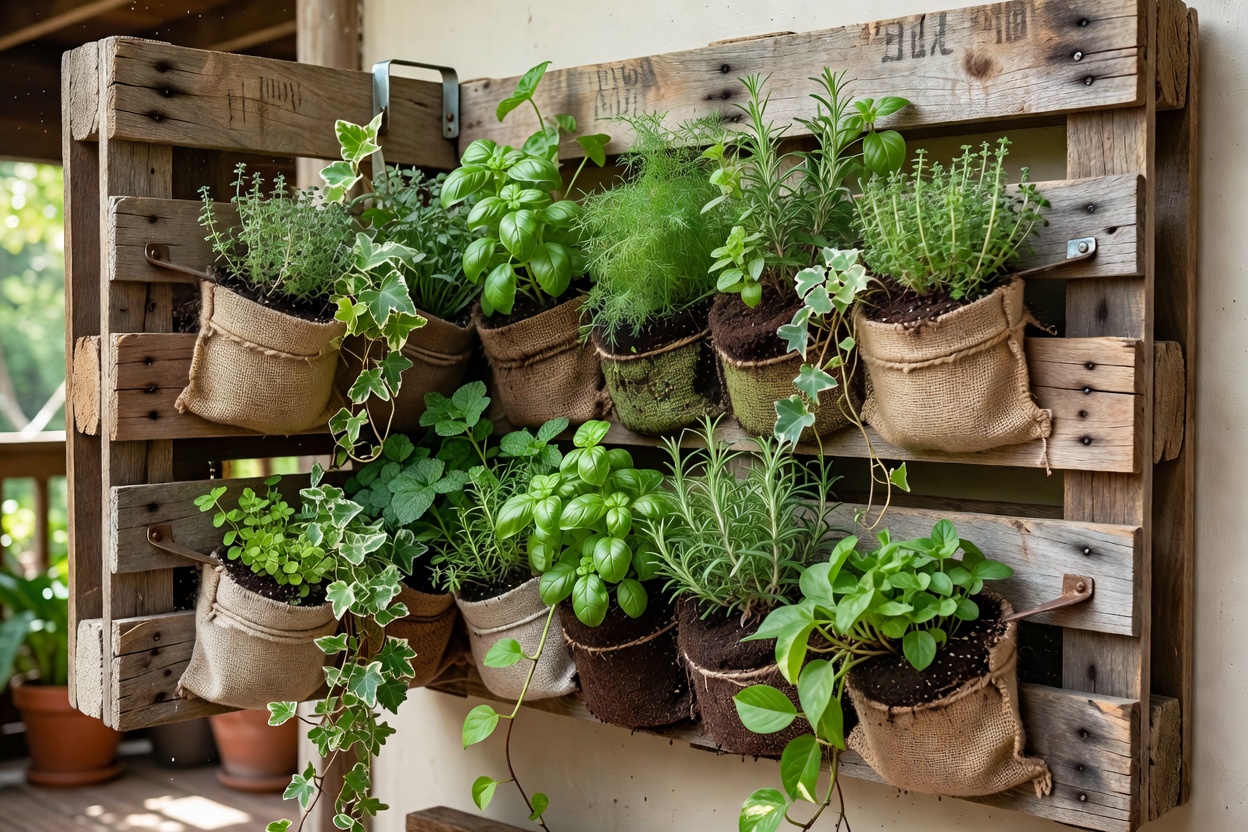
Wall-Mounted Unit Details
Measure your wall space first. Attach horizontal supports every 12 inches. Add drip trays at the base to manage water runoff. Sand rough edges on reclaimed wood to prevent splinters, then apply a non-toxic sealant. Position the unit at eye level for easy maintenance and visual impact. Fill pockets gradually, starting from the bottom to avoid soil spillage during assembly.
Freestanding Ladder Garden
Build a simple A-frame or ladder style using treated lumber or PVC. Cut rungs to size and connect with corner brackets. Hang fabric pockets or small pots from each level. This design works well on patios or balconies where wall mounting is not possible. Add casters to the base for mobility if you need to reposition the garden seasonally.
Additional Project: Hanging Pocket System
For a lighter option, sew or purchase fabric pockets and mount them on a tension rod or existing hooks. This version suits indoor fixer-upper spaces like kitchens or entryways. Layer pockets in staggered rows to maximize planting area while maintaining airflow between plants.
Plant Selection for Various Climates
Choose plants based on your USDA hardiness zone. In cooler regions, opt for hardy ferns and ivy. Warmer climates suit succulents, herbs like basil, and trailing vines. Indoor units benefit from low-light options such as pothos or snake plants. Research local extension services for tailored recommendations. Consider companion planting to deter pests naturally, such as pairing marigolds with vegetables in outdoor setups. For arid areas, focus on drought-tolerant species like sedum that require minimal watering once established.
Learn more from authoritative sources like USDA on plant hardiness and EPA on sustainable gardening practices. Additional guidance is available through Arbor Day Foundation resources on tree and plant care suitable for vertical applications.
Integration Tips with Existing Structures
Blend vertical gardens with fixer-upper features by matching colors or using reclaimed materials from the property. Mount near windows for natural light or along fences to define outdoor rooms. Ensure proper drainage to protect walls from moisture damage. Incorporate the garden into porch railings or around window boxes to create cohesive looks that highlight original architectural details rather than covering them.
Before-and-After Examples and Cost Comparisons
Before photos often show bare walls or overgrown areas. After reveals lush, organized greenery that boosts property value. Vertical gardens typically cost far less than traditional landscaping, avoiding excavation and heavy equipment fees. A full yard overhaul might run thousands, while these targeted projects deliver comparable visual results for a fraction of the effort and expense.
Maintenance and Watering Systems
Establish routines early by checking soil moisture daily at first. Install simple drip lines connected to a timer for consistent hydration without daily attention. Prune regularly to encourage bushy growth and prevent overcrowding. Monitor for common issues like root rot by ensuring adequate drainage holes in all containers.
Beginner-Friendly Checklist
- Assess space and sunlight exposure
- Gather tools and materials under budget
- Plan plant layout by height and water needs
- Install with secure mounting hardware
- Establish a watering routine or system
- Monitor for pests and adjust as needed
- Schedule seasonal soil refresh and pruning
- Document progress with photos for future reference
Mistakes to Avoid
Common pitfalls include overloading structures, ignoring drainage, or selecting mismatched plants. Always verify wall weight limits and start small. Avoid placing heavy soil-filled units on drywall without reinforcement. Test irrigation before final planting to catch leaks early.
FAQ: Common Challenges
How do I set up an automatic watering system?
Use drip irrigation kits with timers. Position emitters at soil level and test flow rates regularly.
What about structural support?
Always anchor to wall studs or use weighted bases. Avoid overloading with soil or large plants initially.
Which climates work best for indoor vertical gardens?
Controlled indoor environments allow success in most regions with proper lighting supplements like grow lamps during winter months.
How often should plants be replaced?
Perennials may last multiple seasons while annuals require yearly refresh. Rotate crops to maintain soil nutrients.
These projects deliver lasting impact for budget-conscious renovators seeking unique, functional upgrades in 2026.
No comments yet. Be the first!