 Fixated on Home
Introduction: Unlocking Value in Fixer-Uppers Through DIY Furniture
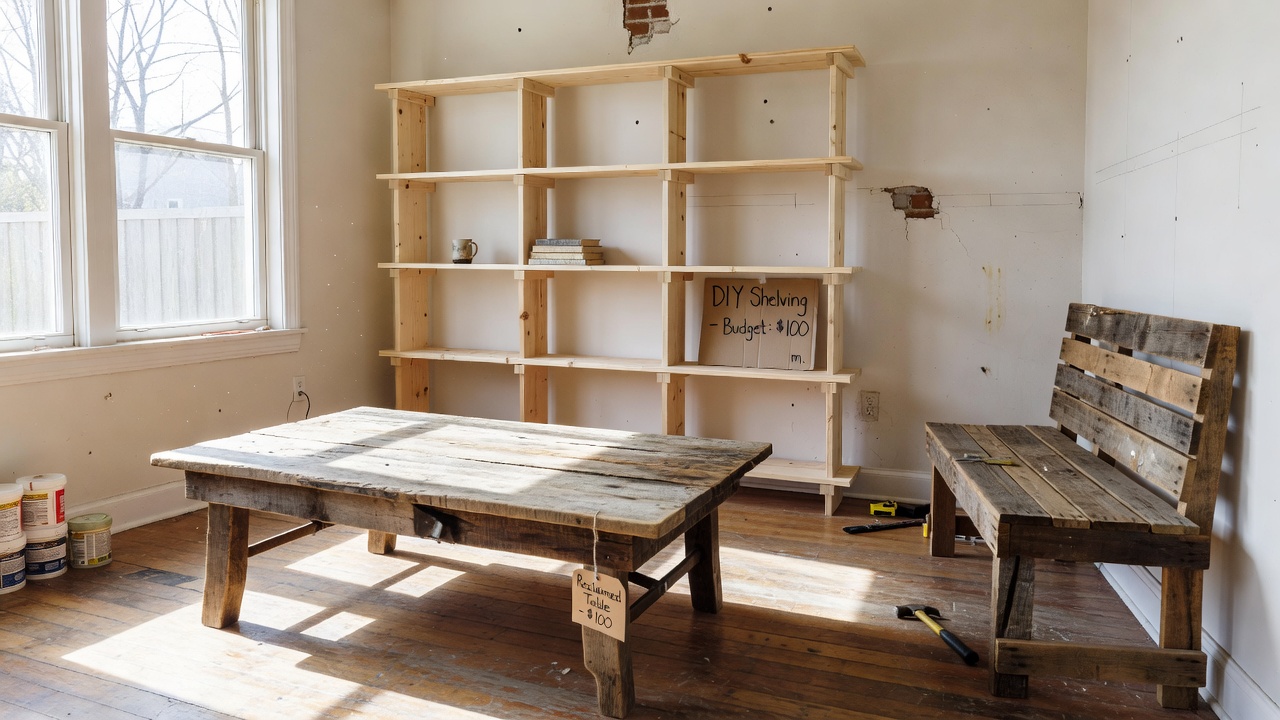
Homeowners tackling fixer-upper properties in 2026 often face tight budgets while dreaming of personalized, high-impact upgrades. DIY furniture builds offer a powerful way to blend creativity with practical renovation strategies, delivering custom pieces that retail options simply cannot match at the same cost. This guide explores budget reno ideas focused on sourcing affordable materials, selecting beginner-friendly tools, and constructing three standout projects: a modular shelving unit, a rustic coffee table, and an entryway bench. Real-world case studies from recent renovations highlight measurable improvements in both functionality and home value.
By focusing on sustainable and reclaimed resources, these projects align with modern eco-conscious trends while keeping expenses low. Whether refreshing a living room or enhancing entry spaces, the emphasis remains on maximum visual and practical impact without professional contractor fees. Many successful renovations begin with small wins like these builds, which boost both daily livability and long-term property appeal. The flexibility of DIY allows adaptation to unique floor plans common in older homes, turning challenges into design opportunities.
Sourcing Materials Under $100 for Maximum Impact
Successful budget renovations start with smart material choices. Lumber yards, Habitat for Humanity ReStores, and online marketplaces frequently yield high-quality reclaimed wood, plywood, and hardware at minimal cost. Focus on dimensional lumber like 2x4s and 1x6 boards, which provide sturdy frames without premium pricing. Sanding and sealing these materials transforms them into durable, attractive finishes suitable for high-traffic areas.
Always prioritize straight, knot-free pieces to simplify assembly. For finishes, water-based stains and polyurethane offer protection while reducing volatile organic compounds. Pairing these with basic brackets and screws completes most builds efficiently. Consider visiting multiple sources in one trip to compare options and reduce transportation time. Reclaimed pallets can be disassembled for smaller components, though always check for nails and treat the wood properly before use. Sustainable choices support environmental goals while often providing unique character through natural variations in grain and color.
Essential Tools for Beginner DIYers
Starting with the right toolkit prevents frustration and ensures safety. Core items include a cordless drill/driver, circular saw or jigsaw, speed square, clamps, sandpaper assortment, and measuring tape. Safety gear such as goggles, dust masks, and hearing protection is non-negotiable during cutting and sanding.
Many beginners benefit from investing in a compact workbench or sawhorses for stable work surfaces. OSHA guidelines emphasize proper tool handling to avoid common injuries. Practice cuts on scrap wood before tackling final pieces. Additional helpful items include a level for ensuring plumb and square assemblies, a stud finder when mounting units to walls, and a random orbital sander to speed up surface preparation. Store tools in a dedicated box to maintain organization across multiple projects.
Safety Best Practices
Before any build, review workspace ventilation and secure loose clothing. Keep a first-aid kit nearby and never operate power tools when fatigued. These habits protect both the builder and the longevity of the finished furniture.
Project 1: Building a Modular Shelving Unit
This versatile system adapts to any room and supports books, decor, or storage bins. Begin by cutting four vertical supports to your desired height, typically 72 inches. Horizontal shelves are cut to width, with adjustable brackets allowing future reconfiguration.
Assemble the frame using pocket-hole joinery for clean lines, then attach shelves at intervals of 12 to 16 inches. Finish with paint or stain matched to your existing decor. The result provides customizable storage far beyond basic retail units. Variations include adding backing boards for a more finished look or incorporating LED strip lighting for modern ambiance. Measure twice and account for baseboard height when planning floor-standing units.
Project 2: Crafting a Rustic Coffee Table
A centerpiece for living areas, this build uses a simple box frame topped with a reclaimed wood surface. Cut legs from 4x4 stock and aprons from 1x6 boards. Secure the top with figure-eight fasteners to accommodate wood movement.
Distress the surface lightly before applying a dark stain for authentic character. 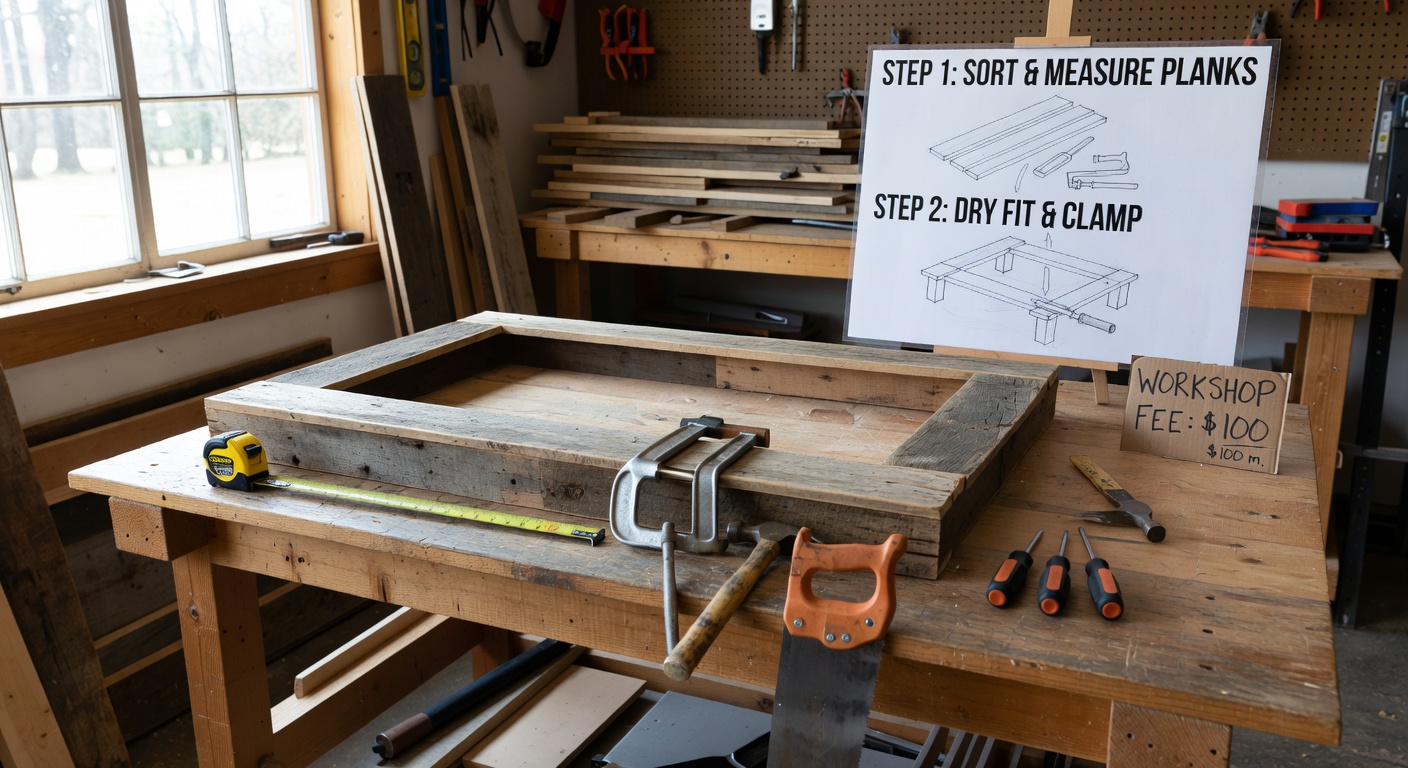
Project 3: Constructing an Entryway Bench
Practical seating combined with storage makes this ideal for mudrooms. Build a sturdy base with 2x4 legs and a plywood seat. Incorporate a hinged lid over a compartment for shoes or blankets.
Attach coat hooks above the bench using French cleats for easy installation. Seal all surfaces against moisture common in entry zones. The finished bench organizes daily essentials while elevating the home's welcoming atmosphere. Customize further by adding cushioning on the seat or painting the base in a contrasting color to match hallway accents.
Cost Comparisons: DIY vs. Retail Options
Custom builds consistently outperform mass-produced alternatives in both price and personalization. Retail shelving units with similar dimensions often exceed several hundred dollars, while DIY versions leverage under-$100 material bundles. Comparable coffee tables and benches from big-box stores carry markups for assembly and shipping that DIY eliminates entirely.
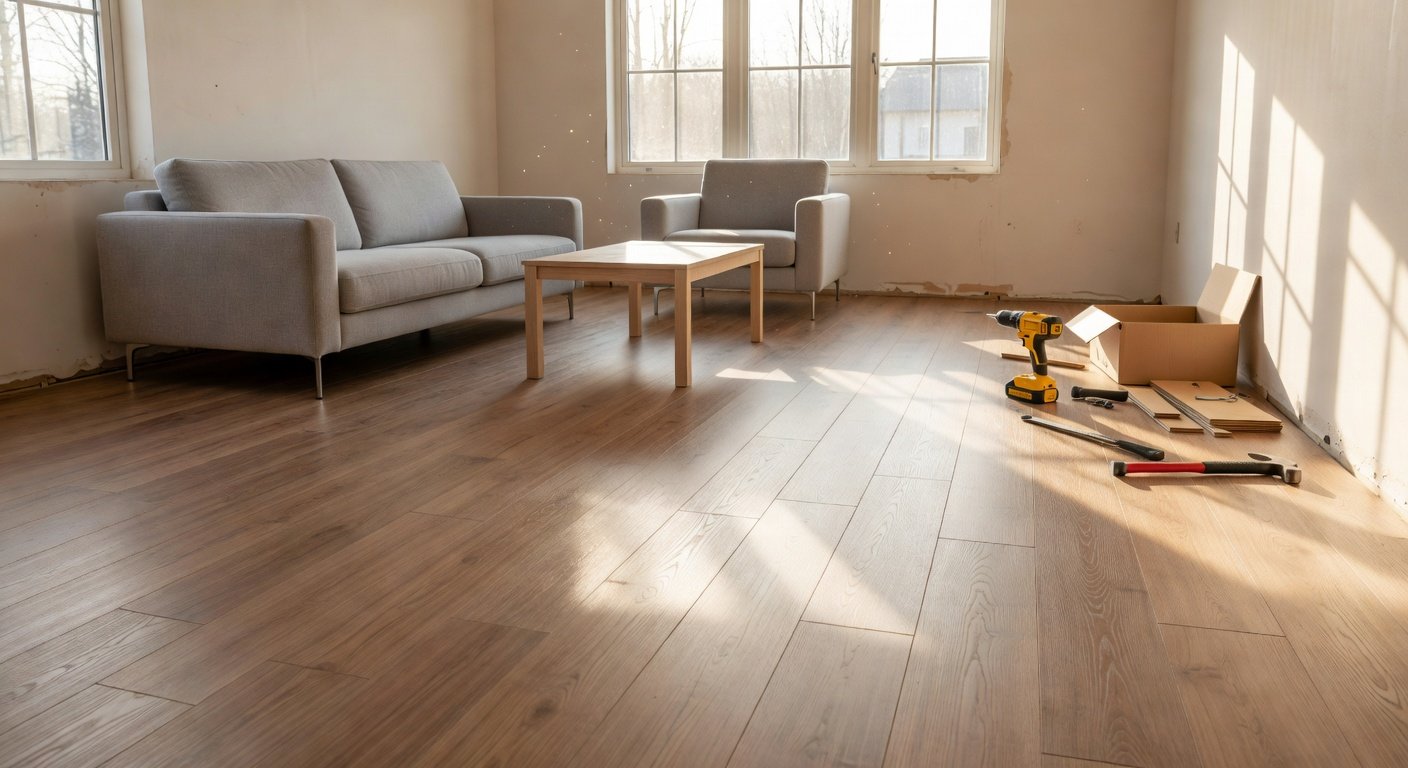
These savings compound across multiple projects, freeing budget for other fixer-upper priorities such as flooring or lighting. Beyond immediate costs, DIY pieces hold sentimental value and can be repaired or modified easily over time, extending their useful life far beyond typical manufactured goods.
Real-Home Case Studies from 2026 Renovations
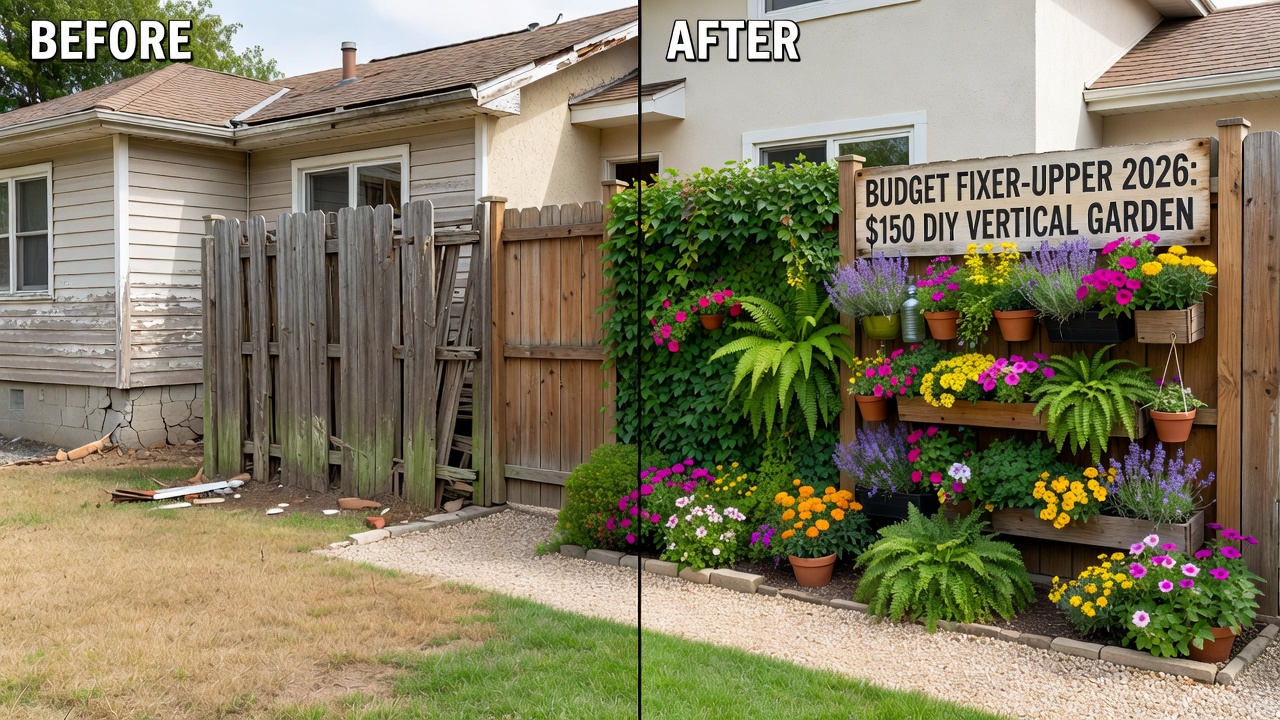
In one suburban property renovation completed early in 2026, a couple constructed all three featured pieces using primarily reclaimed materials. Their living room gained immediate cohesion, with the modular unit providing flexible display space that adapted as their collection grew. Another urban loft project incorporated the entryway bench to solve narrow hallway storage challenges, resulting in improved daily flow and positive feedback during resale showings.
Both cases demonstrate how targeted DIY efforts accelerate perceived value without large capital outlays. A third example involved a rural home where the coffee table build incorporated local barn wood, creating a focal point that tied together the entire open-concept space.
Frequently Asked Questions
How do I ensure tool safety during cuts?
Always secure workpieces with clamps and maintain sharp blades. Review OSHA safety resources before beginning any power-tool operation.
Can these projects be customized for different sizes?
Absolutely. Adjust dimensions proportionally while maintaining consistent joinery techniques. Test-fit all components before final assembly.
What if I lack advanced woodworking experience?
Start with the entryway bench, which requires fewer precise angles. Online tutorials and local workshops provide additional hands-on support.
How should I finish wood for durability?
Apply multiple thin coats of polyurethane, sanding lightly between layers. This creates a protective barrier suitable for daily use while preserving the natural aesthetic.
What common mistakes should beginners avoid?
Rushing measurements leads to ill-fitting parts. Always double-check cuts and allow extra time for drying finishes in humid conditions.
Conclusion: Start Your 2026 Budget Reno Today
DIY furniture construction empowers homeowners to achieve professional-looking results on a fixer-upper timeline and budget. By mastering material sourcing, tool basics, and these three core projects, you create lasting improvements that reflect personal style. Begin planning your first build this season and watch your property transform through thoughtful, hands-on effort.
No comments yet. Be the first!