 Fixated on Home
Introduction to Budget Staircase Makeovers in 2026
Homeowners working on fixer-uppers frequently discover that the staircase represents both a major safety concern and a high-impact design element. Updating it can dramatically improve traffic flow, natural light reflection, and overall home value. In 2026, emphasis on sustainable materials and beginner-friendly techniques allows substantial transformations without professional contractors. This comprehensive guide explores affordable material choices, detailed refinishing methods, railing construction, finish comparisons, tool recommendations, safety protocols, project integration strategies, visual transformation examples, and answers to frequent homeowner questions. Whether your staircase features carpeted treads or outdated railings, the following steps provide actionable paths forward.
Start every project with a thorough inspection. Check for squeaks, loose balusters, and uneven treads that could indicate structural settling. Addressing these issues early prevents larger problems later.
Selecting Affordable and Sustainable Materials
Focus on reclaimed pine, oak remnants, and bamboo components paired with low-VOC finishes to align with 2026 eco-conscious trends. These choices deliver durability while reducing environmental impact and supporting long-term property value. Source materials from local salvage yards, Habitat for Humanity ReStores, or certified suppliers offering FSC-labeled wood. Combine newel posts with simple metal balusters for a modern yet cost-effective look. Always verify product labels for indoor air quality ratings before purchase.
EPA guidelines emphasize selecting low-emission products to protect indoor air during and after renovations.
Detailed Step-by-Step Refinishing Process
Refinishing begins with complete removal of existing carpet, staples, and old finishes. Use a shop vacuum after each sanding pass to eliminate dust. Apply wood filler to nail holes and gaps, allowing it to dry fully before proceeding. Progress through sandpaper grits starting at 80, then 120, and finishing at 220 for a glass-smooth surface. Vacuum and wipe with a tack cloth between stages. Apply stain or paint in thin coats, allowing recommended drying times between applications. For added protection on high-traffic stairs, finish with two layers of water-based polyurethane.
Constructing Functional Railings on a Budget
Secure newel posts to the stringers using heavy-duty lag bolts and construction adhesive. Install pre-cut balusters at consistent intervals no greater than four inches apart for code compliance. Attach the handrail with brackets rated for residential loads. This method creates a sturdy, code-friendly system while keeping expenses low. Test stability by applying firm pressure before final finishing.
Paint Versus Stain Finish Comparison
Paint delivers opaque coverage that conceals surface imperfections and allows bold color statements matching contemporary 2026 palettes. However, it may show chips on heavily used edges over time. Stain penetrates the wood grain, enhancing natural texture and requiring only occasional maintenance coats. Homeowners with visible wood species often prefer stain for its warmth and longevity. Test both options on inconspicuous scraps to observe how each interacts with your specific wood under your home’s lighting conditions.
Essential Tool List for Beginner DIYers
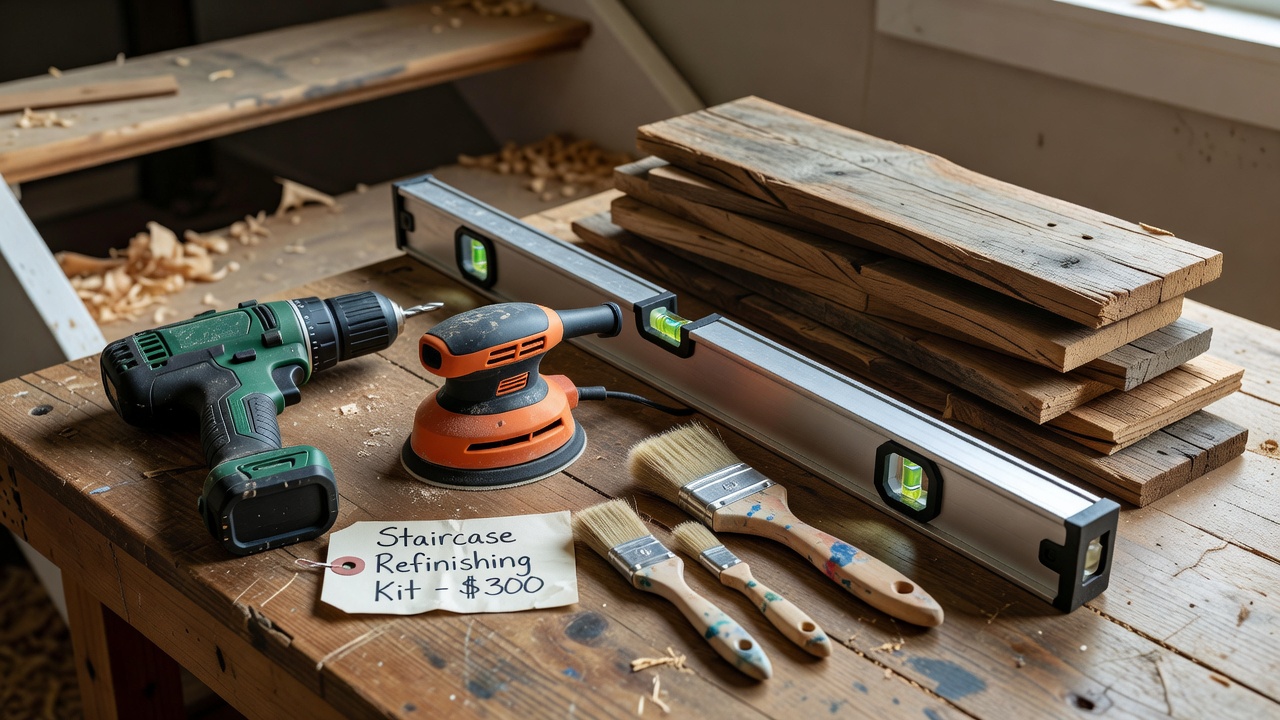
- Cordless drill/driver with multiple bit sizes for pilot holes and lag bolts
- Random orbital sander plus a selection of 80-, 120-, 180-, and 220-grit discs
- Quality angled paintbrushes and foam rollers for smooth finish application
- Four-foot level, combination square, and tape measure for precise layout
- Safety goggles, N95 dust masks, and ear protection
- Bar clamps and quick-grip clamps to hold pieces during assembly
- Putty knives and tack cloths for surface preparation
- Shop vacuum with fine-dust filter
Investing in these core tools enables multiple future projects around the home.
Important Safety Considerations
Work only in well-ventilated spaces and wear appropriate personal protective equipment at all times. Install temporary handrails or barriers during demolition phases. Confirm that any structural alterations comply with local building codes, and consider consulting an inspector if load-bearing elements are involved. Never rush curing times, as premature use can lead to slippery or unstable surfaces.
OSHA safety resources offer practical guidance on fall prevention and tool handling that directly applies to residential staircase projects.
Integrating Staircase Work into Larger Renovation Budgets
Coordinate staircase timing with adjacent flooring or wall updates to achieve visual continuity. Phase the work across several weekends: complete tread refinishing first, followed by railing installation, then final detailing. Sustainable material selections contribute to energy-efficient certifications that may support higher resale values in 2026 markets. Track expenses by category to maintain overall project discipline.
Common Mistakes to Avoid
- Skipping proper surface preparation, leading to poor adhesion
- Choosing finishes incompatible with high-traffic areas
- Ignoring local permit requirements for structural changes
- Underestimating drying times between coats
- Neglecting to measure baluster spacing for code compliance
2026 Sustainable Material Trends for Long-Term Value
Reclaimed timber and rapidly renewable bamboo continue gaining popularity due to their reduced carbon footprint and distinctive character. Pairing these with recycled-content metal accents creates timeless aesthetics that resist dated trends. Homeowners report improved satisfaction when materials are chosen for both appearance and durability.
Energy Department recommendations highlight sustainable building products that support healthier homes and lower lifetime costs.
Practical Maintenance After Completion
Establish a simple routine of dusting treads weekly and applying touch-up coats annually. Avoid harsh chemical cleaners that can degrade finishes. Inspect railings seasonally for loose fasteners and tighten as needed. These habits preserve the investment and maintain safety standards.
Visual Before-and-After Examples
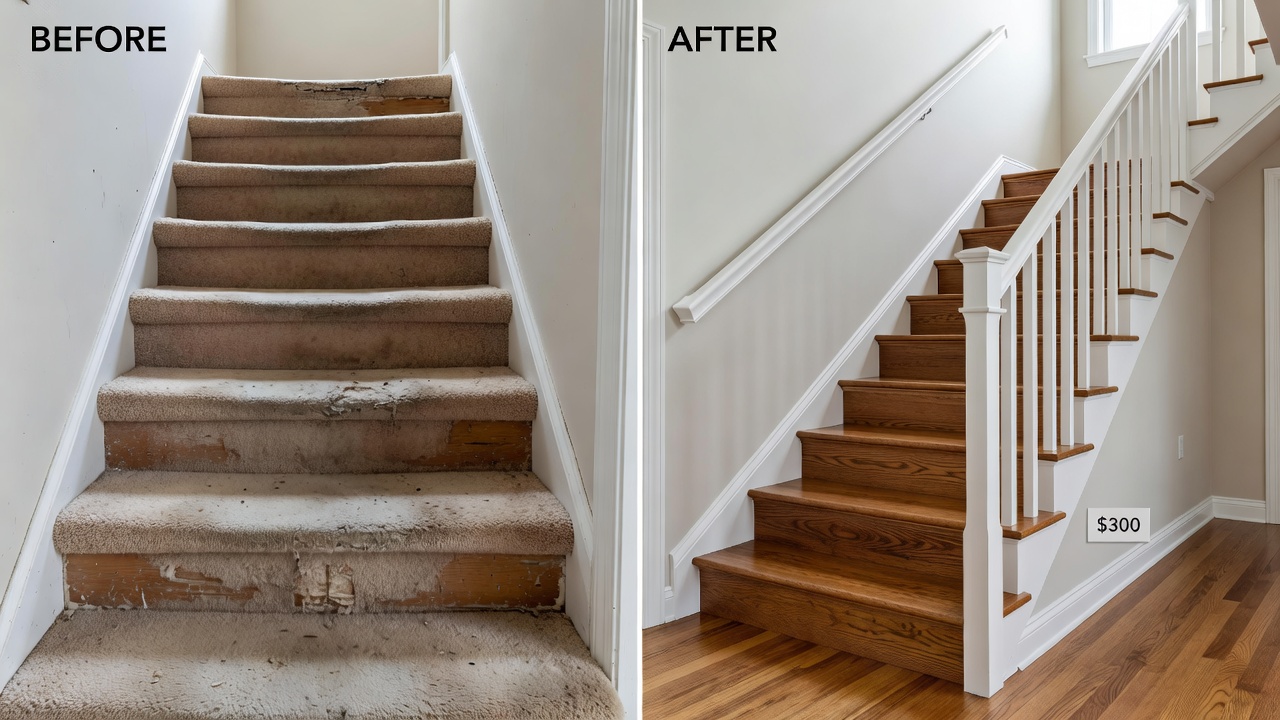
Consider a 1970s carpeted staircase transformed by removing the carpet, staining the original oak treads in a warm walnut tone, and installing matte-black metal balusters with a white handrail. The result brightens the entryway and creates an open, modern appearance that complements adjacent living spaces.
Frequently Asked Questions
How do I correct uneven steps?
Minor unevenness can be addressed by shimming treads from underneath or carefully planing high spots after finish removal. Severe cases may require professional structural evaluation.
Do staircase projects typically require permits?
Many municipalities mandate permits for any work affecting structural integrity or railing height. Contact your local building department early in the planning stage to confirm requirements and avoid costly rework.
What 2026 trends influence sustainable staircase choices?
Reclaimed woods, low-VOC coatings, and modular railing systems made from recycled metals remain leading preferences for both aesthetics and environmental responsibility.
Can beginners complete this project in one weekend?
Most homeowners spread the work across two or three weekends to allow proper drying and curing, ensuring higher-quality results.
Conclusion
A thoughtfully executed DIY staircase makeover delivers safety improvements, aesthetic upgrades, and increased home value. By selecting sustainable materials, following systematic refinishing and assembly steps, and planning around broader renovation goals, homeowners achieve professional outcomes at a fraction of contractor costs. Careful attention to detail and adherence to safety practices ensure the finished staircase serves the household reliably for years ahead.
No comments yet. Be the first!