 Fixated on Home
Introduction to 2026 Kitchen Cabinet Trends
Kitchen renovations continue to rank among the top home improvement projects for homeowners seeking to boost both functionality and property value. In 2026, the focus has shifted toward cabinets that blend sustainability, smart technology, and timeless aesthetics. Whether you are planning a full remodel or targeted upgrades, selecting the right cabinets requires understanding materials, configurations, and emerging design trends. This comprehensive guide walks through every aspect of the decision-making process, from initial measurements to long-term care, ensuring your kitchen renovation delivers maximum impact.
Framed vs Frameless Cabinet Styles
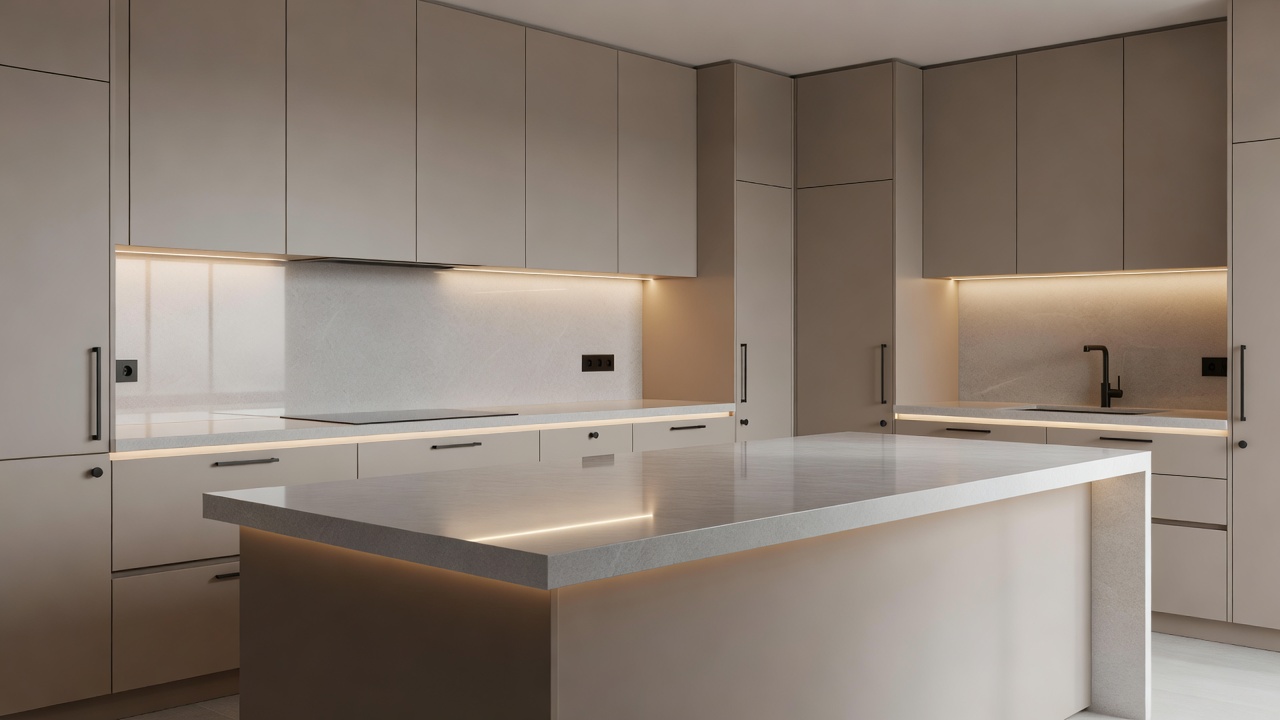
One of the first choices in any kitchen renovation involves selecting between framed and frameless cabinet construction. Framed cabinets include a visible face frame that provides extra rigidity and works well with traditional or transitional design schemes. They offer solid mounting points for doors and drawers but slightly reduce interior access. Frameless cabinets, by contrast, deliver a seamless European look with doors that span the full width of the box. This style maximizes storage capacity and suits contemporary homes emphasizing clean lines and minimal ornamentation. Homeowners often prefer frameless options in 2026 because they integrate effortlessly with open-concept layouts and allow for larger drawers. Consider your overall design vision and the existing architectural details of your home before finalizing this choice.
Durable Materials and Finishes for 2026
Material selection directly affects both appearance and longevity. Solid wood remains popular for its natural warmth, yet engineered plywood cores with hardwood veneers provide excellent stability at a more accessible price point. Thermofoil and laminate finishes resist moisture and scratches, making them practical for busy households. In 2026, trending colors include warm taupes, sage greens, and two-tone combinations that pair wood grains with painted surfaces. Hardware finishes lean toward matte black, brushed nickel, and antique brass, which complement these palettes while adding subtle contrast. For environmentally responsible choices, look for materials certified by recognized organizations that verify responsible sourcing and low emissions.
Explore sustainable options further through resources like the Environmental Protection Agency guidelines on low-VOC products.
Soft-Close Mechanisms and Hardware Innovations
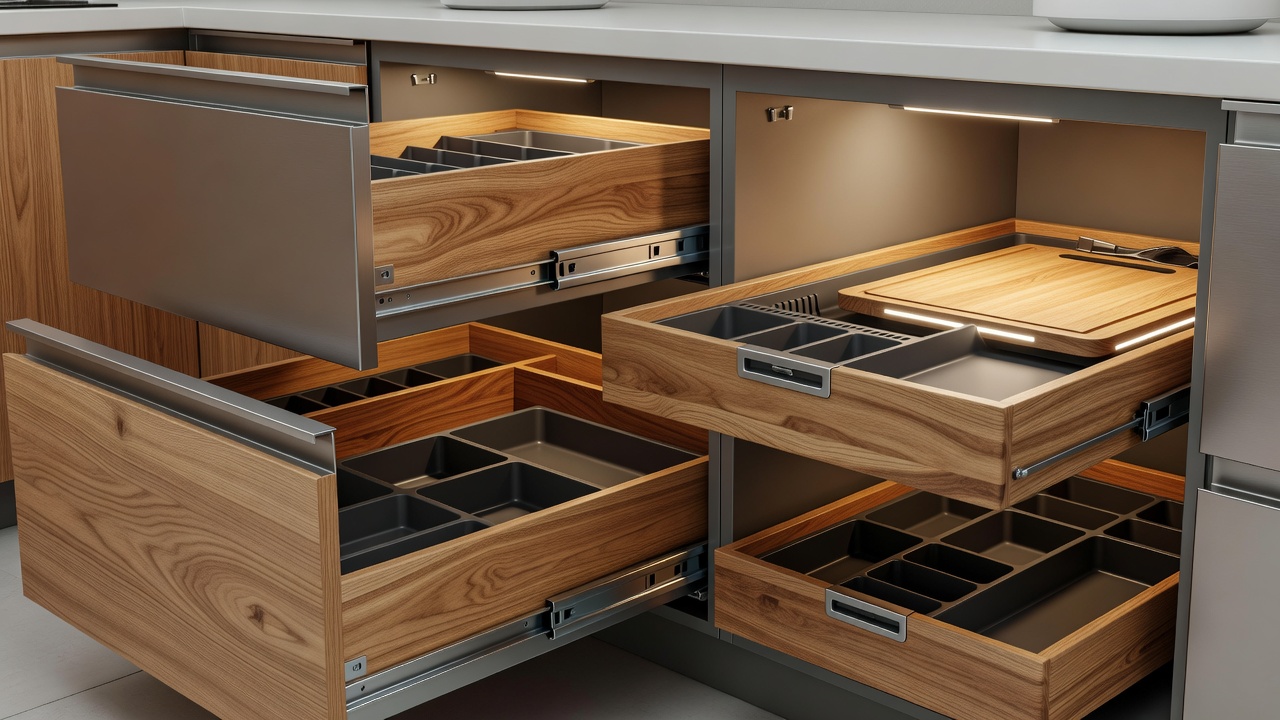
Soft-close technology has evolved from a premium feature to an expected standard in quality kitchen cabinets. These mechanisms use hydraulic dampers to ensure doors and drawers close gently, reducing noise and preventing wear on hinges. Newer innovations include touch-to-open systems and integrated LED lighting strips that activate automatically. When evaluating hardware, prioritize full-extension drawer slides rated for heavy loads and adjustable hinges that allow precise alignment after installation. These details enhance daily usability and contribute to the polished, modern feel homeowners seek during kitchen renovations.
Integrating Smart Storage Solutions
Smart storage transforms ordinary cabinets into highly efficient systems. Pull-out pantry shelves, corner lazy Susans with soft-close rotation, and hidden charging drawers for small appliances keep countertops clear. Some manufacturers now offer built-in waste separation compartments and spice rack organizers that slide out smoothly. For tech-forward kitchens, consider cabinets with embedded USB ports or app-controlled interior lighting. These solutions align perfectly with broader smart home upgrades and help maximize every square inch of space.
Step-by-Step Guide to Measuring Your Kitchen Space
Accurate measurements form the foundation of a successful cabinet installation. Begin by sketching your existing layout, noting all walls, windows, doors, and electrical outlets. Measure each wall at floor, countertop, and ceiling heights because older homes often have slight variations. Record the exact positions of appliances, including refrigerators, ranges, and dishwashers, allowing for proper clearances. Maintain at least 36 inches of walkway space between cabinet runs and islands to ensure comfortable movement. Double-check all dimensions twice and photograph the space from multiple angles. Many professionals recommend creating both a two-dimensional floor plan and a three-dimensional rendering before ordering cabinets.
Comparing Custom vs Stock Cabinets
Stock cabinets arrive quickly and fit standard dimensions, making them suitable for straightforward renovations with limited budgets. Semi-custom options allow modifications to width, height, and finish while still using pre-engineered components. Fully custom cabinets provide unlimited flexibility for unusual layouts or specialized storage needs. When comparing these routes, evaluate lead times, modification capabilities, and how each option aligns with your design goals. Many successful kitchen renovations combine stock base cabinets with custom upper units to balance cost and personalization.
Real-Home Examples of Functional Layouts
A compact city apartment renovation utilized frameless cabinets in a crisp white finish along two walls, incorporating a deep corner carousel and pull-out trash system to maximize limited floor space. In a suburban family home, designers installed two-tone cabinetry with a walnut island base and soft gray perimeter units, adding open shelving above the sink area for display and easy access. Another example features a galley kitchen where tall pantry cabinets with interior lighting flank the refrigerator, creating a seamless, high-end appearance while providing generous hidden storage. These real-world projects illustrate how thoughtful cabinet selection enhances both workflow and visual appeal.
Maintenance Tips for Longevity
- Wipe cabinet surfaces weekly using a soft cloth and mild, non-abrasive cleaner to preserve finishes.
- Inspect hinges, slides, and handles every six months and tighten any loose screws promptly.
- Apply touch-up paint or stain to small scratches immediately to prevent moisture penetration.
- Ensure adequate ventilation around the sink and dishwasher areas to minimize humidity exposure.
- Rotate stored items periodically so weight is distributed evenly across shelves and drawers.
Consistent care extends the life of your investment and keeps your kitchen looking fresh for years.
FAQ: Common Concerns About Kitchen Cabinets
How do cabinets handle humidity?
High-quality plywood cores combined with sealed edges and moisture-resistant finishes provide strong protection. Proper kitchen ventilation and avoiding direct water exposure further reduce risks of warping or delamination.
Are soft-close features worth the upgrade?
Absolutely. The reduction in daily wear and improved user experience make soft-close hardware a standard recommendation for most kitchen renovation projects.
What colors and hardware trends define 2026?
Earth tones, muted greens, and mixed-metal hardware remain popular. Two-tone designs that combine wood tones with painted surfaces add visual interest without overwhelming the space.
Can I mix cabinet styles successfully?
Yes, blending framed and frameless elements or combining stock and custom pieces works well when unified by consistent finishes and hardware.
Conclusion
Choosing cabinets for a 2026 kitchen renovation involves balancing style, durability, and smart functionality. By carefully evaluating construction types, materials, storage innovations, and maintenance requirements, homeowners can create spaces that perform beautifully for decades. Take time to measure accurately, explore multiple options, and consult design professionals when needed. The result will be a kitchen that enhances daily life and reflects current modern trends. For additional design inspiration, visit the National Kitchen & Bath Association website.
No comments yet. Be the first!