 Fixated on Home
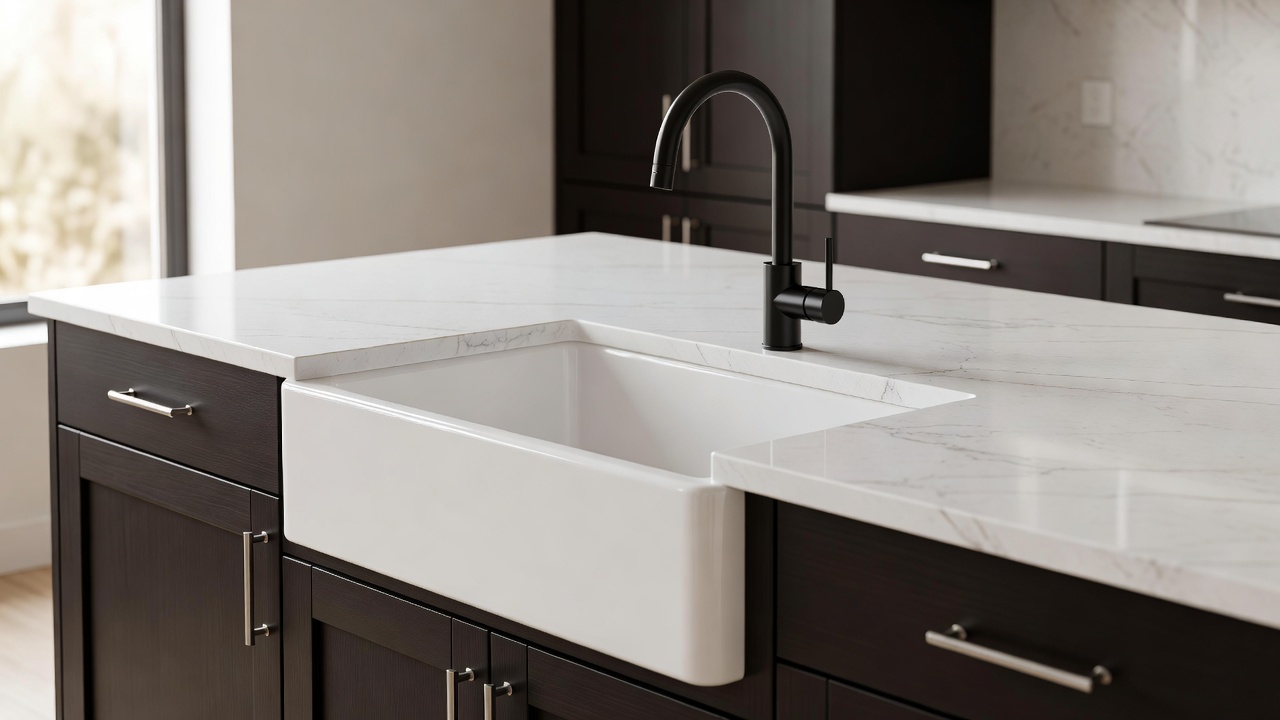
How to Choose Faucets and Hardware for Kitchen Renovations
Selecting the right faucets, knobs, and pulls transforms a kitchen renovation into a functional and visually appealing space. Homeowners often seek remodeling tips that maximize impact without requiring a complete gut renovation. Thoughtful hardware choices refresh dated kitchens, improve daily usability, and support long-term durability in high-use areas. These updates can also enhance resale value by creating a cohesive modern aesthetic that appeals to potential buyers.
Assessing Your Kitchen Layout and Overall Style
Begin by evaluating your current kitchen configuration. Measure sink dimensions, countertop thickness, cabinet door profiles, and available space for faucet handles or pull-down sprayers. Modern layouts typically feature clean lines and integrated appliances, while farmhouse styles incorporate deeper sinks and statement hardware. Transitional designs blend curved details with sleek finishes. Consider traffic patterns around the sink area to ensure chosen pieces do not obstruct workflow during meal preparation or cleanup. Pay special attention to electrical outlets near the sink if planning touchless models that require power sources.
Matte Black vs Brushed Nickel and Other Finishes: Durability and Style Comparison
Matte black delivers bold contrast and conceals fingerprints effectively, making it suitable for busy households. Brushed nickel offers a softer sheen that resists visible scratches and pairs well with stainless steel appliances. Chrome provides a bright, reflective surface that cleans easily but shows water spots prominently. Oil-rubbed bronze adds warmth and depth, complementing wood cabinetry, though it requires occasional polishing to maintain richness. Each finish performs differently in humid environments; matte options tend to hide wear better over years of use. Homeowners should also consider how finishes interact with lighting, as reflective surfaces can brighten darker kitchens while matte finishes create a more subdued atmosphere.
Incorporating Water-Saving Features
Modern faucets often include low-flow aerators that maintain pressure while reducing consumption. EPA WaterSense certified models meet strict efficiency standards and can lower household water usage noticeably. Touchless activation further conserves resources by preventing continuous flow during handwashing or rinsing produce. These features align with sustainable kitchen renovation goals and integrate well with existing plumbing in most homes built after 2000. Additional options like built-in filtration systems improve water quality directly at the tap, reducing reliance on bottled water and supporting healthier household habits. U.S. Department of Energy resources highlight how efficient fixtures contribute to overall home energy savings through reduced hot water demand.
Step-by-Step Installation for Faucets and Hardware
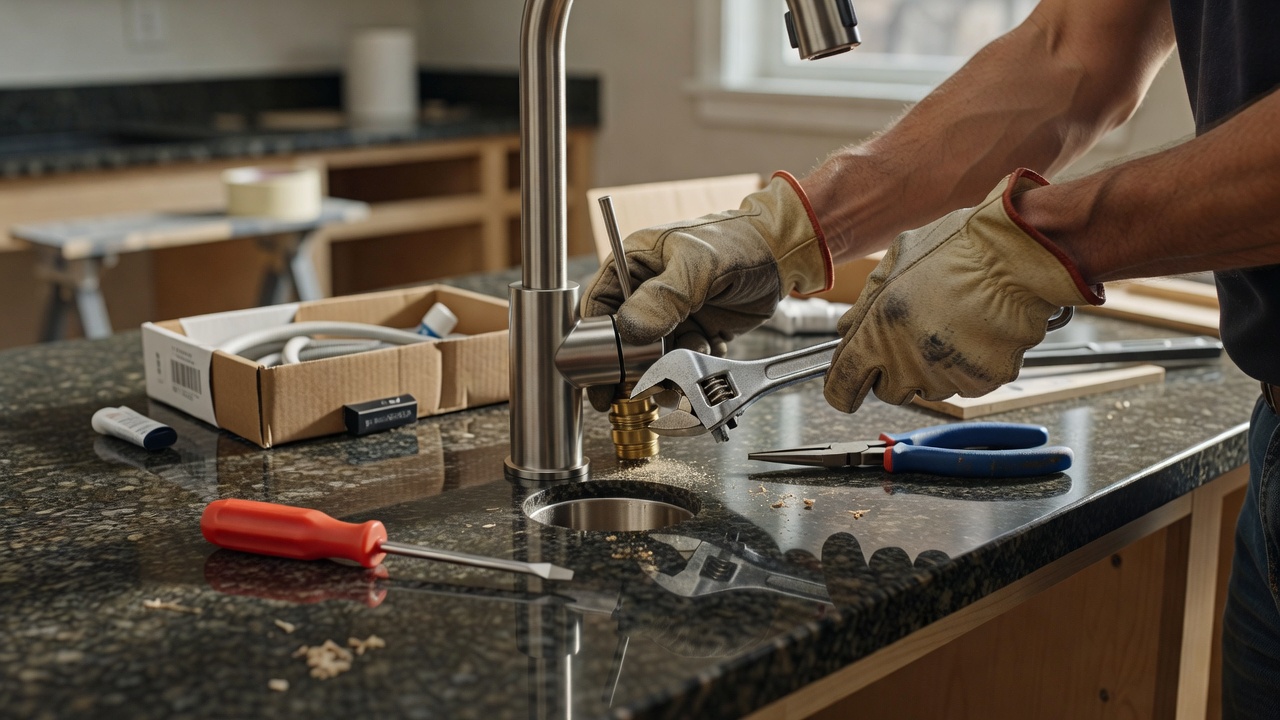
Proper installation ensures longevity and prevents leaks. First, gather tools including an adjustable wrench, basin wrench, plumber’s putty, and Teflon tape. Shut off the water supply valves under the sink and open the faucet to drain residual water. Remove the old hardware by loosening mounting nuts from below. Clean the mounting surface to remove old sealant or debris. Position the new faucet base plate and secure it with provided hardware, checking alignment with the sink holes. Connect supply lines hand-tight plus a quarter turn, then test for leaks before attaching handles or sprayers. For cabinet knobs and pulls, mark drill points using a template, pre-drill pilot holes, and fasten from the inside with included screws. Always double-check measurements before drilling to avoid cabinet damage. If replacing multiple pieces, label each old item during removal to streamline the process and reduce errors.
Common Mistakes to Avoid During Selection and Installation
- Choosing hardware without verifying hole spacing on existing sinks or cabinets.
- Ignoring water pressure compatibility, which can lead to weak flow or drips.
- Skipping finish consistency across faucets, knobs, and pulls, resulting in a mismatched look.
- Overlooking warranty details for valves and finishes before purchase.
- Failing to account for sink depth when selecting pull-down sprayers.
- Neglecting to test handle ergonomics for users with limited mobility.
Ensuring Compatibility with Existing Layouts
Single-hole faucets suit compact sinks found in smaller kitchens, while widespread configurations work better with larger or apron-front designs. Verify handle clearance above the sink rim to allow comfortable operation. For cabinet hardware, measure drawer and door thicknesses to select appropriate screw lengths. Pull lengths should match drawer widths to maintain visual balance. In open-concept kitchens, hardware should coordinate with nearby lighting fixtures and counter edges for a cohesive appearance. Always confirm that new hardware meets local building codes, especially for plumbing connections in older homes.
Real-Life Examples of Hardware Swaps
A suburban homeowner replaced outdated chrome pulls with matte black handles on white shaker cabinets, instantly updating a 1990s layout while keeping the original sink and countertops. Another project involved swapping a standard brushed nickel faucet for a matte black pull-down model in a compact urban kitchen; the change improved both style and usability without altering plumbing. A third example featured a farmhouse renovation where oil-rubbed bronze knobs and a coordinating bridge faucet complemented new butcher-block counters, completing the refresh over one weekend using basic tools. These swaps demonstrate how targeted updates can refresh spaces efficiently.
Cost Considerations for Lasting Upgrades
Investing in solid brass construction and ceramic disc valves typically provides better performance than lighter materials over time. Premium finishes often resist tarnish longer in demanding environments. Budget options may suffice for low-traffic areas but can require earlier replacement. Focus on pieces that match your usage patterns and aesthetic priorities to achieve maximum visual and functional return on a kitchen renovation.
Current Trends in Kitchen Hardware
Mixed-metal combinations, such as pairing matte black faucets with brushed nickel pulls, continue gaining traction for added depth. Touch-activated and voice-controlled models appear more frequently in smart home integrations. Matte and textured surfaces remain popular for their ability to hide daily wear while supporting easy cleaning routines. Emerging designs incorporate antimicrobial coatings to enhance hygiene in food preparation areas.
Short FAQ on Maintenance and Trends
- How often should hardware be cleaned? Weekly wiping with mild soap and a soft cloth preserves finishes and prevents buildup.
- Are smart faucets a worthwhile addition? Touchless models improve hygiene and convenience in family kitchens with frequent use.
- What maintenance extends faucet life? Regular inspection of supply lines and prompt replacement of worn aerators prevents leaks.
- Which trends are expected to last? Matte textures and integrated water filtration systems show staying power beyond seasonal styles.
- How do I match hardware across multiple sinks? Select finishes from the same manufacturer line to ensure color consistency.
- Can I install hardware myself or hire a pro? Simple swaps suit DIY enthusiasts, but complex plumbing benefits from professional help to avoid costly errors.
Applying these kitchen renovation and remodeling tips helps homeowners achieve durable, stylish results that enhance daily living and property value for years ahead.


No comments yet. Be the first!