 Fixated on Home
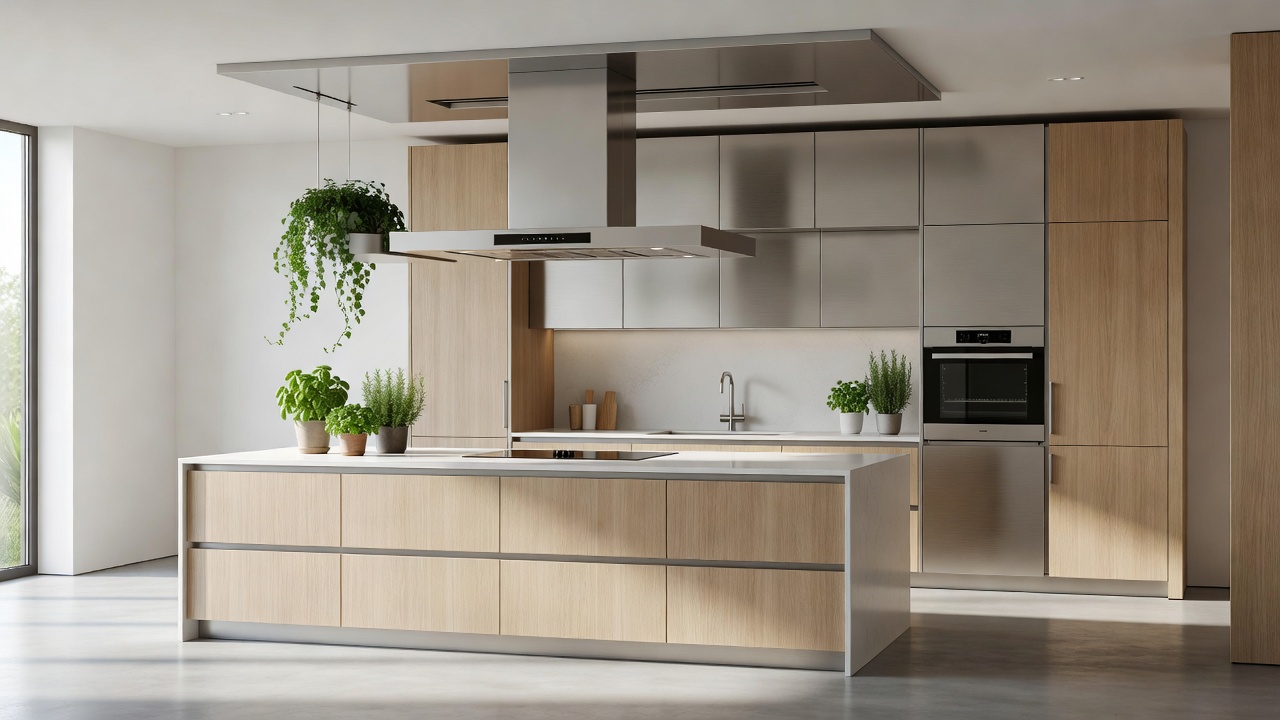
Introduction to Modern Kitchen Ventilation
Kitchen ventilation upgrades have become essential for homeowners seeking fresher air and improved cooking performance in contemporary homes. In 2026, these systems integrate seamlessly with smart home ecosystems while addressing air quality concerns from daily cooking. This guide explores practical remodeling strategies that enhance both functionality and aesthetics without overlapping existing lighting or major appliance controls.
Effective ventilation removes smoke, grease, and odors, preventing buildup that affects indoor environments. Homeowners planning renovations benefit from understanding current options that prioritize energy efficiency and connectivity. According to guidelines from the Environmental Protection Agency, proper kitchen exhaust systems play a critical role in reducing household pollutants and improving overall indoor air quality. In modern open-plan homes, inadequate ventilation can lead to lingering smells and moisture issues that affect adjacent living spaces.
Upgrading your system also supports cooking efficiency by maintaining consistent airflow, which helps keep cooktops and surfaces cleaner over time. This comprehensive overview covers comparisons, installation details, material selections, and decision-making tools tailored to 2026 trends.
Ducted vs Ductless Range Hoods: A Detailed Comparison
Ducted range hoods vent air outside through external ducts, offering superior contaminant removal. They excel in high-volume cooking spaces but require structural modifications during installation. Ductless models recirculate air through filters, making them suitable for apartments or layouts without exterior access. While ductless units provide convenience, they demand regular filter replacements for optimal performance.
Choosing between the two depends on your kitchen layout and renovation scope. Ducted systems generally deliver better long-term air quality results in open-concept modern homes. Consider factors such as building codes, existing infrastructure, and your typical cooking volume when deciding. For example, homes with frequent frying or grilling benefit more from ducted exhaust because it expels particulates directly outdoors rather than filtering them internally.
- Ducted pros: Higher CFM capacity, eliminates odors permanently, lower ongoing maintenance.
- Ducted cons: Higher upfront installation complexity, may need permits.
- Ductless pros: Easier retrofit, flexible placement, lower initial disruption.
- Ductless cons: Filter changes every 3-6 months, slightly reduced effectiveness over time.
Many 2026 homeowners opt for hybrid approaches where possible, but the choice ultimately hinges on whether exterior venting is feasible in the renovation plan.
Smart Sensor Features and 2026 Connectivity Trends
2026 models incorporate advanced sensors that detect heat, humidity, and airborne particles to automatically adjust fan speeds. Integration with platforms like Google Home or Amazon Alexa allows voice control and scheduling without interfering with lighting or major appliances. These features promote hands-free operation and energy savings by activating only when needed. Sensors can also monitor air quality in real time and send notifications to your phone if pollutant levels rise unexpectedly.
Real-world examples include homes where smart hoods reduced manual adjustments, leading to noticeable improvements in daily kitchen usability. One family in a suburban renovation reported that automatic activation during high-heat cooking sessions kept the space fresher throughout meal preparation. Connectivity trends emphasize interoperability with whole-home systems while focusing solely on ventilation performance metrics like airflow and filter status.
Energy Star certified smart models further enhance efficiency by meeting strict performance standards for reduced energy consumption during operation.
Checklist for Selecting the Right CFM Rating
- Measure your cooktop width and BTU output to determine baseline needs.
- Opt for at least 100 CFM per linear foot of range for standard use.
- Factor in kitchen size and ceiling height for adequate air exchange.
- Consider noise ratings below 60 decibels for comfortable operation.
- Verify compatibility with your home's HVAC system.
- Account for peak cooking scenarios such as holiday meals or frequent entertaining.
- Evaluate variable speed options that allow lower settings for everyday simmering.
This checklist ensures balanced performance tailored to specific cooking habits and space dimensions. Testing your current setup with a simple smoke test can reveal whether your existing CFM rating is sufficient before committing to an upgrade.
Installation Steps for Various Kitchen Layouts
Begin by assessing your current setup and consulting local building codes. For island layouts, ceiling-mounted units require reinforced supports and precise duct routing. Wall-mounted installations in galley kitchens involve aligning with existing cabinetry while ensuring proper clearance from countertops and backsplashes.
Steps typically include measuring twice for accuracy, securing mounting brackets to studs, connecting electrical wiring and ductwork with sealed joints, and testing airflow before final finishing. Professional installation is recommended for complex retrofits to avoid common issues like improper sealing that could cause drafts or reduced efficiency. In peninsula-style kitchens, side-draft or downdraft options may integrate better with the workflow than overhead models.
Always allow adequate space above the cooktop per manufacturer guidelines, usually 24 to 30 inches, to optimize capture of rising vapors. Homeowners who document each phase with photos often find troubleshooting easier if adjustments are needed later.
Material Choices Matching Contemporary Home Design
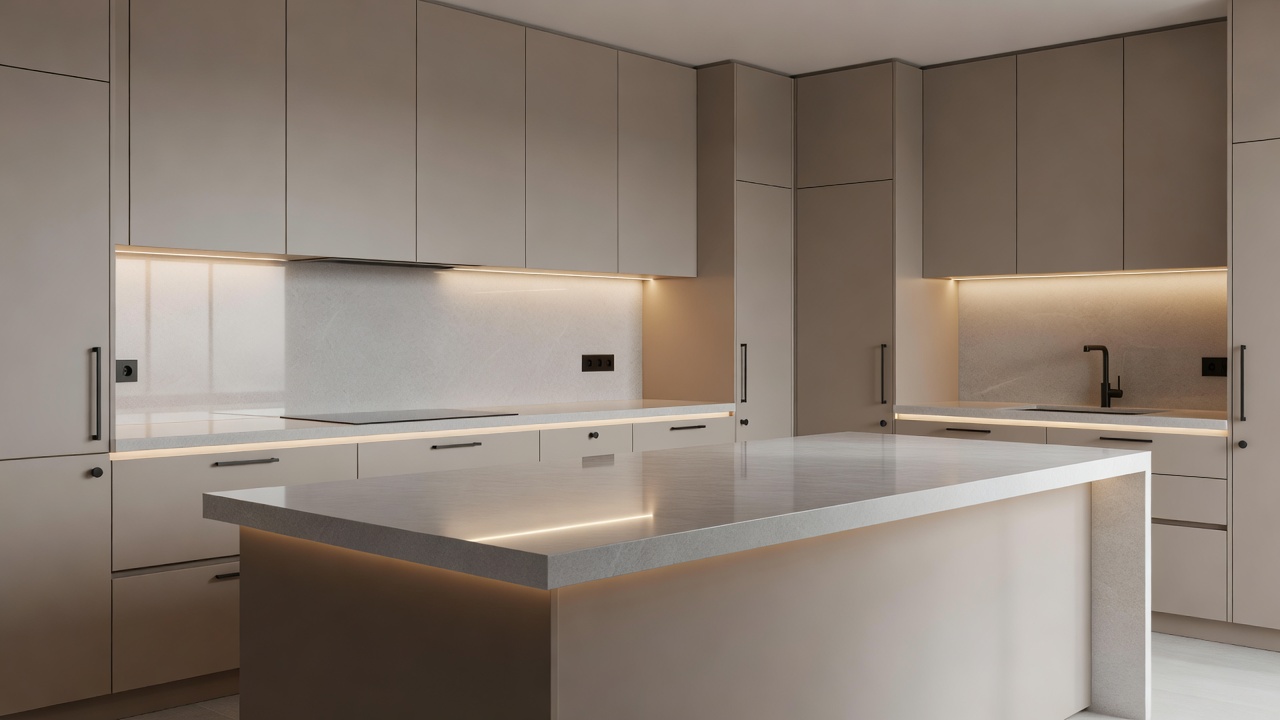
Stainless steel remains popular for its durability and sleek finish that complements minimalist aesthetics. Matte black or brushed finishes offer modern alternatives that hide fingerprints while blending with cabinetry. Sustainable options like recycled metals align with eco-conscious trends in 2026 renovations. Glass accents or custom color-matched panels can further tie the ventilation system into the overall kitchen palette without clashing with surrounding surfaces.
These materials not only enhance visual appeal but also resist corrosion from cooking byproducts. When selecting finishes, consider how they will age with daily exposure to heat and moisture, prioritizing options that maintain their appearance over many years of use.
Cost-Benefit Analysis for Long-Term Savings
Upgrading to energy-efficient models yields benefits through reduced utility consumption and improved home value. While initial investments vary, the focus on durable components minimizes future repairs. Homeowners report enhanced comfort and lower maintenance needs over time compared to older systems. Over several years, better airflow can also reduce the frequency of deep cleaning required for walls, ceilings, and cabinetry.
Long-term savings stem from fewer issues with mold or odor buildup and potentially lower HVAC strain in tightly sealed modern homes. Evaluating your specific usage patterns helps quantify these qualitative advantages beyond the initial renovation phase.
Before-and-After Upgrade Examples
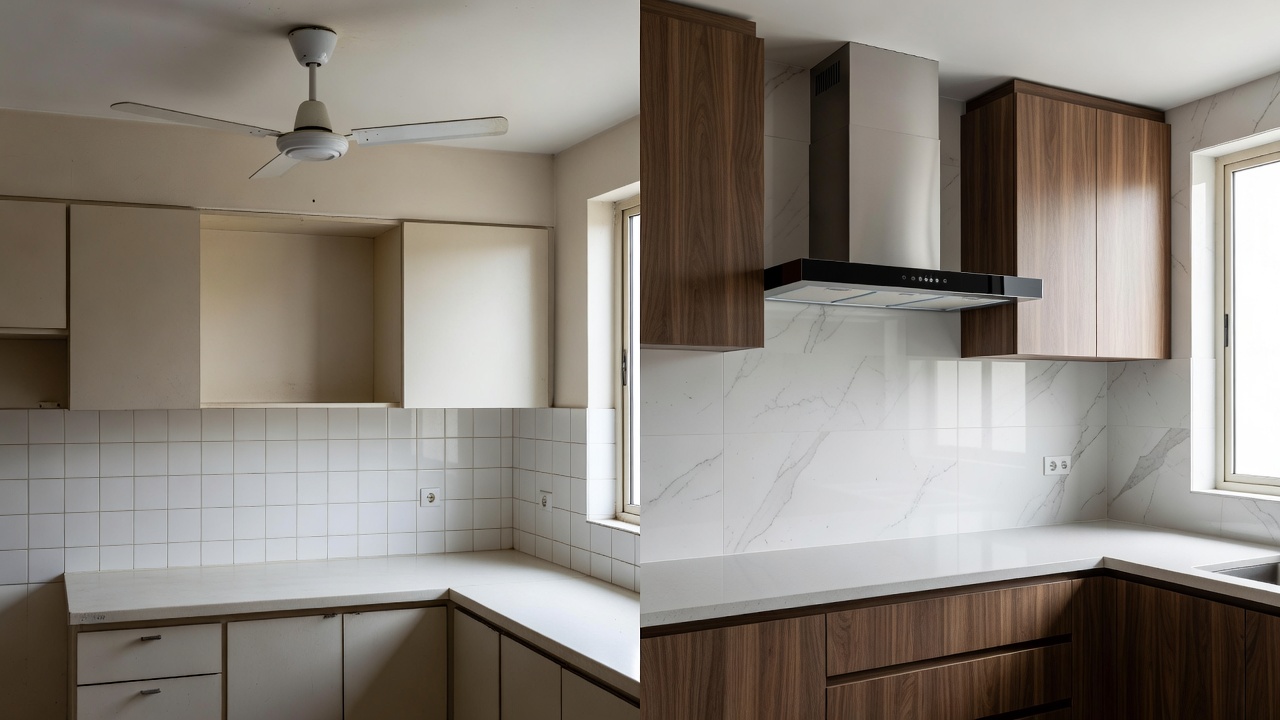
In one suburban renovation, replacing an outdated fan with a smart ducted hood transformed a stuffy kitchen into an airy space suitable for frequent entertaining. The family noted that family gatherings no longer left residual cooking smells in the adjoining dining area. Another urban apartment used a ductless unit with sensors to manage odors effectively in a compact layout, allowing the owners to cook aromatic meals without affecting the rest of their small living space.
These cases highlight measurable air quality improvements and design cohesion post-upgrade. A third example involved a coastal home where corrosion-resistant materials were chosen to withstand humidity, resulting in a system that performed reliably through seasonal cooking demands.
Common Mistakes to Avoid During Upgrades
One frequent error is under-sizing the ventilation unit relative to cooktop output, leading to inadequate air capture. Another involves ignoring ductwork insulation in unconditioned spaces, which can cause condensation problems. Homeowners sometimes overlook noise levels during selection, resulting in a system that disrupts conversation or relaxation in open kitchens. Always cross-reference product specifications with your actual kitchen measurements rather than relying on general recommendations alone.
FAQ: Addressing Noise Levels and Maintenance
How loud are modern range hoods? Many 2026 models operate under 55 decibels on low settings, quieter than typical conversation levels, making them suitable for open living areas.
What maintenance is required? Clean filters monthly and inspect ducts annually for optimal function. Smart units often alert users via app notifications when service is due.
Can these systems connect to existing smart homes? Yes, most integrate without overlapping other appliance controls, focusing purely on ventilation automation.
How do I know if my current system needs replacement? Persistent odors, visible grease buildup, or excessive noise are strong indicators that an upgrade would improve performance and comfort.
Conclusion
Investing in kitchen ventilation upgrades positions your home for fresher air and efficient cooking in 2026. By evaluating options like ducted systems, smart sensors, and appropriate materials, homeowners achieve lasting improvements. Use the provided checklists and examples to guide your renovation decisions for a modern, healthy kitchen environment. Resources such as the World Health Organization further underscore the importance of good indoor ventilation for long-term well-being.
No comments yet. Be the first!