 Fixated on Home
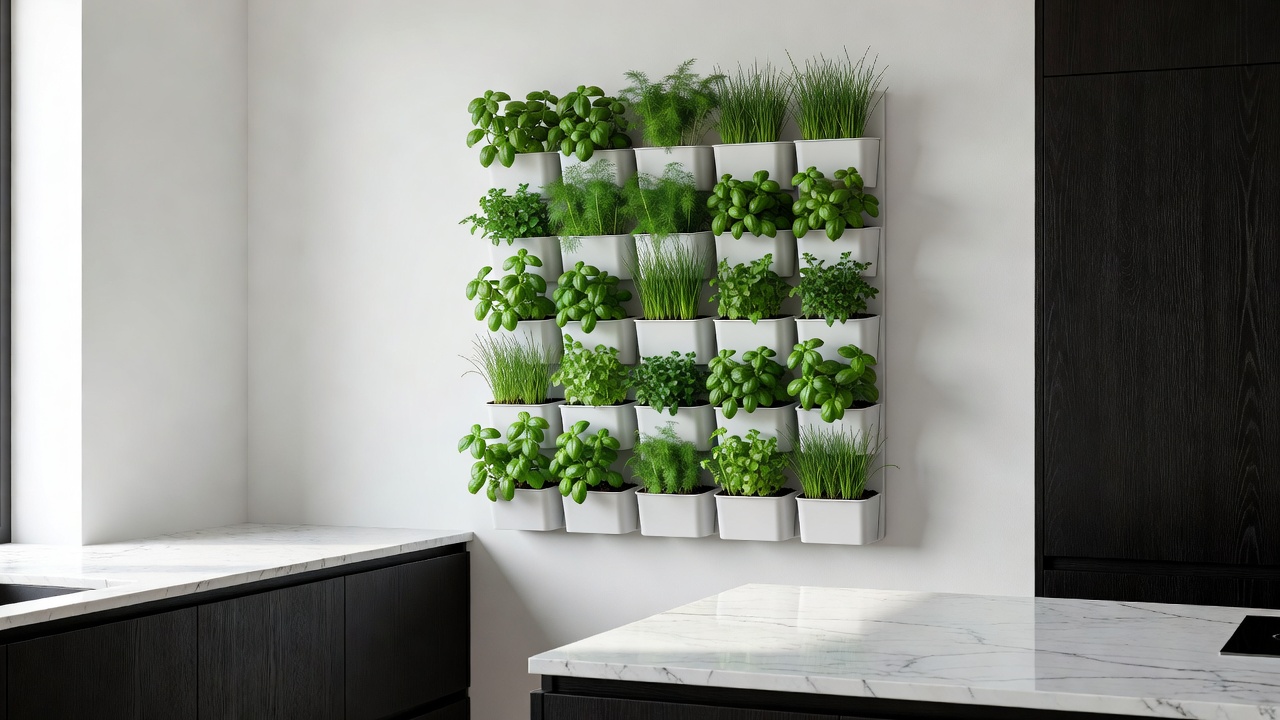
Why Vertical Herb Gardens Elevate Modern Kitchen Renovations
Integrating a vertical herb garden during a kitchen renovation combines aesthetics, sustainability, and daily convenience in one impactful feature. Homeowners increasingly seek ways to maximize limited space while adding fresh, organic elements that enhance cooking experiences and improve indoor air quality. This approach transforms unused wall areas into productive growing zones without sacrificing valuable counter or floor space, making it ideal for both compact urban apartments and spacious family homes undergoing updates.
Vertical gardens support eco-friendly living by reducing reliance on store-bought herbs, minimizing packaging waste, and lowering the carbon footprint associated with transportation. They also create a natural focal point that complements contemporary cabinetry, backsplashes, and lighting schemes. Beyond visual appeal, these installations foster a deeper connection to food sources and encourage healthier meal preparation habits year-round.
Choosing the Right Wall Systems and Materials
Selecting a suitable system begins with assessing your kitchen wall structure, load-bearing capacity, and existing finishes. Modular pocket planters, felt pocket systems, hydroponic panels, and stacked crate designs are popular choices that vary in complexity and visual style. Each option must be compatible with moisture-resistant materials to protect drywall, insulation, and nearby cabinetry from potential water damage over time.
Look for systems made from food-grade plastics, powder-coated stainless steel, or naturally treated wood that resist mold, rot, and corrosion. Ensure the chosen system aligns with your backsplash—ceramic tile, quartz, or marble surfaces pair well with slim-profile planters that mount securely without invasive drilling into finished areas. Consider weight distribution when selecting materials, as fully watered systems can add significant load to the wall. Compatibility with existing cabinetry heights and depths is essential to maintain a cohesive, built-in appearance rather than an afterthought addition.
Lighting Requirements for Healthy Growth
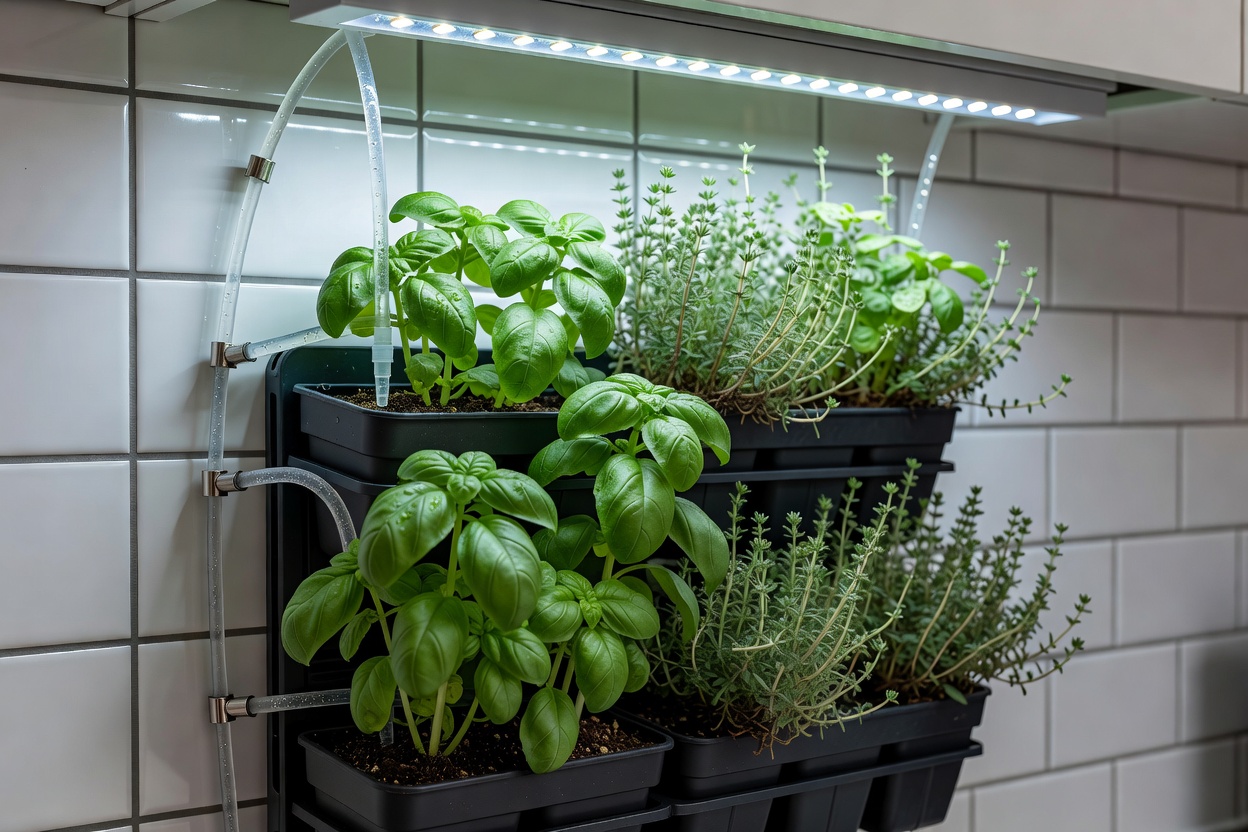
Herbs require consistent, adequate light to thrive indoors, especially in kitchens where natural sunlight may be obstructed by upper cabinets or neighboring buildings. South- or west-facing windows provide the best natural exposure, but supplemental full-spectrum LED grow lights are often necessary to ensure robust growth throughout the year. Position lights 6–12 inches above the plant canopy to deliver the precise blue and red wavelengths essential for leafy development and essential oil production.
Automated timers can manage 12–16 hours of daily illumination, replicating outdoor conditions and preventing leggy growth. When planning renovations, integrate lighting fixtures into the overall electrical layout so they blend seamlessly with task lighting and under-cabinet strips. Avoid placing lights where they cast shadows on the garden or create glare on countertops during food preparation. Energy-efficient LEDs also contribute to lower utility costs while supporting sustainable design goals.
Irrigation Options and Moisture Control
Effective irrigation prevents both underwatering and excess moisture that could damage walls, cabinetry, or flooring. Drip irrigation kits with programmable timers deliver precise amounts of water directly to root zones, while self-watering reservoirs and wicking systems reduce daily intervention for busy households. During renovations, route irrigation lines behind cabinetry or within wall cavities to preserve a clean, finished appearance.
Always incorporate drainage trays, waterproof backing membranes, and vapor barriers to safeguard against leaks and condensation. Proper ventilation and periodic humidity monitoring further protect surrounding surfaces from mold or warping. Homeowners should test systems thoroughly before finalizing finishes to identify any weak points early in the process.
Step-by-Step Installation Guidance
- Measure the chosen wall area precisely and mark mounting points, ensuring adequate clearance from electrical outlets, vents, windows, and upper cabinet bottoms.
- Install a robust moisture barrier and secure heavy-duty mounting brackets or rails rated for the full wet weight of the system.
- Assemble planters, panels, or hydroponic channels according to manufacturer instructions, verifying level alignment at each stage.
- Integrate irrigation tubing, drainage channels, and lighting fixtures, concealing wires and hoses behind decorative trim or within cabinetry voids.
- Fill containers with lightweight, well-draining potting mix formulated for edibles and plant hardy varieties such as basil, thyme, rosemary, oregano, and mint.
- Run full system tests for irrigation flow, lighting timers, and drainage performance over 48 hours before completing any surrounding renovation finishes.
DIY Versus Professional Installation
DIY setups appeal to handy homeowners comfortable with basic carpentry, minor plumbing, and electrical work. They offer greater customization and potential savings while allowing full control over design choices. However, they demand careful planning to avoid structural issues, code violations, or long-term maintenance headaches. Professional installation ensures compliance with local building codes, optimal system integration with cabinetry and electrical upgrades, and often includes warranties on both labor and components.
Many renovation contractors now collaborate with vertical garden specialists to deliver turnkey solutions that coordinate lighting, irrigation, and material selections seamlessly. Homeowners weighing options should evaluate their skill level, available time, and the complexity of integrating the garden with other renovation elements before deciding.
Maintenance Routines for Long-Term Success
- Water according to plant needs and system type, typically every two to three days for soil-based setups or on a sensor-driven schedule for hydroponics.
- Prune herbs regularly to encourage bushy growth, increase yields, and prevent premature flowering that reduces flavor.
- Inspect irrigation lines and emitters monthly for clogs, leaks, or mineral buildup, flushing systems as needed.
- Rotate plants seasonally, refresh or replace soil every six to twelve months, and monitor nutrient levels in hydroponic setups.
- Watch for common pests such as aphids or spider mites and address them promptly with organic, food-safe controls.
- Adjust lighting duration and intensity as seasons change to maintain consistent growth patterns indoors.
Real-World Integration Examples
In a recent urban apartment renovation, a narrow galley kitchen gained a four-foot-wide vertical hydroponic garden beside the sink that supplied fresh basil, parsley, and cilantro year-round while doubling as a striking visual divider between cooking and dining zones. Another project blended a modular felt-pocket planter wall with classic subway tile, creating dynamic contrast between lush greenery and timeless materials while keeping all irrigation components hidden behind the backsplash.
A third example involved a suburban kitchen remodel where corner-mounted stacked planters were paired with quartz countertops and matte black cabinetry. The installation included smart sensors that alerted homeowners via smartphone when water or light levels needed adjustment, demonstrating how vertical gardens can integrate with broader smart home upgrades.
Common Concerns Addressed in FAQ
How do I prevent moisture damage to my walls?
Use waterproof liners, adequate drainage trays, and maintain two to three inches of clearance between the garden and wall surface. Schedule regular inspections to catch potential issues before they escalate.
Can vertical gardens work in small kitchens?
Yes. Slim modular systems fit spaces as narrow as twelve inches wide, and corner or over-sink installations maximize otherwise unused areas without compromising workflow.
What herbs grow best indoors?
Basil, parsley, cilantro, chives, oregano, and mint perform reliably under consistent lighting and moderate watering regimens common in kitchen environments.
Are there any food safety considerations?
Always use food-grade materials and organic growing mediums. Rinse harvested herbs thoroughly and avoid placing gardens directly above cooking surfaces where grease or steam could contaminate plants.
Conclusion
Vertical herb gardens represent a thoughtful modern upgrade that enhances both the functionality and sustainability of kitchen renovations. By carefully selecting compatible systems, planning lighting and irrigation thoughtfully, and following proper installation and maintenance practices, homeowners create lasting value and daily enjoyment. Whether pursuing a hands-on DIY project or engaging professionals, this feature delivers fresh flavors, visual appeal, and environmental benefits for years to come. For additional sustainable gardening guidance, explore resources from the U.S. Department of Agriculture and indoor environmental recommendations from the Environmental Protection Agency.
No comments yet. Be the first!