 Fixated on Home
Introduction to Pro-Level Kitchen Renovations in 2026
Home chefs planning a kitchen renovation in 2026 seek upgrades that blend professional-grade performance with everyday usability. This guide dives deep into specialized design elements that enhance workflow, durability, and efficiency for serious cooking enthusiasts. From optimizing layouts for mise en place to selecting appliances that handle intense daily use, these features transform a standard kitchen into a culinary powerhouse. Serious cooks often face challenges like cramped prep areas, inadequate ventilation, and storage that fails to keep tools organized during multi-step recipes. Addressing these through thoughtful renovation creates a space where creativity flourishes without logistical hurdles. The focus remains on elements that support precision cooking, such as seamless workflow zones and materials built to withstand high heat and frequent use.
Optimizing Kitchen Layout for Mise en Place Efficiency
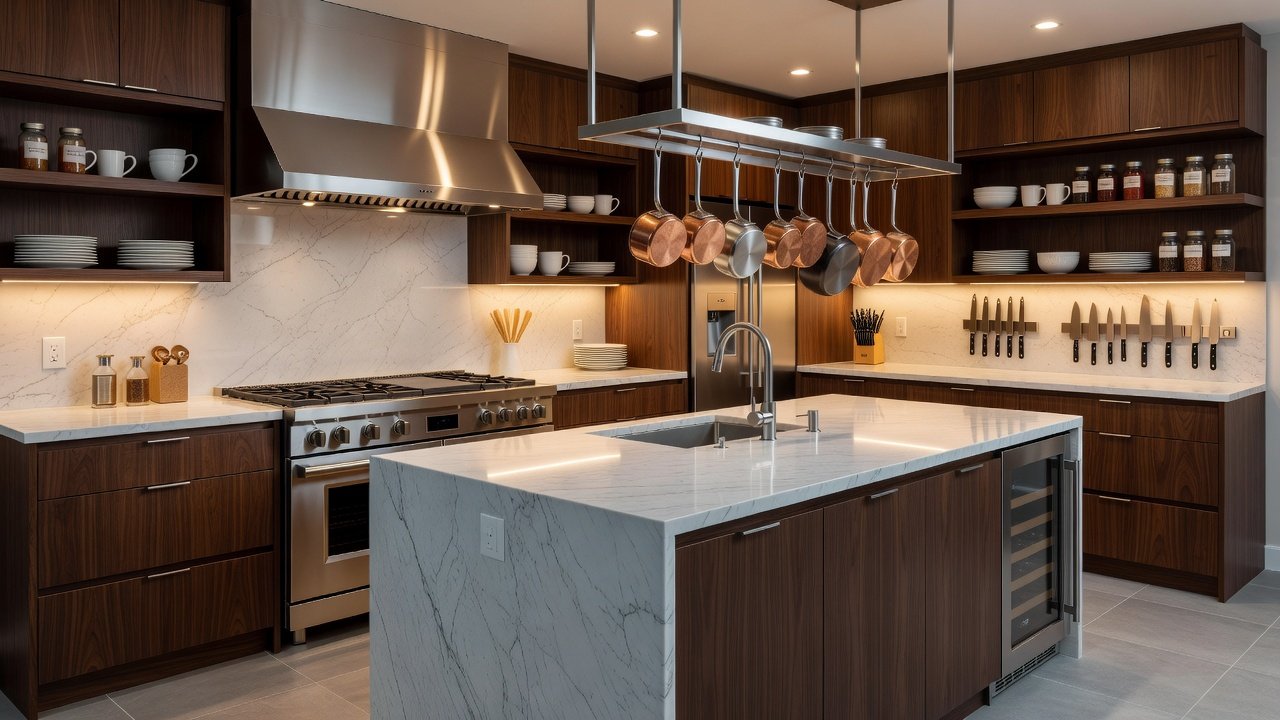
A well-planned layout is the foundation of any chef-centric kitchen. Focus on the classic work triangle—sink, stove, and refrigerator—while expanding it to include dedicated prep zones. Incorporate an island with a built-in prep sink and ample counter space to streamline ingredient organization. Homeowners report that L-shaped or U-shaped designs with clear pathways reduce movement by up to 30 percent during complex meals. Consider zoning: designate one area for chopping and assembly, another for cooking, and a third for plating. This setup mirrors professional kitchens and supports the mise en place principle of having everything prepped and within reach before cooking begins. Traffic flow deserves equal attention, ensuring that multiple users can navigate without collision during dinner parties. Incorporate adjustable-height counters for ergonomic comfort during long sessions, and position the refrigerator at the edge of the main triangle to avoid disrupting active cooking. Real-world applications show that adding a secondary beverage station outside the primary zone prevents bottlenecks when entertaining guests.
Selecting High-Performance Appliances
Appliance choices define the kitchen's capabilities. Opt for commercial-style ranges with multiple burners and precise temperature control, paired with powerful range hoods that maintain air quality. Refrigeration units with separate temperature zones for produce, proteins, and beverages keep ingredients fresh longer. Built-in convection ovens and speed ovens accelerate cooking times without sacrificing quality. Look for models with smart integration for remote monitoring, though core performance remains the priority for enthusiasts. Dishwashers rated for heavy loads handle the aftermath of elaborate sessions efficiently. When comparing options, induction cooktops offer rapid heat response and easier cleaning than traditional gas, while dual-fuel ranges combine the best of both worlds for versatile techniques like searing and baking. Ventilation systems with variable speeds and quiet operation prove essential for maintaining focus amid intense cooking. Energy Star guidelines help identify energy-efficient models that reduce long-term operating costs without compromising power. Consider adding a dedicated wine refrigerator or under-counter freezer for specialized storage needs common among avid cooks.
Custom Storage Solutions for Tools and Ingredients
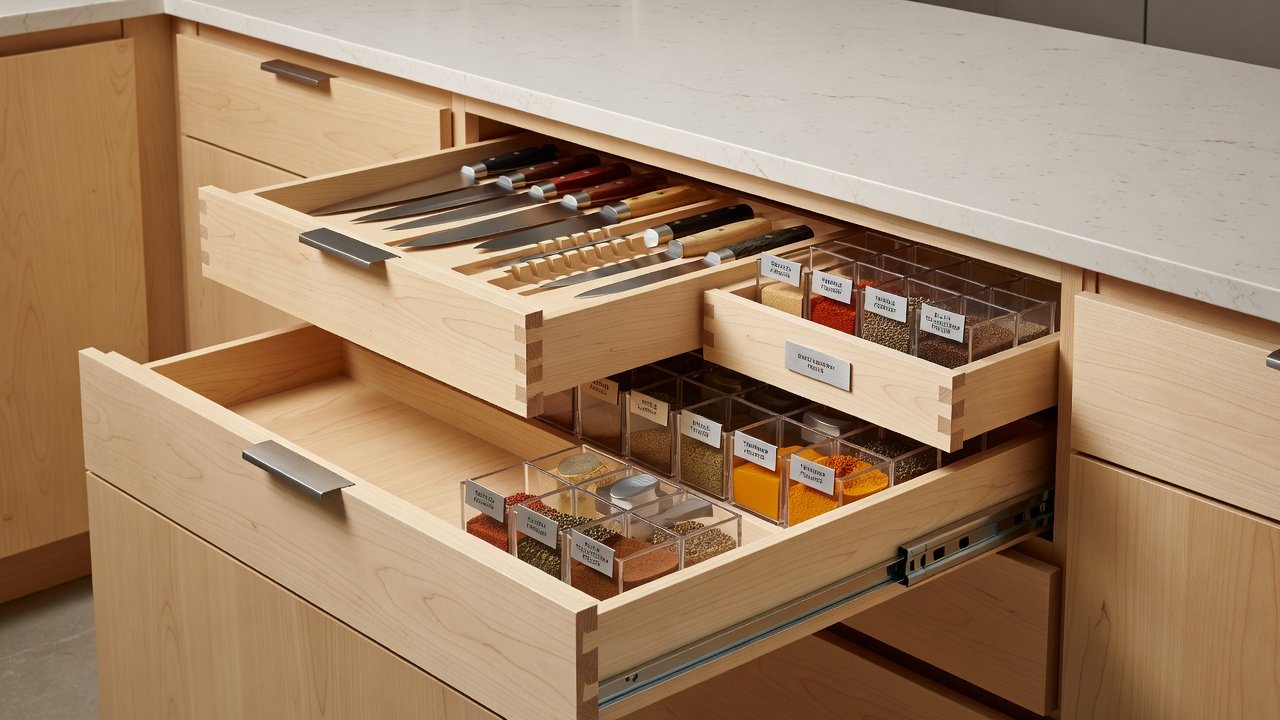
Storage must accommodate extensive tool collections and bulk ingredients. Install pull-out drawers with dividers for knives, spatulas, and measuring tools. Wall-mounted magnetic strips free counter space while keeping essentials accessible. For ingredients, consider pantry pull-outs with labeled bins and climate-controlled drawers for spices and oils. Deep drawers under counters for pots and pans with built-in organizers prevent stacking chaos. Overhead racks for hanging utensils and small appliances maximize vertical space in smaller kitchens. Integrated charging stations for digital scales and thermometers keep gadgets ready. Modular systems allow future expansion as collections grow, and soft-close mechanisms reduce wear over years of daily access. Examples from renovated homes include hidden appliance garages that conceal mixers yet provide instant access, along with tiered shelving in pantries that organizes dry goods by frequency of use.
Material Comparisons for Heat Resistance and Durability
Countertops and backsplashes face constant heat exposure. Quartz and granite offer excellent heat resistance and low maintenance compared to marble, which can etch from acidic spills. Stainless steel provides industrial durability but shows fingerprints. For backsplashes, porcelain tiles withstand splatters better than glass in high-heat zones. Compare options by testing samples for thermal shock resistance. Flooring like porcelain or engineered hardwood resists warping from steam and spills. Cabinet finishes with heat-resistant coatings protect against proximity to ranges. National Kitchen & Bath Association resources outline standards for material performance in demanding environments. Always prioritize materials with warranties covering commercial-level use, and factor in maintenance routines such as sealing natural stone annually to preserve appearance.
Lighting, Ventilation, and Workflow Enhancements
Beyond core zones, professional lighting layers task, ambient, and accent illumination to support detailed work like knife skills or plating. Under-cabinet LEDs eliminate shadows on counters, while dimmable overhead fixtures adjust for evening sessions. Ventilation extends past the range to include downdraft systems or ceiling-mounted units for whole-room air quality. These additions reduce fatigue and improve safety during prolonged cooking.
Step-by-Step Planning Checklist
- Assess current workflow and note pain points like inadequate prep space.
- Measure the room and sketch multiple layout options, including traffic patterns.
- Research appliances based on cooking frequency and style, reviewing user reviews from similar setups.
- Select materials and request samples for in-home testing under actual lighting.
- Consult professionals for electrical and plumbing upgrades early in the process.
- Finalize budget allocations and timeline with contractors, allowing buffer for custom elements.
- Install and test all features before full use, adjusting as needed.
- Plan for future expansions such as additional zones or smart integrations.
Real-Home Examples of Chef-Focused Renovations
In one suburban home, a family converted their galley kitchen into a U-shaped design with a central island featuring dual sinks. This change allowed simultaneous prep and cleanup, transforming weekly meal prep from chaotic to streamlined. Another example involved a city apartment where custom cabinetry with hidden spice drawers and a pro-grade ventilation system elevated the space for daily gourmet cooking. A third case featured a rural residence that added a dedicated baking station with marble slab and specialized storage for molds and tools, enabling the homeowner to pursue pastry projects professionally. These cases highlight how targeted upgrades deliver lasting satisfaction across diverse home types.
Mistakes to Avoid in Chef-Centric Renovations
Common pitfalls include overlooking ventilation capacity, which leads to persistent odors and grease buildup. Another error is selecting materials based solely on aesthetics rather than heat tolerance, resulting in premature damage. Insufficient outlet placement near prep areas can hinder appliance use, and ignoring ergonomics causes back strain over time. Thorough planning with professional input mitigates these issues effectively.
FAQ on Budget Allocation for Chef-Centric Features
How should funds be divided among layout, appliances, and materials?
Prioritize layout changes first as they impact daily function most, followed by core appliances, then finishing materials. Allocate roughly equal portions to structural work and equipment for balanced results.
What upgrades deliver the highest return for serious cooks?
High-BTU ranges, ample ventilation, and durable countertops provide immediate benefits. Custom storage ranks high for organization enthusiasts seeking long-term efficiency.
Are smart features worth including in a 2026 renovation?
Smart controls for ovens and lighting add convenience, but mechanical reliability should come first. Hybrid systems offer the best of both worlds.
How does one evaluate material longevity before purchase?
Request manufacturer data on heat and impact resistance, and visit showrooms to simulate real-use conditions with samples.
Conclusion
A 2026 kitchen renovation centered on pro features empowers home chefs to cook with greater precision and enjoyment. By focusing on efficient layouts, robust appliances, tailored storage, and resilient materials, the resulting space supports creative culinary pursuits for years ahead. Begin with a detailed assessment to ensure every element aligns with your cooking habits and consult resources like EPA sustainable materials guidance for eco-conscious choices that enhance durability.
No comments yet. Be the first!