 Fixated on Home
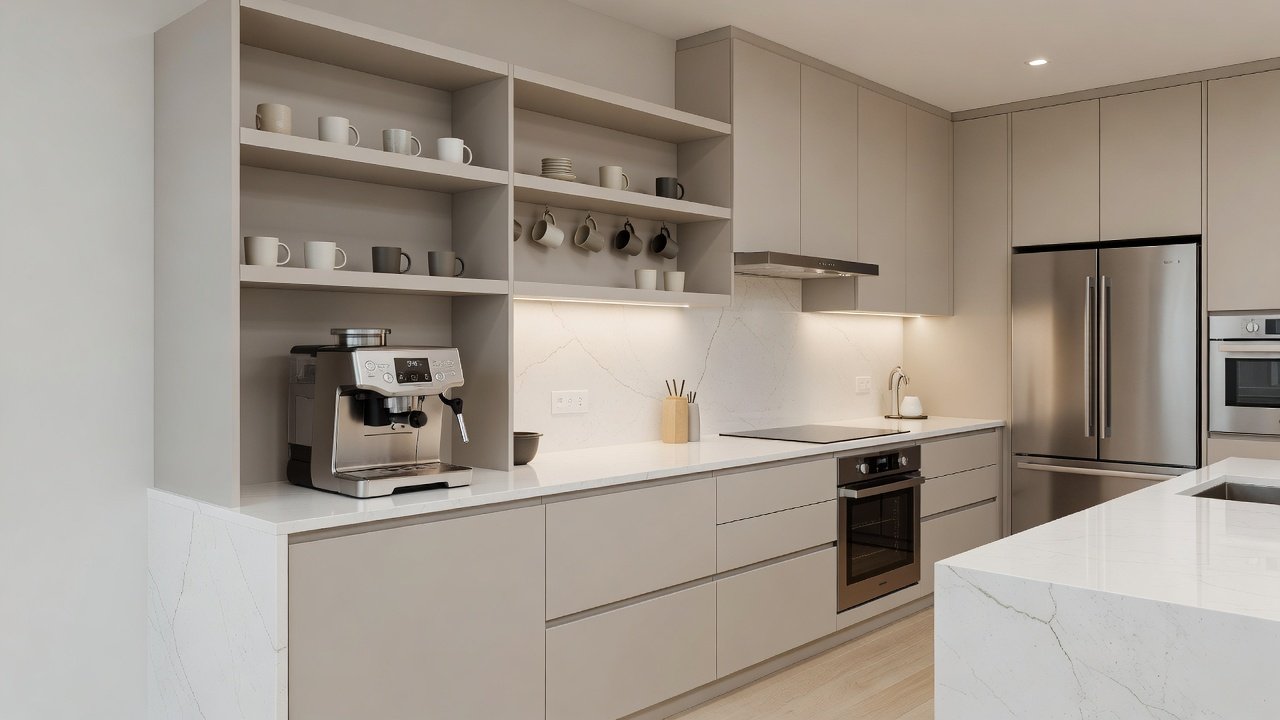
Introduction to Integrating a Coffee Station in Your Kitchen Renovation
Homeowners undertaking kitchen renovations increasingly seek dedicated coffee stations to enhance daily convenience and elevate modern design. This upgrade transforms a standard kitchen into a functional hub that supports espresso rituals while maintaining aesthetic appeal. Effective planning ensures the station integrates seamlessly without disrupting workflow. Incorporating a coffee station during remodeling allows for personalized touches that reflect lifestyle needs, such as quick morning brews or hosting guests with specialty drinks. By focusing on kitchen renovation principles, homeowners can achieve both practicality and visual harmony in their upgraded space.
Space Planning Strategies for Optimal Layout
Assess your kitchen footprint to identify a dedicated zone near the main counter or island. Consider traffic patterns to avoid congestion during peak hours. Measure available wall space for shelving and vertical storage to maximize efficiency in smaller areas. Professional designers recommend allocating at least 3 feet of counter depth for comfortable appliance access and mug handling. In larger kitchens, positioning the station adjacent to a breakfast nook creates a welcoming focal point that encourages daily use. Smaller spaces benefit from corner installations that utilize otherwise wasted areas while preserving open floor plans.
Evaluating Existing Layouts
Review your current kitchen configuration before demolition begins. Identify underutilized corners or pantry adjacencies that can host the coffee station. This approach minimizes structural changes while supporting smooth remodeling timelines. Take detailed measurements of cabinet heights and depths to ensure new elements align with existing millwork. Homeowners often find success by mapping out appliance footprints on paper or digital tools to visualize flow before committing to changes.
Electrical and Plumbing Requirements
Built-in espresso machines demand dedicated 20-amp circuits and GFCI protection near water sources. Consult licensed electricians early to route new wiring behind cabinetry. For plumbing, install shut-off valves and flexible lines to support under-counter fridges or filtered water dispensers. Energy Star guidelines help select energy-efficient models that reduce long-term utility demands. Additional considerations include surge protection for smart appliances and proper ventilation for steam-producing equipment. Always verify local building codes, as they may require permits for any new electrical or water line installations during kitchen renovation projects.
Appliance Selection for Modern Functionality
Choose built-in espresso machines with steam wands and programmable settings for consistent results. Under-counter beverage fridges keep milk and syrups chilled without occupying counter space. Compare countertop models versus fully integrated units based on your renovation budget and available depth. Look for features like auto-clean cycles and smart connectivity for daily ease. High-end options often include bean-to-cup grinders that reduce preparation time, while mid-range selections focus on reliability and ease of maintenance. When selecting appliances, prioritize those with quiet operation to maintain a peaceful kitchen environment.
Storage Solutions for Mugs and Accessories
- Open shelving above the station for frequently used mugs and glassware
- Drawer organizers with dividers for spoons, tampers, and cleaning tools
- Hidden cabinets with pull-out trays for bulk coffee beans and syrups
- Wall-mounted racks to display artisanal accessories without clutter
- Integrated pull-down shelves for reaching higher storage without strain
Material Choices for Countertops and Shelving
Select durable quartz or granite countertops that resist heat and stains from daily coffee prep. Pair with floating wood or metal shelving for a contemporary look. Ensure surfaces are sealed properly during installation to withstand moisture near the sink area. Other viable options include butcher block for a warm aesthetic or stainless steel for industrial appeal, each offering unique maintenance profiles. During remodeling, coordinate material selections with overall cabinet finishes to create cohesive visual continuity throughout the kitchen.
Lighting Integration Techniques
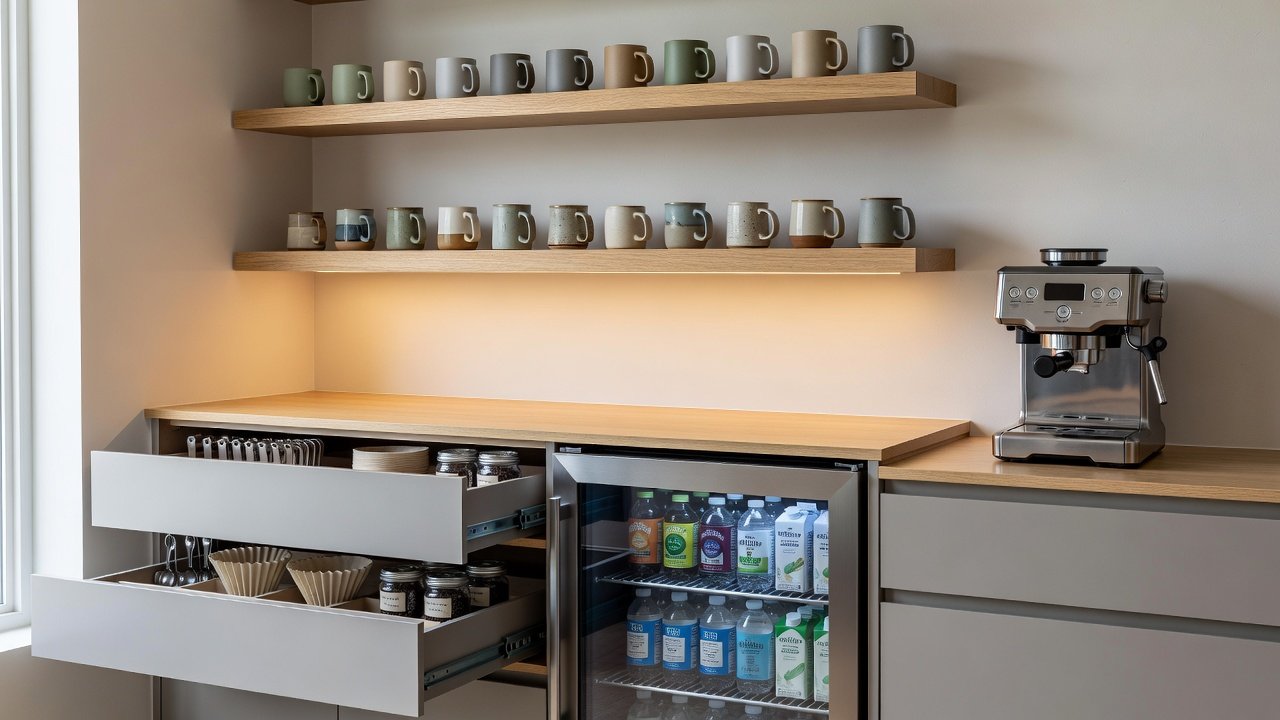
Layer task lighting with under-cabinet LED strips and pendant fixtures positioned over the coffee station. Dimmable options allow ambiance control for morning routines versus evening entertaining. Incorporate motion sensors for hands-free operation during busy mornings. Proper illumination highlights the station as a design feature while improving safety when handling hot liquids. Consider color temperature choices, such as warm white for cozy vibes or cool white for precise tasks like frothing milk.
Step-by-Step Installation Examples
- Measure and mark the dedicated zone on existing cabinetry, accounting for appliance clearances and user reach
- Install electrical outlets and plumbing lines with professional help, testing all connections for leaks and shorts
- Mount shelving units and secure countertop extensions using appropriate hardware for weight support
- Position appliances and test all connections before final finishes, ensuring ventilation and drainage function correctly
- Add storage accessories and lighting for a polished result, followed by a final walkthrough to confirm usability
Before-and-After Case Studies
One suburban home renovated a cramped galley kitchen by converting a breakfast nook into a coffee station featuring a built-in espresso unit and custom shelving. The result improved morning efficiency and added resale value. Another urban loft project integrated an under-counter fridge within a minimalist island, blending seamlessly with existing modern cabinetry. A third example involved a family home where the coffee station was placed near a window for natural light, incorporating recycled materials for eco-friendly appeal during the broader kitchen renovation.
Addressing Common Remodeling Challenges
Budget constraints often arise when upgrading electrical panels. Prioritize core functionality first, then add decorative elements. Space limitations in apartments may require compact wall-mounted units rather than full cabinetry builds. Unexpected issues like outdated wiring or limited water pressure can be mitigated by early inspections. National Kitchen & Bath Association resources provide additional guidance on navigating these hurdles during remodeling.
Frequently Asked Questions
What is the typical timeline for adding a coffee station during a full kitchen renovation?
Integration usually occurs mid-project after rough-ins but before final cabinet installation, spanning 2-4 weeks depending on complexity.
Can existing plumbing support a new coffee station?
Most modern homes can with minor rerouting; older properties may need upgrades assessed by a plumber.
How do I maintain cleanliness around the station?
Choose wipeable surfaces and schedule weekly deep cleans of grinders and drip trays to prevent buildup.
What ventilation considerations apply to built-in machines?
Ensure adequate airflow behind units to prevent overheating, often requiring custom cabinet cutouts.
Are smart features worth including in a coffee station?
They add convenience for scheduling brews but require stable Wi-Fi and compatible apps for full functionality.
Conclusion
Adding a coffee station elevates kitchen renovations by combining practicality with modern style. Careful attention to planning, utilities, and materials delivers lasting satisfaction and enhanced home appeal. Homeowners who invest time in detailed remodeling tips enjoy a personalized space that supports both routine and special occasions.
No comments yet. Be the first!