 Fixated on Home
Introduction to Blending Vintage and Modern in 2027 Kitchens
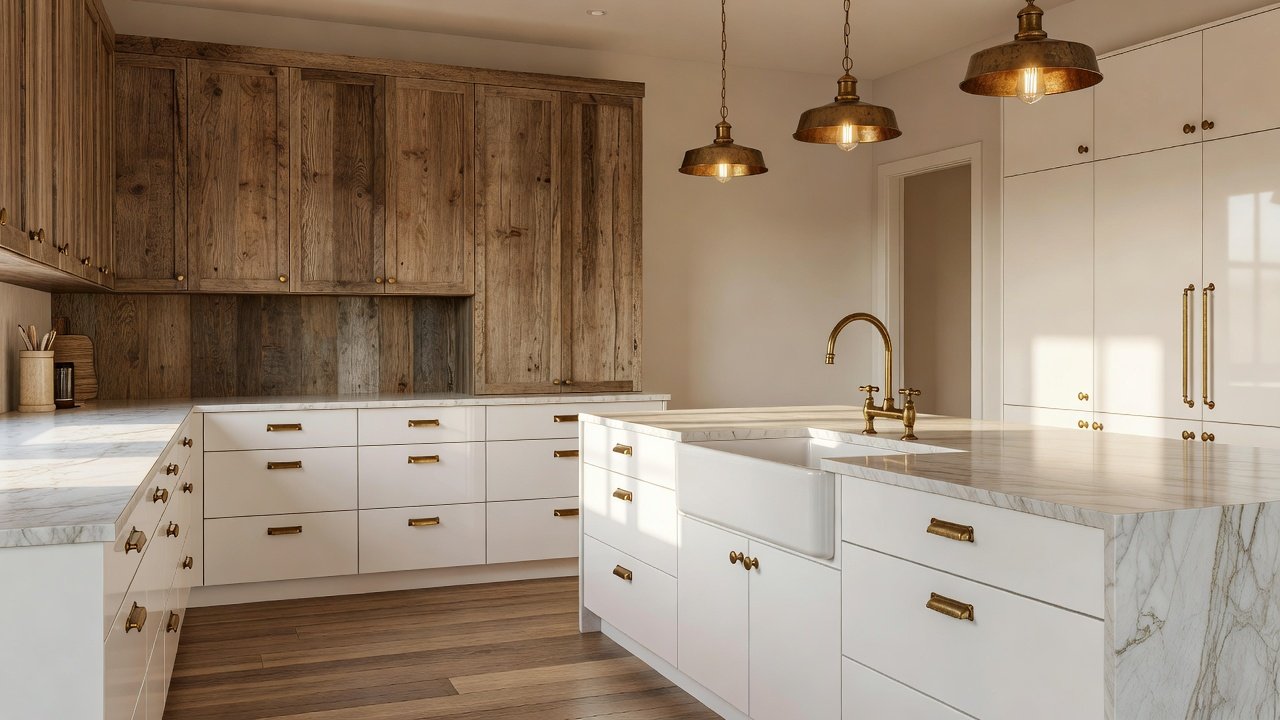
As homeowners seek distinctive upgrades beyond standard modern kitchens in 2027, successfully merging vintage elements with contemporary design delivers spaces rich in character and efficiency. This hybrid style pairs the soulful patina of reclaimed finds with sleek lines, smart technology, and durable finishes that support busy lifestyles. The outcome feels curated rather than trendy, offering warmth alongside the precision needed for cooking, entertaining, and daily routines. Achieving balance means prioritizing functionality first while layering historical details that enhance rather than overwhelm the layout.
Many renovators start by identifying which vintage pieces will serve as focal points and which modern systems will handle performance demands. This thoughtful approach prevents common pitfalls like poor workflow or maintenance issues. Throughout this article, we examine sourcing strategies, material selections, hardware decisions, color strategies, step-by-step integration, and maintenance considerations to guide a cohesive remodel.
Sourcing Authentic Vintage Pieces for Your Kitchen
Locating genuine vintage components requires patience and discernment. Begin at architectural salvage yards, estate auctions, and reputable dealers specializing in period hardware or fixtures. Online platforms connected to restoration communities can also yield treasures such as cast-iron farmhouse sinks, apothecary-style drawer units, or mid-century pendant lights. Always measure twice and verify structural soundness, as older pieces may need reinforcement to meet current building standards.
Popular choices include 1940s enamel ranges repurposed as display pieces or solid oak butcher blocks turned into islands. Partnering with local craftspeople who specialize in refinishing ensures these items retain their original charm while gaining modern usability. For additional guidance on locating and evaluating salvage materials, consult resources from This Old House.
Material Choices: Reclaimed Wood and Complementary Surfaces
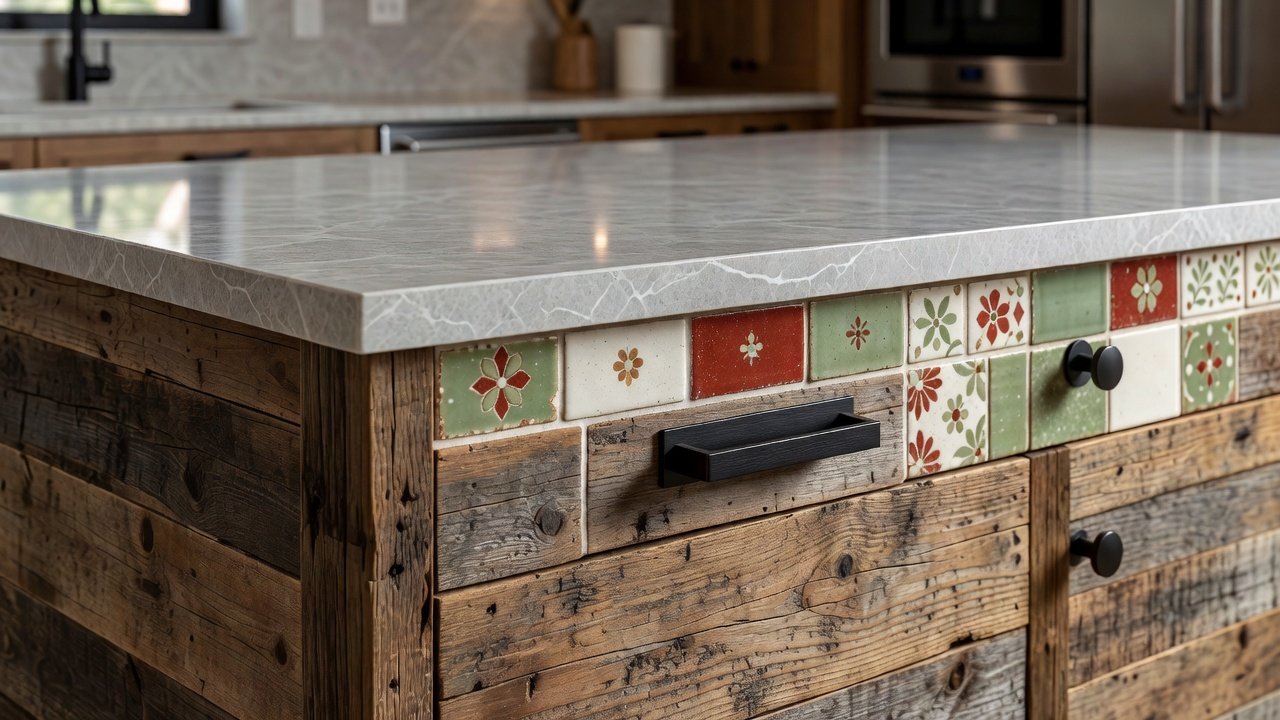
Reclaimed timber provides unmatched texture that grounds contemporary elements. Install it as open shelving, island bases, or accent beams to introduce history without sacrificing strength. Pair these woods with smooth quartz or honed marble countertops for a striking contrast that remains practical for food prep. Additional options encompass encaustic cement tiles for backsplashes and blackened steel accents that echo industrial heritage while delivering modern resilience.
When selecting materials, consider how each surface ages. Reclaimed wood develops a richer patina over time, while engineered stone resists staining and requires minimal sealing. This combination supports both aesthetic longevity and everyday performance in a 2027 kitchen.
Hardware Selections That Connect Eras
Hardware serves as the connective tissue between styles. Aged brass cup pulls on flat-panel cabinets evoke 1930s glamour, while matte black lever handles on modern drawers provide crisp contrast. Limit your palette to two finishes maximum to maintain visual calm. Reproduction pieces inspired by Art Deco or 1970s organic design work especially well when scaled to fit current cabinet dimensions.
Inspect mechanisms for smooth operation and replace any vintage latches with updated versions that meet safety codes. This attention to detail ensures the kitchen feels authentic yet operates flawlessly.
Color Palettes Bridging Vintage and Modern
Successful palettes draw inspiration from both periods. Warm greige or muted olive walls create a neutral backdrop that highlights vintage wood tones. Introduce bolder notes such as terracotta or navy on an island or range hood to reference historical kitchens. Modern clarity arrives through crisp white countertops and stainless steel appliances that reflect light and keep the space feeling open.
Always test large paint samples under varying lighting conditions throughout the day. Layering multiple neutrals with one or two saturated accents prevents the design from feeling either too stark or overly busy.
Practical Steps for Seamless Integration
- Map your kitchen zones by identifying high-traffic work areas that benefit from modern efficiency and display zones suited to vintage statements.
- Compile a detailed mood board that includes measurements, material swatches, and photographs of both vintage and contemporary references.
- Engage a designer or contractor experienced in transitional projects early to resolve proportion and code issues.
- Complete all mechanical upgrades including electrical, plumbing, and insulation before installing visible elements.
- Stage key vintage pieces temporarily to confirm clearance, sightlines, and workflow before final installation.
- Incorporate hidden modern features such as integrated charging stations or soft-close mechanisms behind vintage facades.
Common Mistakes to Avoid
Overloading the space with too many ornate pieces quickly shifts the balance toward clutter. Another frequent error involves ignoring scale; oversized antique furniture can dwarf standard modern cabinetry. Always verify that vintage appliances meet current energy and safety requirements rather than assuming restoration alone suffices. Finally, neglecting proper sealing of porous materials like reclaimed wood or natural stone leads to premature wear.
Cost Comparisons and Budget Considerations
Hybrid remodels typically require investment levels between straightforward modern updates and full historic restorations. Allocate resources toward durable bases such as cabinetry and countertops first, then layer distinctive vintage accents. Working with reclaimed materials often reduces material costs compared to premium new alternatives while adding irreplaceable character. Prioritize quality craftsmanship over quantity to achieve lasting results within reasonable parameters.
Maintenance FAQs for Vintage-Modern Kitchens
How should reclaimed wood be cleaned and protected?
Use pH-neutral cleaners and apply food-safe sealant yearly. Avoid abrasive pads that can damage the surface finish.
Can vintage appliances be used safely in 2027?
Many homeowners restore originals strictly for display while concealing high-efficiency modern units behind matching panels for daily operation.
What maintenance do mixed metal finishes require?
Apply protective wax to aged brass and schedule professional polishing every two to three years for continued luster.
How do you handle wear on vintage hardware?
Replace worn internal components with updated replicas while retaining original exterior plates to preserve appearance.
Conclusion
Blending vintage and modern aesthetics in a 2027 kitchen remodel produces a distinctive environment that combines historical warmth with contemporary performance. Through careful sourcing, balanced material and color choices, and methodical integration, homeowners can create kitchens that feel both personal and highly functional. Begin planning with these principles to craft a space that will remain relevant and enjoyable for years ahead.
No comments yet. Be the first!