 Fixated on Home
Introduction
Creating an allergy-friendly kitchen during a 2026 home renovation involves thoughtful choices that minimize allergens while enhancing overall home health. Homeowners today seek spaces that support respiratory wellness without sacrificing style or functionality. This guide explores proven strategies for material selection, ventilation upgrades, and seamless integration with modern design trends. By focusing on these elements, renovations can transform kitchens into environments that actively reduce triggers like dust, mold, and chemical emissions for lasting family comfort.
Understanding Common Kitchen Allergens
Kitchens can harbor dust mites, mold spores, pet dander, and volatile organic compounds from finishes. These triggers often worsen symptoms for allergy sufferers, especially in high-moisture areas around sinks and appliances. Modern renovations address these issues by prioritizing hypoallergenic materials and systems that promote cleaner air circulation. Understanding the sources allows homeowners to target interventions effectively, such as sealing porous surfaces that trap particles or improving airflow to prevent stagnation. In recent projects, identifying hidden mold behind old cabinetry has led to complete overhauls that eliminate recurring issues.
Selecting Low-VOC Finishes and Materials
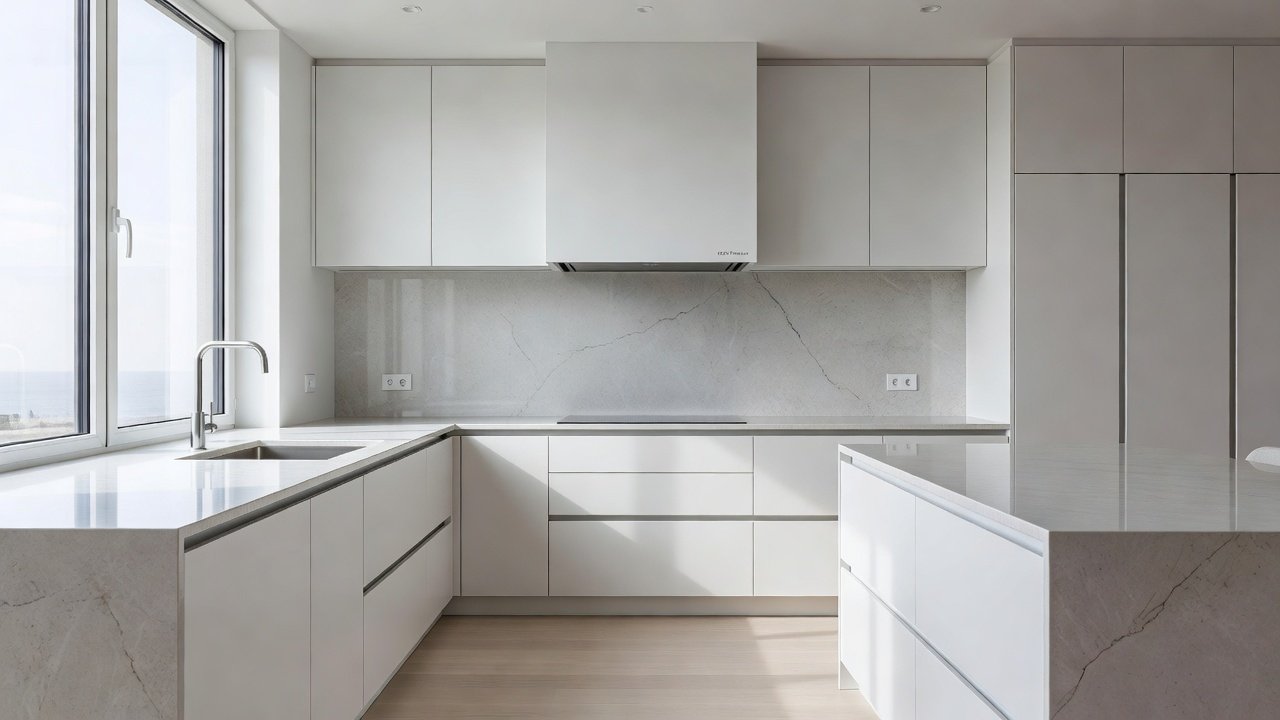
Low-VOC paints, sealants, and cabinetry finishes dramatically reduce indoor air pollution. Opt for certified products that meet strict emission standards to avoid the off-gassing common in older materials. Natural stone or engineered quartz countertops provide durable, non-porous surfaces that resist allergen buildup compared to traditional laminate options. Cabinetry made from formaldehyde-free plywood or solid wood with water-based stains further supports cleaner air. Flooring choices like polished concrete or ceramic tiles with low-emission adhesives create seamless, easy-to-maintain bases that do not harbor dust. When selecting these materials, consider how they interact with daily use, ensuring they withstand spills and heat without degrading over time.
Easy-Clean Surfaces for Daily Maintenance
Choose backsplashes and flooring with smooth, non-porous qualities to simplify upkeep. Stainless steel appliances and antimicrobial countertops simplify cleaning routines by resisting bacterial growth and allowing quick wipes. These selections help prevent mold growth and dust accumulation over time. For instance, glass tile backsplashes reflect light while offering wipeable surfaces that outperform textured options. Homeowners in recent renovations have reported fewer allergy flare-ups after switching to these materials, as they reduce the time spent on deep cleaning and limit chemical cleaners needed for maintenance.
Advanced Ventilation and Filtration Systems
High-efficiency range hoods paired with whole-home air filtration systems capture airborne particles effectively. EPA guidelines emphasize proper ventilation to maintain healthy indoor environments. 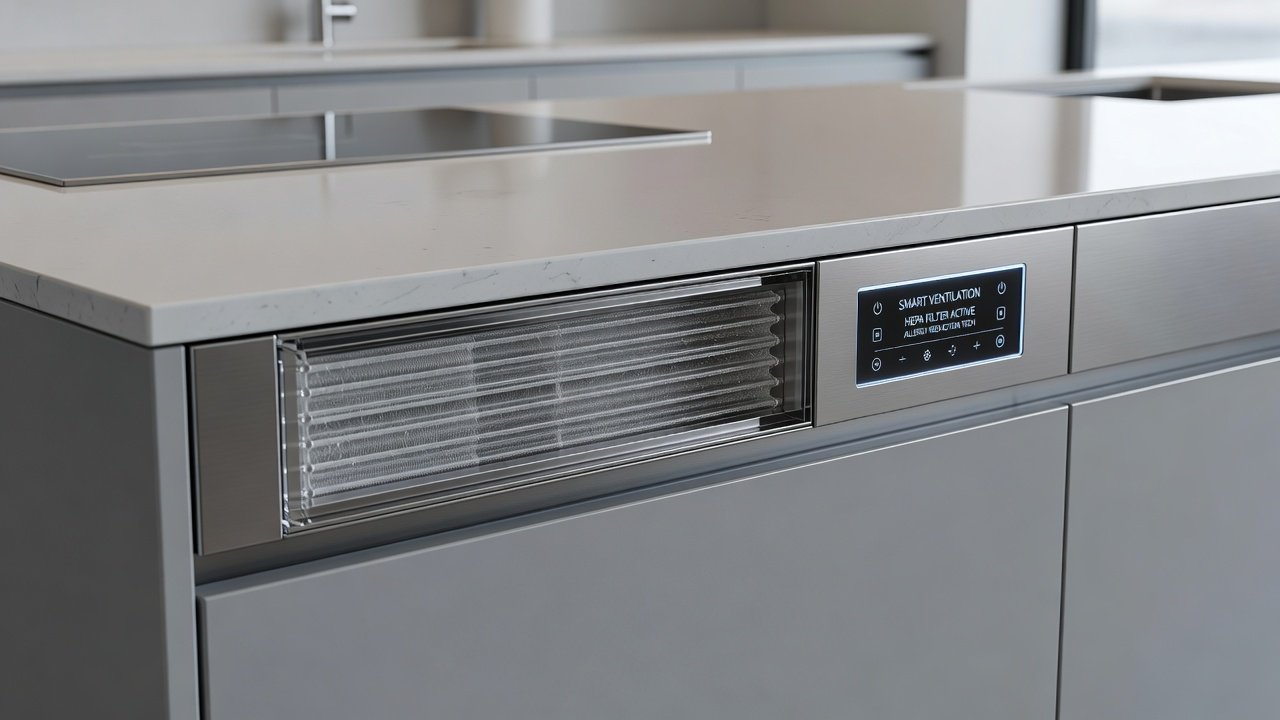
Traditional vs Modern Approaches with Practical Examples
Traditional kitchens often relied on basic exhaust fans and painted surfaces prone to off-gassing. Modern renovations incorporate sealed cabinetry, energy-recovery ventilators, and smart sensors that monitor air quality in real time. Recent projects demonstrate clear differences: one 2025 renovation replaced outdated laminate with quartz and added zoned ventilation, resulting in noticeably fresher air within weeks. Another example involved retrofitting an older home's kitchen with low-VOC everything and automated fans, which integrated seamlessly into a smart home ecosystem. These contrasts highlight how modern methods not only reduce allergens but also enhance usability and aesthetics for everyday living.
Step-by-Step Planning Guidance
- Assess current allergen sources through professional testing to identify priorities like hidden moisture or poor ventilation.
- Consult designers experienced in healthy home certifications for tailored recommendations that align with building codes.
- Prioritize material samples for VOC testing before purchase to confirm low emissions under real conditions.
- Plan ventilation layouts early in the design phase to ensure compatibility with electrical and plumbing systems.
- Schedule phased installations to minimize disruption, starting with demolition and ending with final finishes.
- Test the completed space with air quality monitors to verify improvements before full occupancy.
Common Mistakes to Avoid
One frequent error is overlooking ventilation capacity during appliance upgrades, leading to persistent odors and particles. Another involves choosing trendy materials without verifying their emission profiles, which can undermine allergy goals. Homeowners should also avoid rushing selections without considering long-term maintenance, as porous surfaces may require frequent resealing. Planning for future needs, such as family growth or pet additions, prevents costly rework later.
Cost Considerations
Investing in premium materials and systems yields long-term savings through reduced maintenance and improved well-being. Focus on quality over quantity when budgeting for ventilation and finishes to maximize impact. Prioritizing core upgrades like filtration first allows phased spending that aligns with overall renovation timelines and household priorities.
Integrating Upgrades with Overall Home Design
Allergy-friendly features should complement broader home aesthetics. Coordinate color palettes with low-emission materials and ensure ventilation elements remain discreet through custom cabinetry or recessed installations. This holistic approach delivers lasting benefits for family health and property value, turning the kitchen into a central hub that supports wellness across the entire living space.
FAQ
How do low-VOC materials affect renovation timelines?
They often require similar curing periods but deliver faster occupancy due to lower off-gassing, allowing quicker return to normal routines.
Are smart filtration systems worth the upgrade?
Yes, they provide real-time monitoring and automated responses that traditional setups lack, adapting to cooking activities dynamically.
Can existing kitchens be retrofitted affordably?
Targeted updates like new finishes and portable purifiers offer effective entry points without full demolition.
What role does lighting play in allergen control?
Bright, even lighting highlights dust for easier cleaning and pairs well with reflective easy-clean surfaces.
How often should filters be replaced in these systems?
Regular checks every few months ensure optimal performance, tailored to household usage patterns.
Conclusion
Allergy-friendly kitchen renovations in 2026 empower homeowners to build healthier living spaces. By combining smart material choices, robust ventilation, and thoughtful design integration, these upgrades deliver comfort and wellness for years ahead. Start planning today to transform your kitchen into a sanctuary that supports respiratory health and modern living.
No comments yet. Be the first!