 Fixated on Home
Why Statement Range Hoods Define 2026 Kitchen Renovations
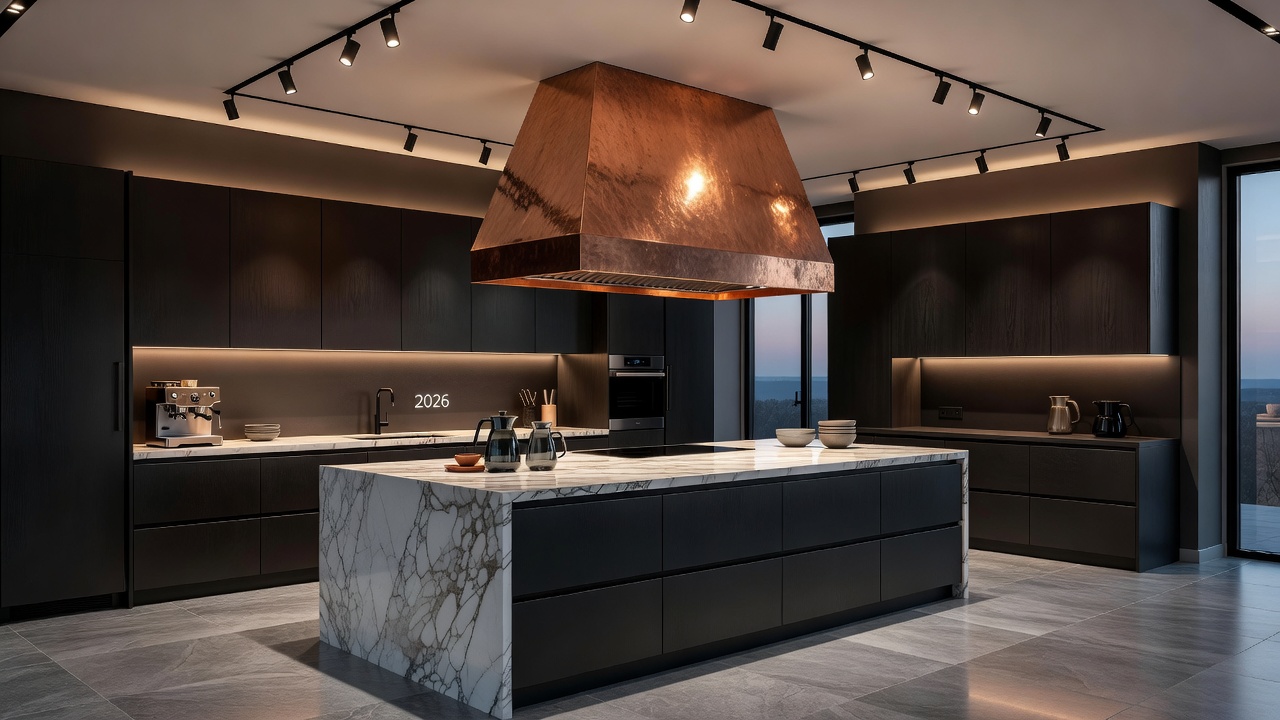
Homeowners planning bold kitchen updates in 2026 are moving beyond basic appliances to make the range hood a true design focal point. These eye-catching pieces combine powerful ventilation with sculptural forms, turning a functional necessity into an architectural highlight that draws the eye and elevates the entire space. In open-concept homes, the range hood often becomes the visual anchor above an island or along a perimeter wall, influencing everything from lighting choices to cabinet finishes.
Search intent around statement range hoods centers on visual drama paired with real performance. Modern renovations often feature open layouts where the hood must complement islands, cabinetry, and lighting while handling cooking odors and moisture effectively. Beyond aesthetics, proper ventilation protects indoor air quality, reduces grease buildup on surfaces, and supports long-term appliance longevity. As kitchens serve as central gathering spaces, homeowners seek upgrades that deliver both wow factor and everyday reliability.
Popular Styles and Premium Materials
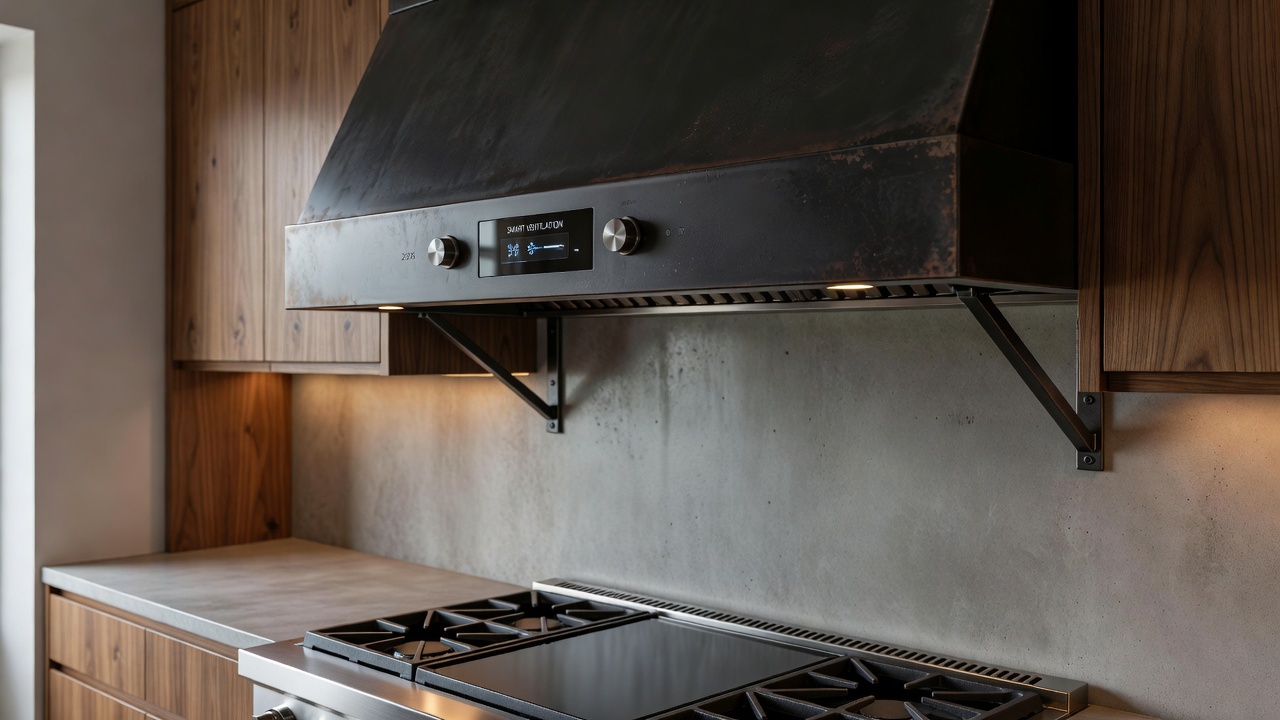
Designers are embracing materials that add texture and character. Copper hoods bring warm, patina-rich surfaces that age beautifully and pair with both rustic and contemporary palettes. Over time, copper develops a unique finish that adds depth without additional treatments. Blackened steel offers an industrial edge with matte finishes that absorb light and create strong contrasts against lighter cabinetry or white quartz countertops.
Other trending options include hammered brass for subtle luxury and powder-coated aluminum in deep matte tones. Each material influences not only aesthetics but also maintenance routines and how the piece integrates with surrounding finishes. For example, copper requires occasional polishing to maintain shine, while blackened steel resists fingerprints and hides dust better in high-traffic kitchens. When selecting materials, consider how they will interact with natural light from nearby windows and the overall color temperature of your LED lighting scheme.
Styles range from dramatic chimney designs suspended from the ceiling to linear wall-mounted units that span the full width of a range. Some homeowners opt for custom shapes that echo the geometry of their kitchen island, creating a cohesive architectural statement. These choices allow the hood to feel like built-in furniture rather than an afterthought appliance.
Smart Ventilation Integration
Today’s statement hoods frequently connect with whole-home smart systems. Homeowners can control airflow, lighting, and even filter alerts through voice commands or mobile apps. This integration improves indoor air quality while adding convenience during busy meal prep. Sensors detect smoke or high humidity levels and automatically adjust fan speed, ensuring the system responds in real time without manual intervention.
Look for models compatible with platforms from major smart-home ecosystems. Proper ductwork sizing remains essential for optimal performance, and professionals recommend consulting U.S. Department of Energy guidelines on efficient kitchen ventilation. Integration with air-quality monitors can also trigger whole-house exhaust fans when cooking produces excess particulates. These features help maintain consistent comfort, especially in homes with high ceilings or multiple cooking zones.
Cost Comparisons and Budget Planning
Statement range hoods occupy a premium segment of the market. Pricing varies widely based on material, size, and smart features. Homeowners should compare custom-fabricated options against semi-custom lines to balance uniqueness with budget constraints. Qualitative factors such as durability, resale value, and energy efficiency often outweigh initial outlay. Custom copper pieces typically command higher investment than standard steel models due to fabrication complexity and finish quality, while smart-enabled units add incremental cost for controls and connectivity hardware. Planning for professional installation and potential electrical upgrades early helps avoid surprises during the renovation timeline.
Installation Steps for a Seamless Result
Successful installation requires careful coordination between designers, contractors, and electricians. Begin by confirming structural support above the cooking area, especially for ceiling-mounted units that may weigh more than traditional hoods.
- Measure the cooking surface and ceiling height to determine hood dimensions and duct routing, accounting for any soffits or beams that could obstruct airflow paths.
- Coordinate electrical and HVAC requirements early with your contractor, including dedicated circuits for high-CFM motors and makeup air provisions if local codes require them.
- Secure mounting brackets to structural supports, ensuring the unit sits at the manufacturer-recommended height above the range to optimize capture of cooking byproducts.
- Connect ducting with proper sealing to prevent leaks and maintain airflow efficiency, using rigid metal ductwork where possible for superior performance over flexible alternatives.
- Test all smart features and verify noise levels before finishing surrounding cabinetry, allowing time for adjustments that keep the final aesthetic clean and polished.
Allow extra time in the project schedule for custom units, as fabrication and shipping can extend lead times beyond standard appliances.
Pairing Statement Hoods with Cabinetry and Islands
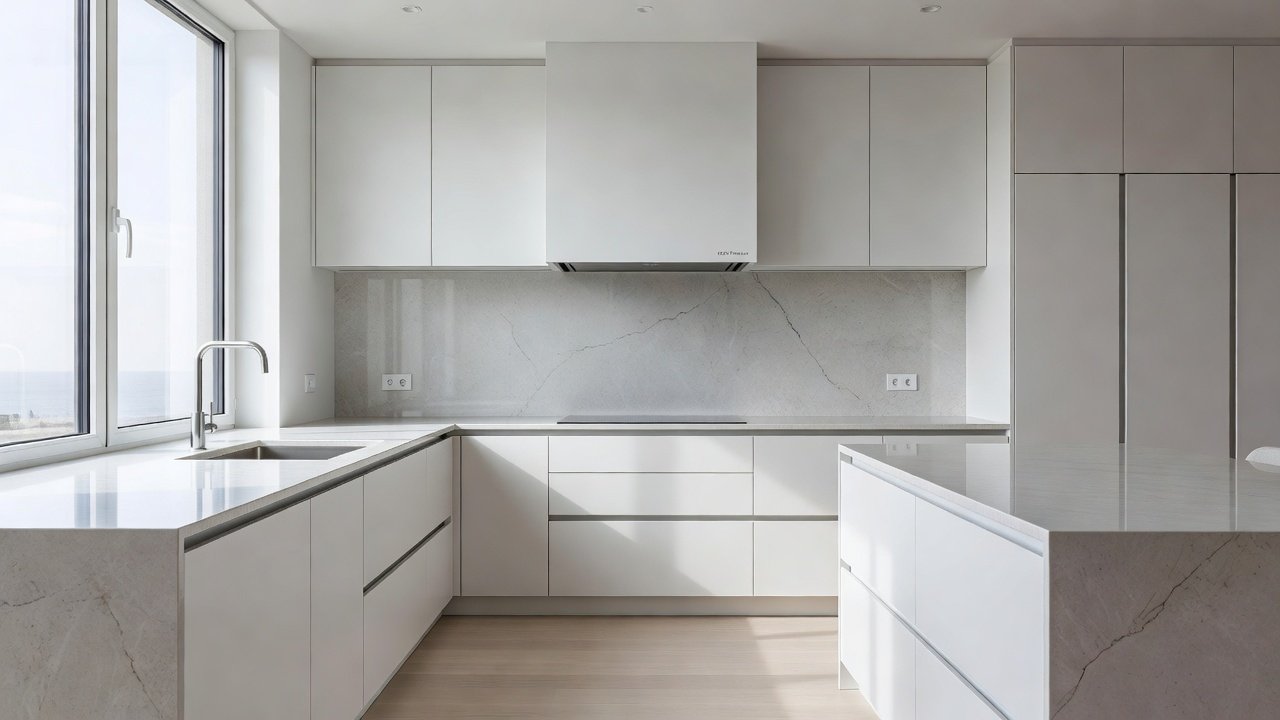
Successful pairings treat the hood as an extension of the island or perimeter cabinetry. Floating installations above islands create dramatic focal points when the hood silhouette echoes the island shape. For perimeter ranges, recessed or wall-mounted designs can blend with upper cabinets while still making a statement through material contrast. Consider matching metal finishes to hardware pulls or incorporating similar textures in open shelving nearby. Lighting integration is equally important—recessed LEDs around the hood perimeter or integrated strips within the unit itself can highlight the material while providing task illumination for the cooktop.
2026 Project Examples and Real-World Inspiration
Recent renovation showcases highlight copper chimney-style hoods suspended above marble islands in transitional kitchens, where the warm metal complements both brass faucets and walnut cabinetry. Blackened-steel linear hoods appear in minimalist urban lofts, integrated with matte black cabinetry for a monochromatic look that emphasizes clean lines. Another example features a hammered brass hood in a farmhouse-inspired space, paired with reclaimed wood beams to create a layered, collected aesthetic. These projects demonstrate how material choice and proportion create lasting visual impact while supporting the practical needs of frequent home cooks.
Pros and Cons of Statement Range Hoods
- Pros: Unmatched visual impact, improved air quality, potential increase in home value, customizable finishes that reflect personal style, and smart features that enhance daily usability.
- Cons: Higher upfront investment compared to standard models, specialized cleaning requirements for premium materials, need for professional installation to ensure safety and performance, possible noise considerations with powerful motors in smaller spaces.
Common Mistakes to Avoid
Many renovation projects run into issues when the hood size does not match the cooking surface or when ductwork is undersized for the fan’s capacity. Another frequent error is neglecting makeup air requirements, which can create negative pressure and pull contaminants from other parts of the home. Always verify local building codes before finalizing plans, and involve a ventilation specialist early if your kitchen includes a high-BTU range or multiple cooktops.
FAQ: Maintenance and Airflow Performance
How often should filters be cleaned?
Most manufacturers recommend monthly cleaning for reusable filters, with deeper maintenance every six months depending on cooking frequency and the types of meals prepared.
What CFM rating is ideal for a statement hood?
For typical residential use, 300–600 CFM provides strong performance; larger or open kitchens may benefit from higher ratings while remaining mindful of makeup air requirements and local regulations.
Are smart features reliable long-term?
Quality models from established brands maintain connectivity well, though periodic firmware updates and sensor checks help sustain performance over multiple years of use.
How does hood height affect airflow capture?
Installing the hood at the correct height—usually 24 to 30 inches above electric ranges and slightly higher for gas—ensures effective capture without interfering with cooking tasks or creating excessive noise.
Conclusion
Statement range hoods offer homeowners a powerful way to merge bold design with essential kitchen functionality in 2026 renovations. By selecting the right material, ensuring smart integration, and planning installation carefully, you can create a centerpiece that enhances both daily living and long-term home appeal. For authoritative indoor air quality information, consult resources from the U.S. Environmental Protection Agency.
No comments yet. Be the first!