 Fixated on Home
Introduction to Outdoor Kitchen Integration
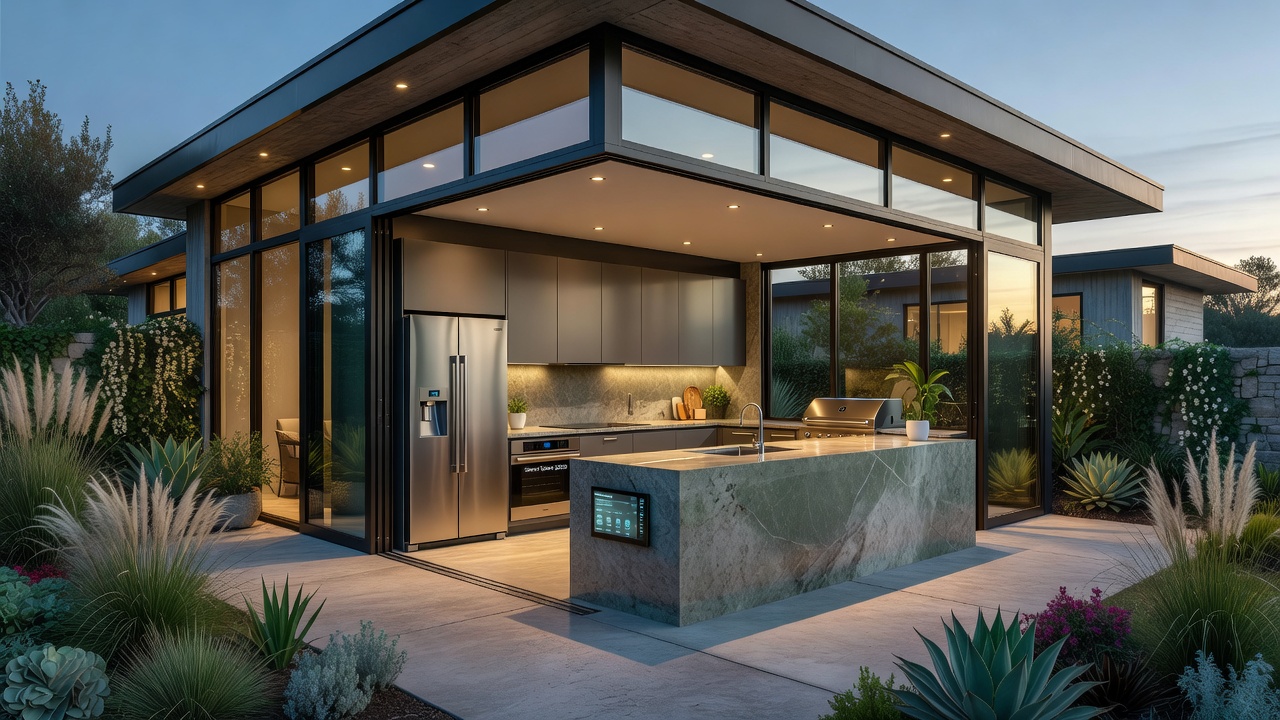
Blending indoor and outdoor kitchen spaces has become a hallmark of 2026 modern home upgrades. Homeowners are increasingly seeking ways to expand living areas for seamless entertaining while incorporating sustainable and tech-enabled features. This comprehensive guide provides detailed kitchen renovation and remodeling tips focused on site planning, weather-resistant materials, appliance choices, budget strategies, and the latest trends. By integrating these spaces thoughtfully, you can create a functional extension that boosts property value and supports year-round outdoor living. The growing popularity stems from lifestyle shifts toward hybrid indoor-outdoor living, where families and guests enjoy expanded space without sacrificing convenience or style.
Site Planning Steps for Seamless Transitions
Effective integration starts with thorough site assessment. Evaluate your property's layout, sun exposure, prevailing winds, and existing structures to determine the best placement for outdoor elements. Measure the distance between indoor and outdoor areas to ensure smooth traffic flow during peak entertaining times. Consider zoning for cooking, dining, prep, and relaxation areas to avoid bottlenecks. Professional surveys help identify drainage needs, utility connections, and potential obstacles like trees or slopes. Begin by sketching a scaled floor plan that aligns indoor counters with outdoor islands for visual continuity. Account for local building codes regarding setbacks and permits early in the process to prevent delays. Homeowners should also factor in accessibility for all ages and abilities, including pathways wide enough for wheelchairs or strollers if needed.
Key Checklist for Site Planning
- Assess soil stability and foundation requirements for heavy appliances
- Map electrical, gas, and plumbing lines with future expansion in mind
- Plan for ventilation pathways and exhaust routing between spaces
- Incorporate privacy screens, pergolas, or retractable awnings for year-round comfort
- Evaluate access points for deliveries and waste removal
- Consider noise levels from appliances and their impact on neighbors
- Review local zoning laws and obtain necessary permits before construction begins
Material Selections for Weather Resistance and Sustainability
Choosing durable materials is essential for outdoor longevity in varying climates. Opt for marine-grade stainless steel appliances, composite decking, and natural stone or quartzite countertops that withstand temperature fluctuations and UV exposure. Sustainable options like reclaimed wood, recycled composites, and low-VOC finishes align with 2026 eco-trends, reducing environmental impact while maintaining aesthetic continuity with indoor kitchens. Flooring should include slip-resistant tiles or sealed concrete that matches interior styles. Cabinetry in powder-coated aluminum or teak provides weatherproof storage. Explore how these choices contribute to overall home efficiency through resources from the EPA. Additional considerations include UV-protective sealants and corrosion-resistant hardware for coastal or humid regions, ensuring the investment lasts for decades with minimal maintenance.
Appliance Comparisons for Seamless Transitions
Compare indoor and outdoor appliances carefully to ensure compatibility and performance. Built-in grills with smart connectivity offer remote monitoring and app control, popular in 2026 designs. Outdoor-rated refrigeration units maintain consistent temperatures despite heat, while pizza ovens and smokers add versatility. Energy-efficient models with high insulation reduce long-term operating costs. Look for features like voice-activated lighting, integrated sensors for weather monitoring, and modular designs that allow easy indoor-outdoor movement. Pros of gas-powered units include faster heat-up times, whereas electric options excel in precision and lower emissions. When selecting, prioritize units with overlapping controls so users experience no disruption moving between zones. Real comparisons often highlight that hybrid setups combining both fuel types provide the most flexibility for diverse cooking styles.
Explore energy-saving guidelines at Energy.gov.
Budget-Friendly Upgrade Examples and Phased Approaches
Start with modular additions such as portable islands, fold-out counters, or wheeled prep stations for cost-effective expansion. Incremental upgrades like weatherproof cabinetry, LED pathway lighting, or basic plumbing extensions can transform spaces without full remodels. Real-world examples include adding a simple outdoor sink station connected to indoor plumbing or installing a retractable screen system to create a semi-enclosed area. These phased methods allow homeowners to test layouts before committing to larger investments, often resulting in more personalized and functional outcomes. Another approach involves prioritizing high-impact items first, such as a versatile grill station, followed by storage and lighting upgrades in subsequent phases.
Before-and-After Case Studies
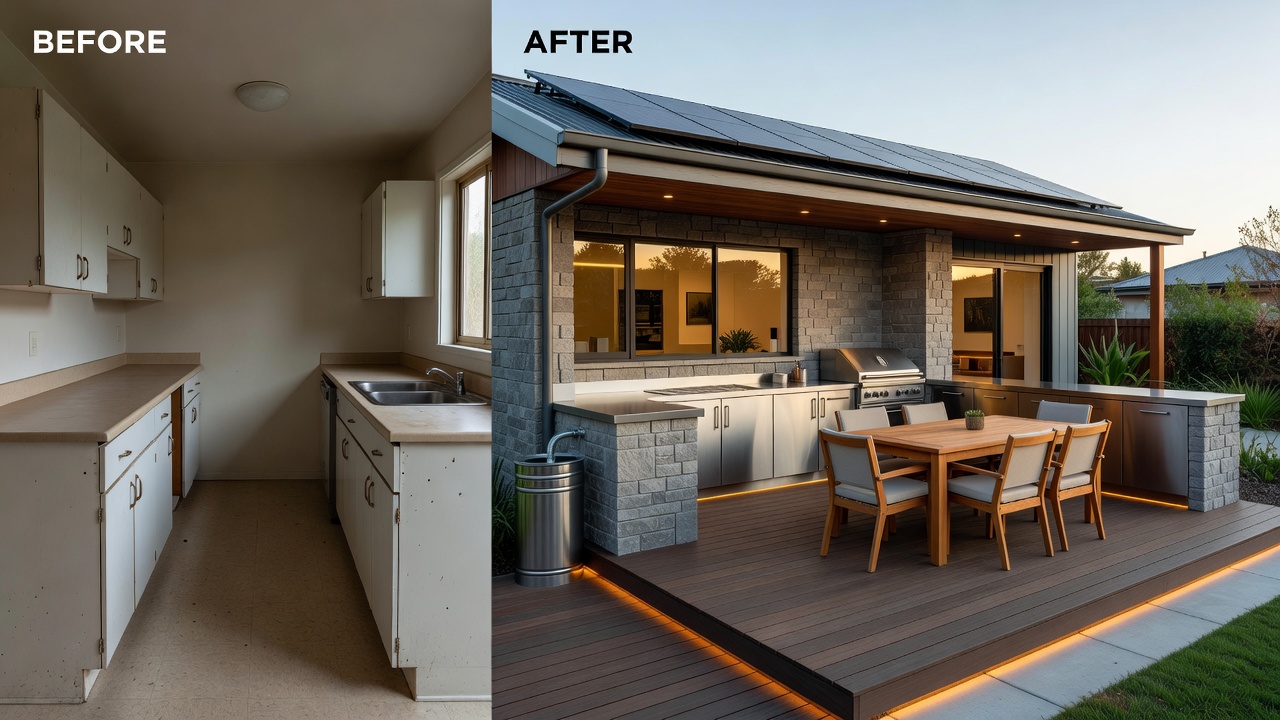
In one suburban renovation, a compact patio was extended into a full outdoor kitchen featuring a built-in pizza oven, bar seating, and smart irrigation controls, increasing entertaining capacity significantly and creating dedicated zones for family gatherings. The project also incorporated sustainable solar panels to power lights and fans, enhancing eco-appeal. Another urban project integrated sustainable materials with voice-activated tech systems, transforming a neglected backyard into an extension of the main kitchen that improved daily usability and resale appeal. A third example involved a coastal home where corrosion-resistant finishes and elevated platforms addressed humidity challenges, resulting in a cohesive indoor-outdoor flow that supports both casual meals and large events. These cases demonstrate how tailored solutions can overcome site-specific hurdles while delivering measurable lifestyle improvements.
2026 Trends for Sustainable and Tech-Enabled Features
Current trends emphasize smart integration, such as automated shading systems, solar-powered appliances, and AI-driven inventory management for outdoor fridges. Sustainable elements include rainwater collection for cleaning stations and native plant landscaping around the kitchen perimeter. These features not only enhance functionality but also contribute to higher property values by appealing to eco-conscious buyers. Homeowners should research local incentives for green upgrades to maximize benefits. Emerging tech like app-based climate control and integrated sound systems further elevates the experience, making outdoor spaces feel like true extensions of the home interior.
FAQ: Addressing Common Challenges
How do I handle ventilation between indoor and outdoor zones?
Install exhaust fans and range hoods rated for cross-flow to manage smoke and odors effectively, ensuring proper ducting that complies with building codes.
What about zoning for different activities?
Define clear areas with changes in flooring materials, strategic lighting, and furniture placement to separate cooking from lounging and dining spaces.
Are there specific 2026 trends for tech-enabled outdoor features?
Yes, integrated weather sensors, voice-activated controls, and energy monitoring systems are rising in popularity for convenience, efficiency, and reduced maintenance.
How can I address potential moisture and pest issues?
Use sealed surfaces, elevated foundations, and integrated pest control systems like screened enclosures to protect against weather and insects year-round.
What permits are typically required for these renovations?
Most areas require building, electrical, and plumbing permits; consult local authorities or a licensed contractor to navigate regulations smoothly.
Conclusion
Outdoor kitchen integration elevates modern homes by expanding functionality, embracing 2026 sustainability trends, and delivering practical entertaining spaces. With careful site planning, the right materials, thoughtful appliance choices, and attention to tech features, these upgrades provide lasting enjoyment and increased property value for homeowners. Taking a methodical approach ensures the final result meets both aesthetic and practical needs for years to come.
No comments yet. Be the first!