 Fixated on Home
Introduction: Why Blend Traditional and Modern Kitchen Styles in 2026
Homeowners today seek kitchens that feel both timeless and fresh. Blending traditional warmth with modern minimalism creates inviting spaces that avoid the starkness of pure minimalism or the rustic uniformity of full farmhouse designs. This approach supports personalized remodeling for 2026 upgrades, focusing on compatibility, balance, and functionality. Many families want a space that honors heritage while embracing smart technology and clean lines that make daily tasks easier.
Successful fusions draw from enduring materials while incorporating sleek lines and technology. The result is a kitchen that reflects individual taste and adapts to daily life. As design trends evolve, this hybrid style continues to grow in popularity because it offers flexibility without sacrificing character or efficiency. Whether you live in a historic home or a new build, the blend allows you to create a unique environment that feels curated rather than copied from a single trend.
Selecting Compatible Materials: Wood, Metal, and Beyond
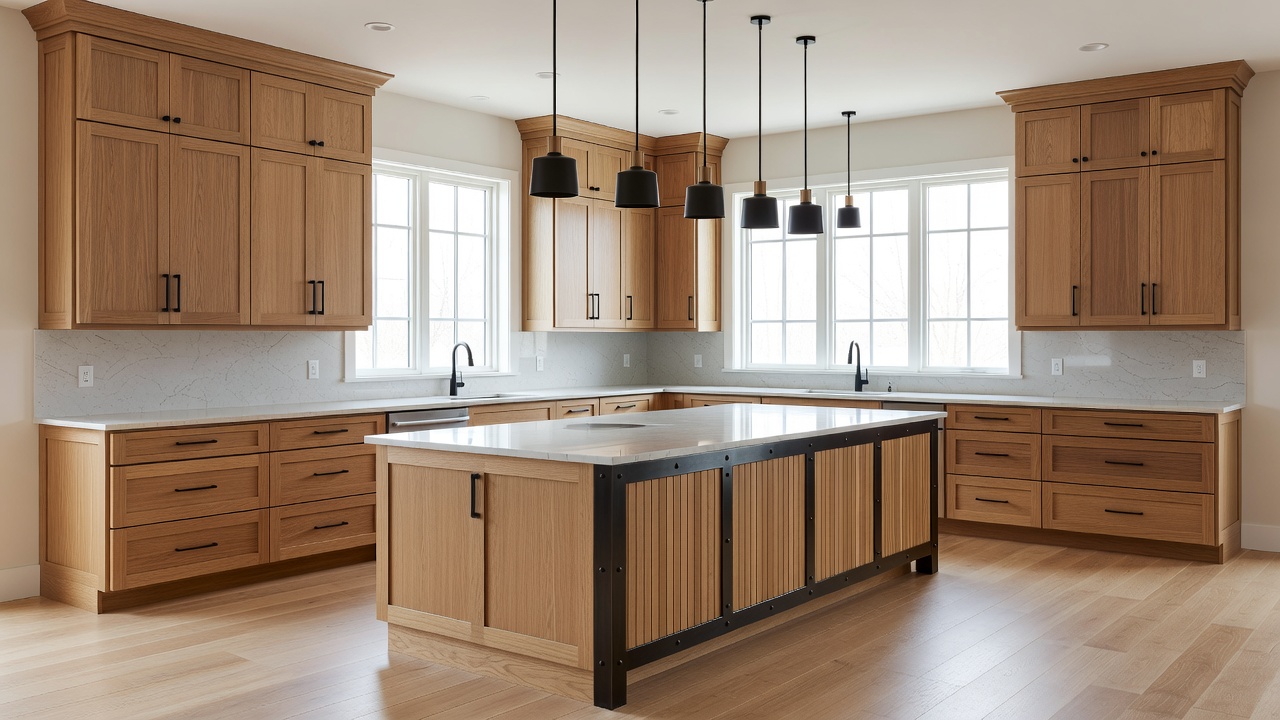
Material choices form the foundation of any blended kitchen. Traditional elements like rich wood cabinetry pair naturally with modern metal accents such as brushed stainless steel or matte black hardware. Oak or walnut woods bring organic texture, while metals add clean edges and durability. Homeowners often combine these by using wood for perimeter cabinets and metal for an island base, creating contrast that feels intentional.
Consider quartz or marble countertops for their classic appeal alongside concrete or terrazzo for contemporary flair. Flooring options include reclaimed hardwood for heritage character mixed with large-format porcelain tiles in neutral tones. These combinations create visual interest without clashing. Additional material pairings might include glass-front traditional cabinets next to sleek metal shelving units or leather bar stools that soften industrial metal tables.
When planning, prioritize materials that age gracefully. Wood develops patina over time, complementing the industrial edge of metal fixtures. Test samples in your lighting conditions to ensure harmony. Architectural Digest frequently highlights successful material marriages that stand the test of time.
Balancing Color Palettes for Timeless Appeal
Color strategy is essential for cohesion. Traditional palettes often feature warm neutrals like cream, taupe, and soft greens. Modern touches introduce bolder contrasts such as deep navy or charcoal. A successful blend uses a dominant neutral base with selective accents in both warm and cool tones. Layering multiple shades of the same hue family helps maintain unity while adding depth.
For 2026 trends, layered neutrals with brass or copper highlights offer sophistication. Walls in soft white or greige provide flexibility, while cabinetry might mix painted traditional profiles with sleek flat-panel modern doors in complementary shades. Avoid overwhelming the space—limit bold colors to 20 percent of the overall scheme. Accent walls behind ranges or islands can feature textured traditional wallpaper paired with modern geometric patterns in muted tones.
Lighting plays a key role. Warm LED bulbs enhance traditional wood tones, while cooler fixtures highlight modern metals. Consider under-cabinet lighting in both warm and cool temperatures to showcase different material finishes throughout the day.
Incorporating Statement Pieces Without Overpowering
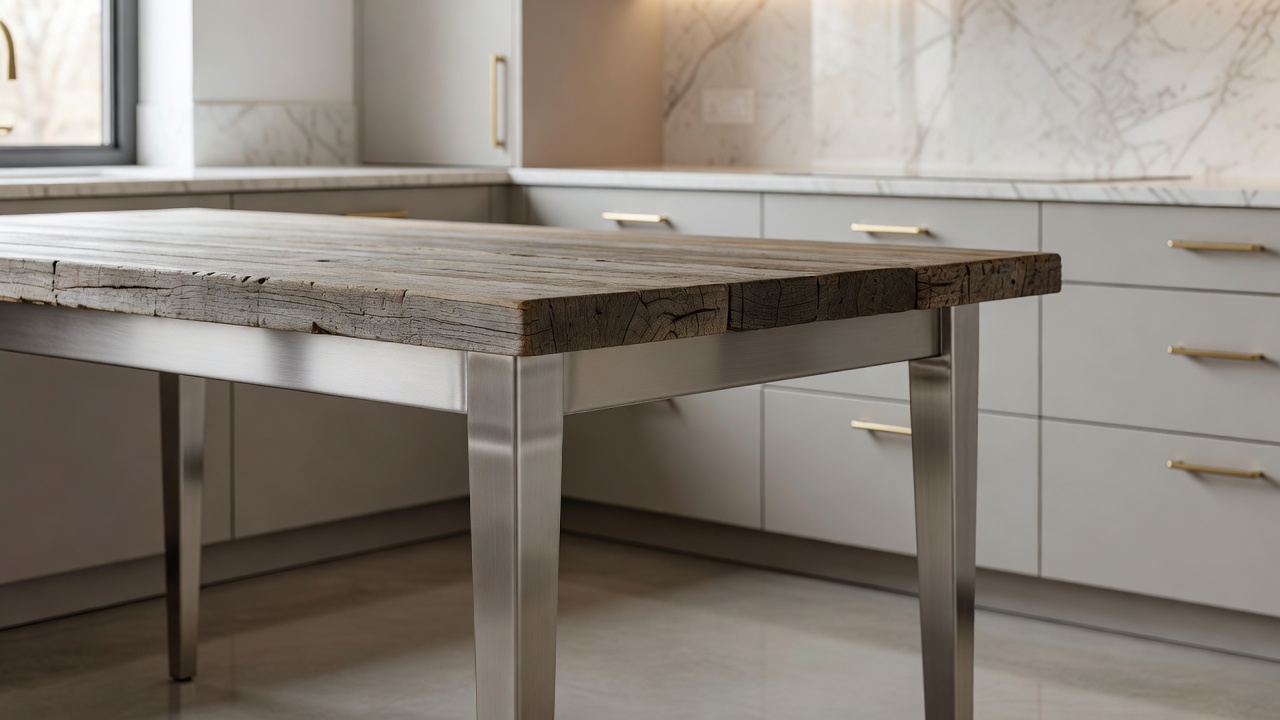
Statement elements anchor the design. A reclaimed wood island with modern metal legs serves as both functional hub and visual focal point. Vintage-inspired lighting fixtures over a contemporary dining area create dialogue between eras. Additional statements might include a traditional tile mural backsplash behind a modern induction cooktop or antique glass knobs on otherwise minimalist drawers.
Other ideas include open shelving in traditional molding styles paired with minimalist floating modern shelves. Incorporate antique hardware on sleek cabinet fronts or a farmhouse sink beneath a streamlined faucet. These pieces add personality while maintaining flow. Choose one or two standout items to prevent visual clutter. Real-world examples show that a single dramatic range hood in hammered copper can tie together wood cabinetry and stainless appliances effectively.
Step-by-Step Planning Process for Your Renovation
- Assess your current space and define priorities, such as storage needs or entertaining flow. Measure every dimension twice and photograph existing conditions for reference.
- Research material suppliers and collect samples for wood, metal, and finishes. Visit showrooms to touch and compare textures under different lighting.
- Sketch layouts that accommodate both traditional symmetry and modern openness. Use digital tools or graph paper to test multiple configurations.
- Consult professionals for structural feasibility and permit requirements. An experienced designer can help identify load-bearing elements that affect layout choices.
- Develop a phased timeline that sequences demolition, installation, and finishing touches. Allow buffer time for material delays common in custom orders.
- Finalize selections with mockups to verify the blend works in three dimensions. Virtual reality walkthroughs or physical material boards help catch issues early.
This methodical approach minimizes costly revisions and ensures the final kitchen meets both aesthetic and practical goals.
Real-World Examples of Successful Blends
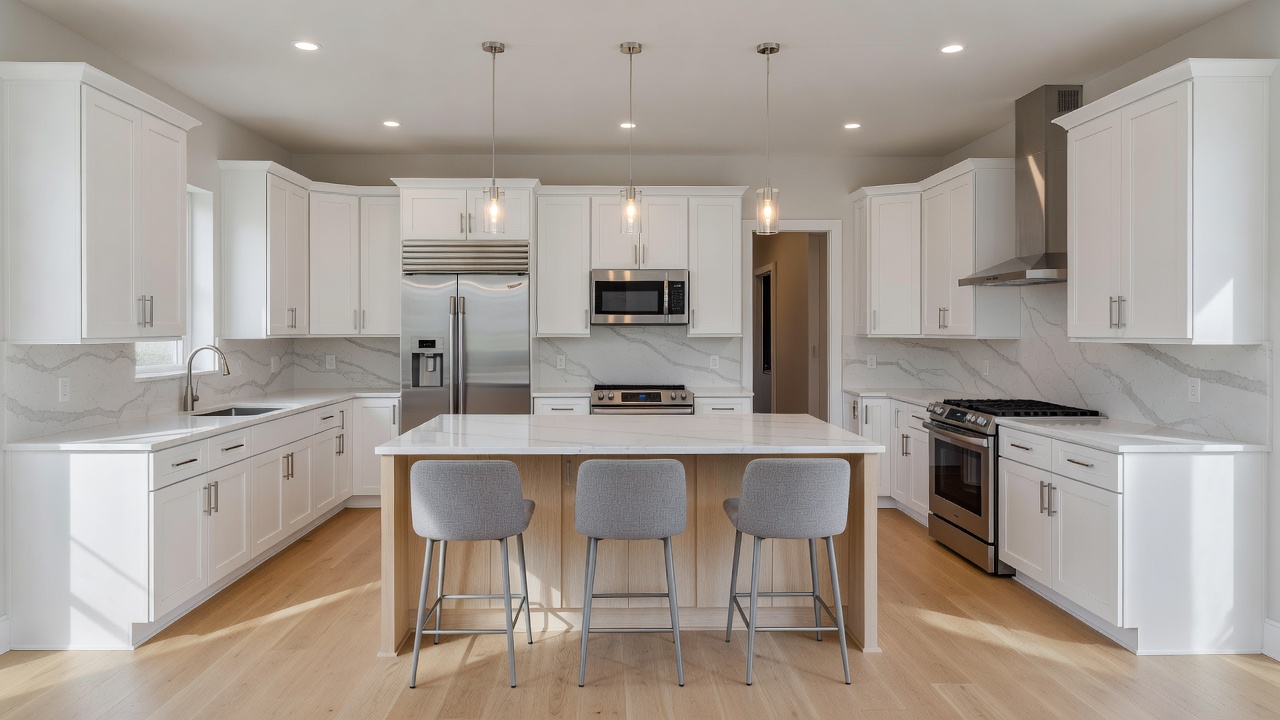
One suburban home combined shaker-style white cabinets with a black steel range hood and walnut open shelving. The result feels classic yet updated for modern cooking habits. The homeowners added a traditional butcher-block prep area that contrasts beautifully with the surrounding quartz surfaces.
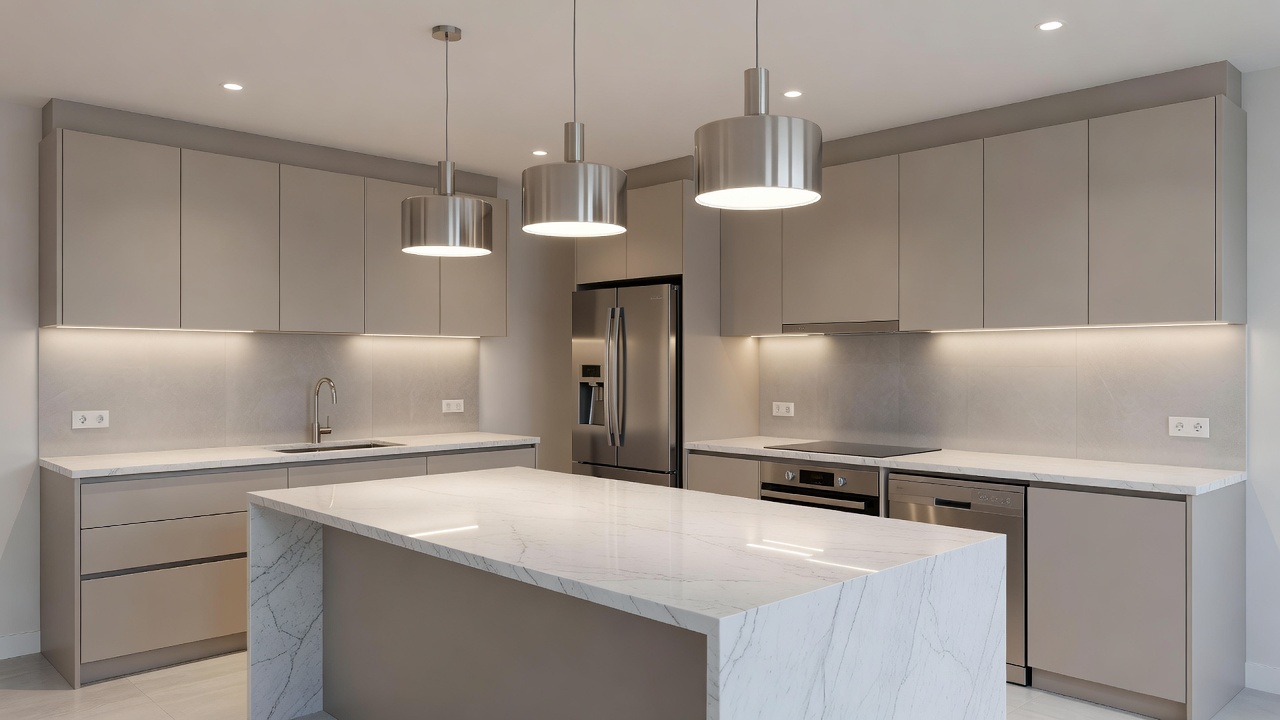
Another urban renovation featured a traditional apron-front sink integrated into a quartz countertop island with slim-profile metal stools. Brass pendants added warmth above cool-toned cabinetry. In a third example, a couple restored original built-in hutches from their 1920s home and paired them with a modern linear island featuring integrated charging stations and hidden storage.
These projects demonstrate how thoughtful pairings elevate everyday spaces into personalized sanctuaries. Many of these homeowners report increased enjoyment of cooking and entertaining after the updates.
Comparing Layout Impacts of Different Blends
Traditional U-shaped layouts emphasize symmetry and can accommodate modern islands for added workspace. In contrast, open-plan modern designs benefit from traditional built-ins that define zones without walls. Galley kitchens gain depth when traditional beadboard backsplashes meet modern linear lighting.
Larger spaces allow for mixed zones, such as a traditional breakfast nook adjacent to a minimalist prep area. Each layout choice influences traffic patterns and perceived spaciousness. For instance, adding a traditional peninsula can create separation between cooking and living areas while maintaining an open feel typical of contemporary design.
Mistakes to Avoid When Blending Styles
- Overloading the space with too many competing focal points, which creates visual chaos instead of harmony.
- Ignoring scale and proportion when mixing heavy traditional pieces with delicate modern lines.
- Choosing finishes that require conflicting maintenance routines, leading to premature wear.
- Failing to consider natural light and how it affects color and material appearance throughout the day.
Working with a designer experienced in transitional styles can help sidestep these common pitfalls.
Practical FAQs on Budget Considerations and Maintenance
How do budget allocations typically break down?
Materials and cabinetry often represent the largest share, followed by labor and appliances. Focus spending on high-impact areas like countertops and hardware that bridge styles. Houzz provides helpful cost guides for various project scopes.
What maintenance is required for blended materials?
Wood surfaces benefit from regular sealing, while metals need non-abrasive cleaning. Mixed finishes hold up well when chosen for durability, reducing long-term upkeep. This Old House offers detailed care instructions for common material combinations.
Can these kitchens adapt to future trends?
Yes. The timeless nature of blended styles allows easy updates through accessories rather than full overhauls.
How important is professional installation for mixed materials?
Very important. Different expansion rates between wood and metal require precise techniques to prevent warping or gaps over time.
What are the long-term durability considerations?
High-quality sealants and finishes protect against moisture and daily wear, preserving the look of both traditional and modern elements for decades.
Conclusion: Creating Your Ideal Fusion Kitchen
Blending traditional and modern elements delivers kitchens that feel personal, functional, and enduring. By focusing on compatible materials, balanced colors, and strategic statements, homeowners achieve distinctive 2026 renovations that stand the test of time. Begin with thoughtful planning and the right mix of classic charm and contemporary ease for results that truly inspire daily living and future enjoyment.
No comments yet. Be the first!