 Fixated on Home
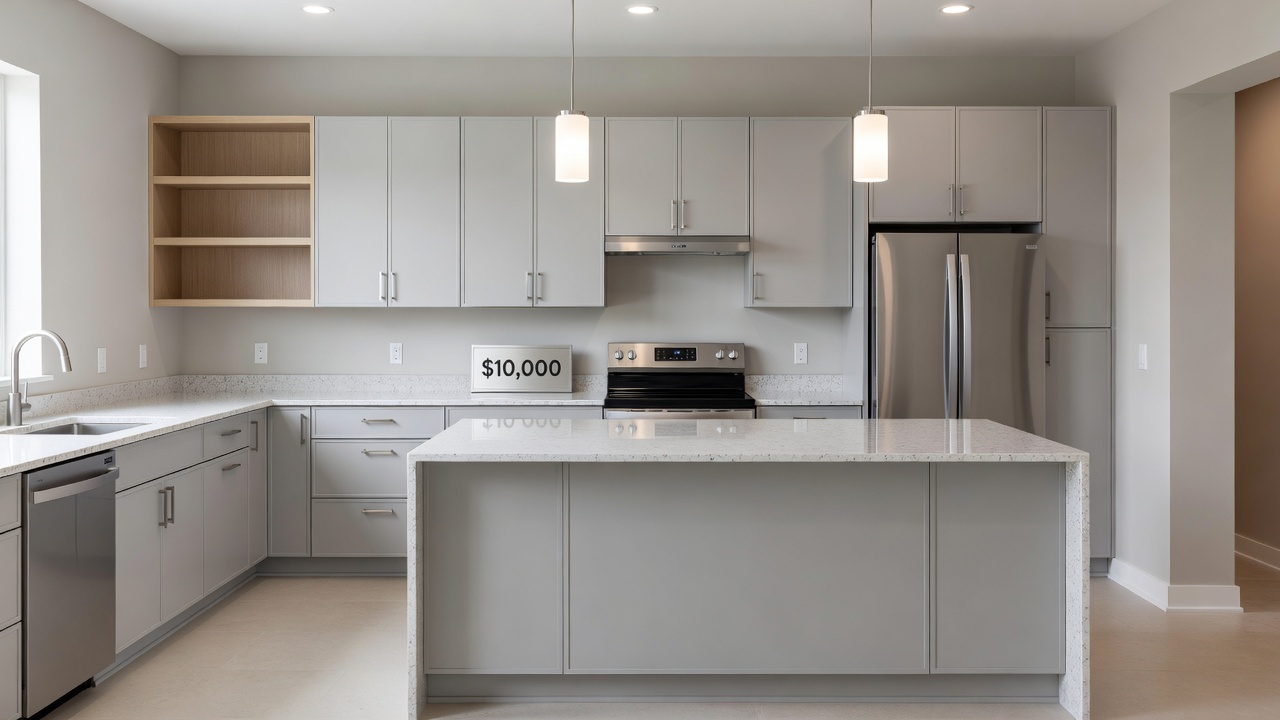
Introduction to Budget Kitchen Renovations in 2026
Homeowners today seek stylish kitchen upgrades without overspending. A budget kitchen renovation focuses on high-impact changes that deliver modern appeal while controlling costs. This guide covers remodeling tips centered on cabinet refacing, energy-efficient appliances, material alternatives, and phased project planning to achieve professional results on a tight budget. Many families discover that thoughtful updates can refresh an entire home's feel, improving daily functionality and resale value simultaneously.
With careful sourcing and trend integration, you can transform dated spaces into contemporary kitchens. Real-world examples demonstrate achievable transformations under $10,000, supported by step-by-step checklists and answers to common questions. Understanding the full scope helps avoid common pitfalls that inflate expenses unexpectedly.
Understanding Your Kitchen's Potential Before Starting
Before any work begins, evaluate the existing layout, storage needs, and traffic patterns. Walk through your kitchen at different times of day to note lighting issues and workflow inefficiencies. Sketch a simple floor plan noting appliance locations and cabinet conditions. This assessment reveals whether structural changes are necessary or if cosmetic refreshes suffice for a modern look.
Compare your current setup against popular 2026 design trends such as open shelving mixed with closed storage and integrated smart features. Homeowners who document these details early often complete projects faster and with fewer revisions.
Prioritizing High-Impact Changes
Start by identifying elements that offer the greatest visual and functional return. Cabinet refacing stands out as a cost-effective alternative to full replacement, preserving structure while updating fronts. Pair this with energy-efficient appliances to reduce long-term utility expenses and enhance modern functionality. Refacing typically involves applying new veneers or doors over existing frames, instantly elevating the room's appearance.
Focus first on surfaces and lighting. Replacing hardware, adding under-cabinet LEDs, and refreshing countertops create an immediate modern feel. These targeted remodeling tips maximize perceived value without structural overhauls. Consider how each change affects adjacent areas, such as ensuring new counter heights align with appliances.
Detailed Guide to Cabinet Refacing
Cabinet refacing begins with thorough cleaning and minor repairs to existing boxes. Select door styles in matte or textured finishes popular in current trends. Homeowners can choose from vinyl, laminate, or wood veneers depending on durability needs. Professional installation ensures precise alignment and smooth operation of hinges and drawers.
Compare refacing versus full replacement by weighing time savings against material costs. Refacing often completes in days rather than weeks, minimizing kitchen downtime. Real examples show families achieving a complete style shift while keeping the original footprint intact.
Choosing Energy-Efficient Appliances Wisely
Energy Star certified refrigerators, dishwashers, and ranges deliver reliable performance with lower operating costs. Look for models with advanced insulation, variable-speed compressors, and smart connectivity features that allow remote monitoring. When selecting appliances, measure openings carefully and consider configurations like counter-depth refrigerators for a built-in appearance.
Visit Energy Star for certified product listings and savings calculators. Compare energy consumption ratings across brands to identify the best long-term value. Many utility companies offer additional incentives for qualifying purchases.
Budget-Friendly Material Alternatives for Countertops and Flooring
Explore durable yet affordable substitutes for premium surfaces. Laminate or thermofoil cabinet doors mimic premium wood finishes at a fraction of the price. For countertops, consider quartz-look acrylics or butcher block instead of natural stone. Flooring options like luxury vinyl plank provide water resistance and style at lower installation costs.
These alternatives maintain contemporary aesthetics while fitting budget constraints. Research local suppliers for remnant materials to further reduce expenses. Test samples in your actual lighting to confirm color consistency before committing.
Phased Project Planning for Minimal Disruption
Break the renovation into manageable phases to spread costs and minimize disruption. Phase one might cover cabinet refacing and hardware. Phase two introduces appliances and lighting. Final phases address backsplashes and flooring. Document each phase with photos and notes to track progress and decisions.
This approach allows homeowners to live in the space during work and adjust priorities based on findings. Create a timeline with buffer periods for unexpected issues such as plumbing surprises or material delays. Coordinate with contractors early to align schedules and secure deposits only after verifying references.
Sourcing Deals and Incorporating 2026 Design Trends
Shop end-of-season sales, online marketplaces, and manufacturer outlets for appliances and materials. Energy Star certified models often qualify for rebates, improving value. Current trends favor matte finishes, integrated appliances, and sustainable materials that align perfectly with budget goals. Incorporate mixed metals for hardware and soft-close mechanisms for a premium tactile experience.
Visit Energy.gov for ongoing efficiency guidance. Cross-reference prices across multiple vendors and read recent user reviews to avoid low-quality options that require early replacement.
Real-World Budget Examples Under $10,000
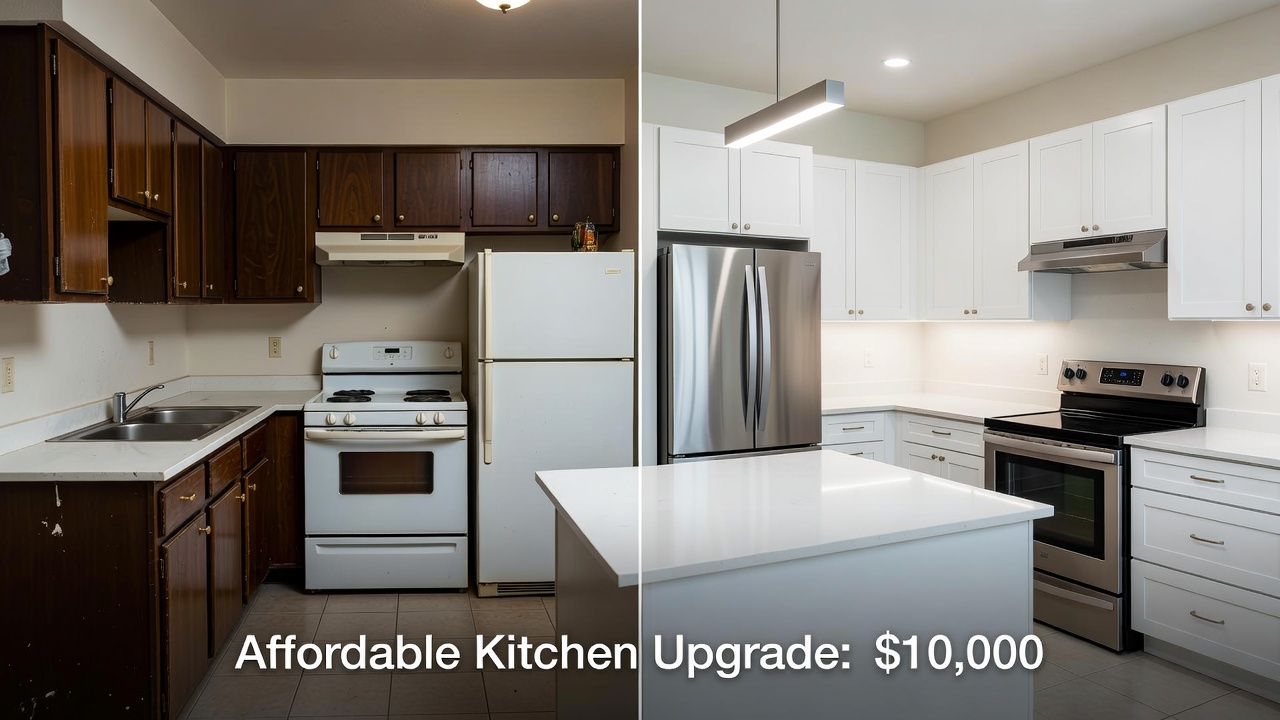
One homeowner refaced oak cabinets, installed new pulls, and added an Energy Star refrigerator and dishwasher for under $10,000 total. The result featured a sleek, modern kitchen with improved workflow and better organization. Another project phased countertop upgrades using remnant quartz alongside LED lighting and a new faucet, staying within budget while achieving a high-end appearance.
A third example involved replacing outdated flooring with durable vinyl planks and updating the backsplash with peel-and-stick tiles rated for kitchen use. These cases highlight how strategic choices deliver before-and-after transformations without exceeding financial limits. Tracking every receipt helps maintain accountability throughout the process.
Step-by-Step Checklist for Your Renovation
- Assess current kitchen layout and identify pain points through daily observation.
- Set a firm budget and allocate funds across categories with contingency reserves.
- Research and select refacing materials and appliance models based on measurements.
- Obtain multiple quotes from licensed contractors or plan DIY elements carefully.
- Schedule work in phases and secure necessary permits from local authorities.
- Install updates starting with cabinets, then appliances and finishes in sequence.
- Conduct final inspections and test all systems before full use.
- Document completed work for warranty and future resale purposes.
Common Mistakes to Avoid During Budget Renovations
Skipping measurements often leads to ill-fitting components and wasted materials. Neglecting ventilation when selecting appliances can create future problems with moisture and odors. Always verify compatibility of new fixtures with existing plumbing and electrical systems. Homeowners should hire professionals for any gas, electrical, or plumbing work to ensure safety and code compliance.
Another frequent error involves underestimating labor time, which extends project duration and increases temporary living expenses. Review all contracts thoroughly and maintain open communication with suppliers to prevent last-minute substitutions.
FAQ
How long does a budget kitchen renovation typically take?
Most phased projects complete within four to eight weeks depending on scope and contractor availability.
Can I do cabinet refacing myself?
DIY refacing is possible with basic tools but requires precision; many opt for professional installation to achieve seamless results.
What modern trends fit a limited budget?
Matte cabinetry, smart lighting controls, and mixed metal accents remain popular and achievable affordably.
How do I maintain energy efficiency after upgrades?
Regular appliance maintenance and proper sealing around cabinets help sustain efficiency gains. Consult Consumer Reports for appliance care recommendations.
Should I replace or refinish existing flooring?
Refinishing works well for hardwood in good condition, while new vinyl or tile offers better moisture protection in high-use kitchens.
Conclusion
Budget kitchen renovations empower homeowners to embrace modern design through smart remodeling tips. By prioritizing refacing, efficient appliances, and phased execution, substantial transformations become realistic. Apply these strategies to create a functional, stylish kitchen that enhances daily life and home value for years to come.
No comments yet. Be the first!