 Fixated on Home
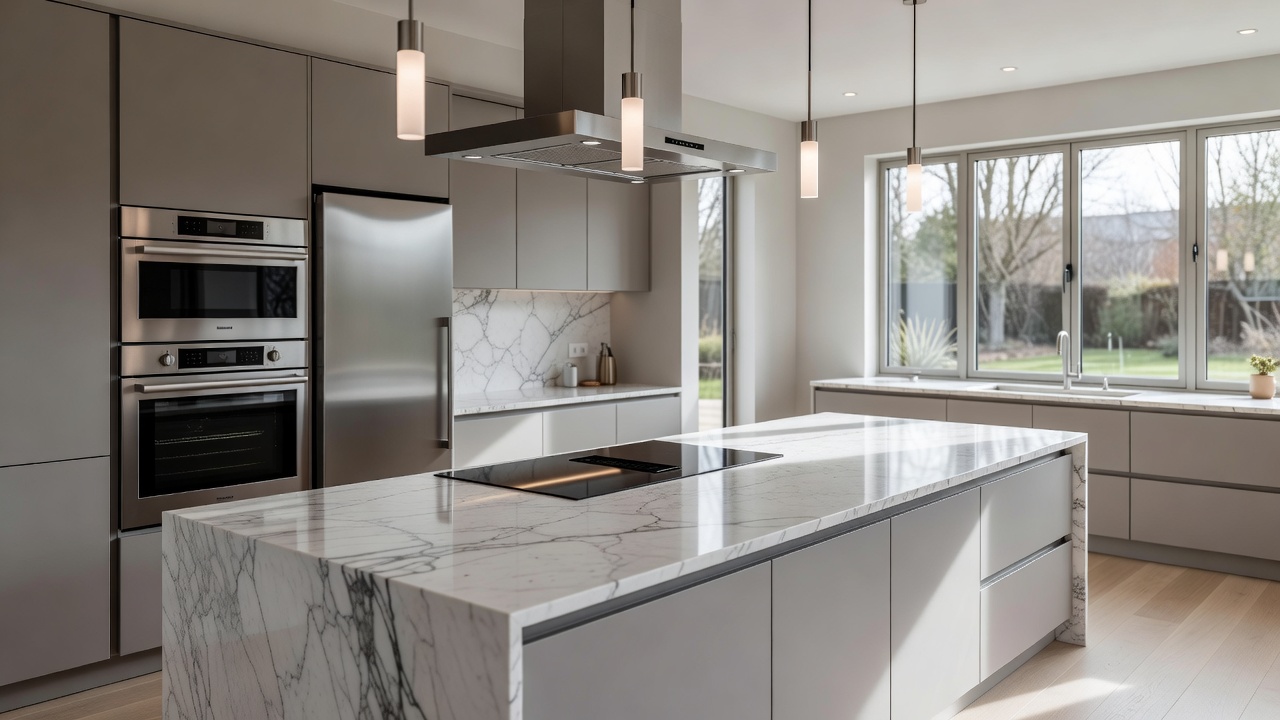
Introduction to Induction and Gas Cooktops in Modern Renovations
When planning a kitchen renovation in 2026, choosing between induction and gas cooktops is a pivotal decision that impacts energy use, safety, cooking performance, and overall home value. Homeowners seeking contemporary upgrades must weigh factors like compatibility with existing utilities and long-term maintenance needs. This guide provides a detailed comparison to support informed choices aligned with modern home design trends. Understanding the differences helps ensure your new kitchen meets both daily practical demands and long-term efficiency goals in a busy household environment.
Energy Efficiency Comparison
Induction cooktops excel in energy efficiency by directly heating cookware through electromagnetic fields, minimizing heat loss. Gas cooktops, while effective, lose significant energy through open flames. According to the U.S. Department of Energy, induction models convert up to 85-90% of energy into heat for the pan, compared to 40-50% for gas. This difference makes induction ideal for households focused on sustainability during renovations. In practice, induction reduces overall household energy consumption, which can lower utility bills over time and align with broader environmental goals promoted by organizations such as energystar.gov. Gas cooktops require more ventilation to manage combustion byproducts, adding to indirect energy costs associated with exhaust systems.
Safety Features and Considerations
Safety is paramount in busy homes. Induction surfaces stay relatively cool, reducing burn risks, and include automatic shut-off features. Gas cooktops pose risks from open flames and potential gas leaks, though modern models incorporate flame failure devices. For families with children, induction often provides peace of mind in renovated spaces. Additional safety elements include child-lock functions on induction units and carbon monoxide detectors recommended alongside gas installations. Homeowners should evaluate their household dynamics, such as the presence of pets or elderly residents, when deciding which technology best supports a secure cooking environment.
Installation Considerations
Compatibility with existing lines is crucial. Induction requires dedicated electrical circuits, often 240-volt outlets, which may necessitate upgrades during renovation. Gas cooktops connect to natural gas or propane lines but demand proper ventilation. Professional assessment of your home's infrastructure helps avoid costly surprises. In many 2026 projects, electricians evaluate panel capacity early, while plumbers confirm gas line integrity and pressure. Retrofitting an older home for induction may involve running new wiring through walls, whereas gas conversions focus on sealing connections and adding range hoods rated for high BTU output. Always coordinate with licensed professionals to meet local building codes.
Design Aesthetics for Contemporary Spaces
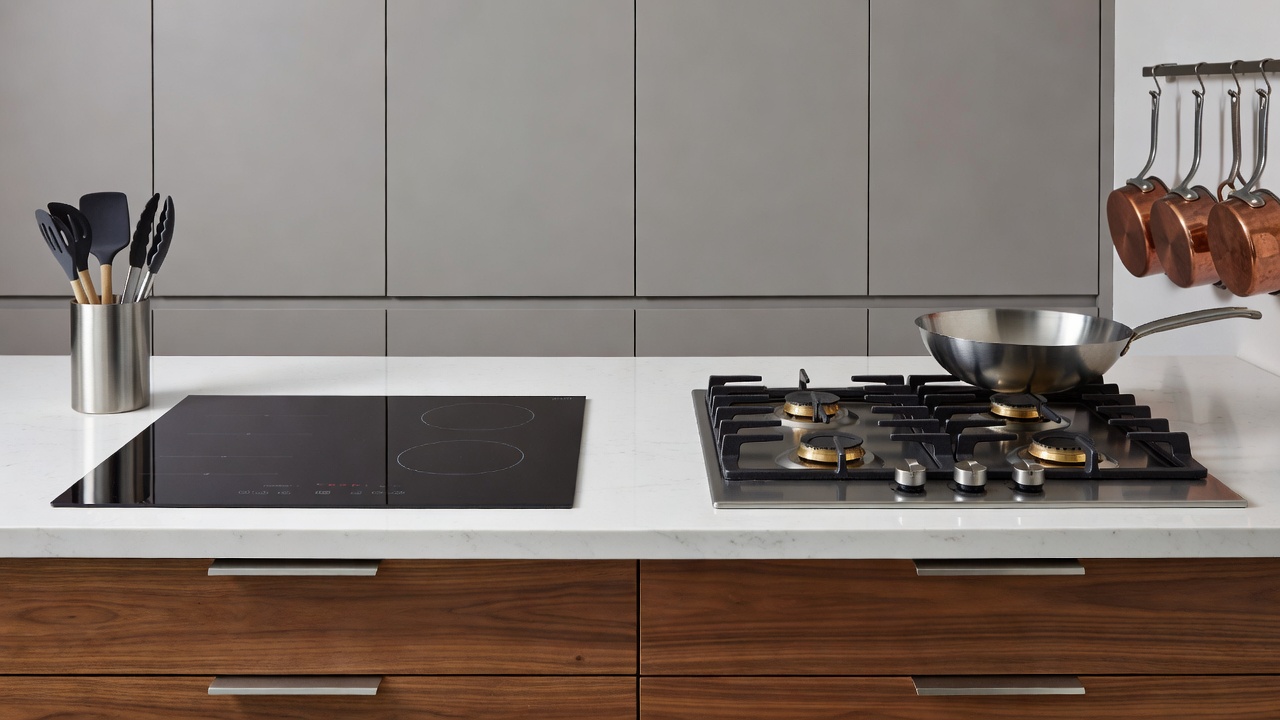
Both options offer sleek designs suited to 2026 trends. Induction cooktops feature smooth, integrated glass-ceramic surfaces that blend seamlessly with minimalist kitchens. Gas models provide a professional look with visible burners, appealing to those favoring a traditional yet modern aesthetic. Consider how each fits your cabinetry and countertop choices. Induction units often appear as a single flush surface, allowing for creative layouts with islands or peninsulas. Gas cooktops can be paired with custom grates and finishes in matte black or stainless steel to match surrounding appliances. Material selection, such as pairing with quartz or concrete counters, further influences the final visual impact in contemporary renovations.
Performance in Busy Households
In high-traffic kitchens, induction delivers rapid heating and precise temperature control, ideal for multitasking. Gas provides instant visual flame adjustment favored by some chefs. Real 2026 renovation projects show induction performing well for quick meals, while gas suits those who prefer tactile cooking feedback. Performance metrics include response time to temperature changes and even heat distribution across multiple burners. Busy families report that induction's simmer precision prevents scorching during simultaneous meal prep, whereas gas excels at high-heat searing tasks like stir-frying. Testing both technologies in showrooms before final selection provides valuable hands-on insight.
Long-Term Maintenance Costs
Induction units are easier to clean due to flat surfaces but may require specialized repairs for electronic components. Gas cooktops need regular burner maintenance and vent cleaning. Qualitative evaluations indicate induction often has lower ongoing upkeep in updated homes, depending on usage patterns. Routine care involves wiping surfaces after each use for induction and inspecting gas connections annually. Over a decade, replacement parts for induction electronics tend to be more expensive than gas burner assemblies, yet the reduced frequency of deep cleaning offsets some labor costs in professional service calls.
Side-by-Side Comparison
- Heating Speed: Induction – instant; Gas – quick but variable.
- Energy Use: Induction – highly efficient; Gas – moderate efficiency.
- Safety: Induction – cool surface; Gas – open flame.
- Installation: Induction – electrical focus; Gas – gas line focus.
- Cleaning: Induction – wipe-down only; Gas – requires scrubbing grates.
- Compatibility: Induction – needs sufficient amperage; Gas – needs reliable supply line.
Practical Steps for Choosing Your Cooktop
Start by auditing your current kitchen utilities and consulting renovation contractors. Next, visit showrooms to compare cooking experiences side by side. Review local rebate programs for energy-efficient appliances through resources like nrel.gov. Finally, factor in your cooking style and frequency of use to determine long-term satisfaction with either technology.
Common Mistakes to Avoid
One frequent error is underestimating electrical requirements for induction, leading to mid-project delays. Another is neglecting proper ventilation for gas, which can compromise indoor air quality. Homeowners should also avoid selecting cooktops solely on aesthetics without testing performance features relevant to their meal preparation habits.
Real Renovation Examples from 2026 Projects
Homeowners in urban areas have successfully integrated induction into smart kitchen upgrades, enhancing both functionality and resale appeal. Suburban projects often retain gas for its familiar performance while adding modern ventilation systems. In one coastal renovation, a family replaced an aging gas range with a 36-inch induction model, improving workflow around a central island. Another downtown loft conversion retained gas burners to accommodate a homeowner who frequently grills indoors, pairing the unit with an upgraded downdraft exhaust system. These examples illustrate how location-specific factors influence the final decision.
Frequently Asked Questions
What if my kitchen lacks the right electrical setup?
Consult an electrician early; many 2026 renovations include panel upgrades to support induction.
Can I switch from gas to induction easily?
Yes, with proper planning for electrical and ventilation changes.
Does induction work with all cookware?
Only magnetic-base pans function correctly; test with a magnet before purchase.
Are gas cooktops more responsive for professional cooking?
Many chefs prefer the visual flame control, though induction offers comparable precision with practice.
How does ventilation differ between the two?
Gas requires stronger exhaust to remove combustion gases, while induction needs less intensive air circulation.
Conclusion
Selecting between induction and gas cooktops depends on your priorities for efficiency, safety, and design. Thorough evaluation during renovation ensures a choice that enhances your kitchen for years ahead. For more guidance, explore resources from energy.gov and epa.gov.
No comments yet. Be the first!