 Fixated on Home
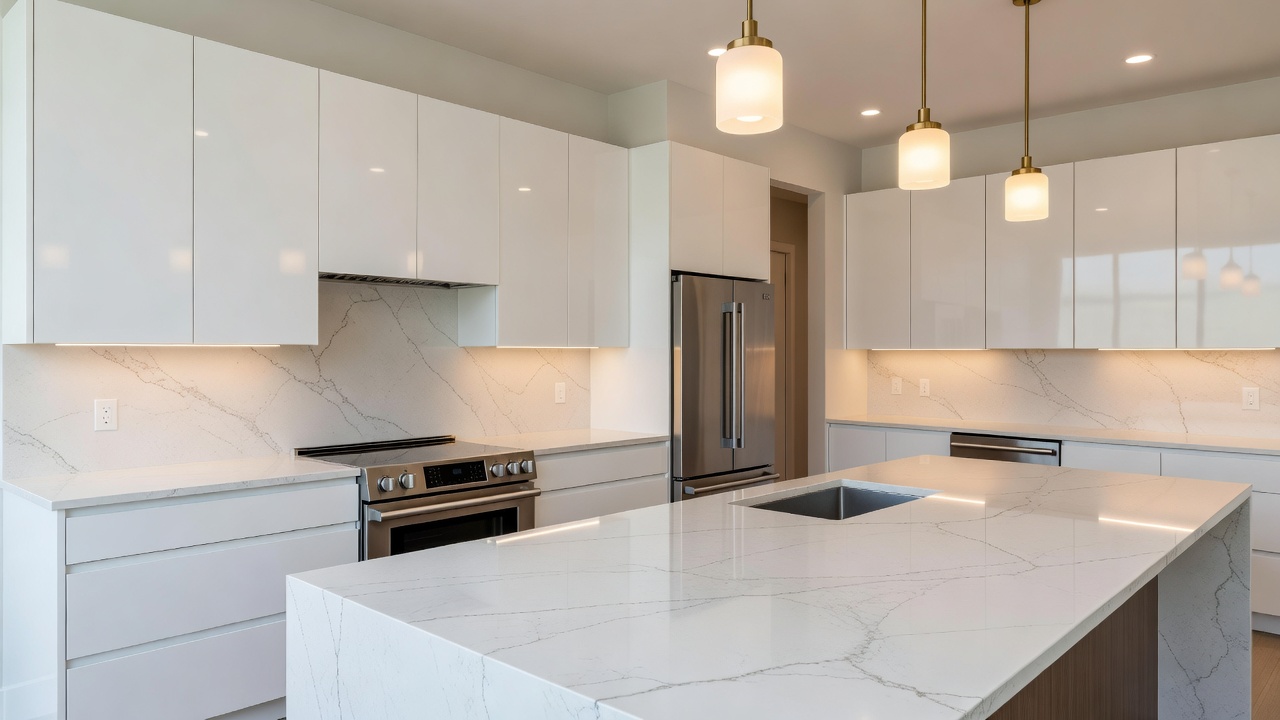
Introduction to Maximizing Kitchen Renovation ROI in 2026
Kitchen renovations continue to rank among the most effective home improvement projects for homeowners seeking strong financial returns. In 2026, success depends on aligning upgrades with evolving buyer preferences for sustainable designs, energy efficiency, and functional open layouts that enhance daily living while boosting resale appeal. This comprehensive guide explores proven strategies to maximize ROI, from selecting high-impact changes to conducting accurate financial assessments. Homeowners who approach renovations with market awareness and careful planning can achieve both immediate lifestyle improvements and long-term value gains in a competitive real estate environment.
Current market dynamics emphasize durability, modern functionality, and eco-friendly features. Buyers are increasingly drawn to kitchens that reduce utility costs and support healthier living spaces. By focusing on these priorities, renovation projects can deliver returns that exceed typical expectations when executed thoughtfully and within budget parameters.
High-Impact Kitchen Upgrades for 2026
Selecting the right upgrades forms the foundation of strong ROI. High-impact changes include cabinet refacing or replacement, countertop installations using durable materials, and appliance updates that emphasize energy savings. These elements directly influence buyer perceptions during property viewings and can differentiate a home in crowded markets. Additional valuable improvements encompass upgraded lighting systems that create inviting atmospheres and backsplash enhancements that add visual interest without major structural work.
Smart storage solutions such as pull-out organizers and integrated charging stations further increase appeal for families prioritizing organization. Each option should be evaluated against local market trends to ensure relevance. For example, incorporating induction cooktops or multi-zone refrigeration aligns with preferences for efficient cooking and food preservation. Prioritizing these targeted improvements over broad overhauls helps maintain focus on value-adding elements that resonate with prospective purchasers.
Cost Breakdowns and Premium Versus Budget-Friendly Options
Understanding the financial spectrum of renovation choices enables informed decision-making. Premium selections like custom cabinetry or high-end quartz surfaces provide exceptional longevity and luxury aesthetics that appeal to upscale buyers. In contrast, budget-friendly alternatives such as stock cabinets or laminate countertops can achieve similar visual transformations at reduced expense while still delivering solid returns. Mid-range options often strike the optimal balance, offering quality construction and contemporary finishes without excessive outlays that may not fully recoup during resale.
Comparisons between approaches highlight key trade-offs. Premium paths excel in durability and customization but require careful consideration of neighborhood standards to avoid over-improvement. Budget paths deliver quicker visual updates and faster project timelines, making them suitable for properties targeting first-time buyers or cost-conscious markets. Energy-efficient appliances represent another area where moderate investments yield dual benefits of lower operating costs and stronger market positioning. Homeowners benefit from assessing their specific property context and consulting local real estate data before finalizing material selections.

Enhancing Home Design Appeal Through Strategic Choices
Design cohesion significantly amplifies renovation outcomes. Selecting finishes that harmonize with the broader home creates seamless transitions that enhance overall property appeal. Neutral palettes paired with mixed textures and quality hardware elevate aesthetics efficiently. Sustainable integrations such as low-VOC paints, recycled countertops, and water-saving fixtures align with 2026 buyer values around environmental responsibility and wellness.
These choices improve marketability while fostering healthier indoor environments. Practical examples include replacing outdated fluorescent lighting with LED systems for better ambiance and reduced energy use. Thoughtful layout adjustments, such as expanding counter space or improving traffic flow, further boost functionality. When design decisions reflect both personal needs and buyer expectations, the resulting space feels both personalized and universally desirable.
Real Case Examples of Successful Kitchen Renovations
Real-world applications demonstrate effective ROI strategies. In one suburban family residence, owners pursued cabinet refacing combined with new energy-efficient countertops and lighting. The project accelerated the sale timeline and attracted multiple offers above the listing price, underscoring the power of moderate, targeted investments. A separate urban condominium renovation emphasized smart appliances, open shelving, and a neutral color scheme that directly appealed to younger, tech-oriented buyers seeking modern convenience.
Another example involved a rural property where sustainable materials and expanded storage solutions transformed an outdated kitchen. Post-renovation appraisal reflected meaningful value increases, aided by alignment with regional preferences for durable, low-maintenance features. These cases emphasize the necessity of customizing renovations to local demographics and analyzing recent comparable sales to identify the features that command the strongest buyer interest in a given area.
Step-by-Step ROI Calculation Guide
Accurate ROI measurement requires a structured process. First, compile all project expenses including materials, professional labor, permits, and any ancillary costs such as temporary kitchen setups. Second, gather data on comparable recently sold homes in the neighborhood to estimate the value added by similar upgrades. Third, subtract total costs from the projected home value increase. Finally, divide the net gain by the original investment and multiply by 100 to determine the percentage return.
Additional considerations include project timing relative to local market conditions and incorporation of professional appraisals for precision. Homeowners should also account for potential incentives related to energy-efficient improvements through programs supported by organizations such as U.S. Department of Energy. This methodical approach helps prevent over-investment and supports decisions grounded in realistic financial projections rather than assumptions.
Common Mistakes to Avoid in Kitchen Renovations
Avoiding frequent pitfalls protects both budget and returns. One common error involves selecting overly personalized features that limit broad buyer appeal, such as bold color choices or highly specialized layouts. Another mistake is neglecting quality documentation of all improvements, which can weaken appraisal outcomes. Homeowners should also steer clear of skipping permits or professional consultations, as these oversights may lead to costly corrections later.
Overextending the project scope beyond necessary high-impact areas often erodes ROI. Instead, focus on core elements like functionality and efficiency while maintaining consistency with surrounding home design. Learning from these missteps enables smoother project execution and stronger final results.
Financing and Appraisal Tips: FAQ
- How should I finance a kitchen renovation for optimal ROI? Consider home equity loans or cash-out refinancing through reputable lenders, selecting terms that match both project scope and personal repayment ability. Research current programs that support energy upgrades via resources at HUD.
- What do appraisers look for in kitchen upgrades? They assess material quality, functionality improvements, and alignment with current market demands. Maintain detailed records including receipts, before-and-after photos, and contractor invoices to substantiate added value.
- Can I include personal labor costs in ROI calculations? Assign fair market rates to DIY contributions when totaling expenses, but verify estimates with appraisal professionals for accuracy.
- How does 2026 market data affect financing decisions? Emphasis on sustainability may open access to specialized financing products or rebates; cross-reference with local market reports for the most relevant guidance.
- What role do comparable sales play in appraisal outcomes? Recent neighborhood transactions provide benchmarks for valuing specific upgrades, helping ensure realistic expectations about returns.
Engaging a financial advisor or real estate professional early in the process clarifies these considerations and supports well-informed choices.
Conclusion
Maximizing ROI on kitchen renovations in 2026 demands strategic selection of upgrades, thorough cost analysis, and disciplined ROI tracking. By concentrating on buyer-aligned improvements such as energy efficiency and functional design while following structured planning, homeowners can realize both enhanced living environments and meaningful financial benefits. Begin with a detailed evaluation of your existing kitchen and local market conditions to launch a successful, value-driven project.
No comments yet. Be the first!